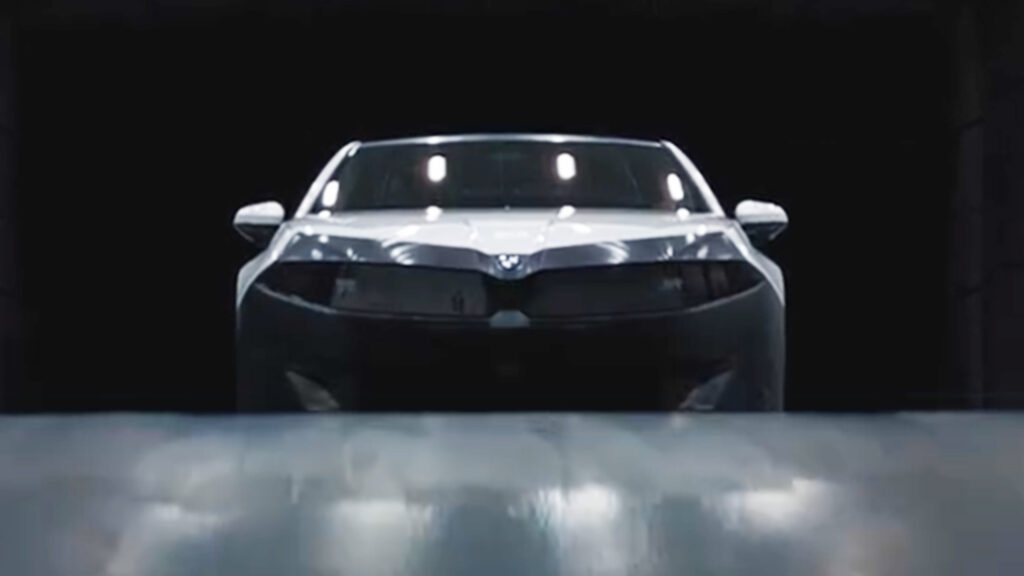










- Jaguar pits its future EV flagship against icons from its storied past.
- A V12-powered XJ Coupe served as a key benchmark for the project.
- The four-door GT arrives in September with more than 986 hp on tap.
Jaguar has begun sketching out what comes next, offering fresh details on the new four-door GT that will usher in its all-electric era. The production EV is set to debut in September, pitched as a modern tribute to the brand’s most celebrated grand tourers, even as it marks a clean break from them.
To show that the move to a zero-emission powertrain won’t dull the experience, the company went digging through its archives. Jaguar engineers ran what they call a “Spirit of Jaguar Drive” evaluation, benchmarking the new GT against the XK120, E-Type, XJS, and the XJ Series I.
More: Jaguar Cancelled Three New Cars In Development To Make Room For One EV
What stands out is the timeframe. Every benchmark model comes from between 1948 and 1975, with nothing from Jaguar’s more recent past making the cut, a telling choice about where the brand sees its identity, something that could just as easily apply to the as-yet unnamed EV.
Jaguar says the new GT’s character leans heavily on the V12-powered XJ Coupe, aiming to balance pace with refinement. Vehicle Engineering Director Matt Becker insists that familiar duality remains intact, describing a blend of performance and comfort that sits in what he calls “perfect harmony.”
Jaguar Drops The Curves And Starts Over



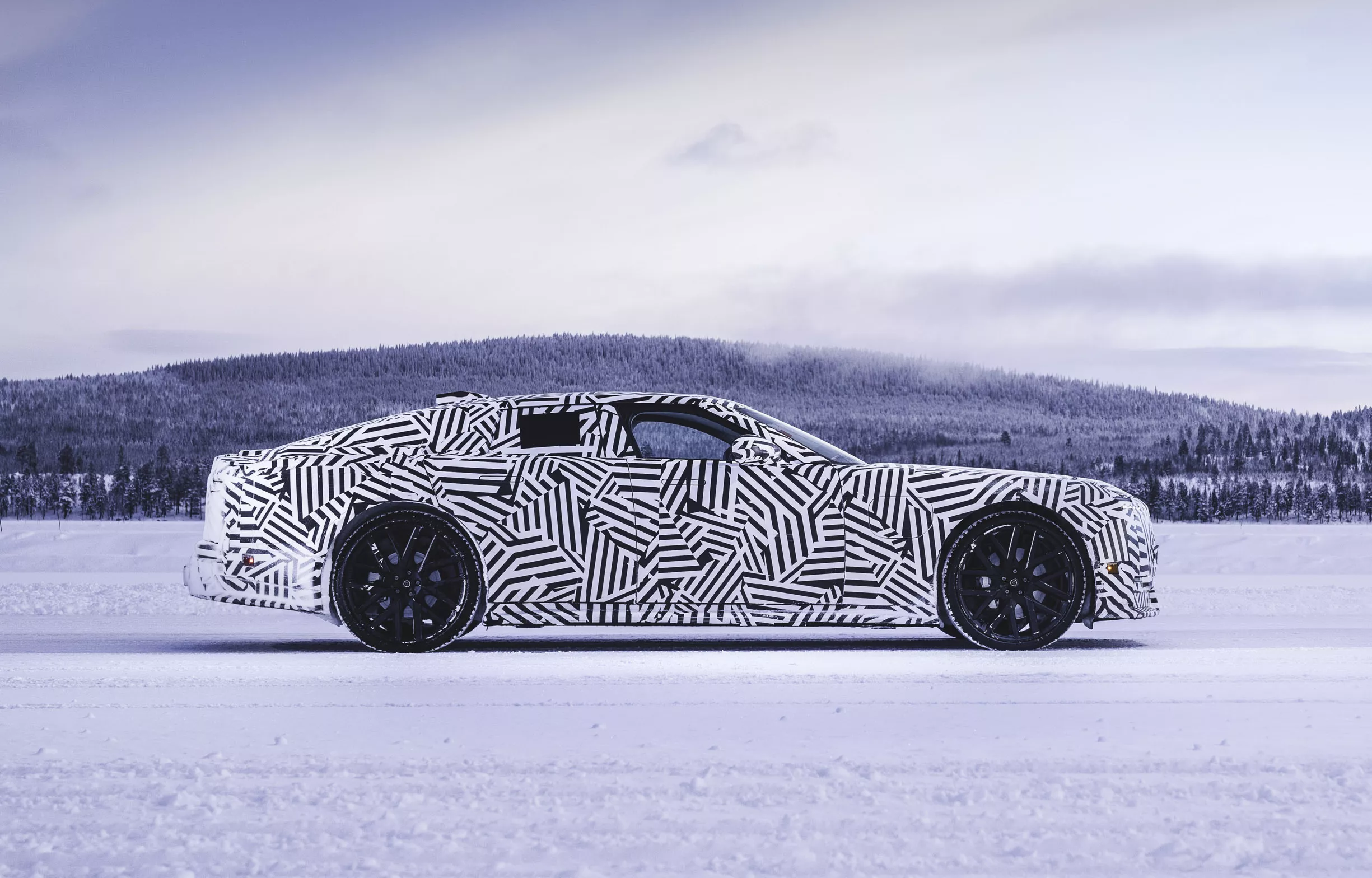
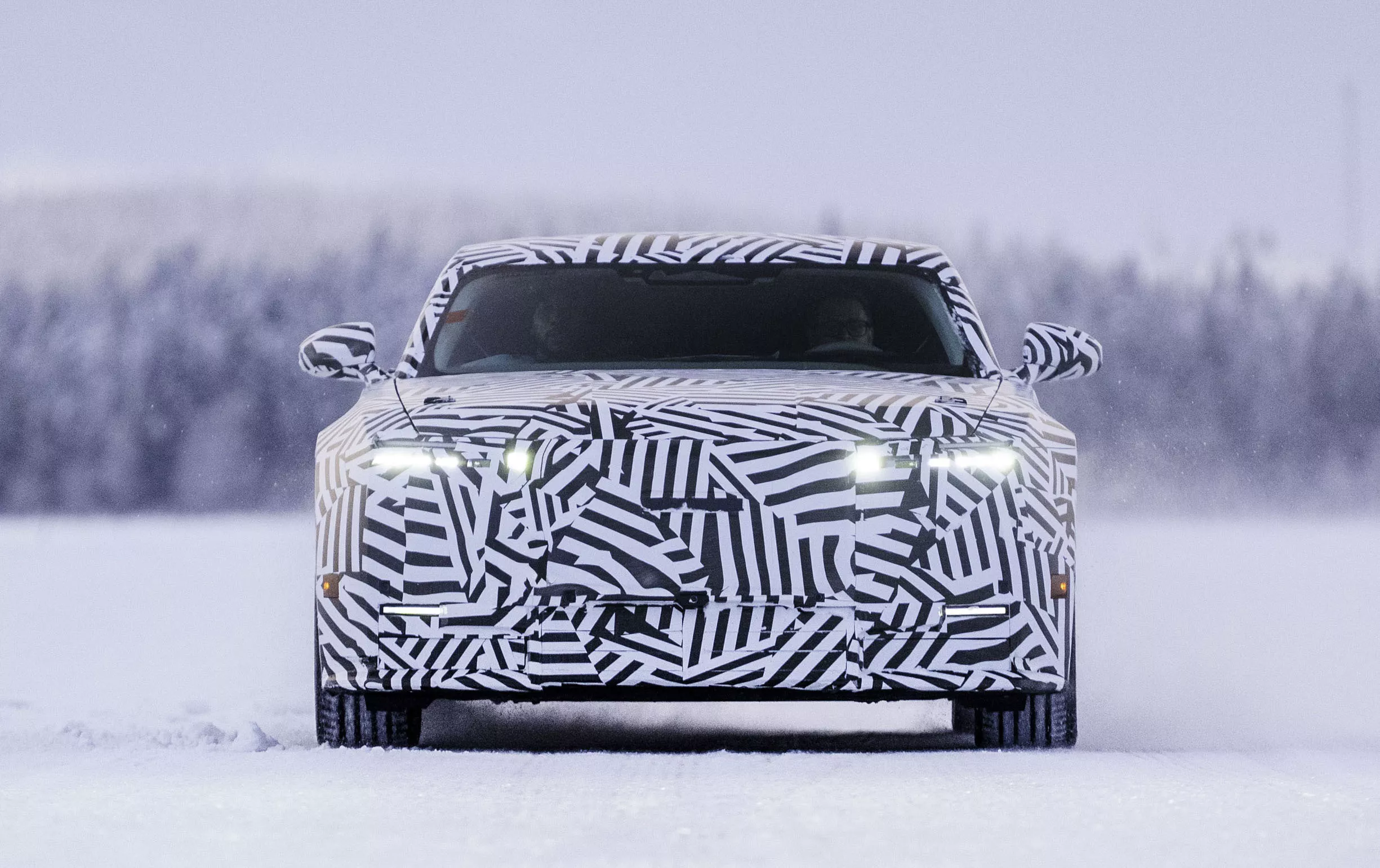
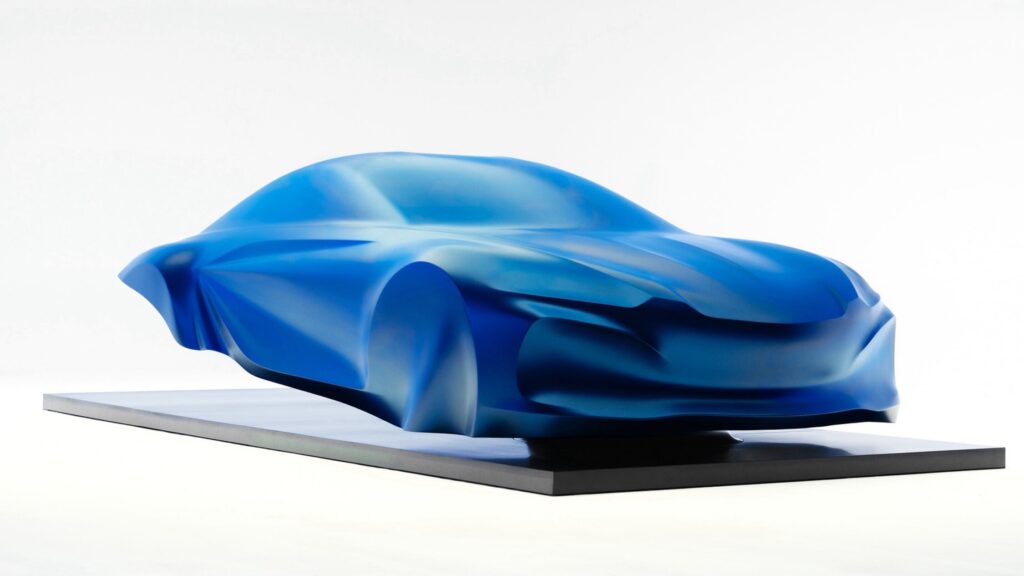
In terms of styling, the new Jag leans heavily on the Type 00 concept, now stretched into a four-door form. It marks a clean break from the past, ditching the brand’s familiar curves in favor of ultra-simple lines and flat, almost architectural surfacing. Even so, the long hood, low stance, oversized alloys, and sleek, aerodynamic roofline still give it the kind of proportions you’d expect from a proper rear-drive sedan.
More: Jaguar Land Rover’s Design Boss Is Out After Two Decades With No Successor Named
The company also confirmed that the GT’s “cosseting cabin” will follow a “shrink around the driver” philosophy, echoing the approach first seen in the XK120.
Electric Underpinnings
The new luxury sedan will ride on Jaguar’s new Electric Architecture. At its core sits a tri-motor powertrain producing more than 986 hp (735 kW / 1,000 PS) and a hefty 1,300 Nm (959 lb-ft) of torque. That kind of output demands more than brute force alone. To keep it all in check, Jaguar has developed its own in-house torque vectoring software, fine-tuning how power is distributed.


The GT will ride on a dynamic air suspension setup with twin-valve active dampers, engineered to keep its rumored 2,700 kg (5,952 lbs) mass in check. That’s no small ask, though it gives a sense of the kind of grand touring brief Jaguar is chasing here.
Power comes from a substantial 120 kWh battery pack, targeting roughly 700 km (435 miles) of WLTP range, or about 400 miles on the EPA cycle. Hook it up to a 350 kW fast charger, and the numbers start to look properly competitive, with 322 km (200 miles) of range added in under 15 minutes.
More: You Can Still Buy A New Gas Jaguar For $22K, But Not Here
Jaguar says it has put the car through its paces in extreme real-world conditions across the globe, alongside extensive digital testing. The company, which infamously halted production of its entire lineup to make room for a clean-sheet reset, hopes everything will be ready for the big launch in September 2026.