- A Porsche Cayenne owner is leading a federal class action against the brand.
- The complaint alleges Porsche has built an illegal monopoly over its own repairs.
- Independent shops can’t access the diagnostic tools needed for basic service jobs.
A dashboard warning light a third-party shop couldn’t switch off has turned into a federal antitrust case. The owner of a Porsche Cayenne is now leading a US class action accusing the German automaker of running an illegal monopoly over the repair of its own cars.
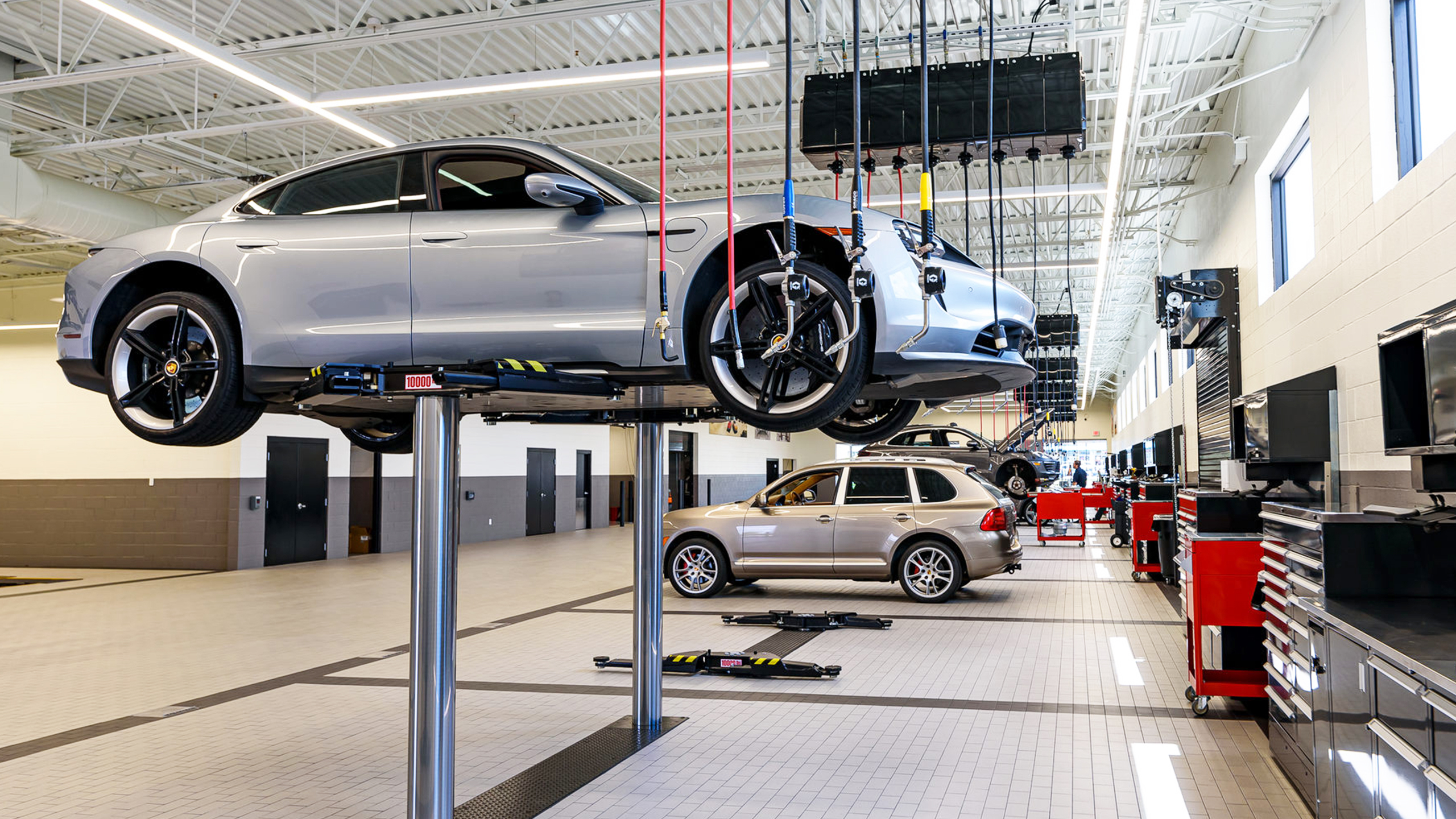
The lawsuit, lodged in the US District Court for the Northern District of Georgia, alleges that Porsche has engineered its electronic control units so that only authorized dealers can interact with them for service, repairs, and routine maintenance.
Read: Porsche Leads Dealer Service Satisfaction As A Surprise Runner Up Looms
As such, this effectively prevents independent automotive mechanics from working on vehicles from the brand, as they cannot access the tools needed for diagnostics, calibration, and coding. This means Porsche holds monopoly power over the repair service market.
That, the suit contends, hands Porsche a captive market for everything from warning-light resets to mechanical repair. Inflated pricing follows the lack of competition, the filing argues, which is where the antitrust claim takes hold. Per Carcomplaints, the class covers vehicles sold by Porsche from January 1, 2021 onward.

The named plaintiff is Fleet Salvage Systems, which owns a Porsche Cayenne. It says the SUV was taken to a mechanic for an oil change and oil filter replacement, but the shop was unable to clear the code and reset the oil indicator. That’s obviously a minor issue, but the class action points to broader industry issues like this, and the plaintiff estimates that thousands of individuals and entities have been impacted by Porsche’s practices.
“Porsche’s dealers are able to maintain a 100% market share and charge supra-competitive prices for all repairs and maintenance on affected vehicles, and Porsche itself reaps additional profits through parts sales,” the complaint reads.
It’s not uncommon for high-end car manufacturers to lock down important diagnostic software, often forcing independent mechanics to pay for expensive tools to read the data or for the software needed to access critical ECU information.