- The change may be enough to convince Nissan to keep building cars in the UK.
- The British car industry has been struggling since the country left the EU.
- ‘Made in EU’ regulations include tax benefits for company cars and corporate fleets.
Hoping to shield the European car industry from the threat of new Chinese brands, the bloc will reportedly fold vehicles built in the UK, Japan, and South Korea into its ‘Buy European’ rules. It’s a dramatic shift, and a tacit admission that the EU can’t take on China without some outside help.
The ‘Buy European’ effort, branded ‘Made in EU’ inside the bloc’s Industrial Accelerator Act, says state aid can only flow to vehicles built in the region. The original plan reserved that benefit for European automakers alone. Now the provisions could stretch to cover so-called ‘Trusted Partners’ including the UK, Japan, and South Korea.
Read: The UK Gave Nissan $16 Million For An EV Parts Factory That Won’t Build EV Parts After All
Much of the Made in EU framework centers on company cars and corporate fleets, which makes sense when roughly 60 percent of newly registered vehicles in the region are bought by businesses. Under these laws, eligible vehicles will qualify for tax benefits, including the company car tax break.
The potential change is obviously great news for automakers in the UK, Japan, and South Korea, giving them a crucial way to fight off the Chinese and its policy of overcapacity. It could also prove to be an important lifeline for the British car manufacturing industry, which has been on shaky ground for most of the past decade since Brexit.
Saving The UK?
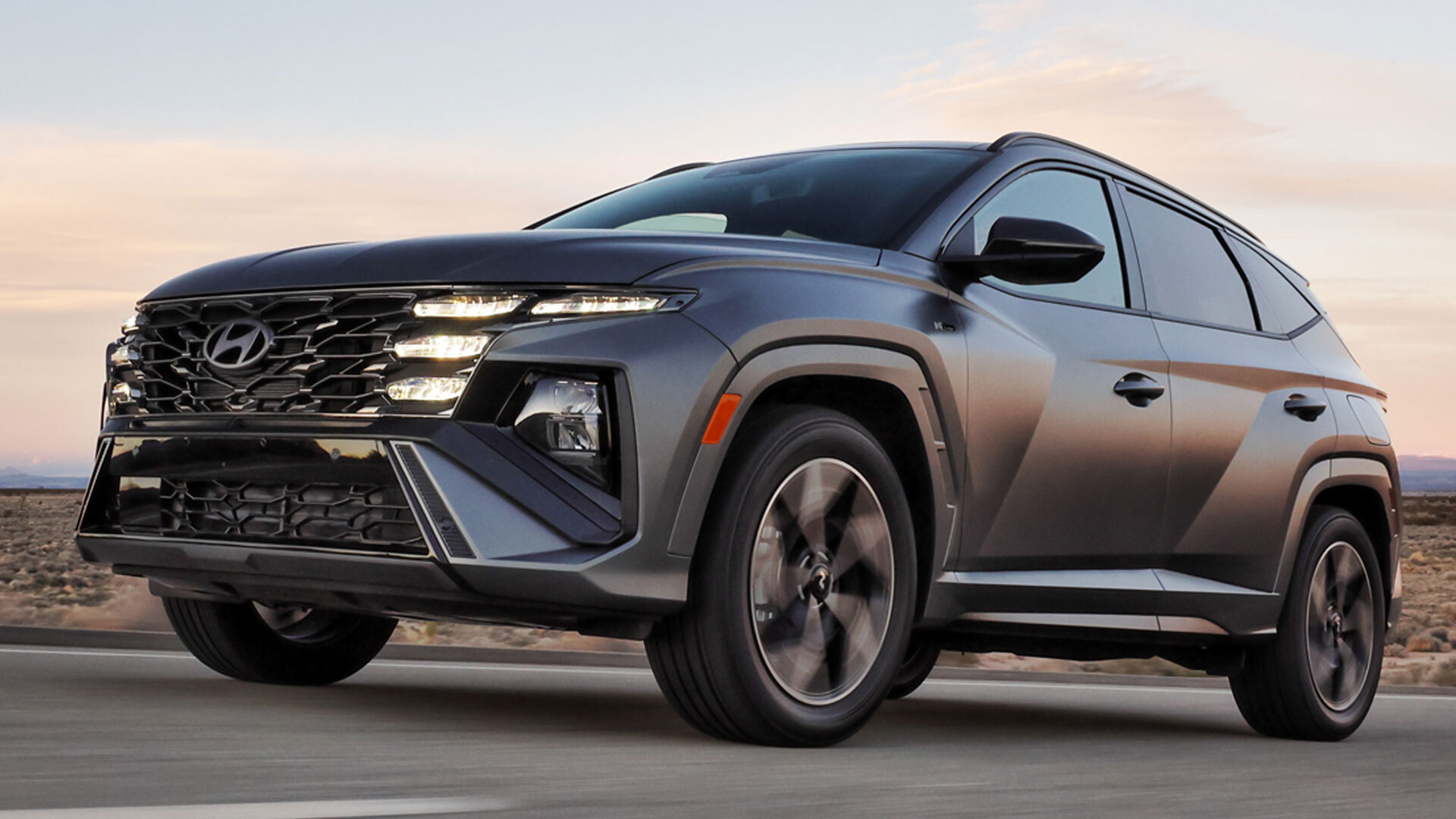
Nissan recently warned UK Prime Minister Keir Starmer that it would have to close its Sunderland factory due to the Buy European push. The inclusion of partner countries in these efforts could be enough to convince Nissan to stick around in the UK.
Handelsblatt reports that major car manufacturers convinced European Commission president Ursula von der Leyen that it was in the EU’s best interest not to jeopardize the integrated supply chains that exist among the four regions. A strict Made in EU push would, of course, also have impacted European brands that use overseas suppliers.