


- Subaru is recalling more than 541,000 SUVs over bad labels.
- The problem is a printed weight rating, not the vehicle itself.
- Owners can fix it with a mailed overlay sticker themselves.
Subaru just issued a recall for over 540,000 cars over misprinted stickers. Perhaps even weirder is that the fix is something it’s partially relying on owners to complete themselves. On the plus side, there’s little chance of a major accident in this safety-related recall. That is, unless owners unwittingly load their vehicle down to the rating on the misprinted label in question.
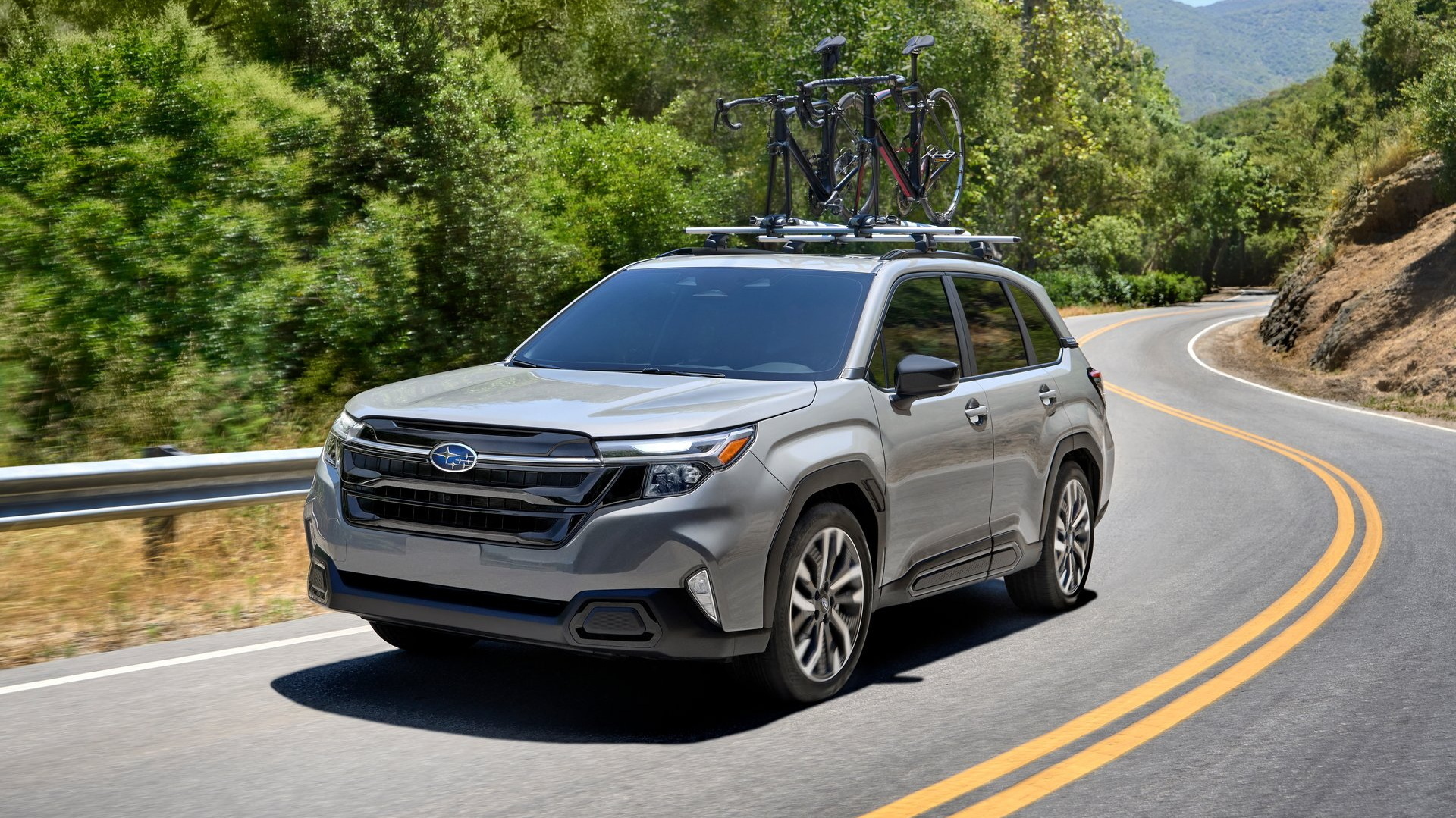
The recall affects 2019-2026 Ascent models, 2025-2026 Foresters, 2025-2026 Forester Hybrids, and the 2026 Crosstrek Hybrid. In total, 541,237 vehicles are covered after Subaru discovered that their federally required certification labels list an incorrect Gross Axle Weight Rating (GAWR), putting them out of compliance with Federal Motor Vehicle Safety Standard 110.
Read: Rivian Recalls 127 R1s Over Missing Stickers
Importantly, there’s nothing mechanically wrong with the vehicles themselves. The problem is that the incorrect rear axle weight rating could mislead owners into carrying more cargo or passengers than the axle is actually rated to handle, increasing the risk of a crash. Subaru says it isn’t aware of any crashes, injuries, warranty claims, or technical reports related to the issue.
Subaru hasn’t disclosed what the incorrect rear axle weight rating actually says, or what the corrected figure will be. As a result, it’s impossible to tell from the recall filing whether the discrepancy is a few pounds or substantially more. Interestingly, it was actually the NHTSA that brought the issue to light.
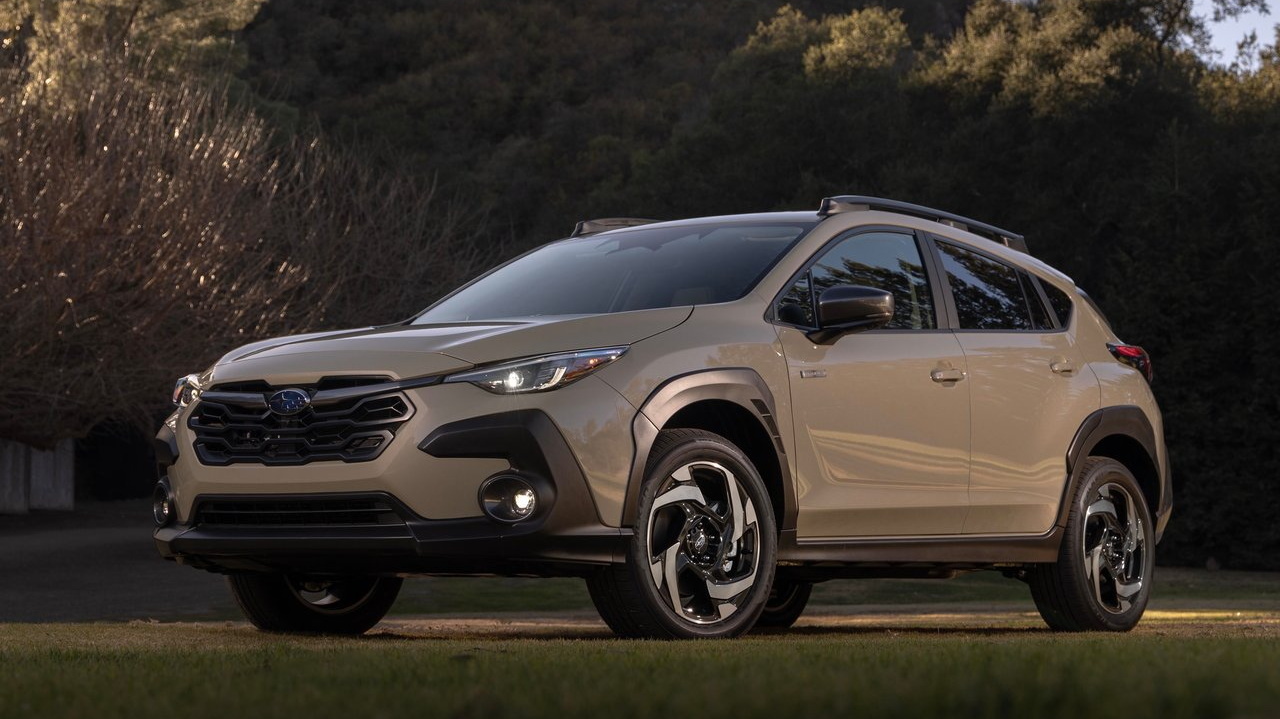
In its recall documents, Subaru says the administration raised concerns about the rating in May. Then, it went ahead and reviewed the calculated GAWR values for its vehicles dating back to the 2003 model year. Once it completed that review, it decided to issue this recall.
Rather than recalling every affected vehicle to a dealership, Subaru plans to mail owners a corrected certification overlay label along with instructions explaining how to apply it over the existing sticker. Anyone uncomfortable doing that can still have the label installed by a dealer at no charge. It’s about as low-tech a recall remedy as you’ll ever see, but it makes sense given that the sticker, not the vehicle, is the problem.