


- Zoox is recalling all 105 robotaxis over a smoke detection flaw.
- All affected cars ran software installed between April and July 2026.
- One unoccupied vehicle entered an active fire scene back in June.
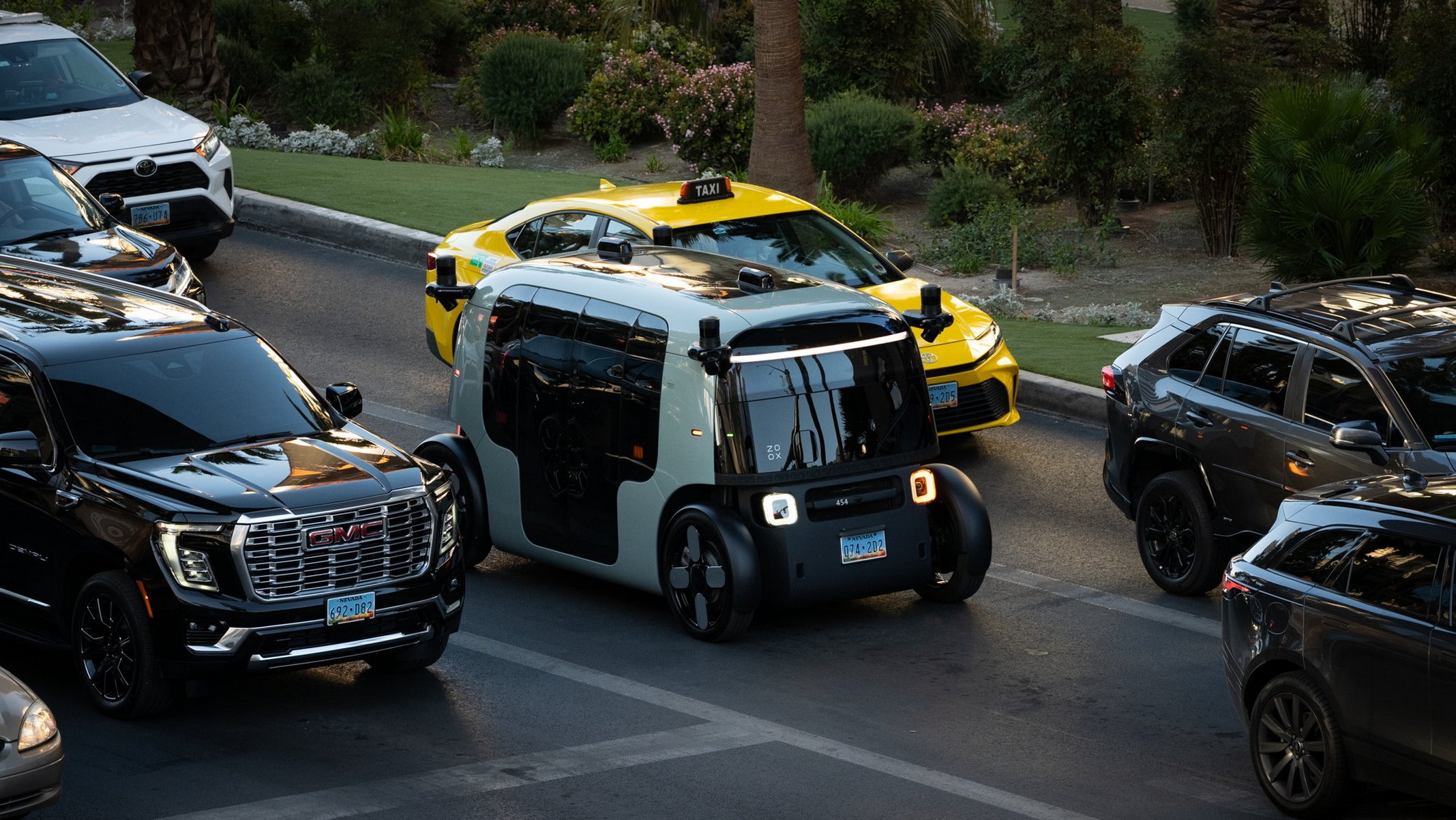
Amazon-owned Zoox is recalling every one of its 105 autonomous robotaxis. Thankfully, it isn’t over a bad crash or AI becoming sentient. Instead, it turns out that its self-driving software may fail to properly detect heavy smoke around emergency scenes. While only a single incident prompted the action, it lands just days after federal regulators warned autonomous vehicle developers they need to do a far better job recognizing and responding to emergency situations.
According to documents filed with the NHTSA, the issue affects all Zoox robotaxis operating with software installed between April 23 and July 15, 2026. The company says reduced visibility caused by heavy smoke could increase the risk of a crash or interfere with first responders. Clearly, this is a safety concern, and Zoox can’t risk it happening again.
Read: Waymo’s Self-Driving Brain Can’t Spot A Closed Freeway
The recall stems from an incident on June 20 involving an unoccupied Zoox vehicle. According to Zoox, the robotaxi encountered thick smoke that obscured an active fire scene that had not yet been blocked off with traffic cones. The vehicle entered the area before braking hard while attempting to steer away.
Under guidance from a remote operator, it reversed out of the scene, after which firefighters closed off two of the three lanes with cones. Zoox says no injuries occurred, and its internal investigation found no similar events. That’s good news in terms of the outcome, but it’s easy to see how things could’ve gone much worse.
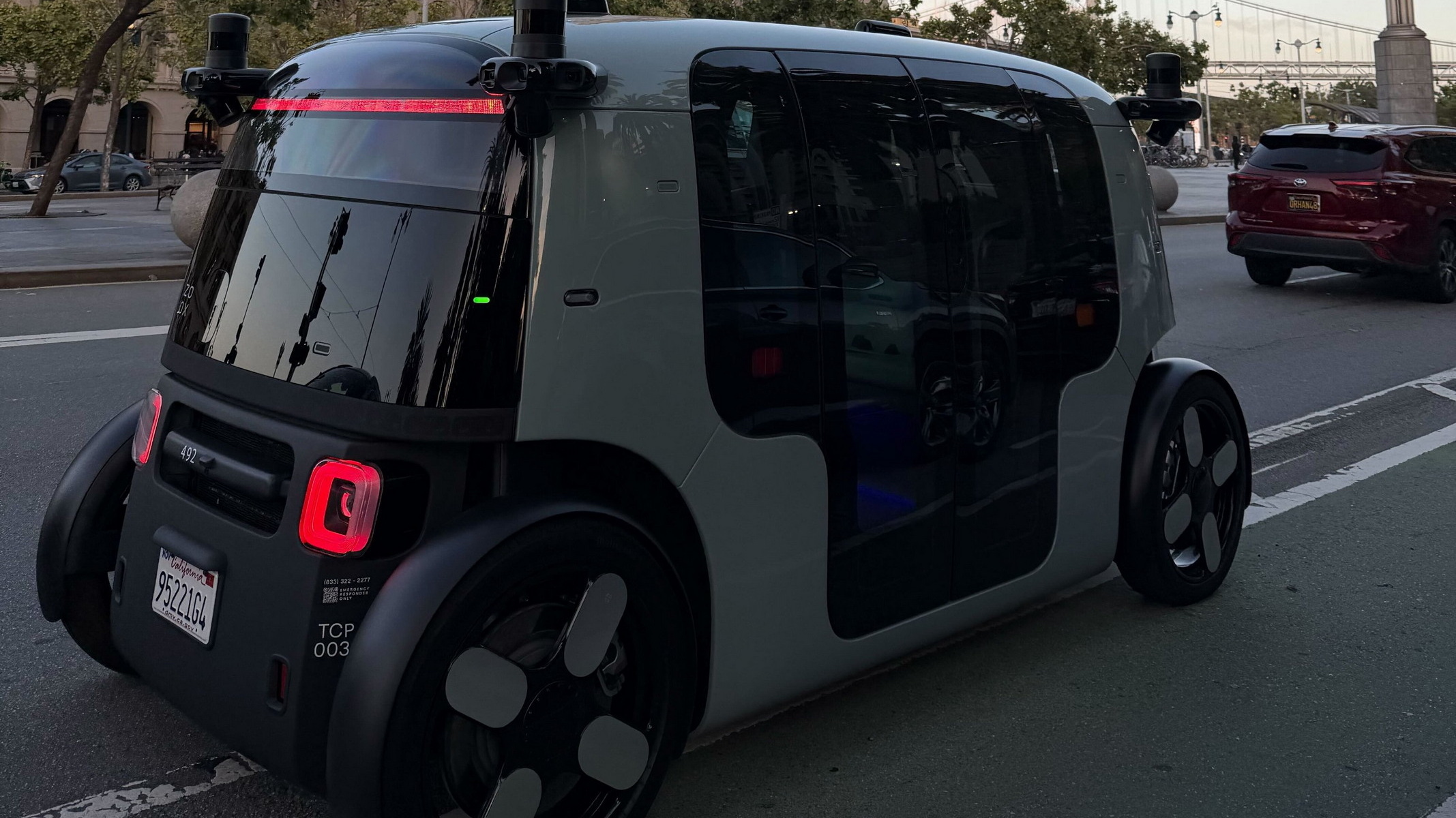
Rather than replacing hardware, Zoox has deployed a software update designed to improve the system’s ability to recognize and respond to heavy smoke, including smoke from electric vehicle fires.
The company says it also introduced interim operational measures to reduce the likelihood that its vehicles would enter active fire scenes before the software update was completed. The updated software was rolled out across the fleet on July 15 so riders can rest assured that this sort of thing won’t, or at least shouldn’t, happen to them.
Just last week, NHTSA’s chief counsel, Jonathan Morrison, sent letters to autonomous vehicle developers highlighting what he described as a “clear pattern” of driverless vehicles interfering with emergency responders. The agency cited incidents involving robotaxis blocking ambulances and firefighters or failing to recognize flashing lights, flares, smoke, fire, and traffic cones. Zoox now has more experience with that situation than it would probably like.