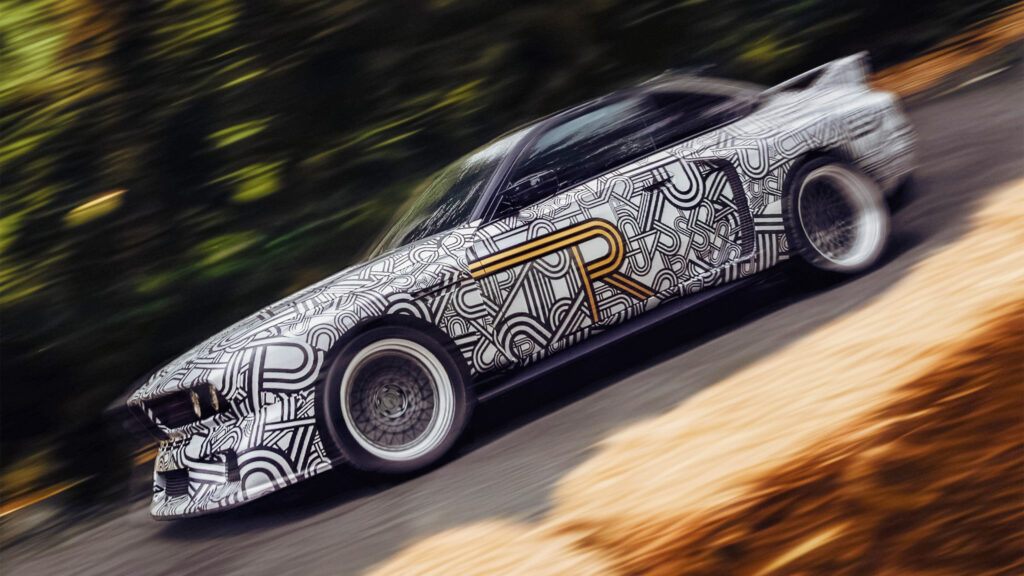
- Aston Martin will produce just 150 examples of the aggressive, customizable Valen.
- Revised shifting helps the Valen hit 60 mph in 3 seconds and a 214 mph top speed.
- The liberal use of carbon, aluminum, magnesium, and titanium helps to save weight.
Aston Martin has been building limited-run specials for decades, and the Valen sits at the far end of that lineage. It broke cover during Monterey Car Week with a record attached to it: the most powerful front-engined car the British marque has ever put together.
Read: One Of Aston’s Five New American Specials Wears A Color From A 1958 Sales Brochure
The engine is the 5.2-liter twin-turbocharged V12 Aston has leaned on for years, now tuned up to 838 hp and 738 lb-ft (1,000 Nm) of torque. Admittedly, that isn’t much more than the regular Vanquish with its 824 hp and identical torque figure. It is, however, the margin that puts the Valen at the top of the front-engined production car pile, and Aston will gladly take the record.



Coupled to the V12 is the familiar ZF eight-speed automatic transmission, now with new shifter strategies developed from the Aston Martin Vantage GT4 race program for sharper shifts to cut the 0-60 mph (96 km/h) time to 3 seconds. The top speed sits at an impressive 214 mph (344 km/h). For those seeking the ultimate driving thrills, the car also offers Sport, Sport+, and Track driving modes, which adjust the throttle mapping.
While it could be easy to label the Valen as not much more than a Vanquish in cosplay, Aston Martin has worked hard to cut out unnecessary weight, so much so that the Valen is lighter by 110 kg (242 lbs). The weight savings come thanks to more carbon fiber, aluminum, titanium, and magnesium. Those seeking an even lighter and more engaging experience can opt for a special lightweight pack which adds machined-aluminum suspension arms, knuckles, and new titanium chassis bolts, cutting a further 16.9 kg (37 kg).
What Else Is Special?
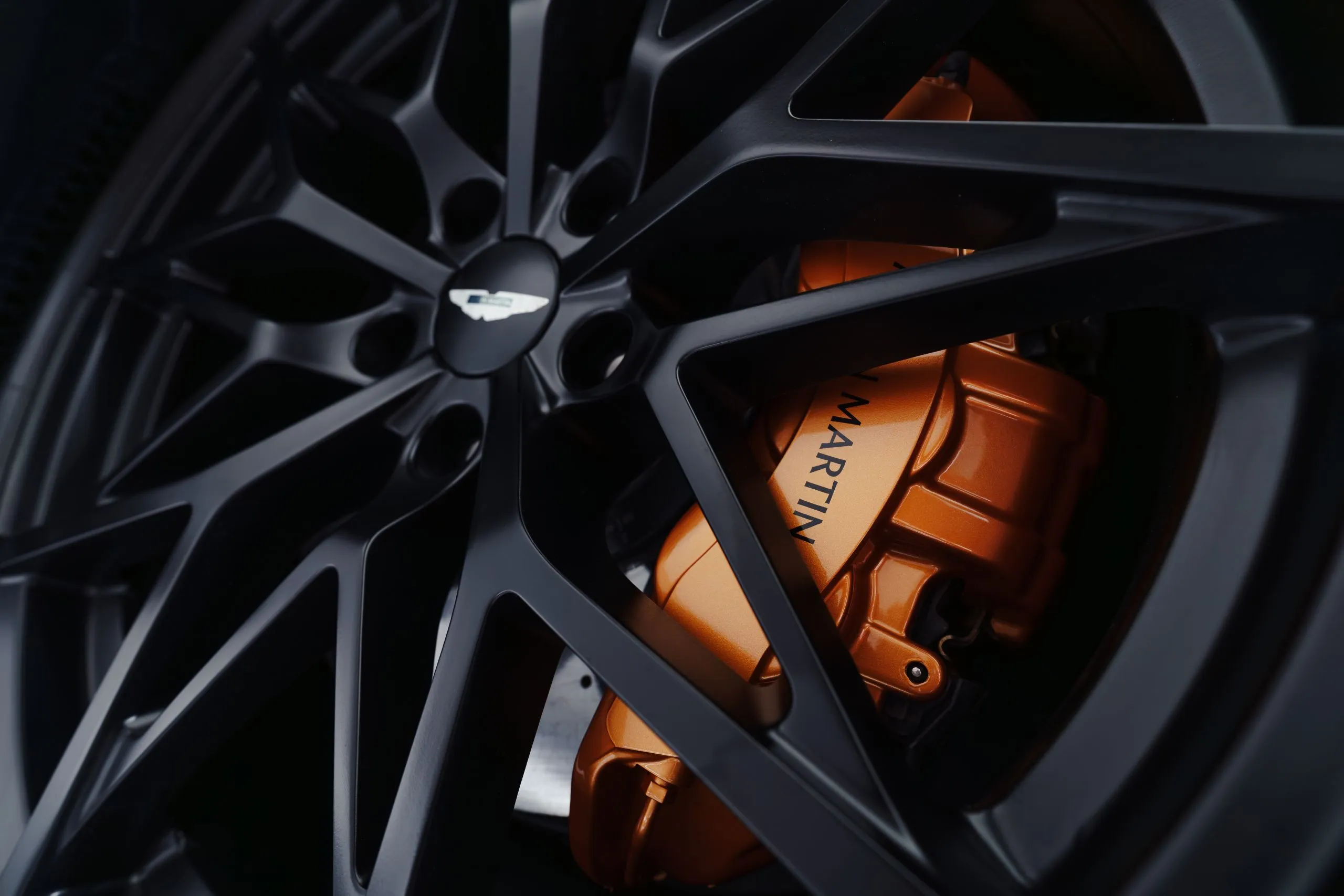
As standard, all Valen models will include magnesium 21-inch front and rear aluminum wheels clad in Pirelli P Zero R tires. Other key features include Bilstein DTX semi-active dampers and bespoke springs. Adjustments have also been made to the brake feel, ensuring the huge carbon ceramics offer plenty of feel.
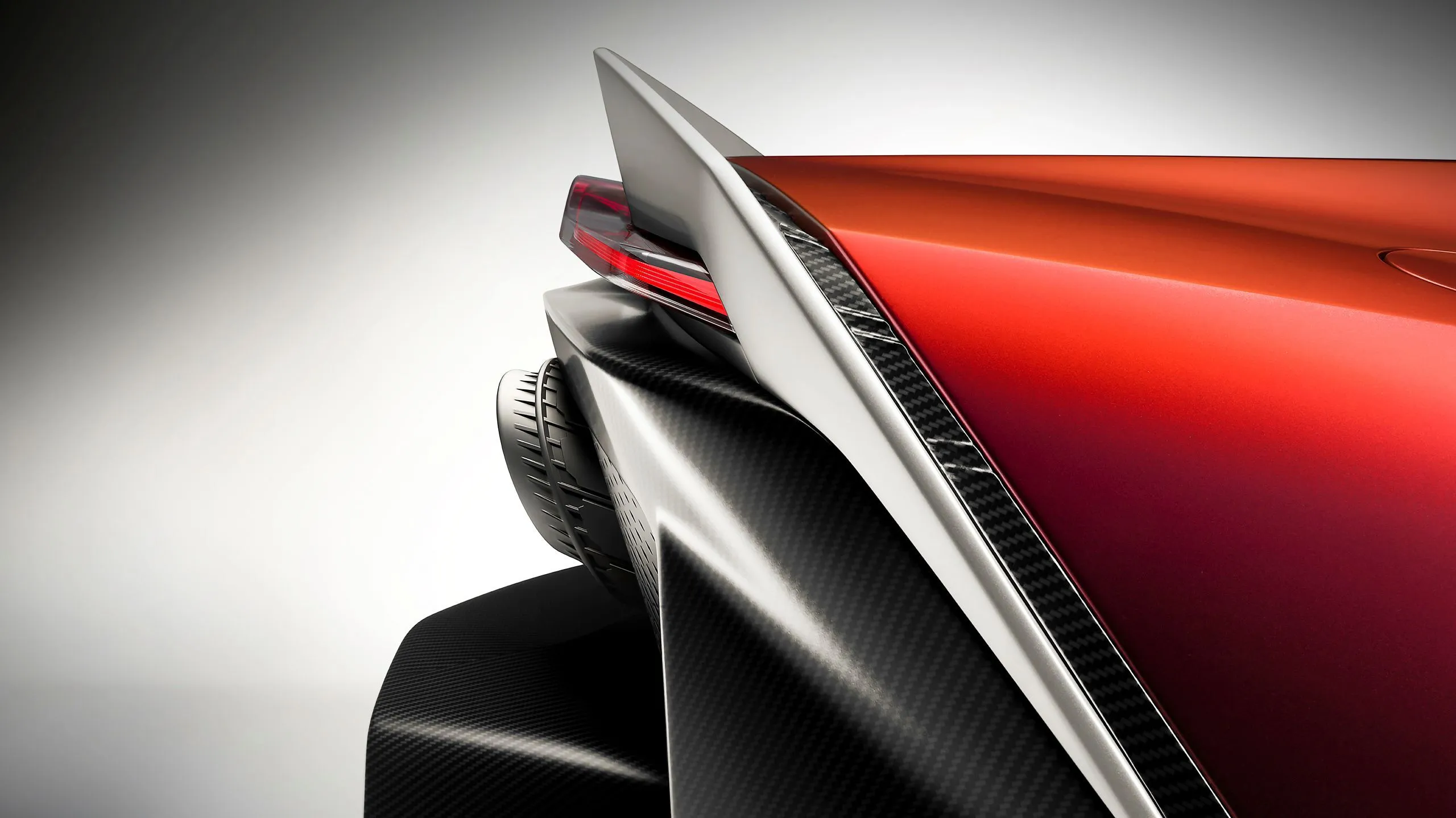
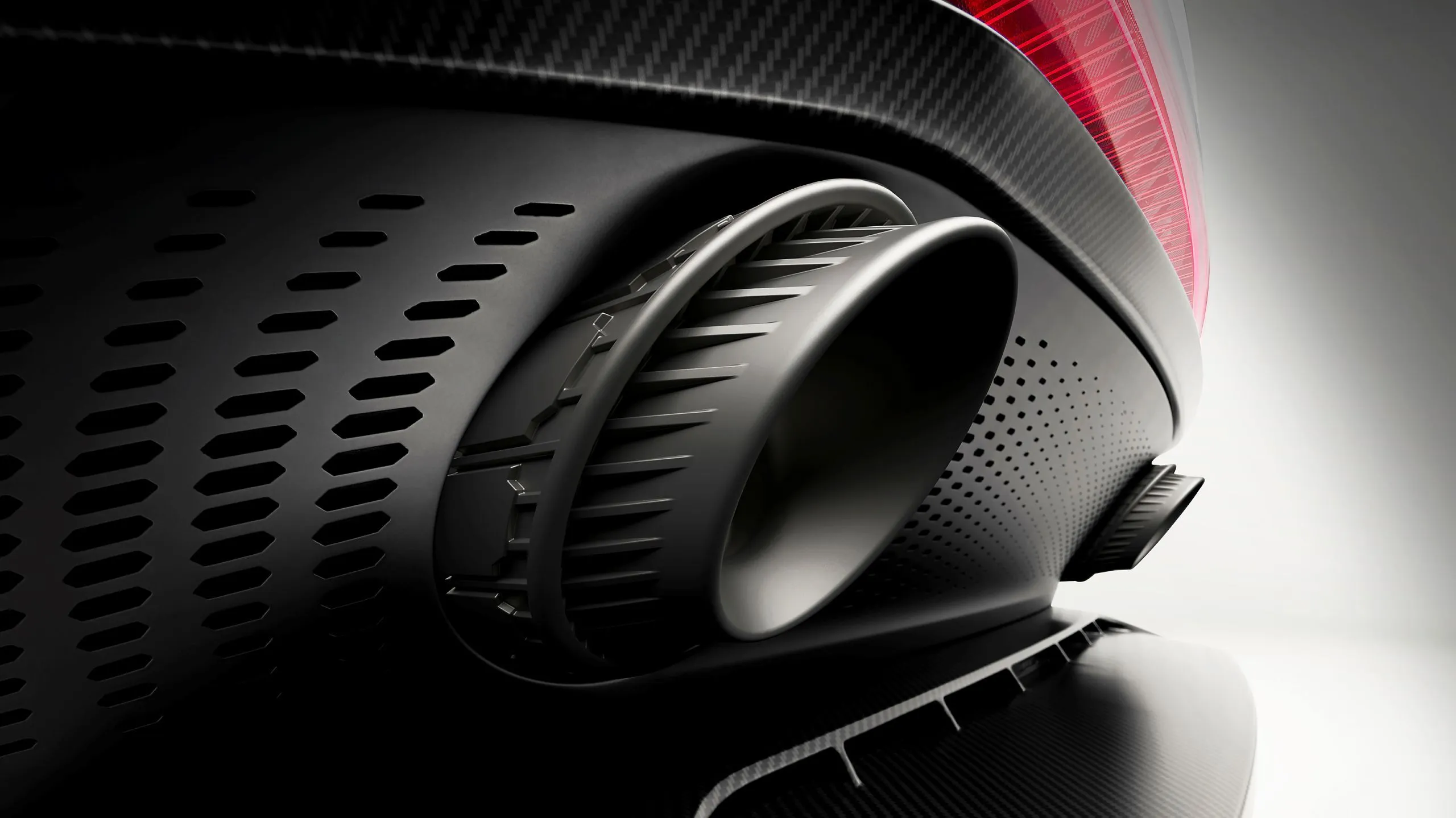
Working alongside the tweaked V12 is a new lightweight titanium exhaust system that’s said to improve the soundtrack while still fulfilling all the boring homologation regulations. The tailpipes are 3D-printed from titanium, underlining Aston Martin’s lightweighting focus with this car.
The Most Aggressive Aston In The Lineup
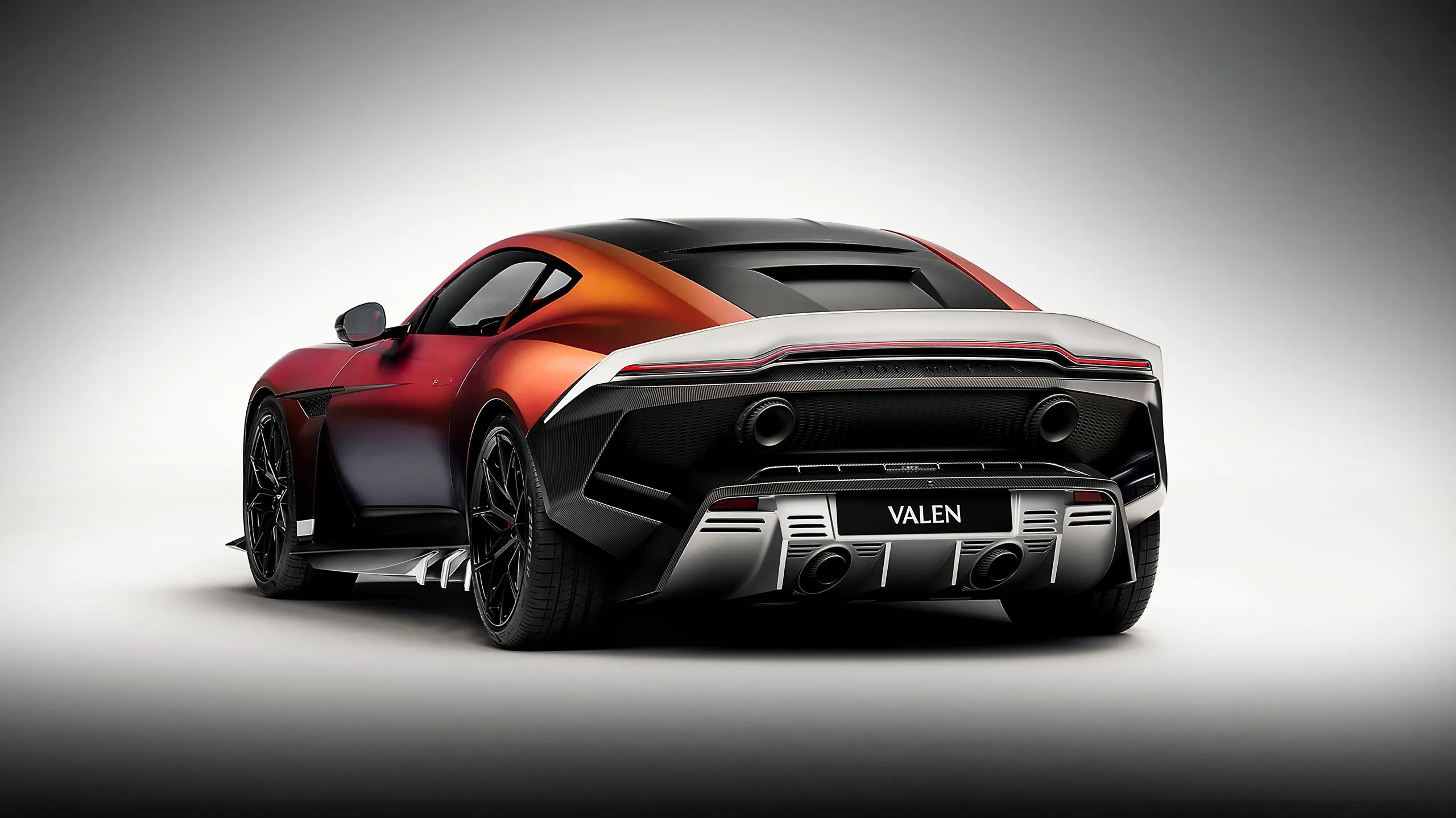
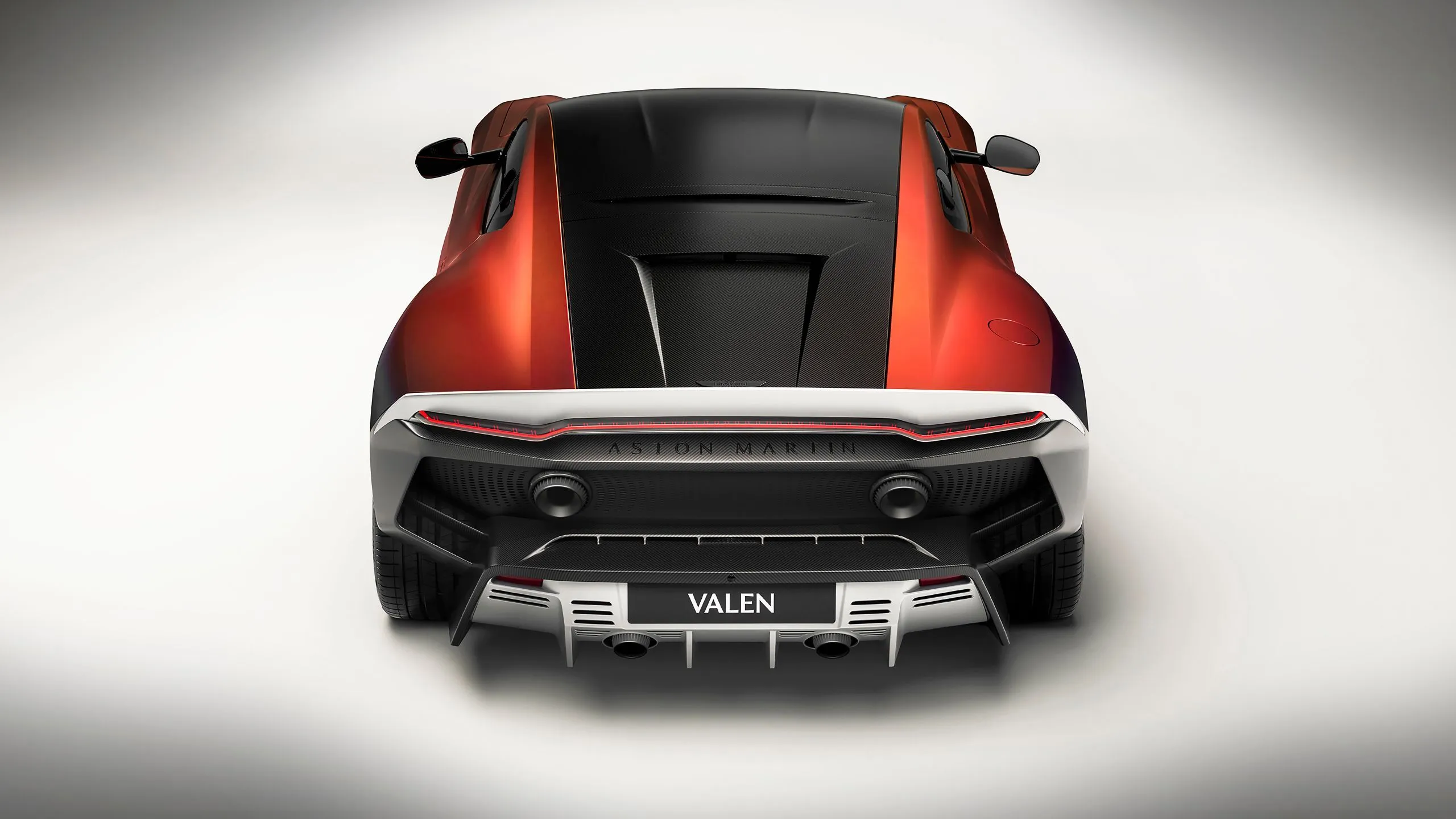
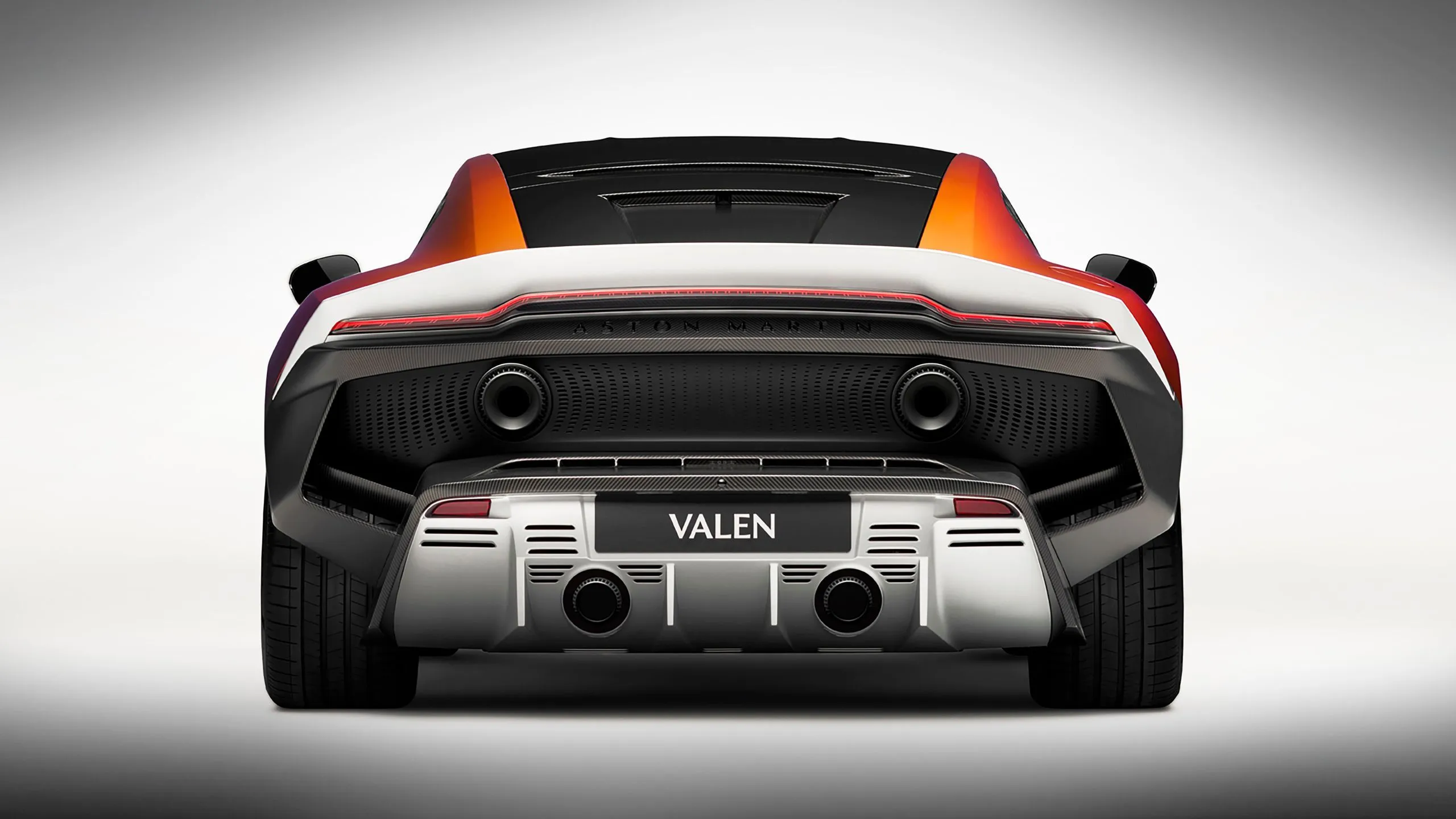
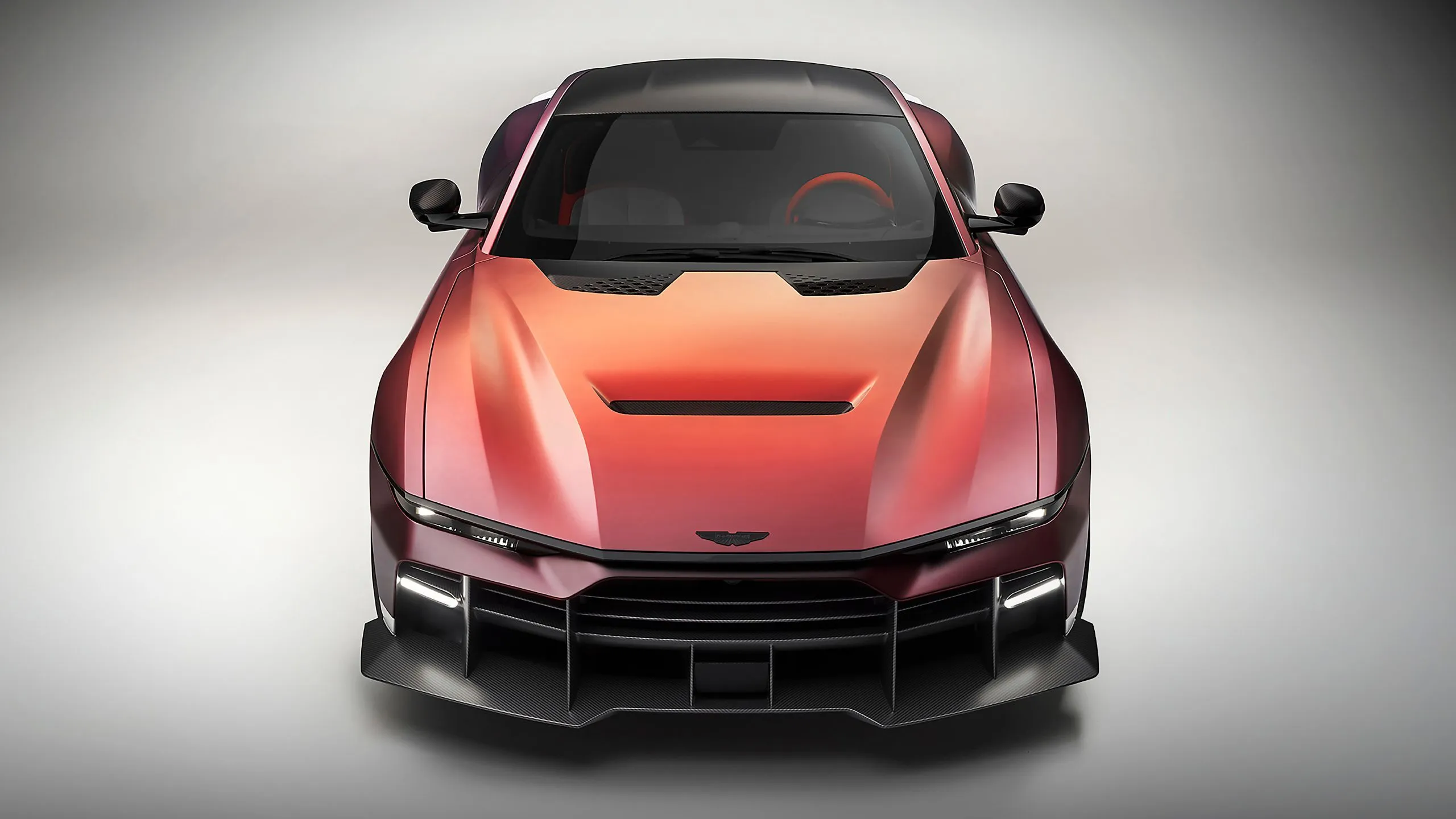
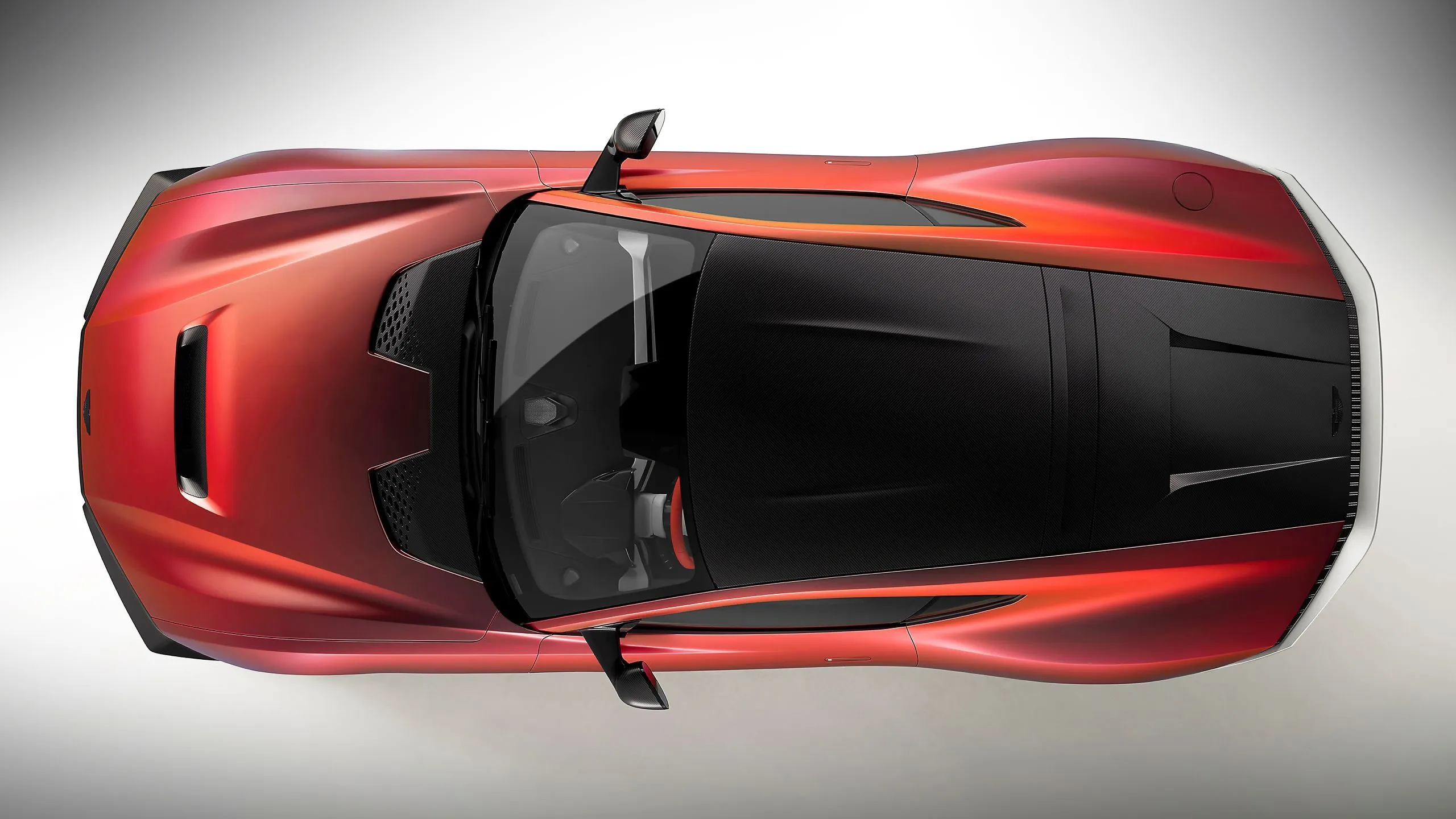
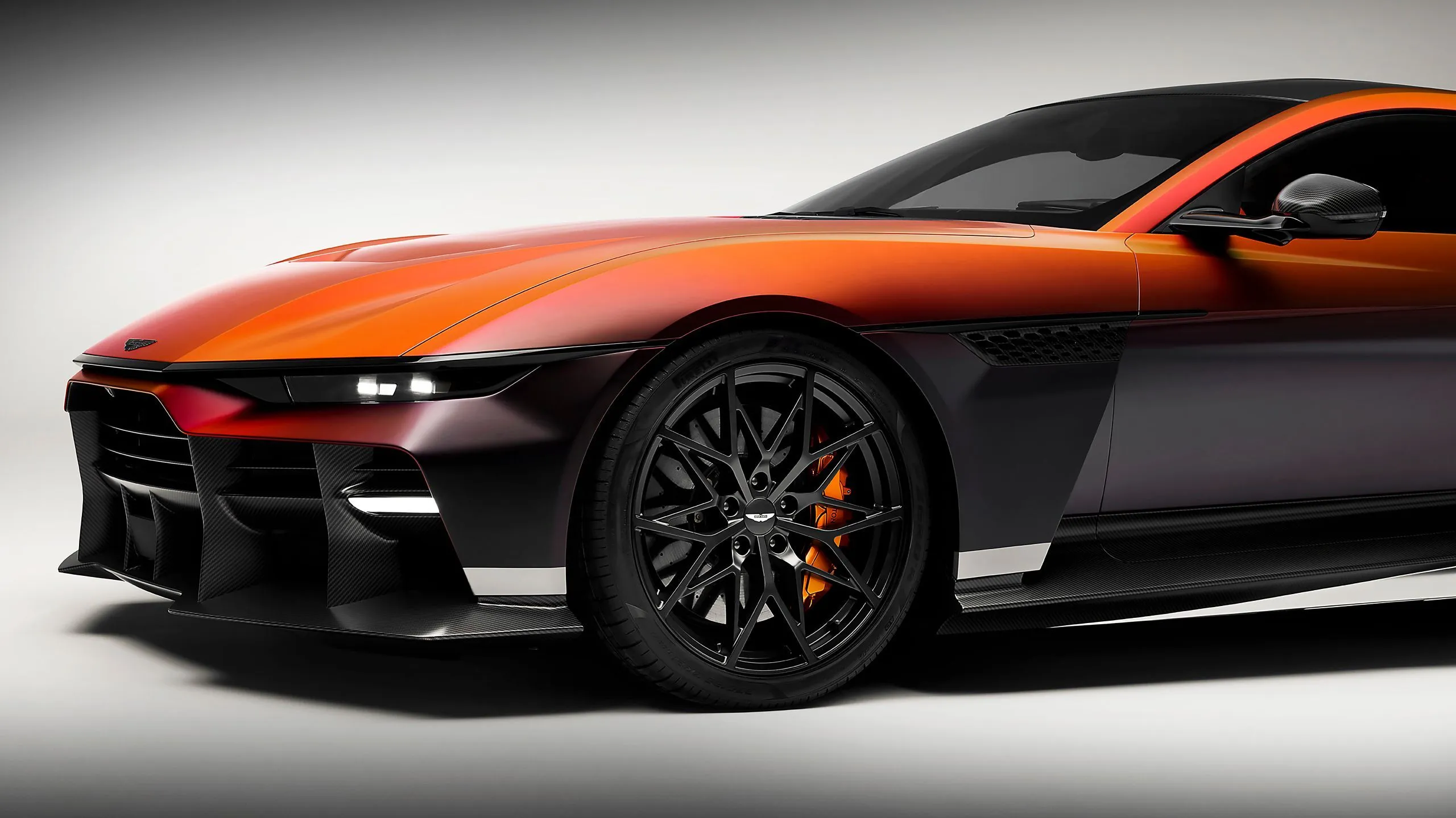
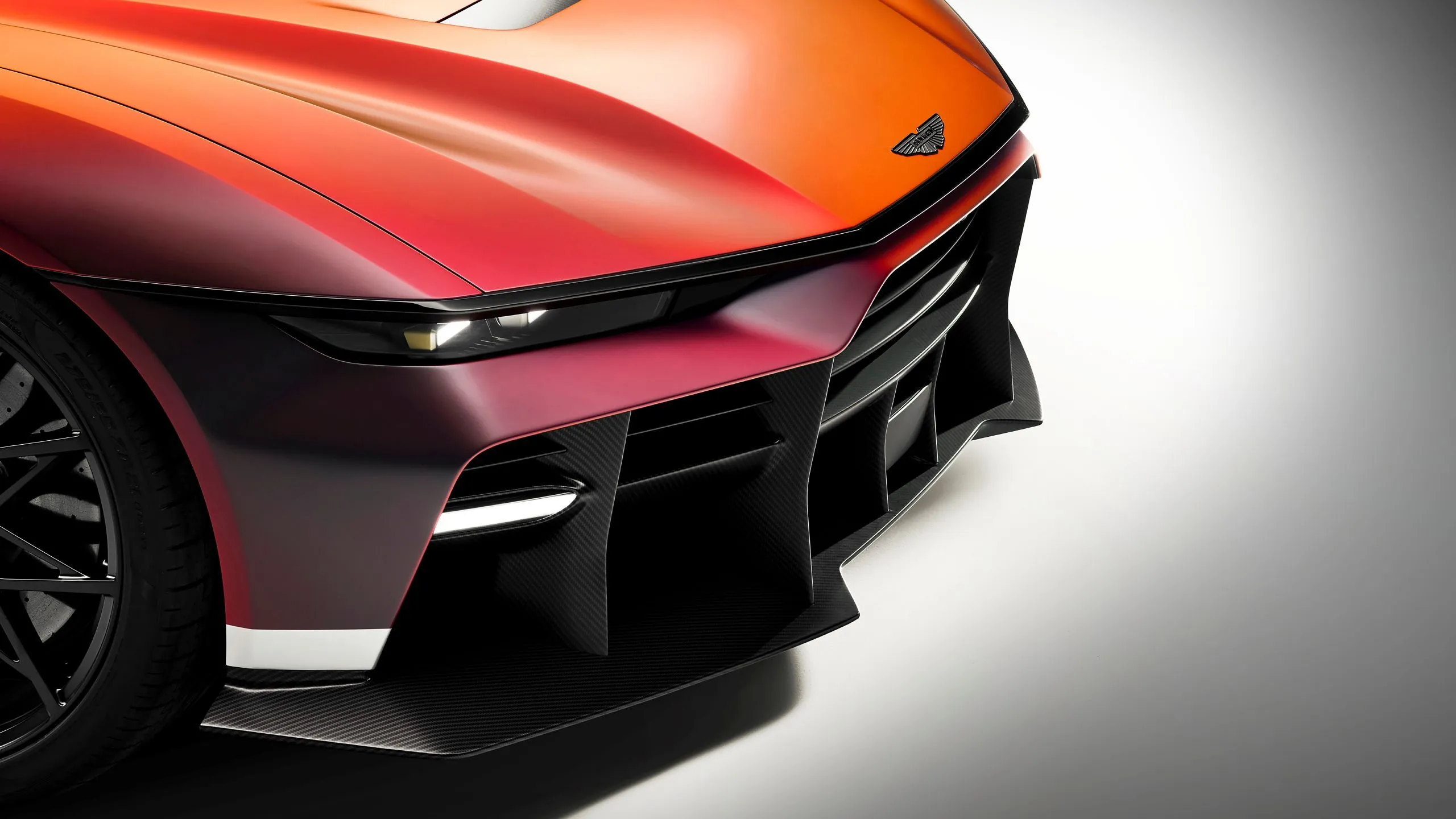
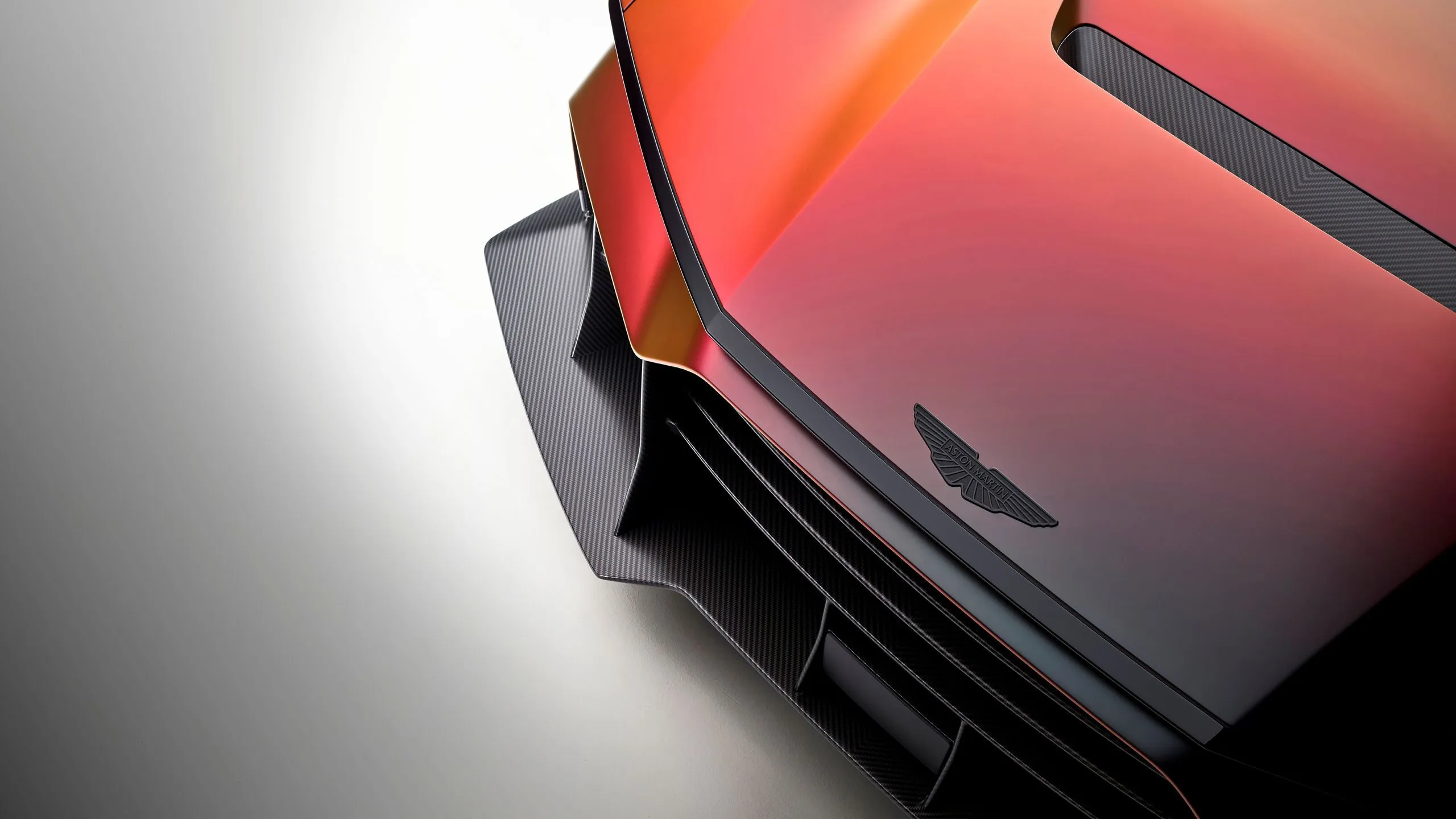
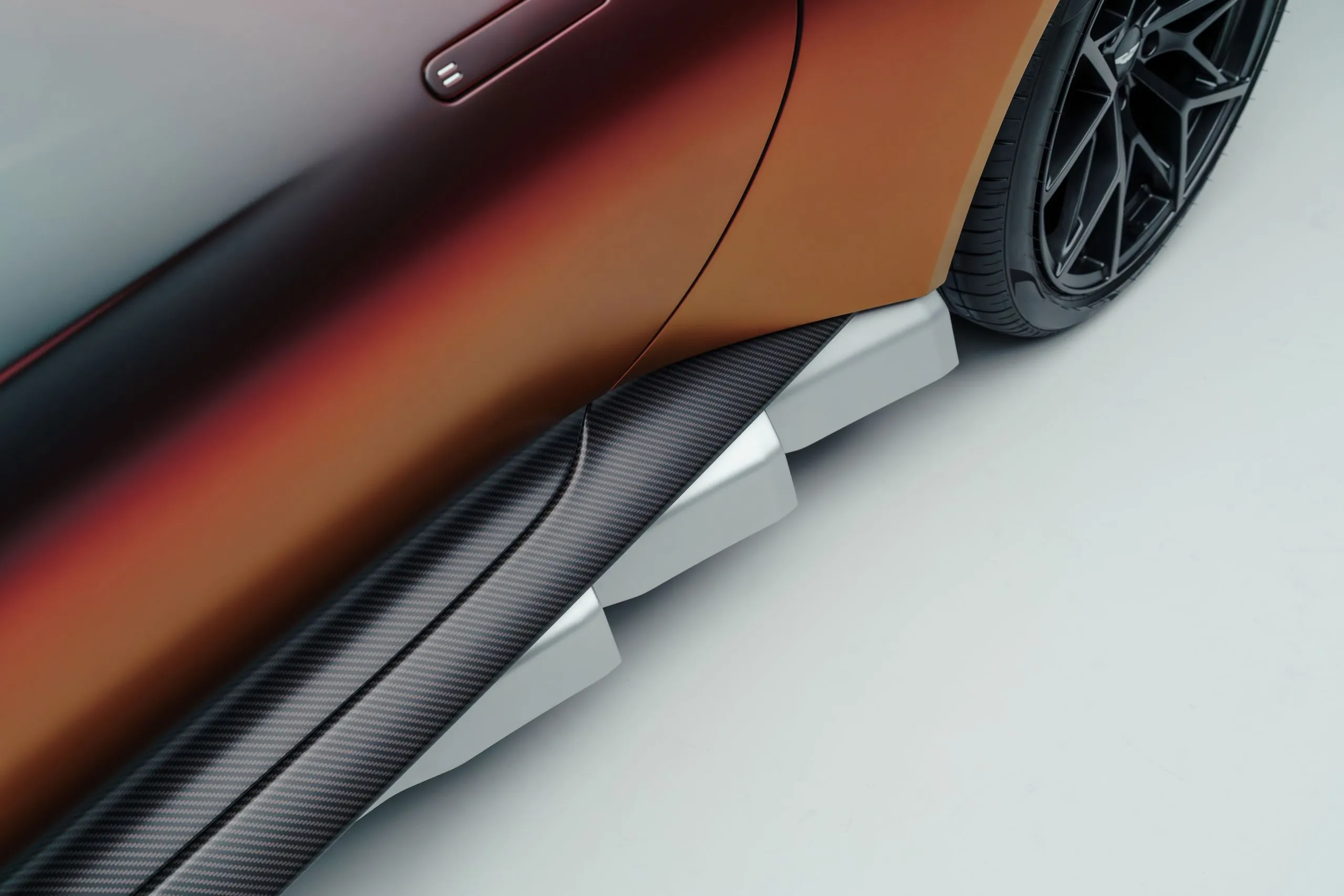
Visually, there’s no mistaking the Valen from any other Aston Martin. It’s certainly the most aggressive model in the brand’s current line-up, rocking a ferocious-looking front end with a sharp carbon fiber bumper and splitter combo. The wild design theme continues along the sides with aggressive fins that have a hint of Formula 1.
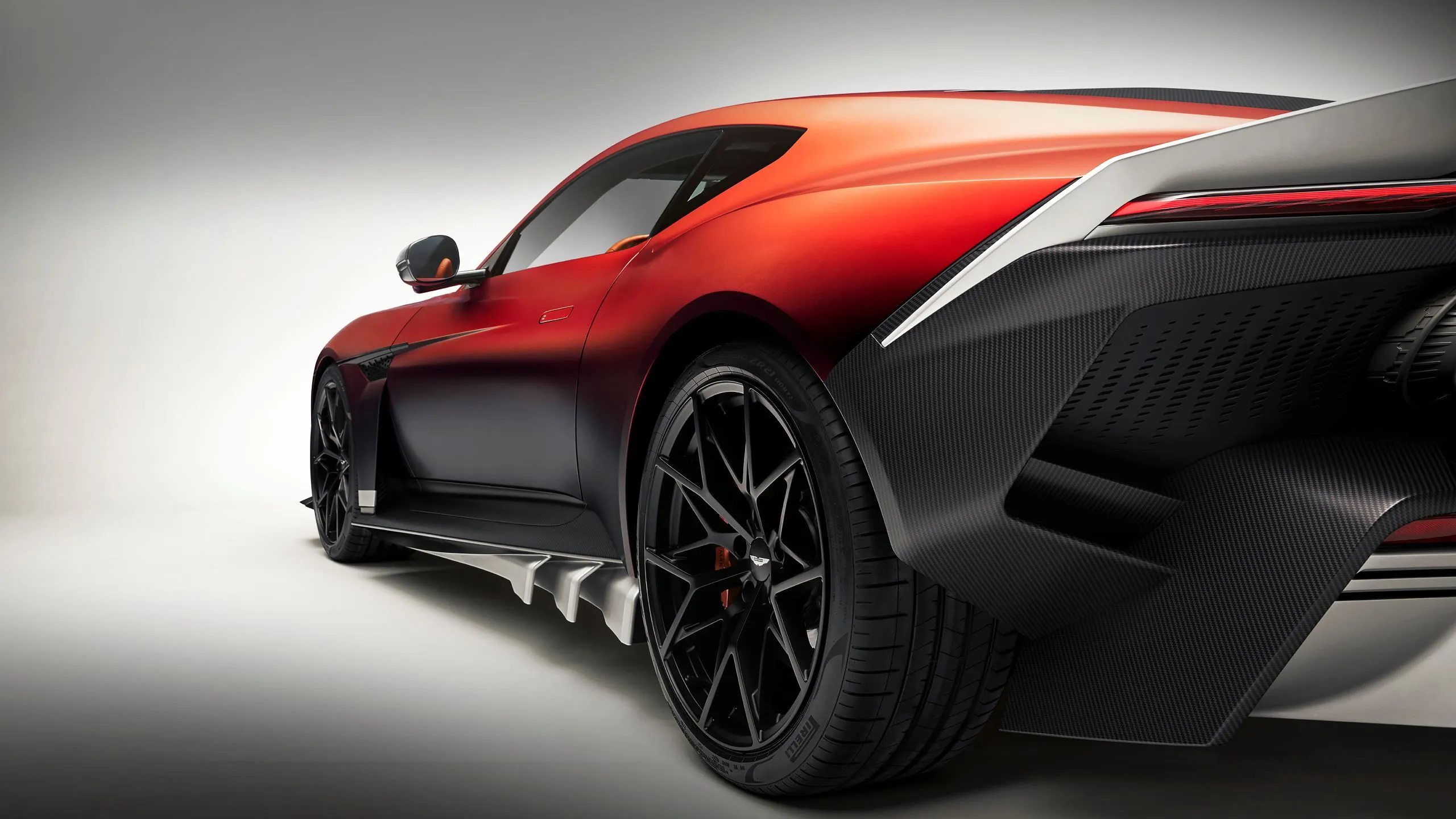
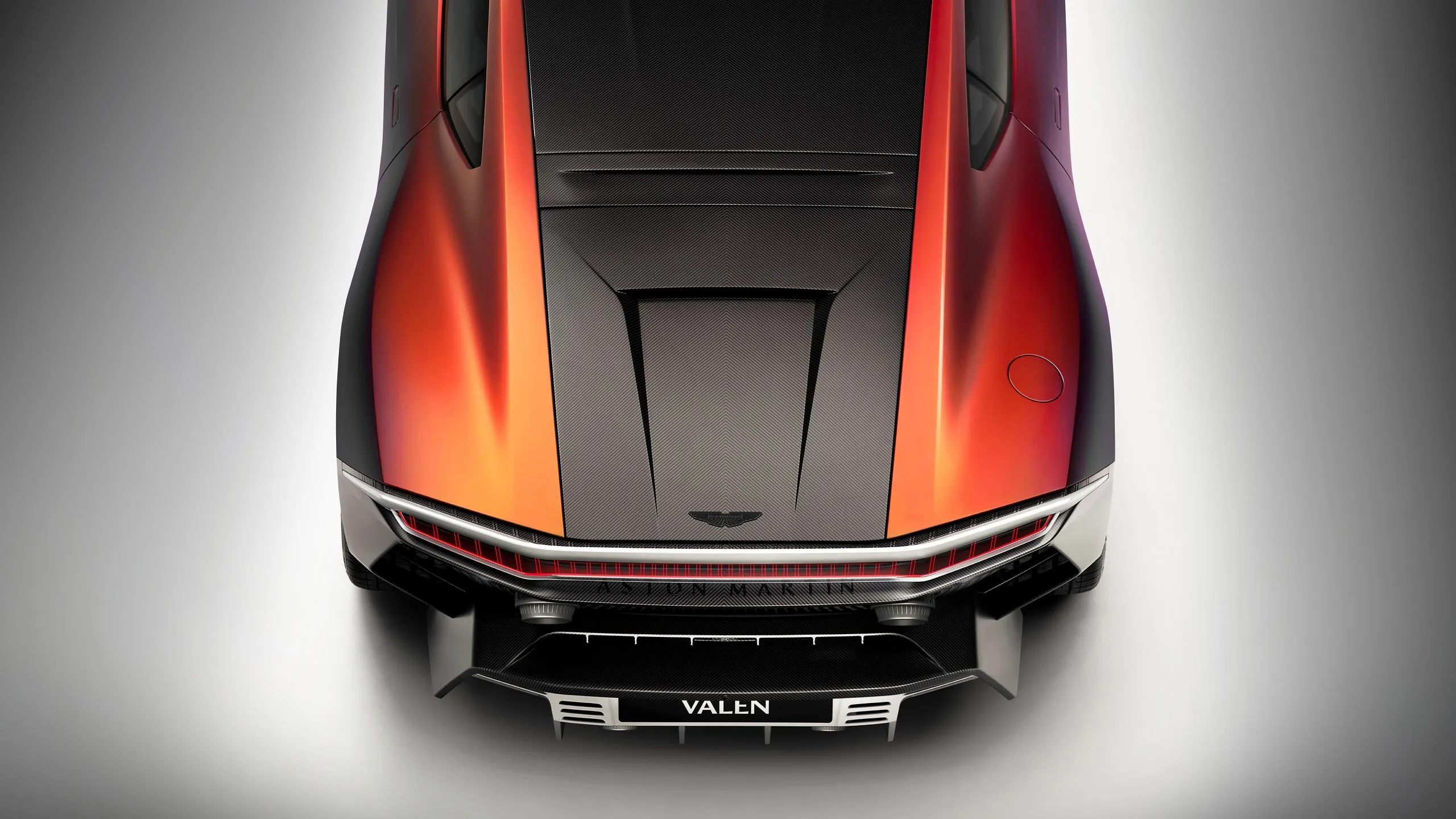
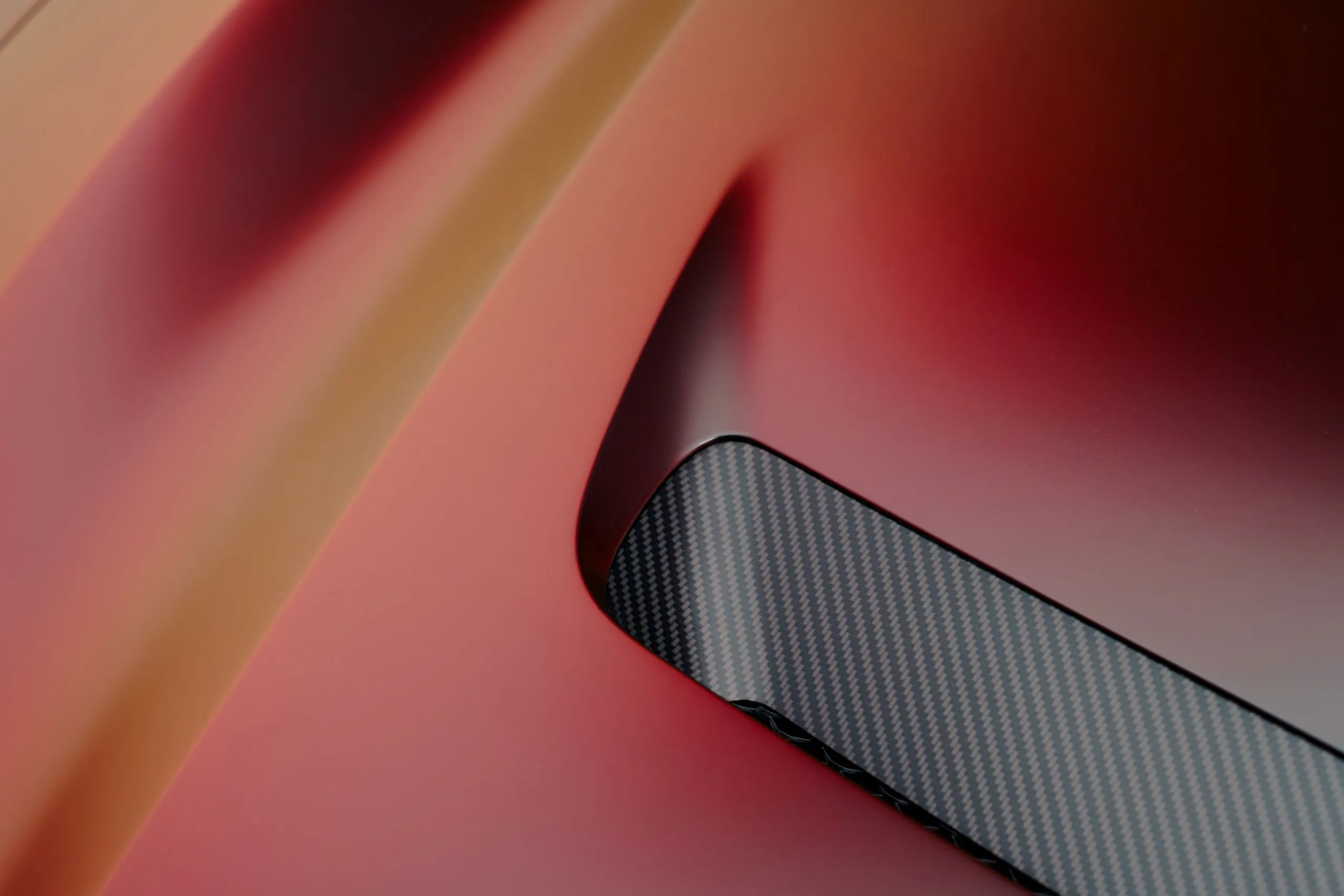
Complementing the wild front is a rear that is equally as dramatic, including a large fixed rear lip spoiler, diffuser, and LED light bar. This initial show car, painted in Satin Andromeda Red, is probably among the most eye-catching specifications that will be produced, and we suspect many owners will opt for slightly more restrained looks.
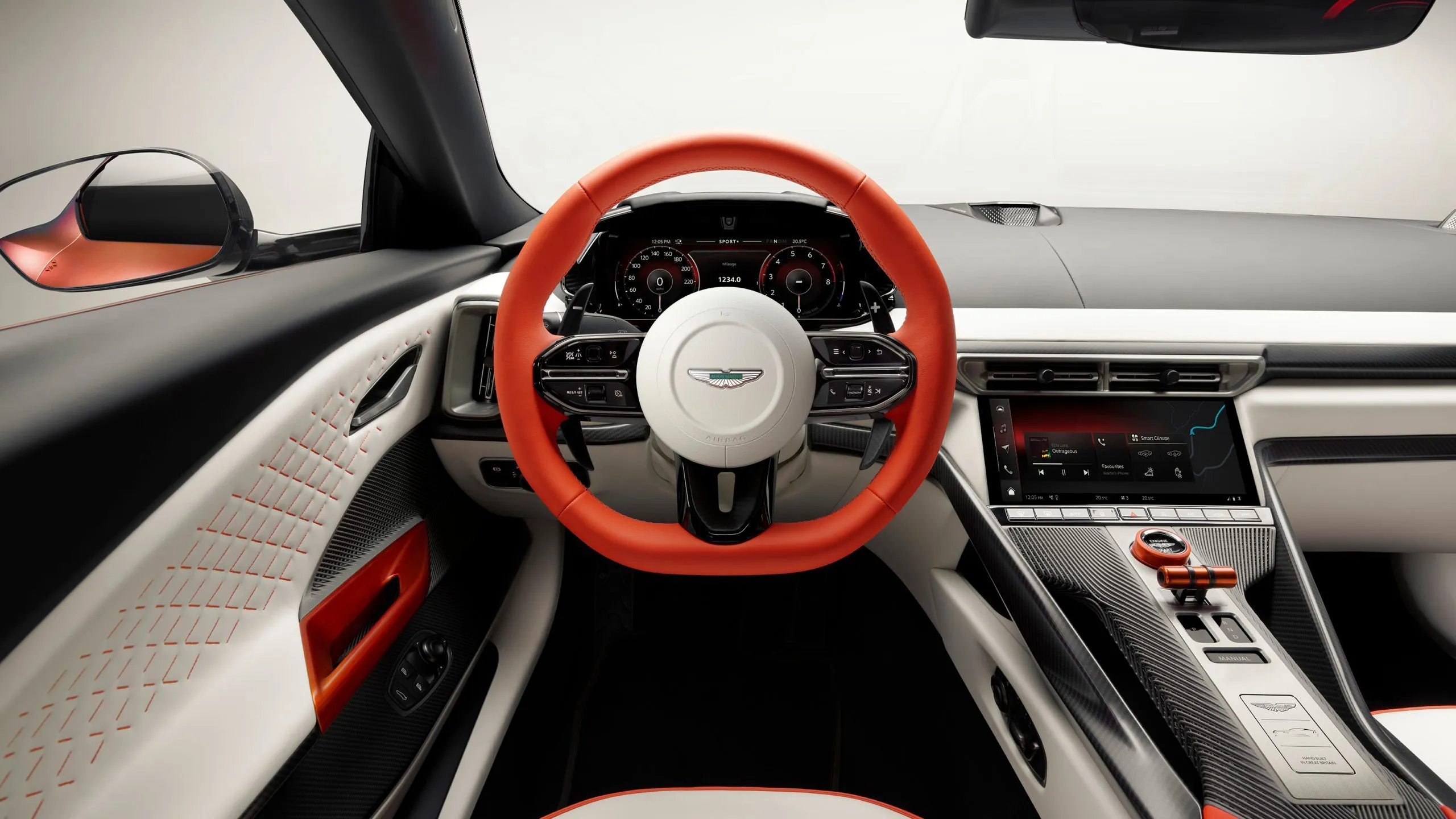
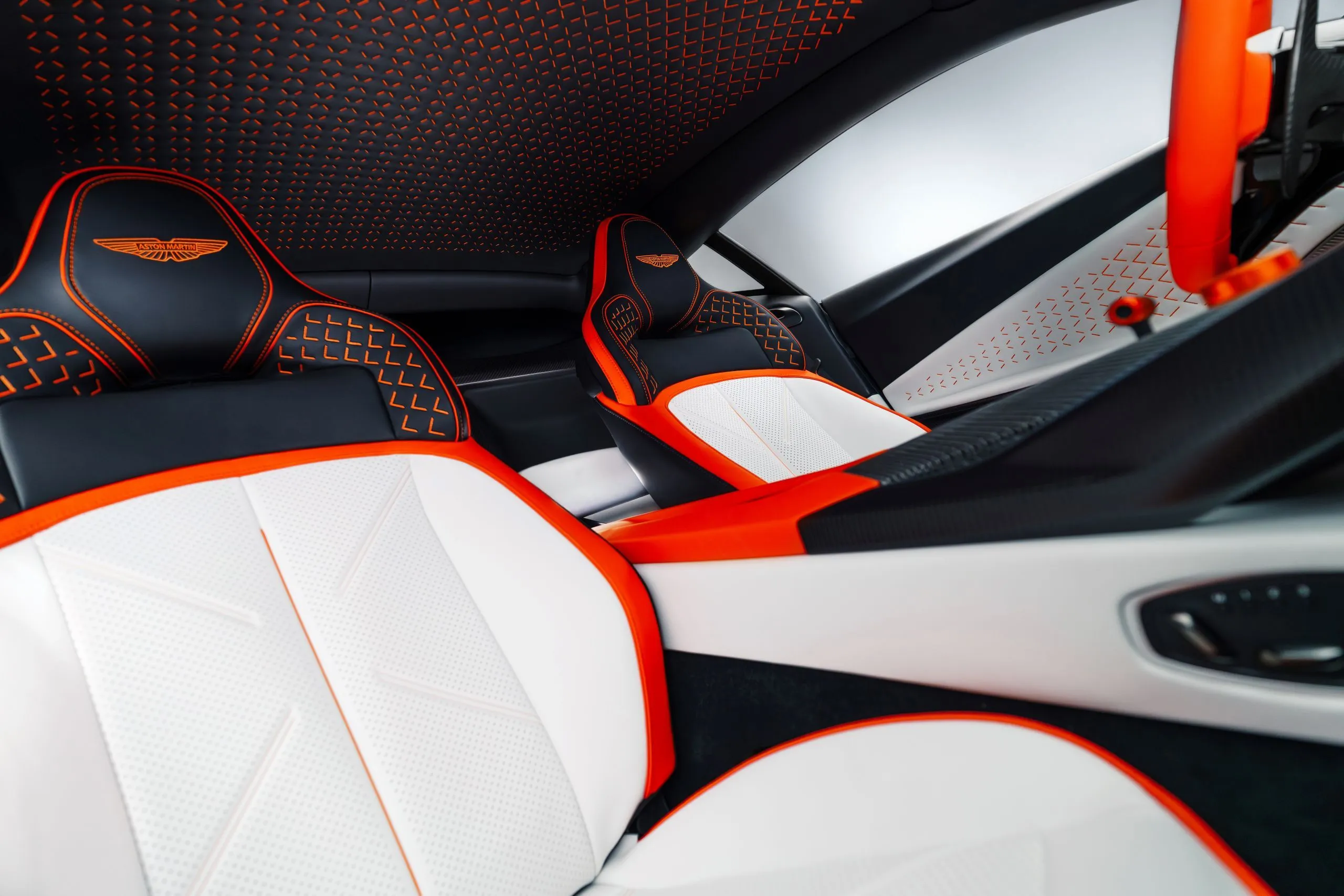
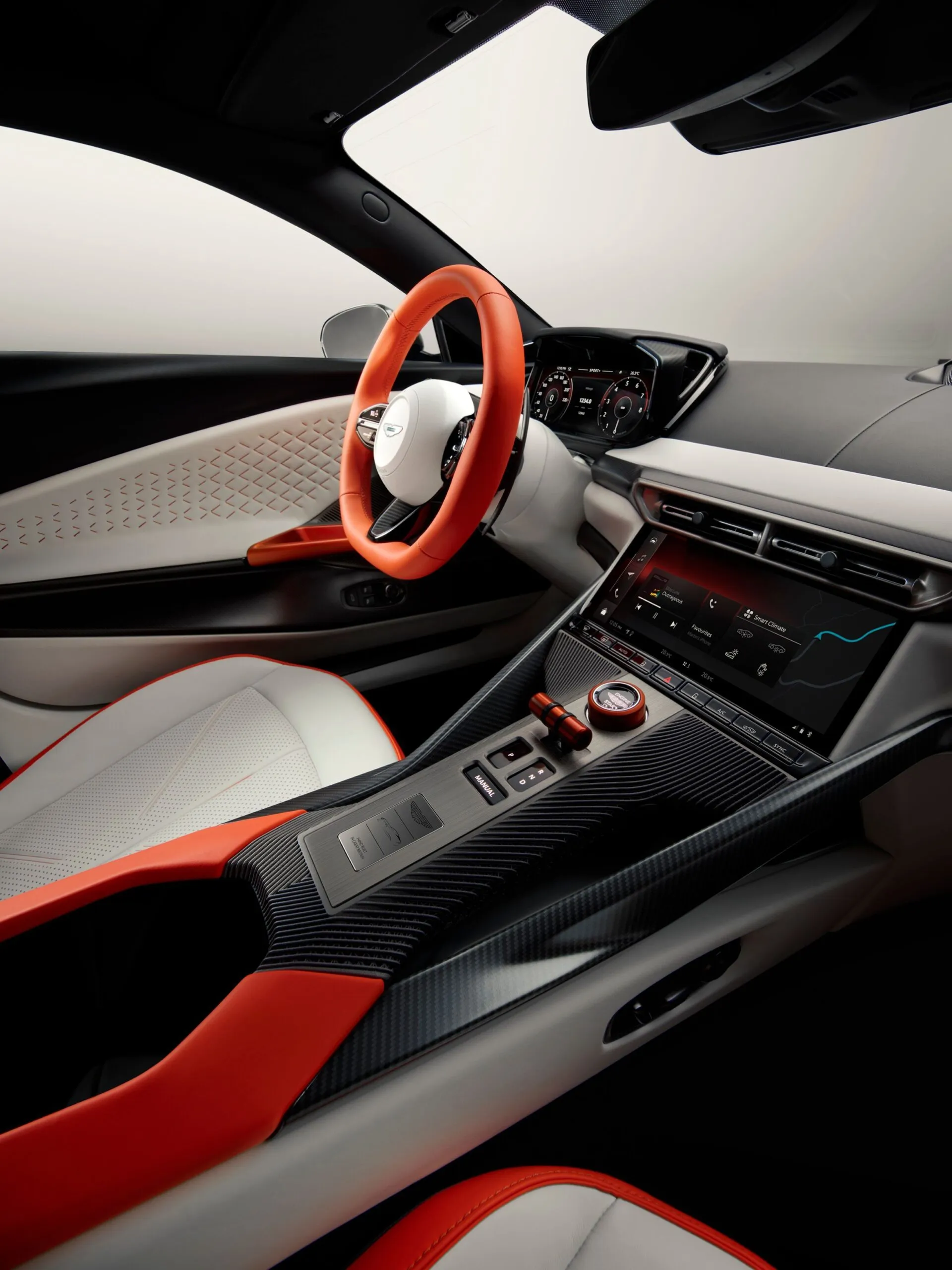
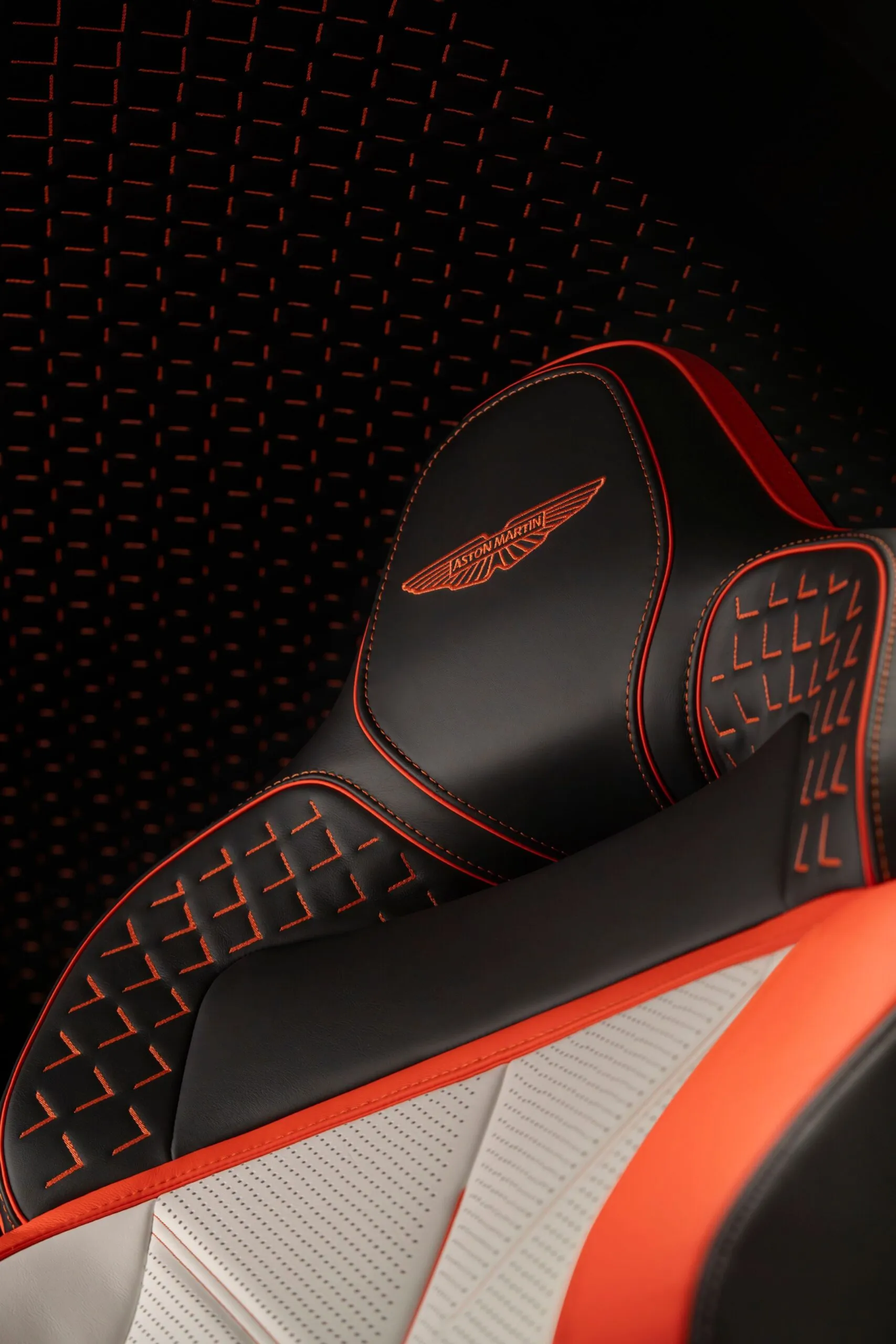
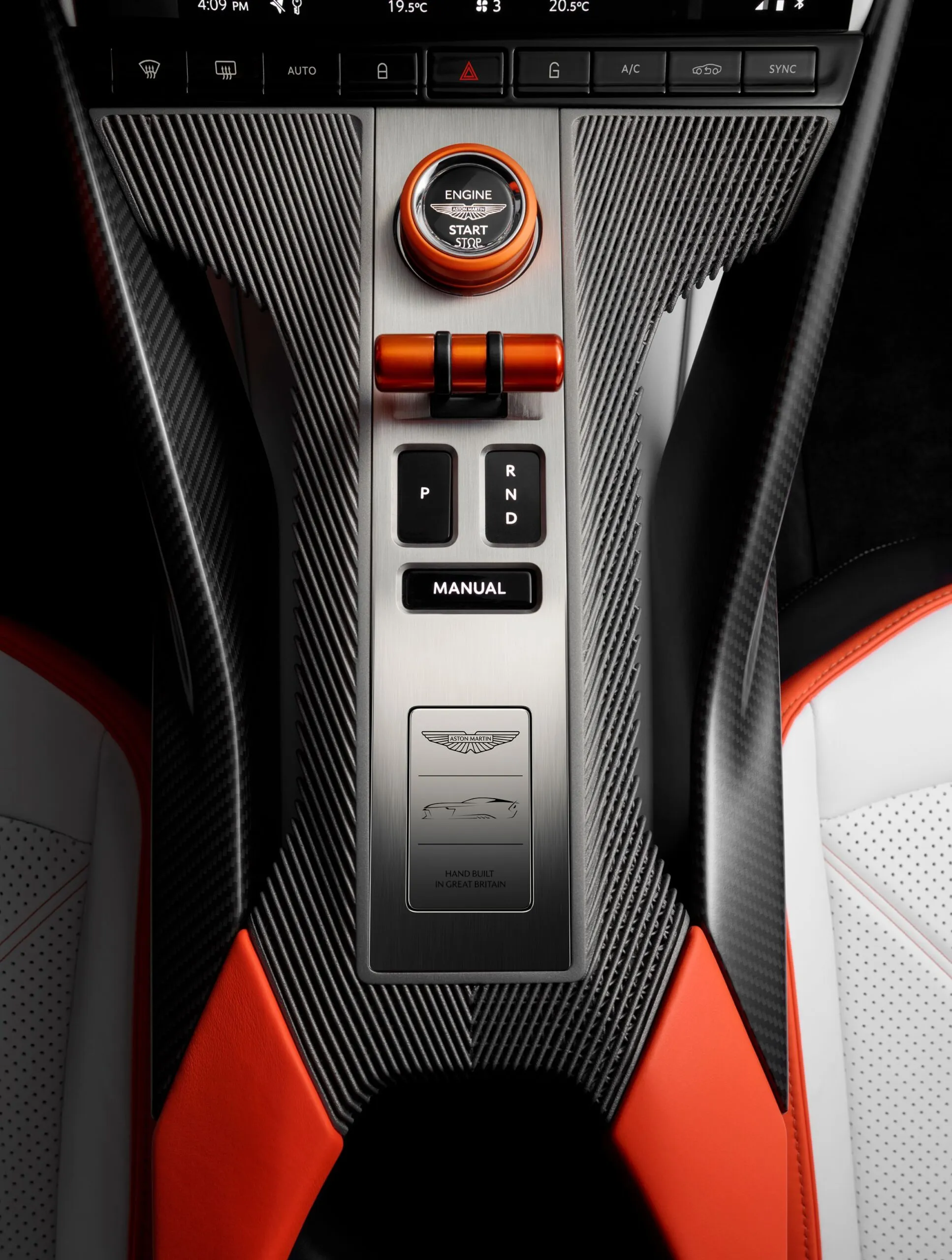
Plenty of changes have also been made to the cabin, including the fitment of new Sports Plus seats. Customers also have the option of semi-aniline leather and Alcantara or full semi-aniline leather, as well as several different material splits. Like the exterior, there are also some 3D-printed parts inside, namely the climate control vents.
“The latest in a bloodline of limited production special series models from our bespoke service, Q by Aston Martin, Valen’s world-beating performance required a design to capture the raw motion and unmatched output of our V12 powertrain,” Aston Martin chief executive Adrian Hallmark said.
Only 150 Valens will be built, and Aston hasn’t revealed a price yet. Then again, it never really does with these. You get a phone call, a room in Gaydon, and a number that arrives somewhere near the end of the conversation.