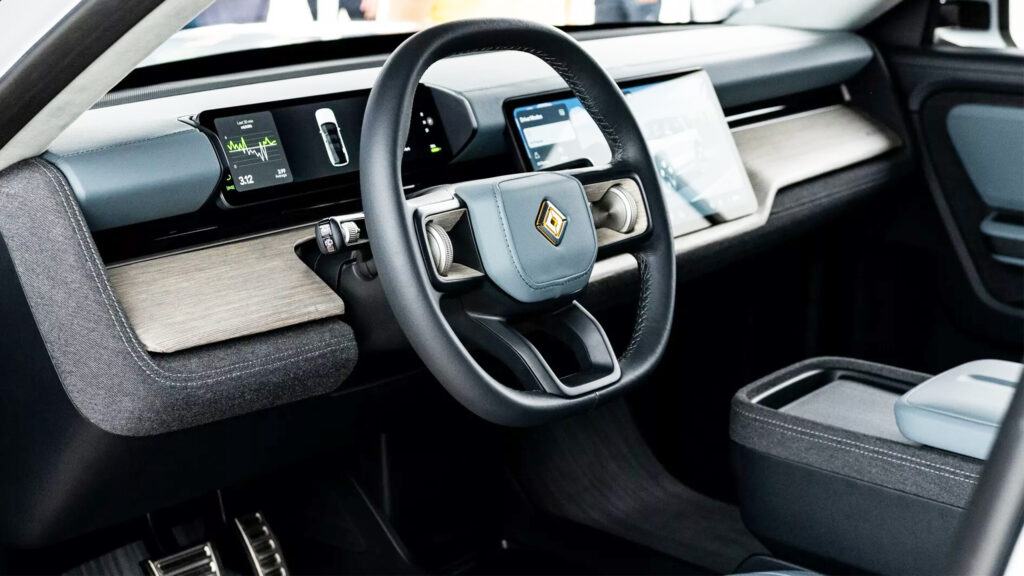
- The Rivian R3 will be followed by an even cheaper model known as the R4.
- Rivian’s boss believes tariffs are needed to protect the US industry from China.
- The R3 will be sold with two battery options and three motor configurations.
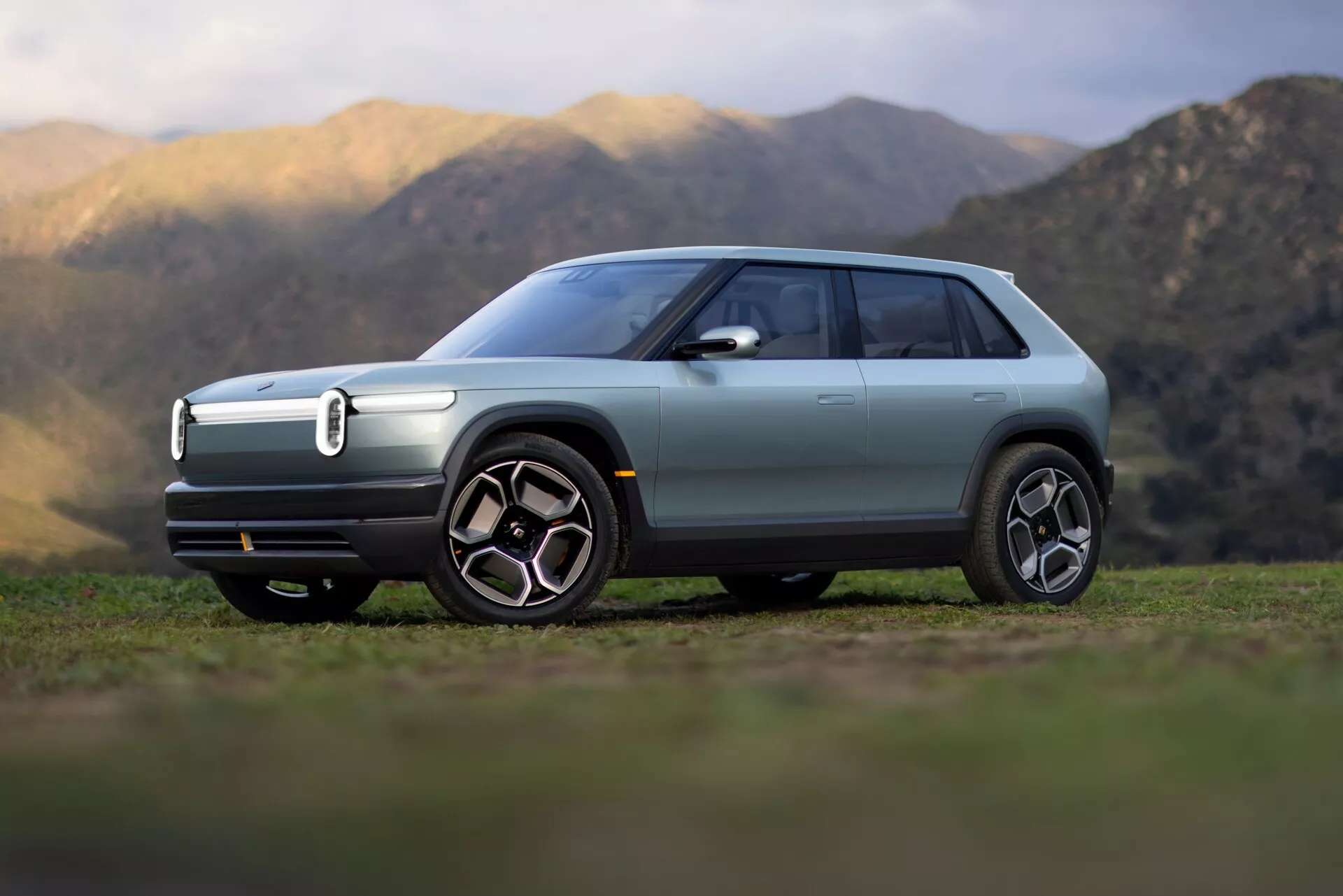
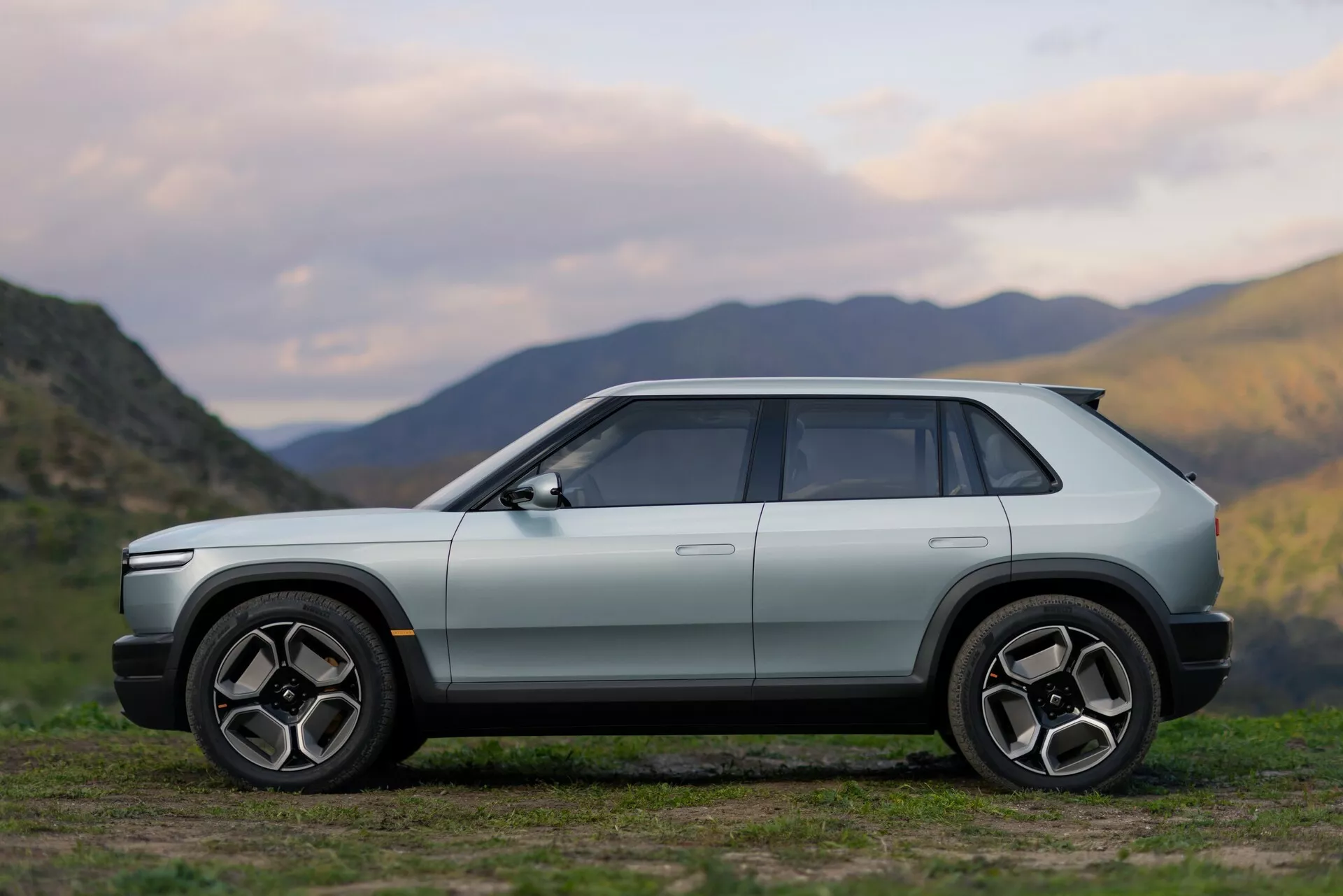
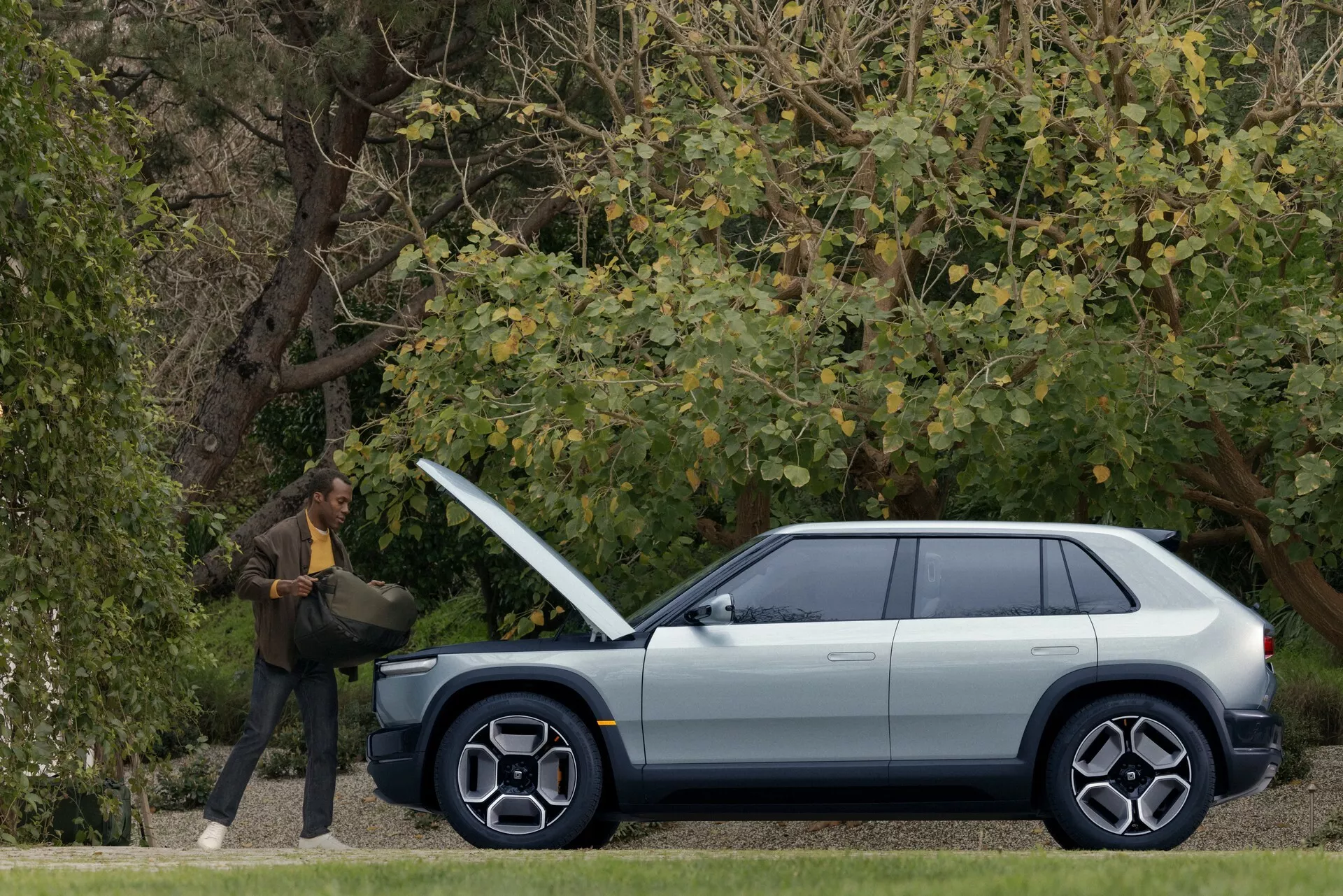
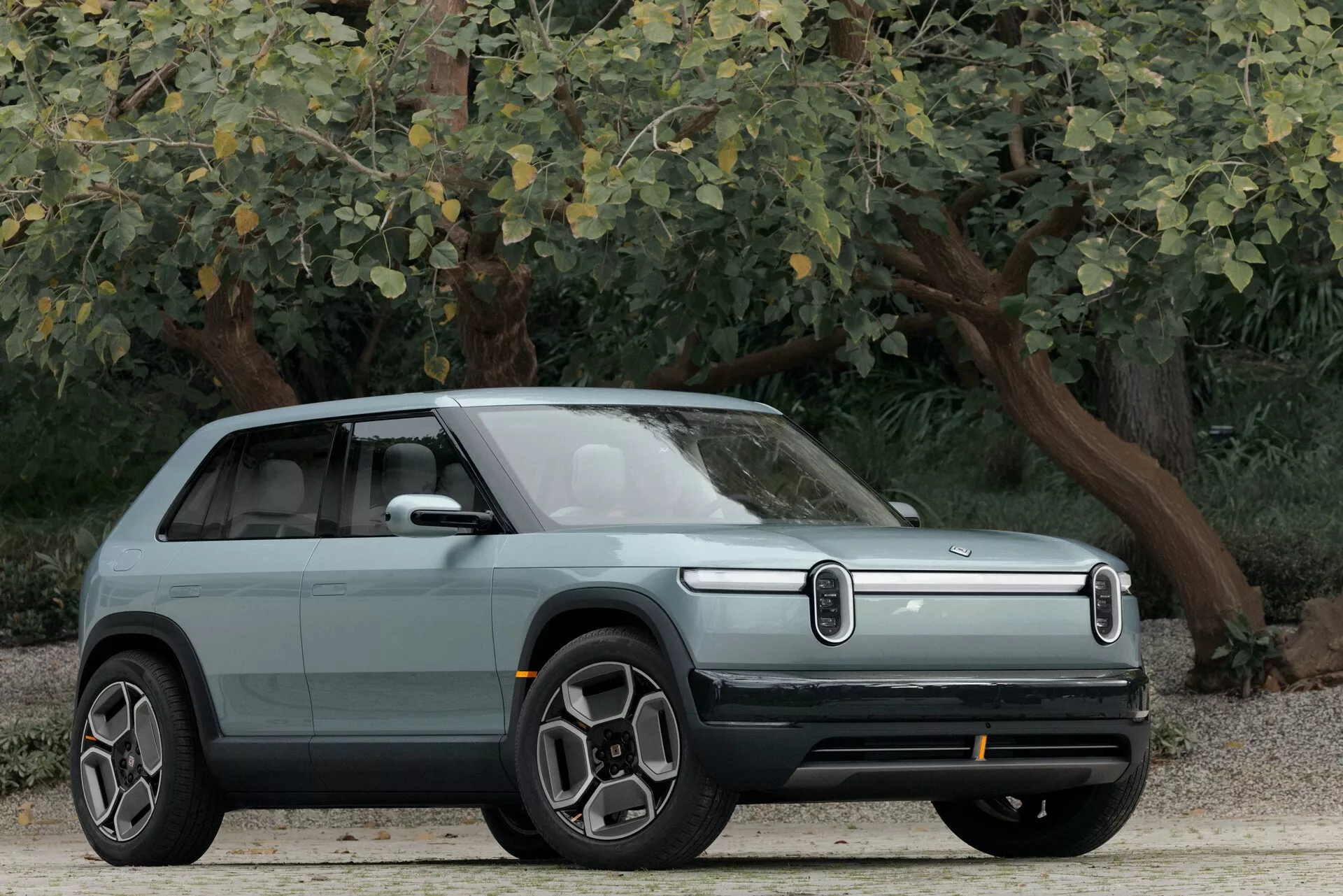
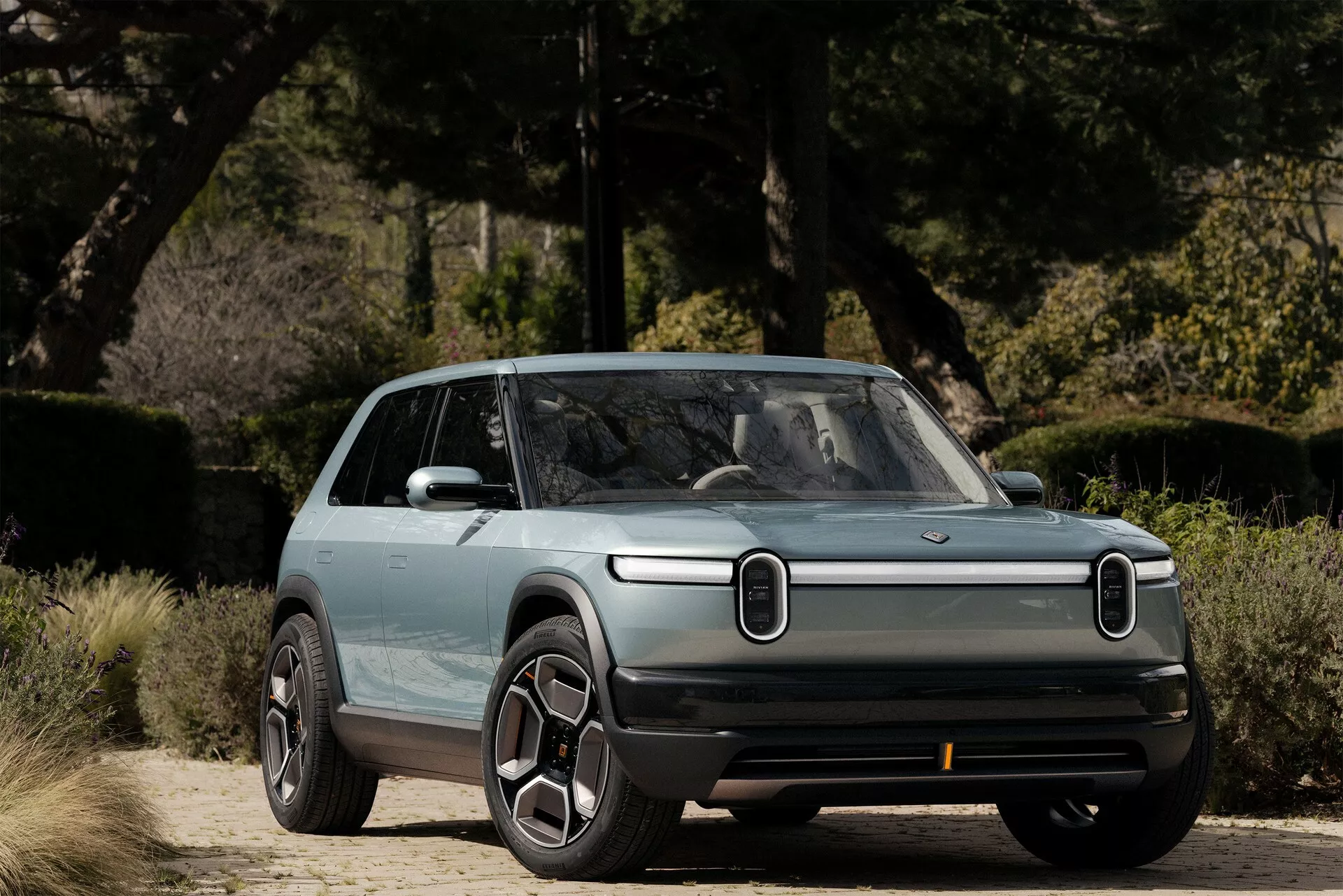
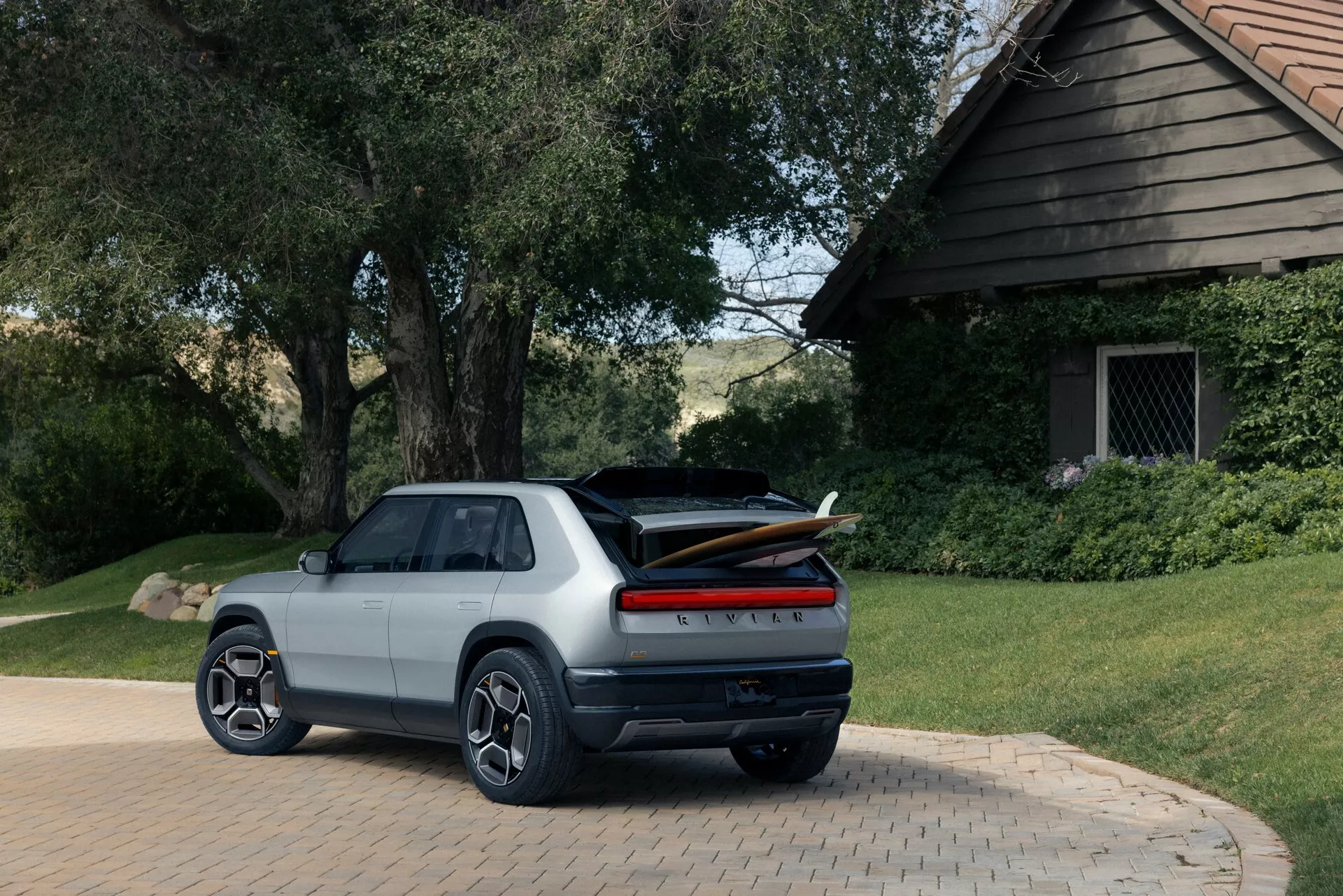
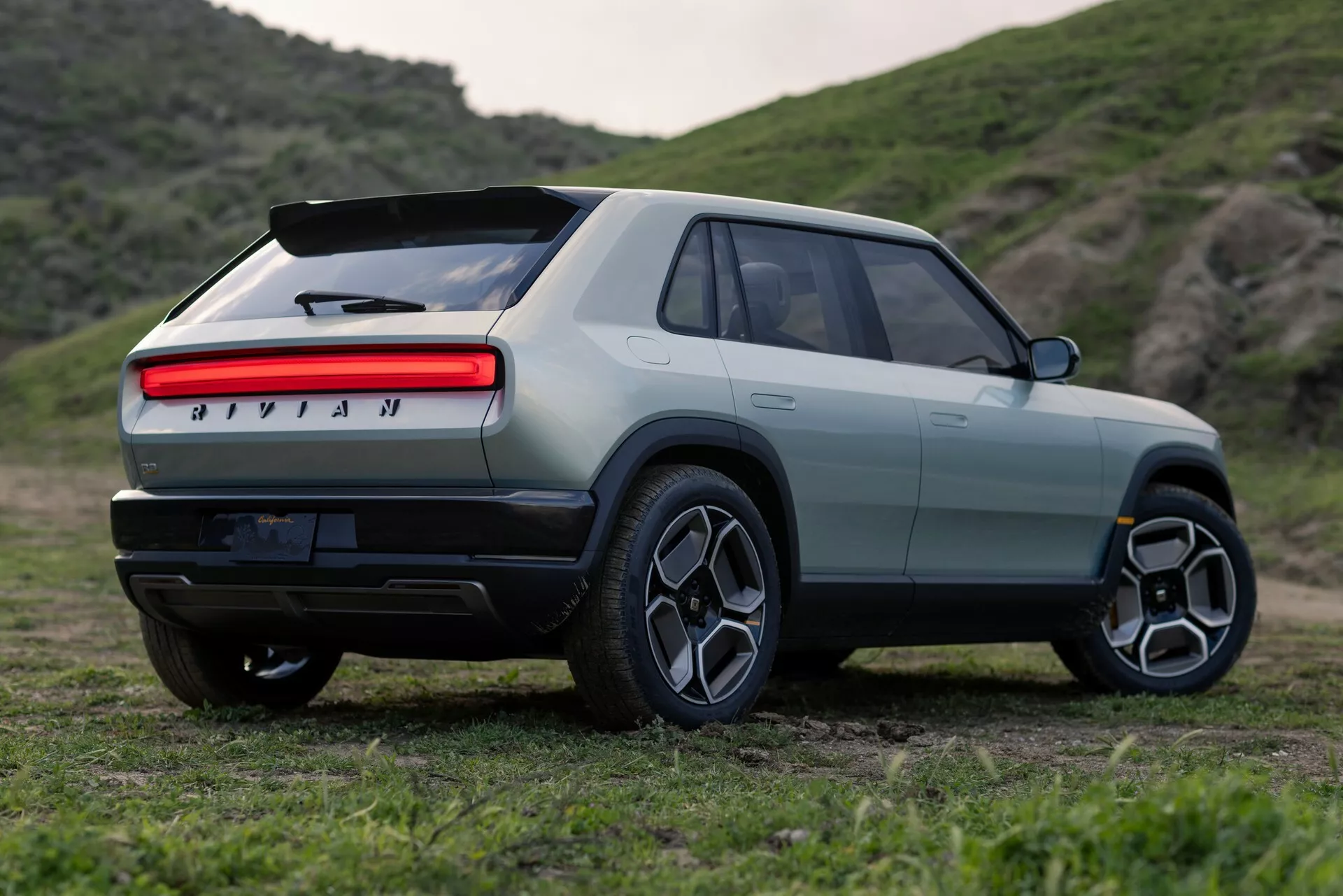
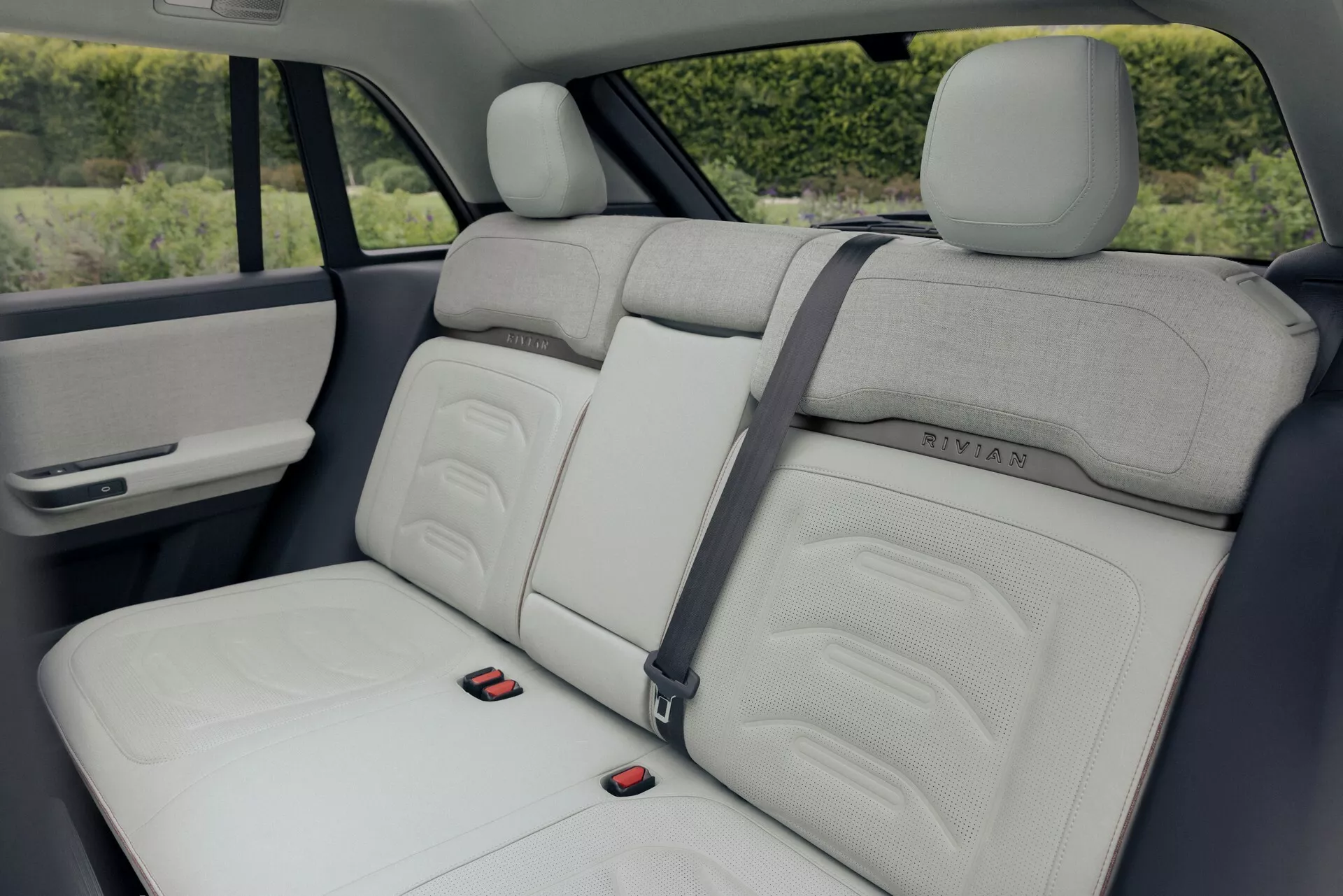
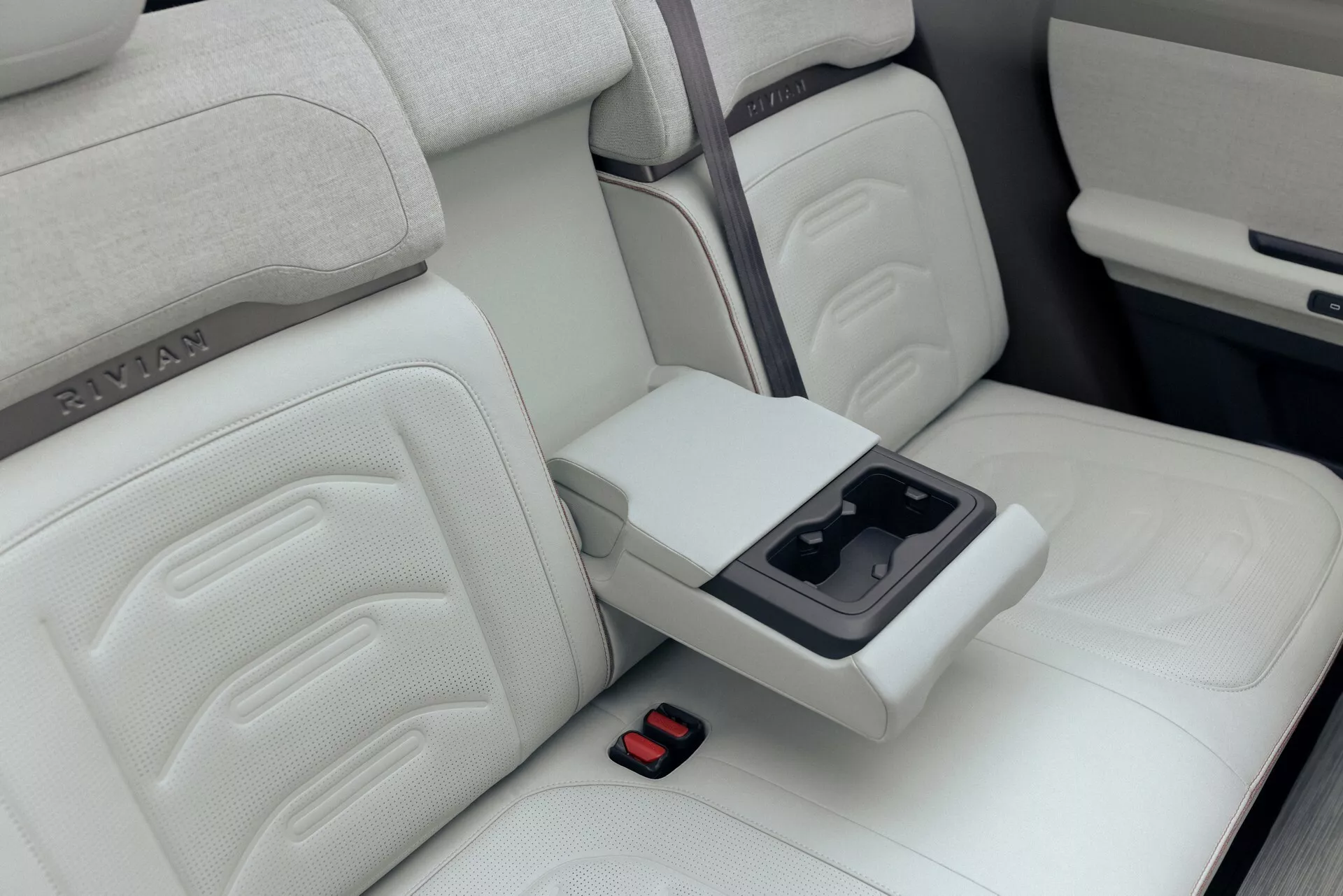
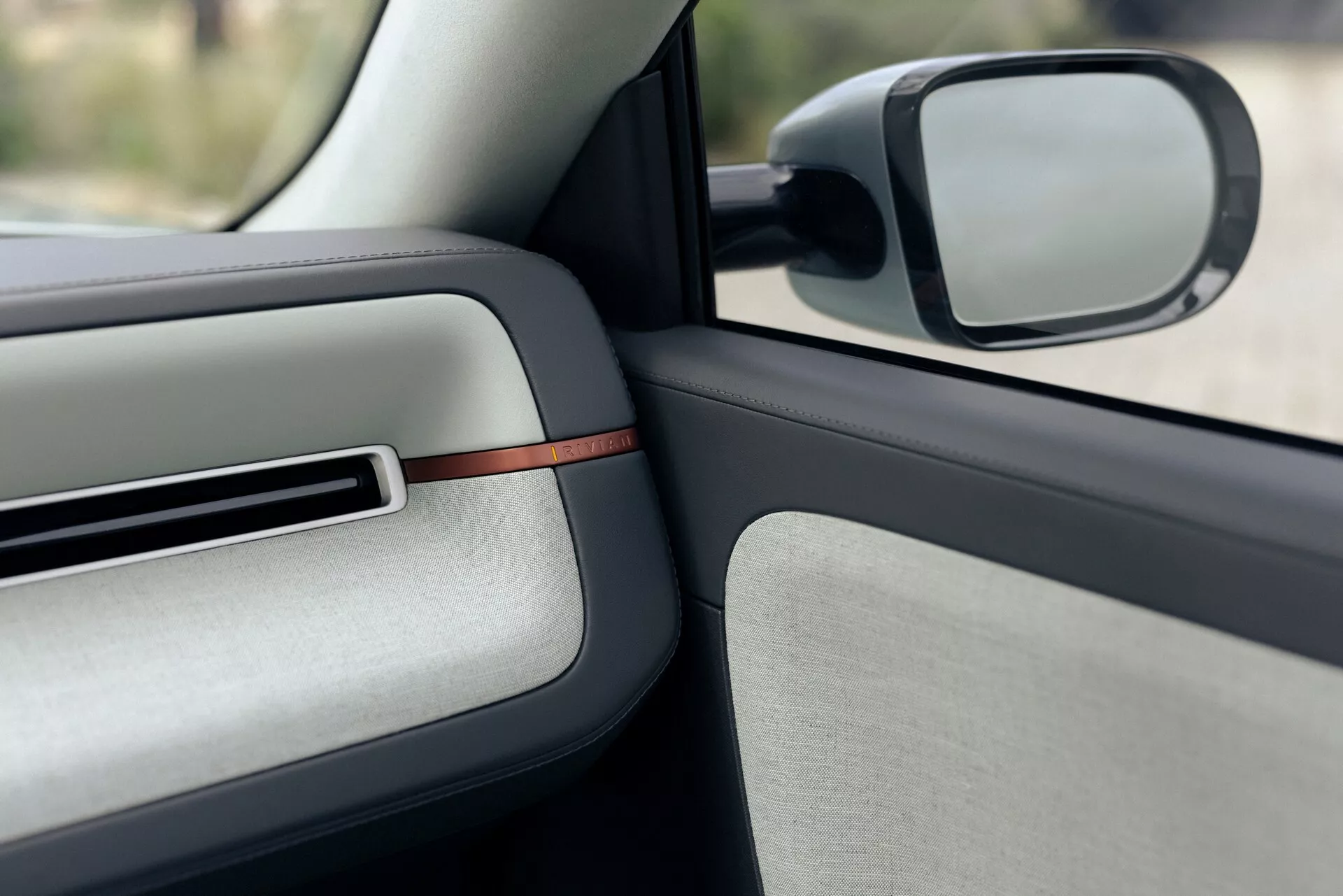
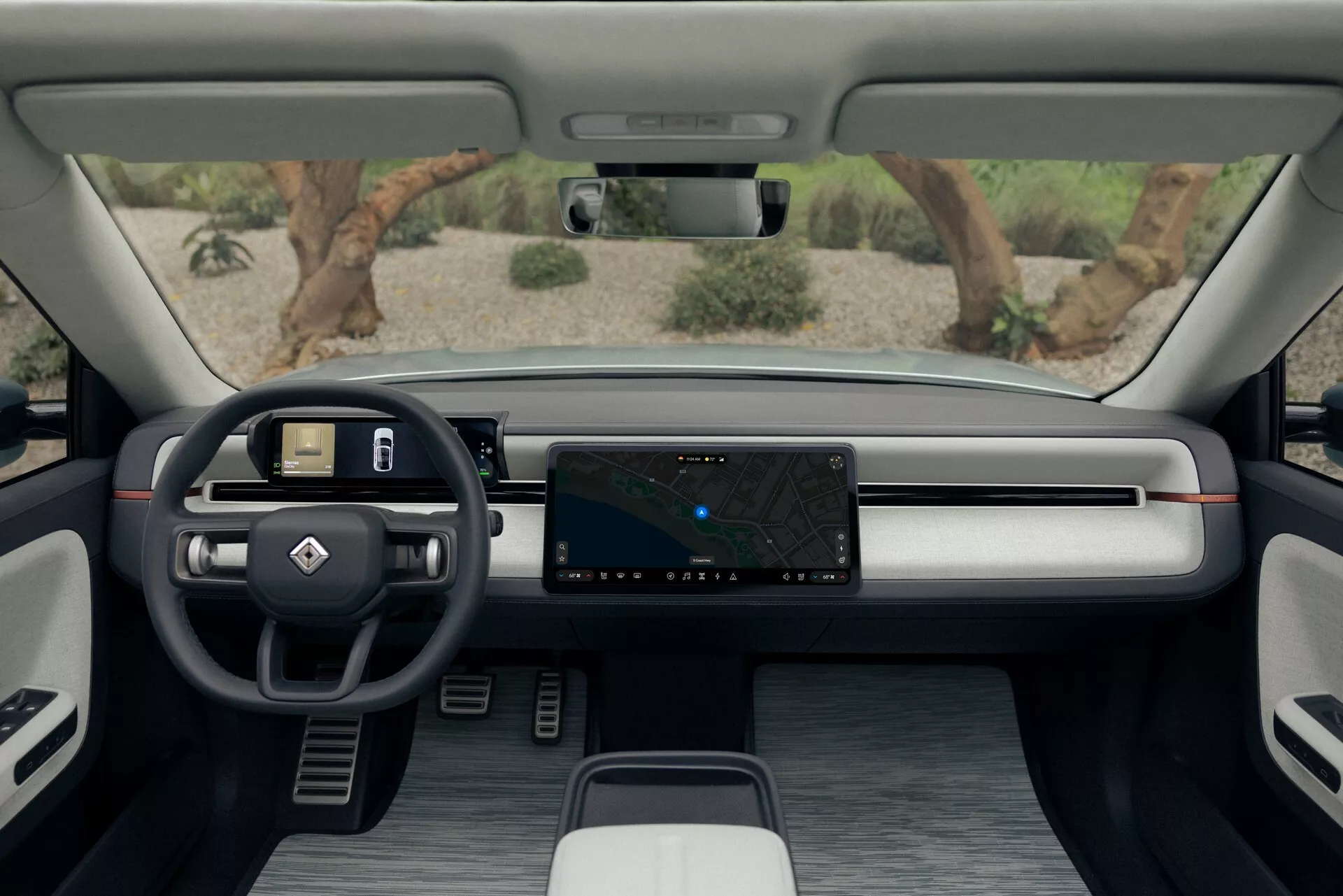
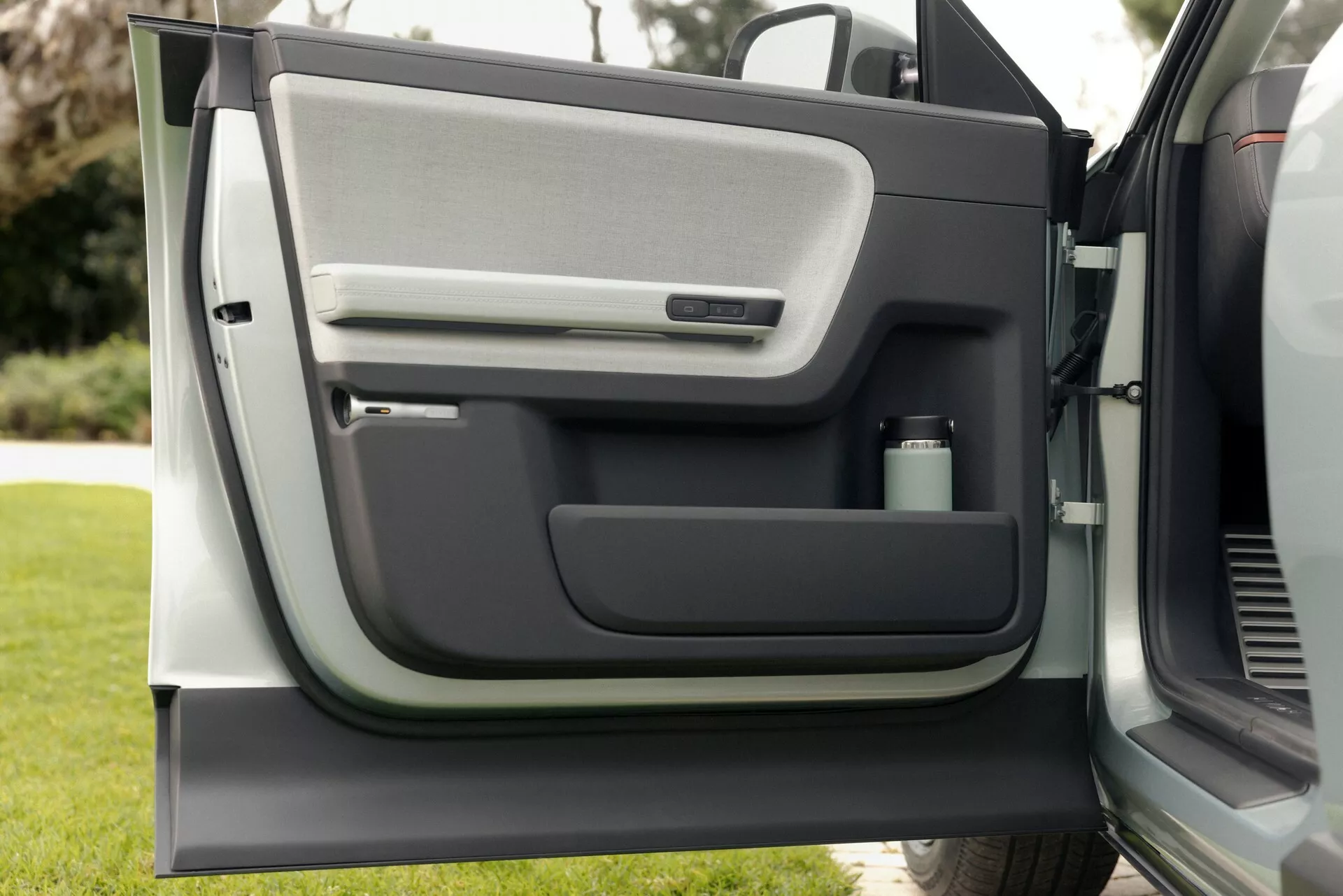
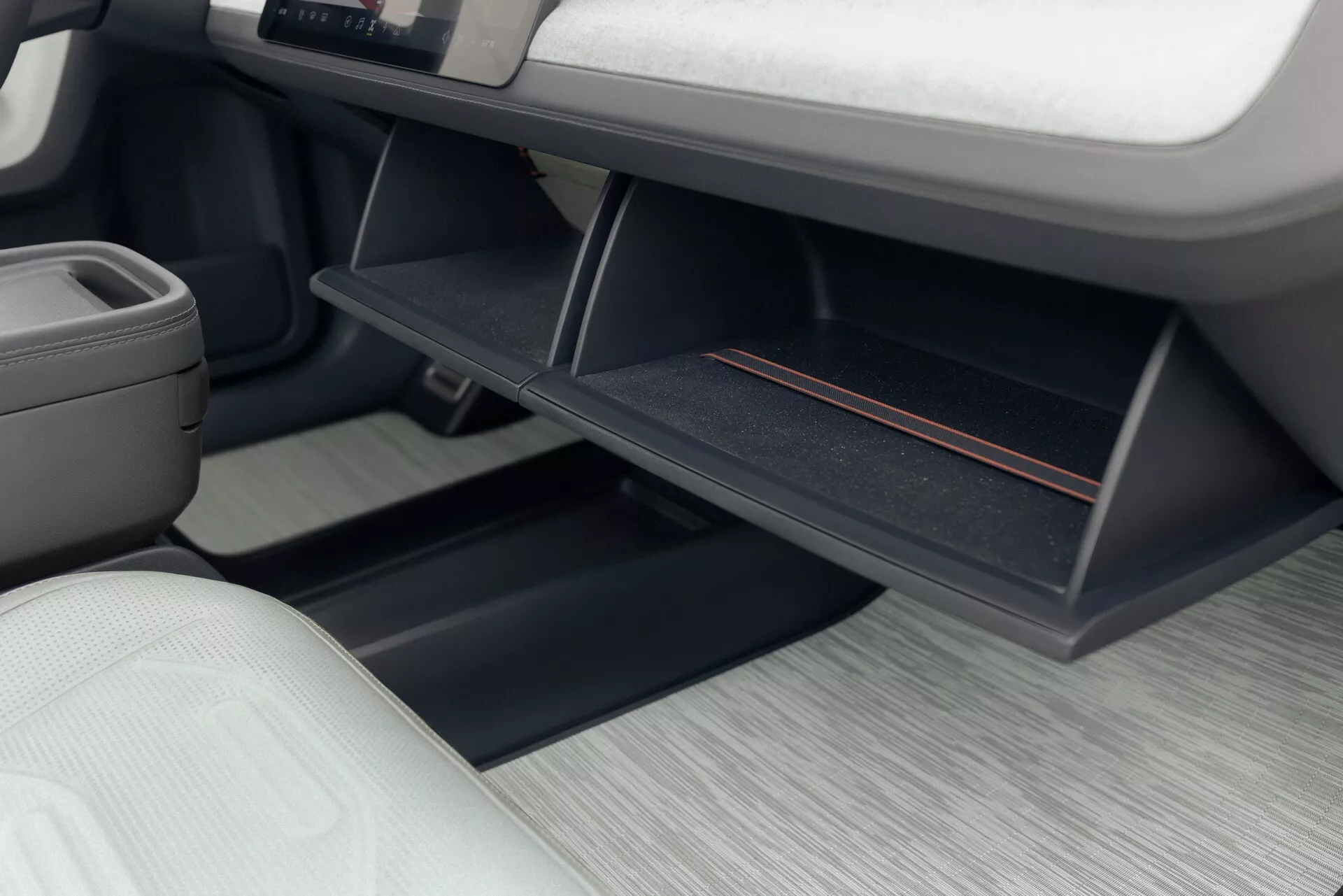
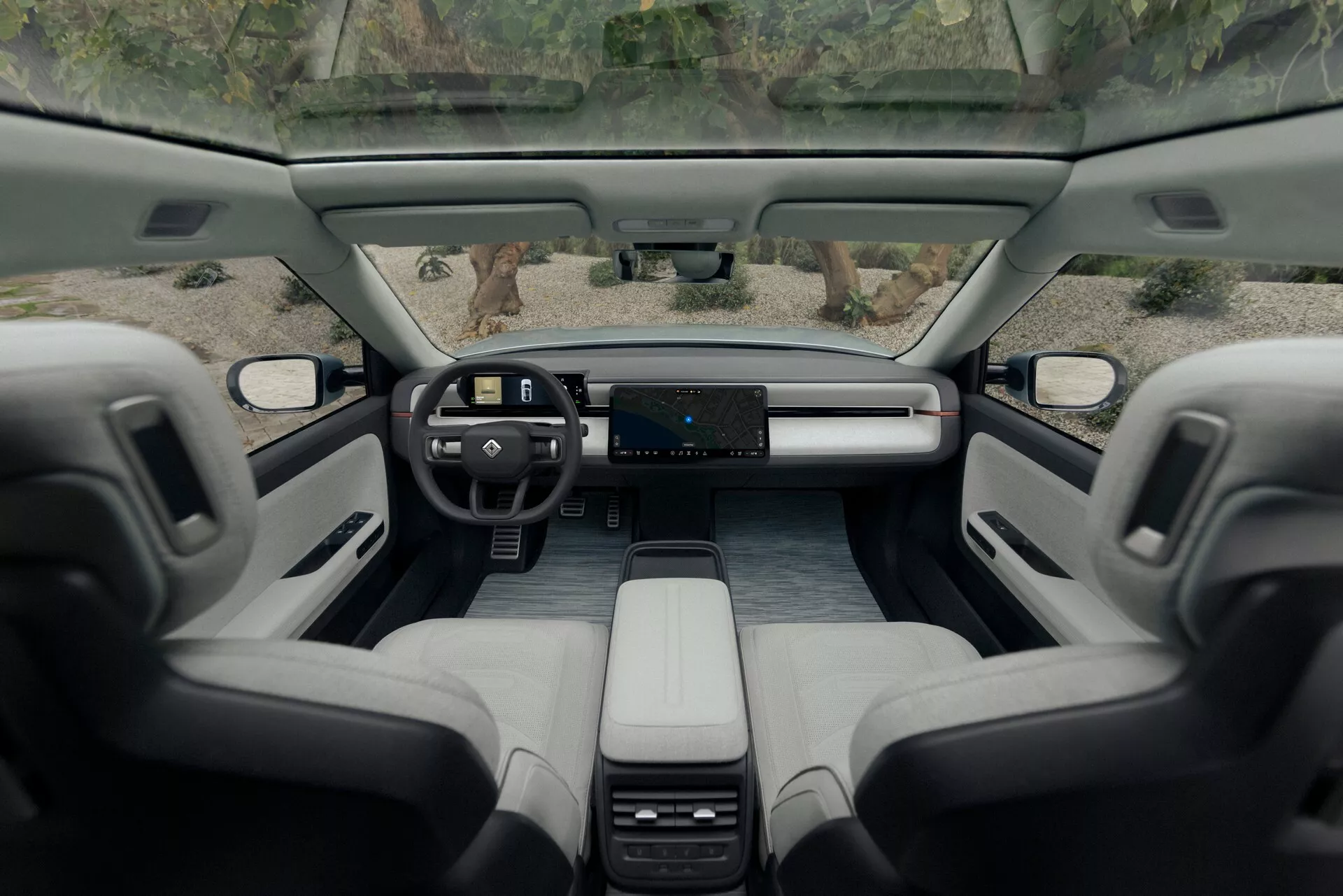
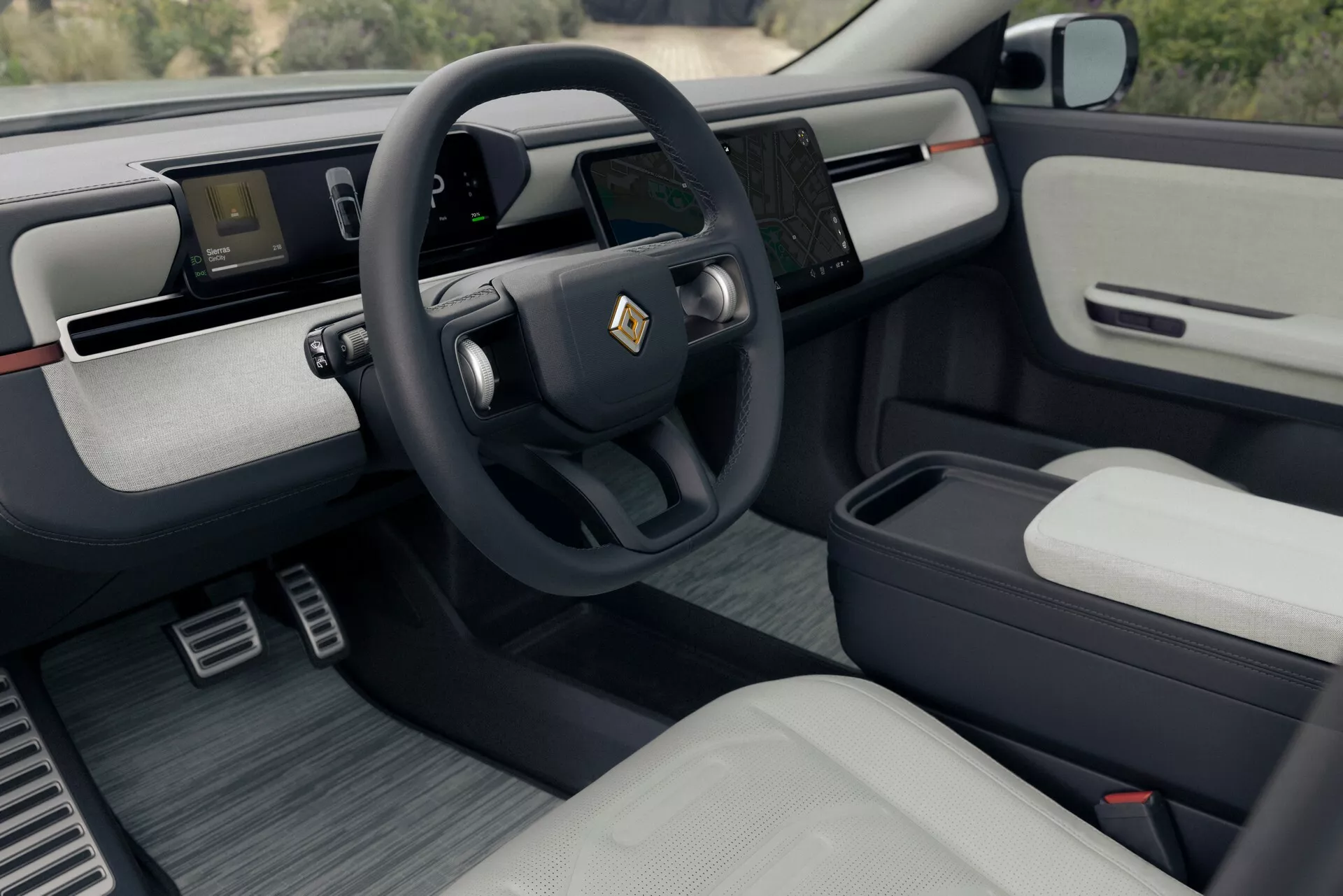
It’s been two and a half years since Rivian shocked the world when it unveiled not only its mid-size R2, but also the smaller R3 and R3X. While production and customer deliveries of the R2 have started, the R3 is still a little ways off, but when it does finally launch, it has the potential to be the brand’s highest-volume seller.
With prices starting at $45,000 and going up to $57,990, Rivian now has a legitimate rival to the best-selling Tesla Model Y in its line-up. Given how difficult it is for new car manufacturers to crack into the affordable, mass-market, no one could blame the brand for calling it a day with the R1 and R2 models, satisfied with selling a few hundred thousand vehicles a year.
Read: Rivian’s Secret Plans Might Include A Lot More Than Just The R2 And R3
That’s not how Rivian chief executive RJ Scaringe thinks. During a recent interview with The New York Times, the brand’s founder spoke about the R3 and how the US can remain competitive against new electric vehicles emerging out of China.
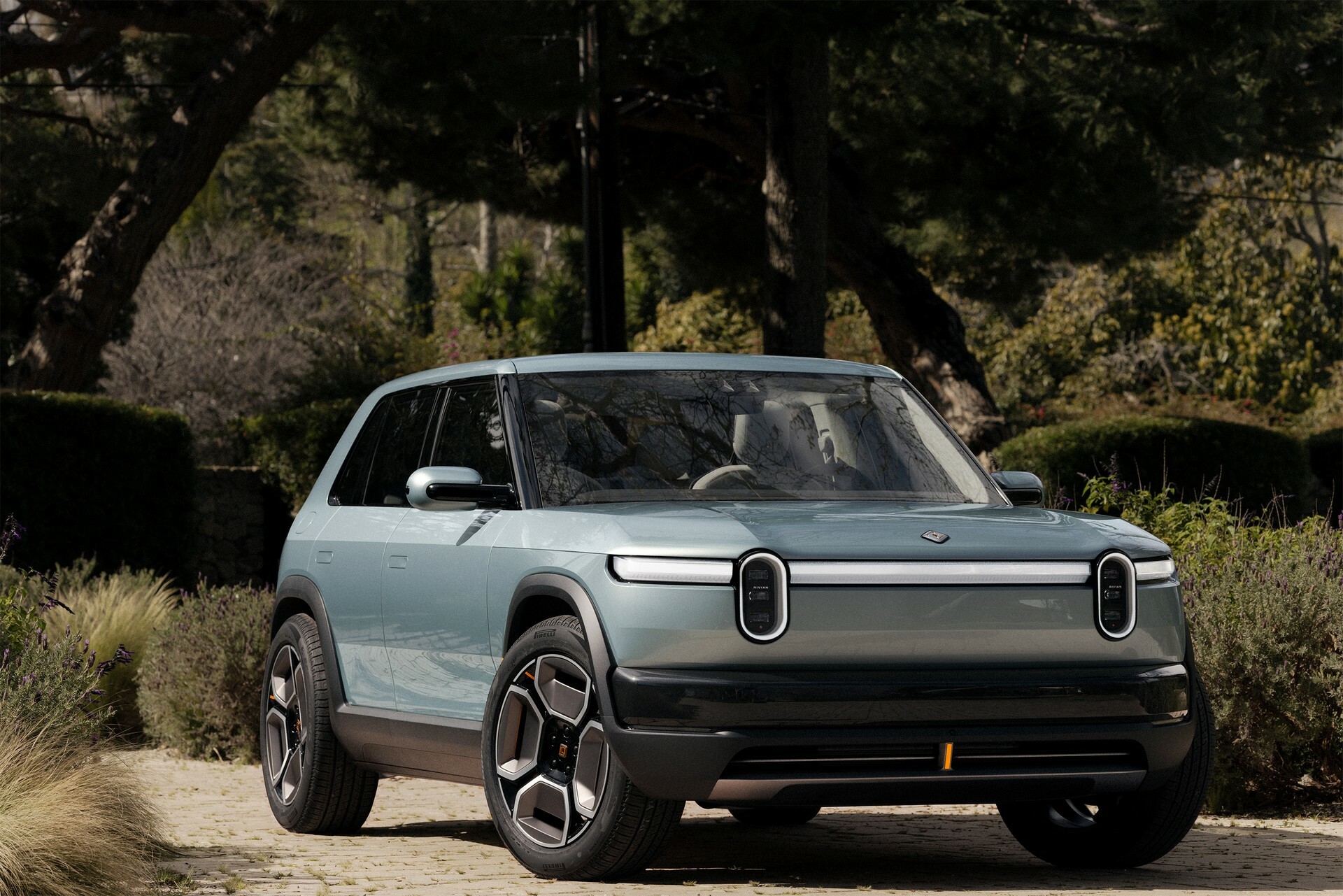
According to Scaringe, the R3 will be priced “materially lower” than the R2, although the company is not yet ready to announce pricing for it. It’s unlikely the compact SUV will be able to rival something like the $29,990 Nissan Leaf on price, but Rivian could have a winner on its hands if it prices it between $35,000 and $40,000.
More: Rivian Has Already Issued The First Recall For The R2
Things won’t even stop with the R3, as Scaringe added there are also plans for an R4, “which again moves” the price point down lower.
When the R3 was first previewed, Rivian said it will be offered with two different battery packs and be sold in single-, dual-, and tri-motor configurations. The most range-focused model should be able to travel more than 300 miles (483 km) on a single charge, while the quickest should hit 60 mph (96 km/h) in less than 3 seconds.
Scaringe Says He Supports Tariffs On Chinese Cars

Moving forward, Scaringe added that America needs make proactive efforts to ensure local car manufacturers can remain competitive despite the threat from Chinese firms. He told the NYT that “we should assume that in the fullness of time, China will likely be able to sell here.” If that happens, more needs to be done to balance the different in input costs between the two countries.
More: US Lawmakers Push For A Permanent Ban On Chinese Cars
In China, labor costs are much lower, as are capital costs. Important input costs like electricity and utilities also cost significantly less, enabling Chinese automakers to sell EVs at price points that Western brands have failed to match. To help level the playing field, Scaringe says tariffs are an important tool. Without them, “we have to be honest that a lot of manufacturing capacity is going to move to China.”