- The company has hired more than 2,000 engineers to help it improve quality.
- A recent JD Power quality study shows Stellantis brands are lagging behind rivals.
- Stellantis CEO Antonio Filosa is targeting 2028 to soar toward the top of the quality charts.
It’s not just Ford that is committed to improving quality. The boss of Stellantis, Antonio Filosa, says the brand has established “quality war rooms” to address its own quality woes and expects to see significant improvements over the next two years.
Stellantis has been working to boost quality for quite some time. Last year, it hired more than 2,000 engineers, many of whom are expressly tasked with improving quality. Speaking about the company’s efforts with Auto News, Filosa claimed quality fixes are already being made quickly.
Read: Stellantis Is Hiring 2,000 New Engineers As Quality Concerns Finally Reach The Top
“We launched almost 50 quality war rooms where we have tons of engineers and quality people and manufacturing people and supplier quality engineers working together on components and systems where we know are important to fix,” he revealed to Auto News. “We are fixing them very, very, very quickly. We have a target to get, in 2028, first quartile in quality with all the segments and markets where we compete, and we will get there.”
What’s Gone Wrong?
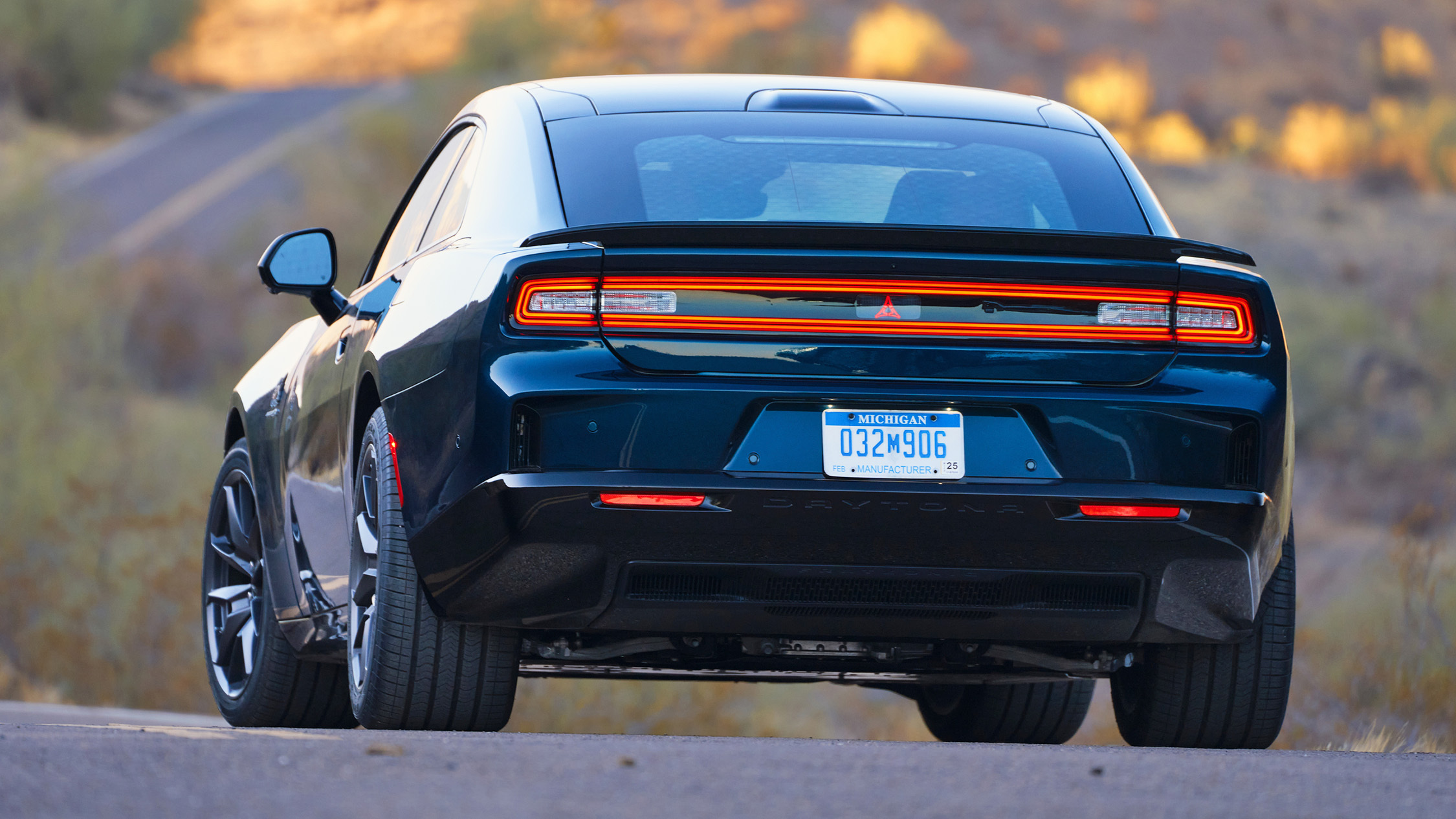
The controversial, all-electric Dodge Charger Daytona has been a sore point for the brand in the US. There have been numerous reports of defects in models shipped to customers, prompting one owner to describe his Charger Daytona as “practically useless” last year. He noted issues with how the panels were aligned, faults with the trunk and passenger door, and an easy entry seat issue, problems that have been noted by other owners.
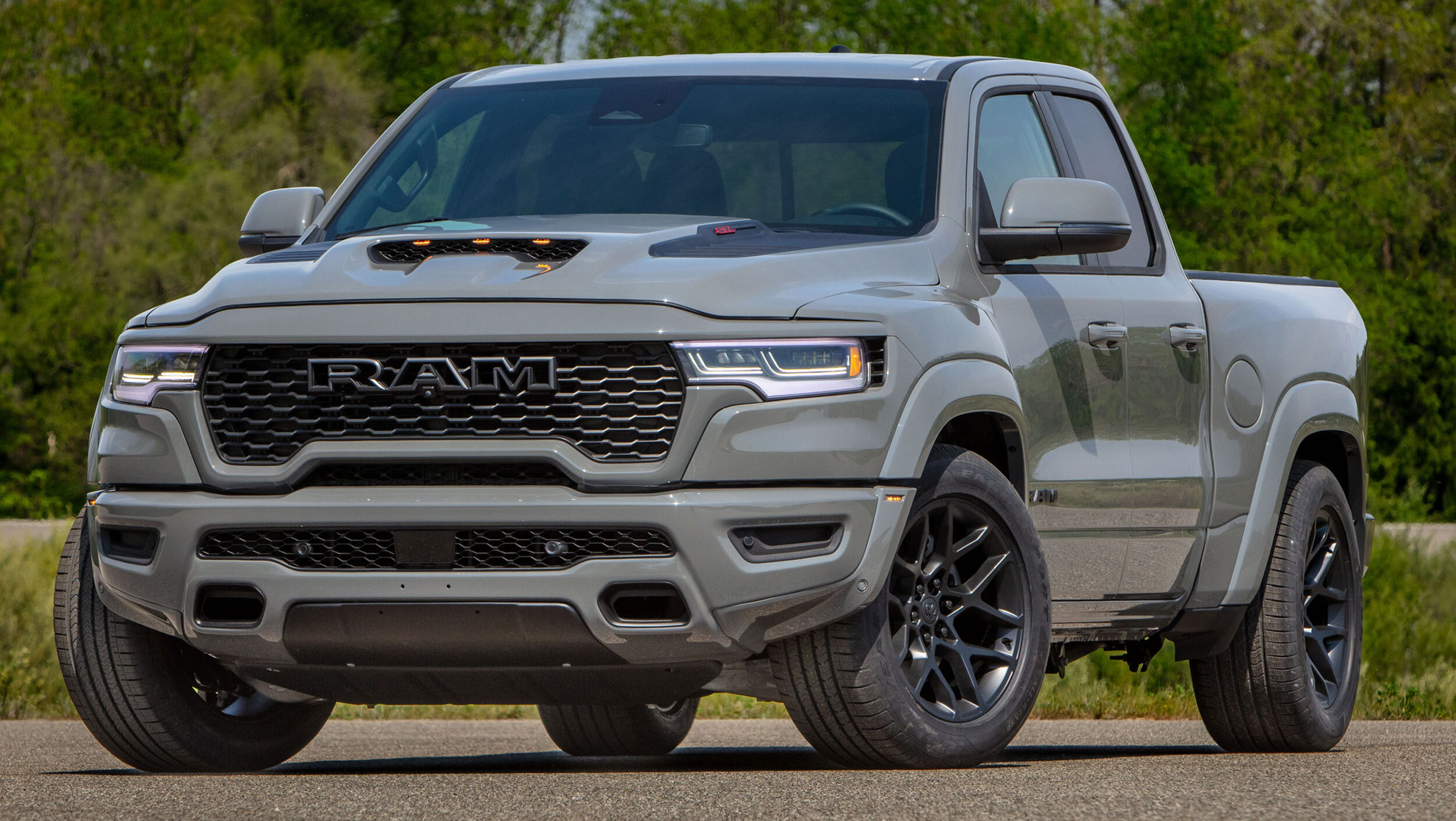
JD Power’s most recent US Initial Quality Study highlights the company’s ongoing issues. In analyzing the total number of problems per 100 vehicles (PP100) experienced in the first 90 days of ownership, JD Power found Stellantis-owned brands performed worse than the industry average of 175 PP 100. Jeep came in at 182 PP 100, Ram was a terrible 222 PP 100, and Chrysler was 229 PP 100. By comparison, Ford topped the study among mainstream brands at 152 PP 100, not far behind industry leaders Genesis at 151 PP 100 and Porsche at 138 PP 100.
Improving quality isn’t an easy task, and often, the results of improvements during the development and production of new vehicles won’t be felt by customers for several years. Some have blamed issues at Stellantis on the cost-cutting measures enforced by former boss Carlos Tavares.