









- California’s DMV collected more than $8 million in surplus lien-sale proceeds.
- SB 1029 would eventually transfer unclaimed funds to the state Controller.
- Newsom vetoed it over costs and concerns about how claims would be handled.
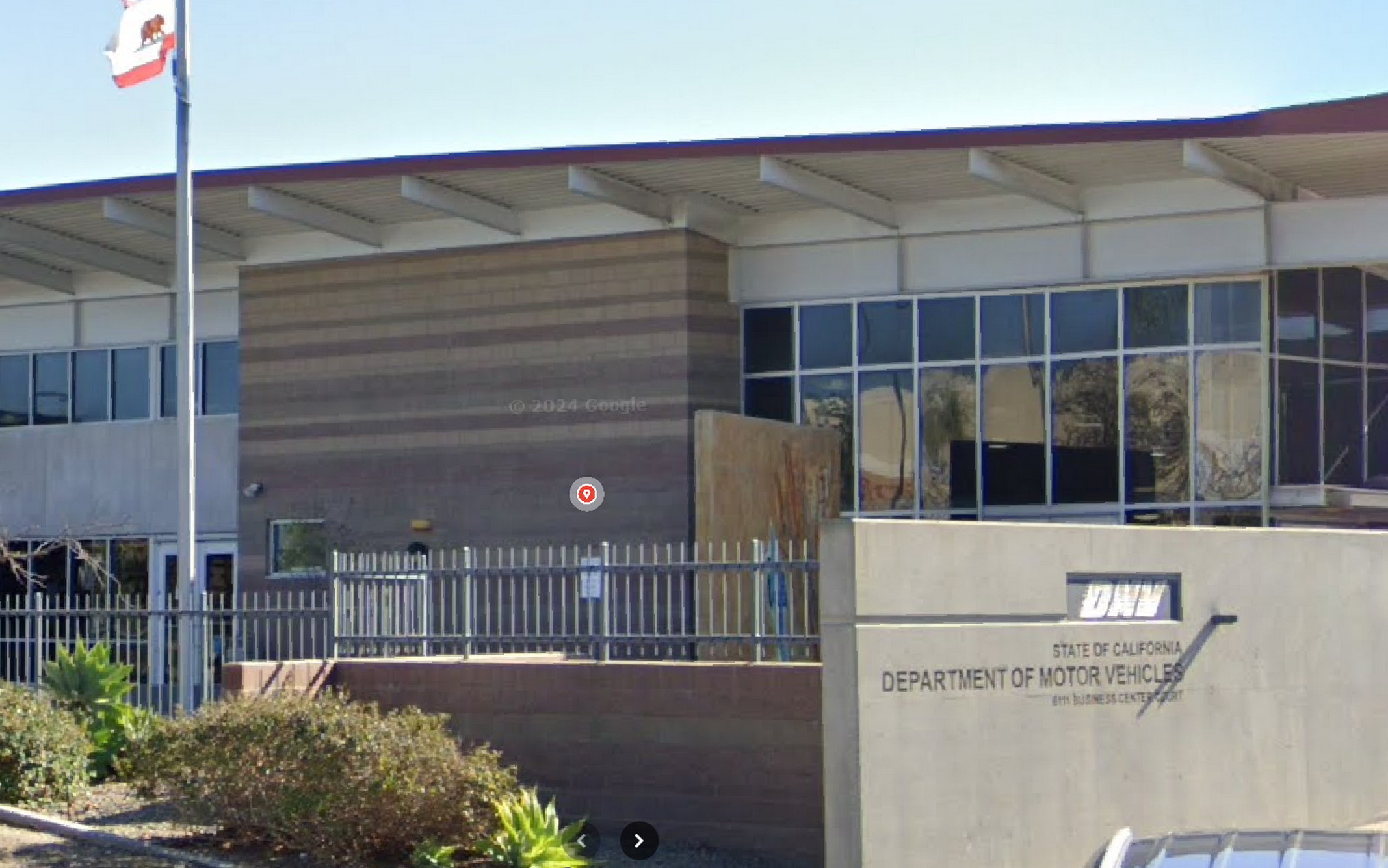
Earlier this year, we told you about an unusual quirk in California law. If a vehicle is sold after its owner fails to pay towing and storage fees, the proceeds first cover those debts. Anything left over belongs to the former owner, but if they don’t claim it within three years, the money can ultimately remain with the DMV. California lawmakers wanted to change that system. However, Gov. Gavin Newsom just killed that bill after it passed.
The issue gained attention following an investigation by CalMatters, which found that California’s DMV collected more than $8 million in excess proceeds involving nearly 5,300 vehicles between 2016 and the fall of 2024. Again, owners can claim those proceeds, but state law doesn’t require the DMV to individually notify them that the money exists. In other words, the DMV can end up collecting and keeping millions that initially belonged to others.
Read: Florida’s DMV Accidentally Mailed A Grandma An X-Rated Plate
Republican State Sen. Kelly Seyarto introduced SB 1029 in response. The original proposal we covered in April would have required the DMV to send a certified notice within 14 days informing former owners that money was waiting and explaining how to claim it. However, that requirement didn’t survive the legislative process.
The version ultimately sent to Newsom kept the existing three-year claim period. Once that period expired, unclaimed money would instead be transferred from the DMV to California’s Controller, where it would be handled through the state’s unclaimed-property system. That’s an important distinction because Newsom wasn’t deciding whether to approve the same notification system originally proposed earlier this year.
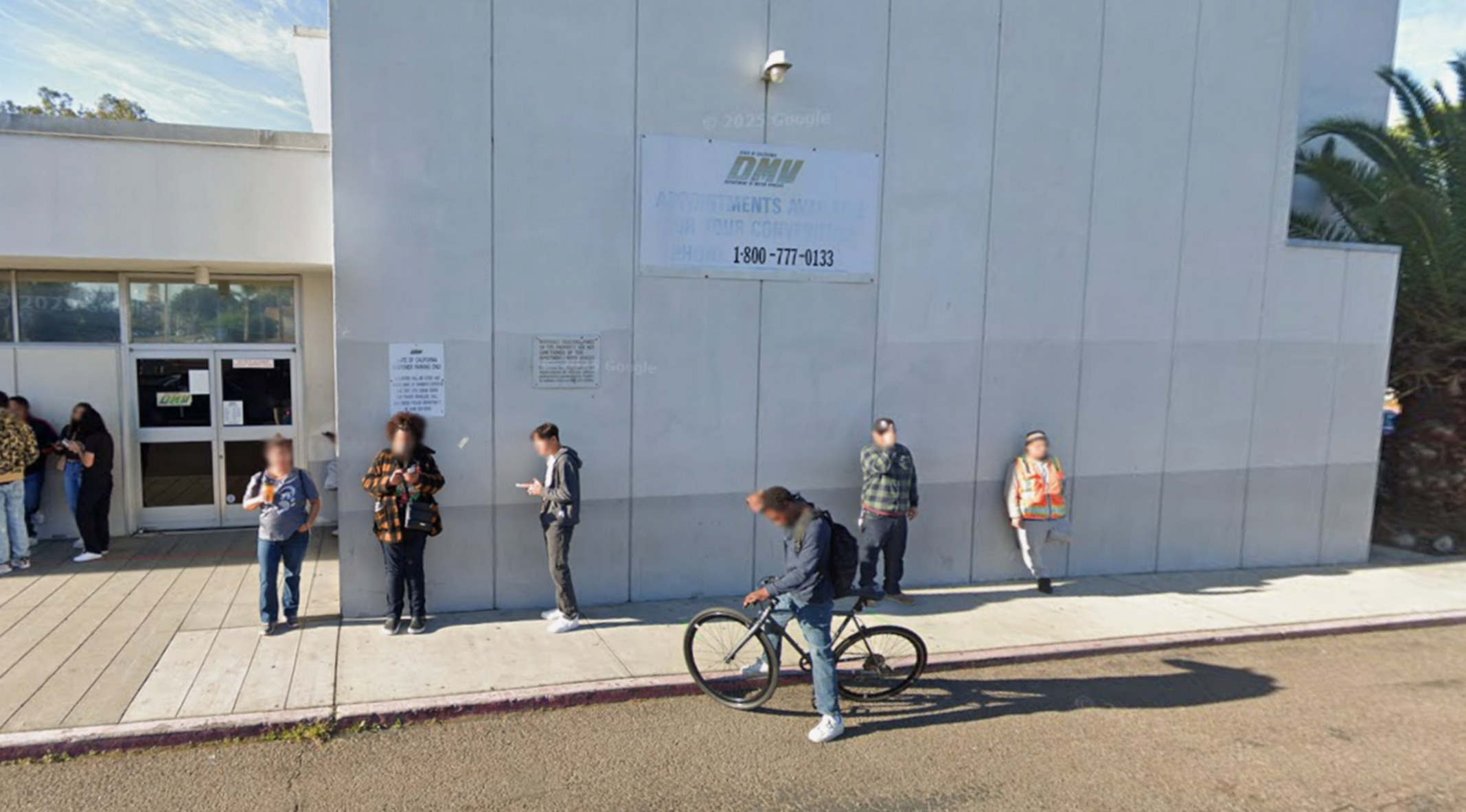
In his veto message, Newsom said he supports efforts to connect vehicle owners with excess proceeds that rightfully belong to them. His disagreement centered on how the final bill proposed doing it. According to the governor, splitting responsibility between the DMV and Controller’s Office didn’t clearly establish which agency would verify ownership, adjudicate claims, or make final eligibility decisions.
Newsom also raised concerns about cost. He said transferring the money would create additional administrative expenses for the Motor Vehicle Account, which funds DMV and California Highway Patrol operations, while arguing the bill hadn’t demonstrated that the change would result in more former owners successfully recovering their money. As a result, California’s existing system largely remains in place.
There has been one notable change since this issue first came to light. The DMV created an online lookup tool that allows people to search for surplus lien-sale proceeds they may be owed. Newsom specifically pointed to that system in his veto message. Former owners still generally have three years to claim their money, while the DMV’s new tool gives them a way to determine whether anything is waiting for them.