








- After Trump’s tariffs took effect, automakers scrambled to protect sales without hurting business.
- Some pledged to build cars locally for the US, while others halted new vehicle shipments entirely.
- Porsche was allegedly among those halting shipments, but the company strongly denies the reports.
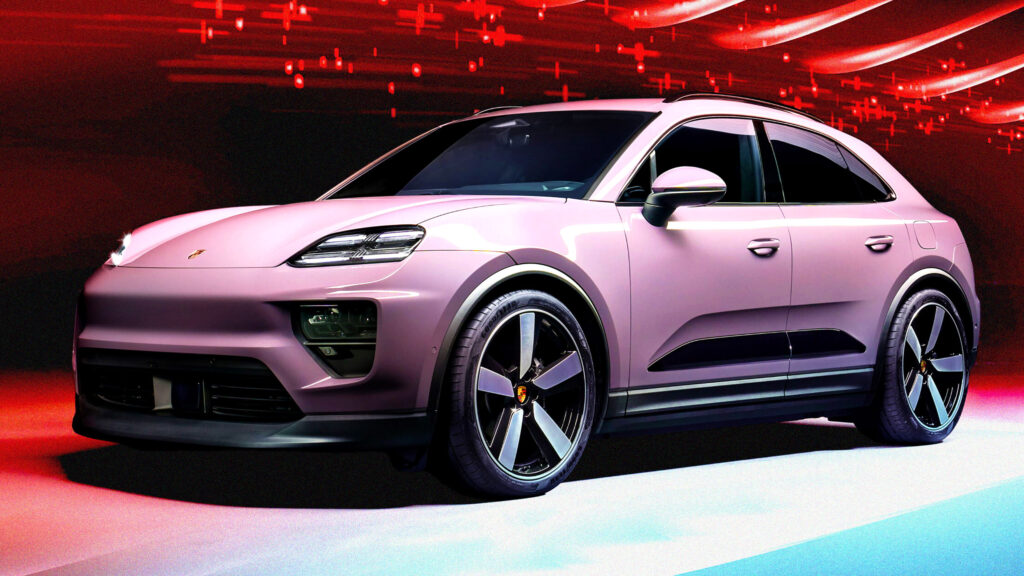
It is no secret that automakers are in code red mode as they try to figure out how to react to the US President’s sweeping tariffs, and now Porsche looks caught in the middle. A new report surfaced today claiming Porsche dealers have not received shipments of new vehicles from US ports for several weeks. However, when we reached out to Porsche North America, a spokesperson said that is not the case.
“As you might imagine, we are challenging this article, as cars are being shipped from our ports to dealers, ” a Porsche spokesperson told Carscoops. “In fact, in April alone a four-figure number of cars were delivered to our sites across the US”.
More: Porsche Cayenne Turbo GT’s $63K Depreciation After Just 1 Year Makes It A Steal
That stands in contrast to an Autonews report that spoke to several dealers who claimed Porsche, like its Audi stablemate within the VW Group empire, has reportedly stopped delivering new vehicles. “They are not releasing the vehicles to us,” said one dealer who wished to remain anonymous. “I think Porsche is waiting for the administration to arrive at a realistic tariff number.”
Another dealer told the publication that “everything is being held,” while a third stated, “We’re OK temporarily. The inventory levels that we have will take us through May.” By then, Porsche’s dealers hope that the VW Group’s negotiations with the Trump administration will have a satisfactory outcome, which would keep their business pretty much intact.
Porsche’s Vulnerability to Tariff Impact
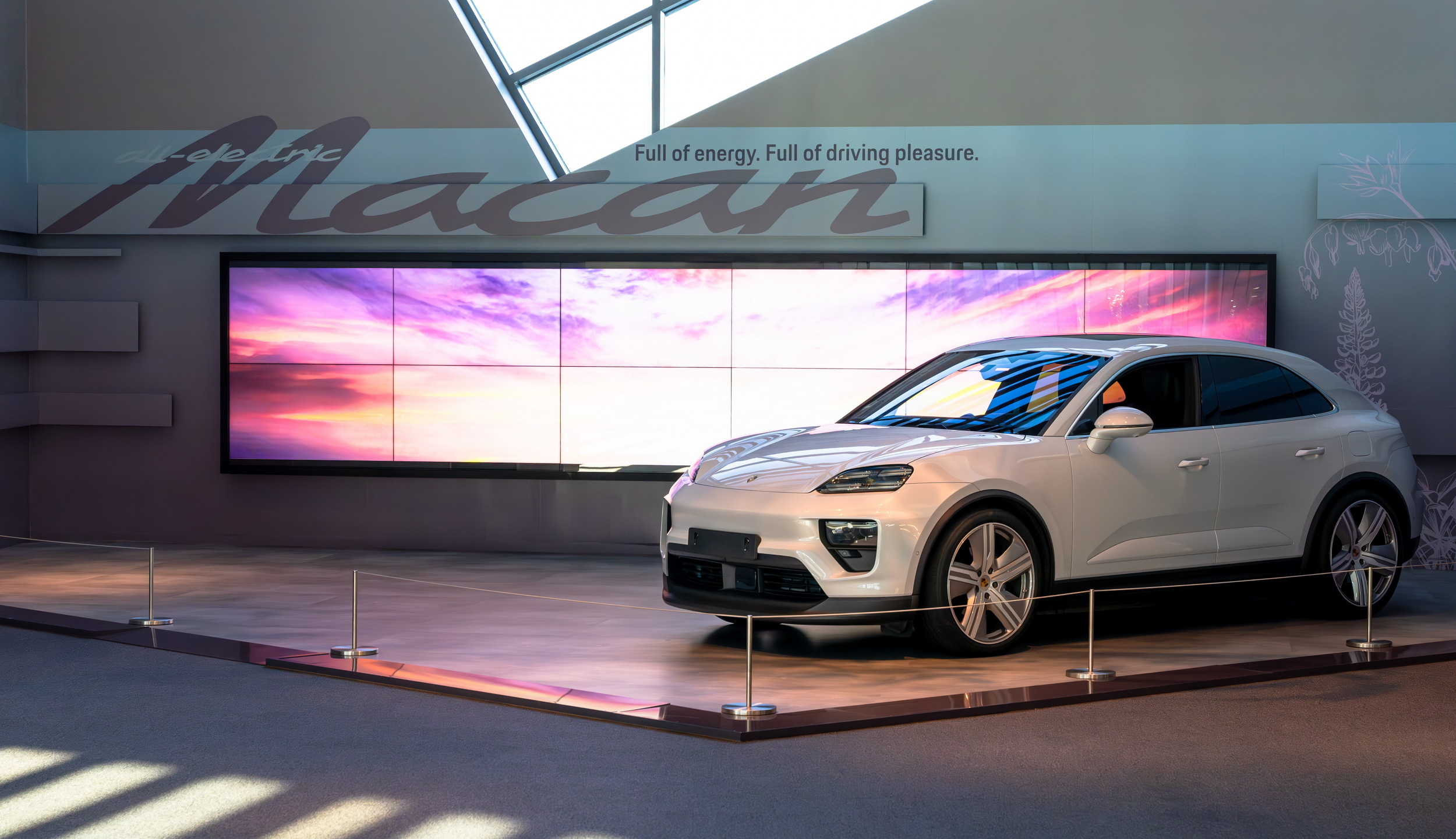
Porsche is one of those automakers that have the most to lose from Trump’s policy, as all vehicles it sells are imported from Europe and, unlike Audi, doesn’t plan to build a US plant to manufacture its cars locally because its low volume doesn’t justify the considerable expense.
More: Porsche Made One Of These Street-Legal Beasts And It’s Still Daily Driven
The reason Porsche dealers have enough inventory for at least one more month is due to the company shipping extra vehicles to the US ahead of the date the tariffs were implemented and has kept its pricing stable for customers who placed their orders in March. This information was reportedly shared by the brand’s execs to investors and analysts in April.
Playing It Safe With Customers, For Now
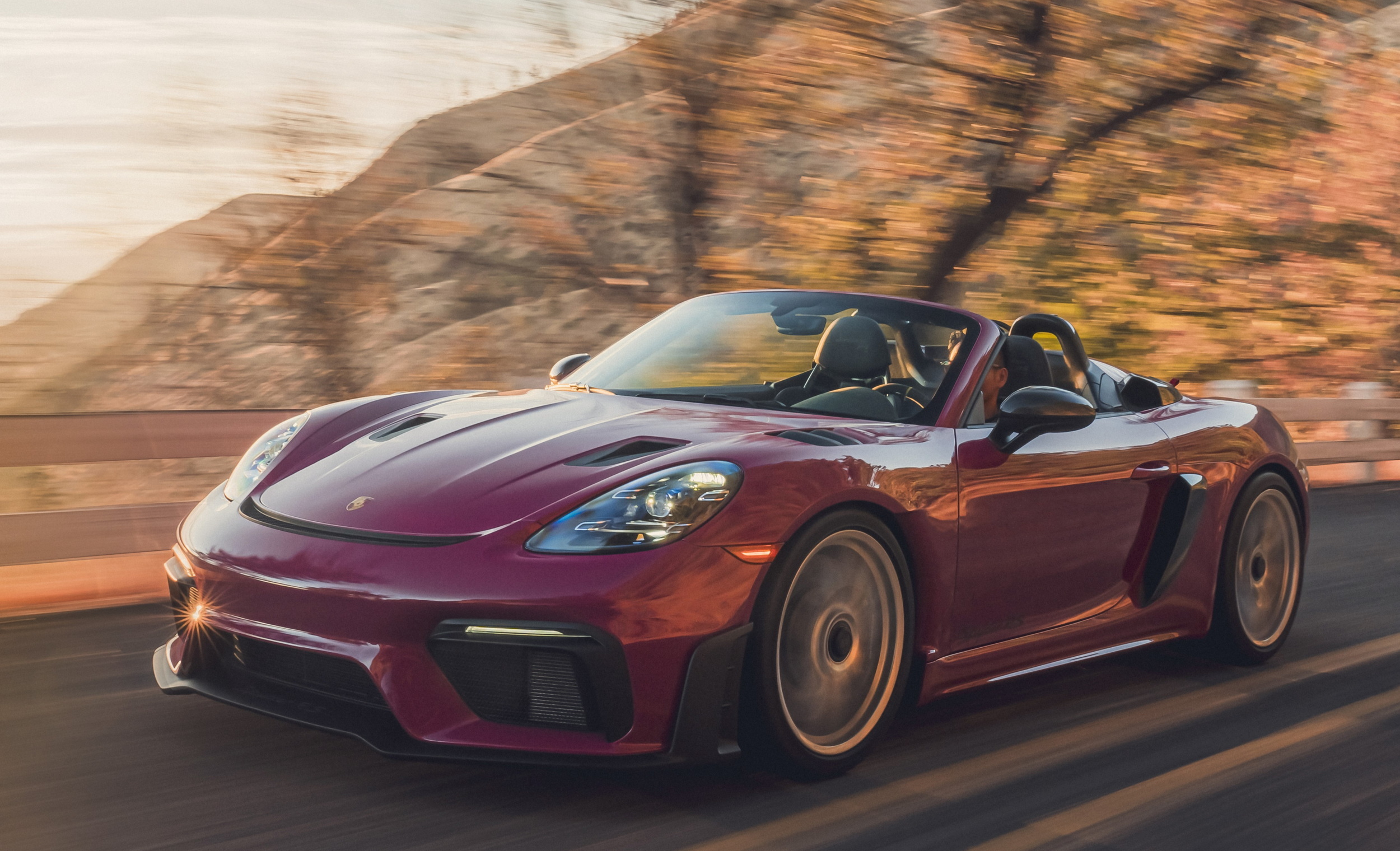
Whatever the case might be, not making any announcements just yet was a wise decision on Porsche’s part. That’s evident from customer comments on Rennlist: “I have a Spyder 4RS coming and if they try some crap like raising the price when it arrives, Ill tell them to go (explicit) themselves. But I honestly cannot see that happening with orders already in place,” wrote one user.
Seems that, even though most Porsche customers likely have other cars in their garage and can afford to wait a couple of months or so to see how this whole thing turns out, not all of them are willing to pay more what they originally agreed to.
Porsche addressed the situation directly in a letter to its North American dealers, outlining its strategy for managing the impact of the tariffs and reassuring them about the steps being taken to protect customers. The letter, also shared on Rennlist, stated:
“Porsche is carefully reviewing the recent Auto Tariff Executive Order and its implications, with customers front of mind. In the near term, Porsche has taken significant steps to help us with a healthy supply of cars that are unaffected by tariffs. In some instances, customers with vehicles on order may be offered an opportunity to immediately purchase a car from an existing supply of cars unaffected by tariffs. Customers wishing to keep their orders or place new orders will be provided with updates as Porsche deploys a concrete plan to adapt to the newly implemented policies.”
We have asked Porsche about possible price increases, both for vehicles already ordered and currently being shipped or at port, as well as for future deliveries. So far, we have not received a response.