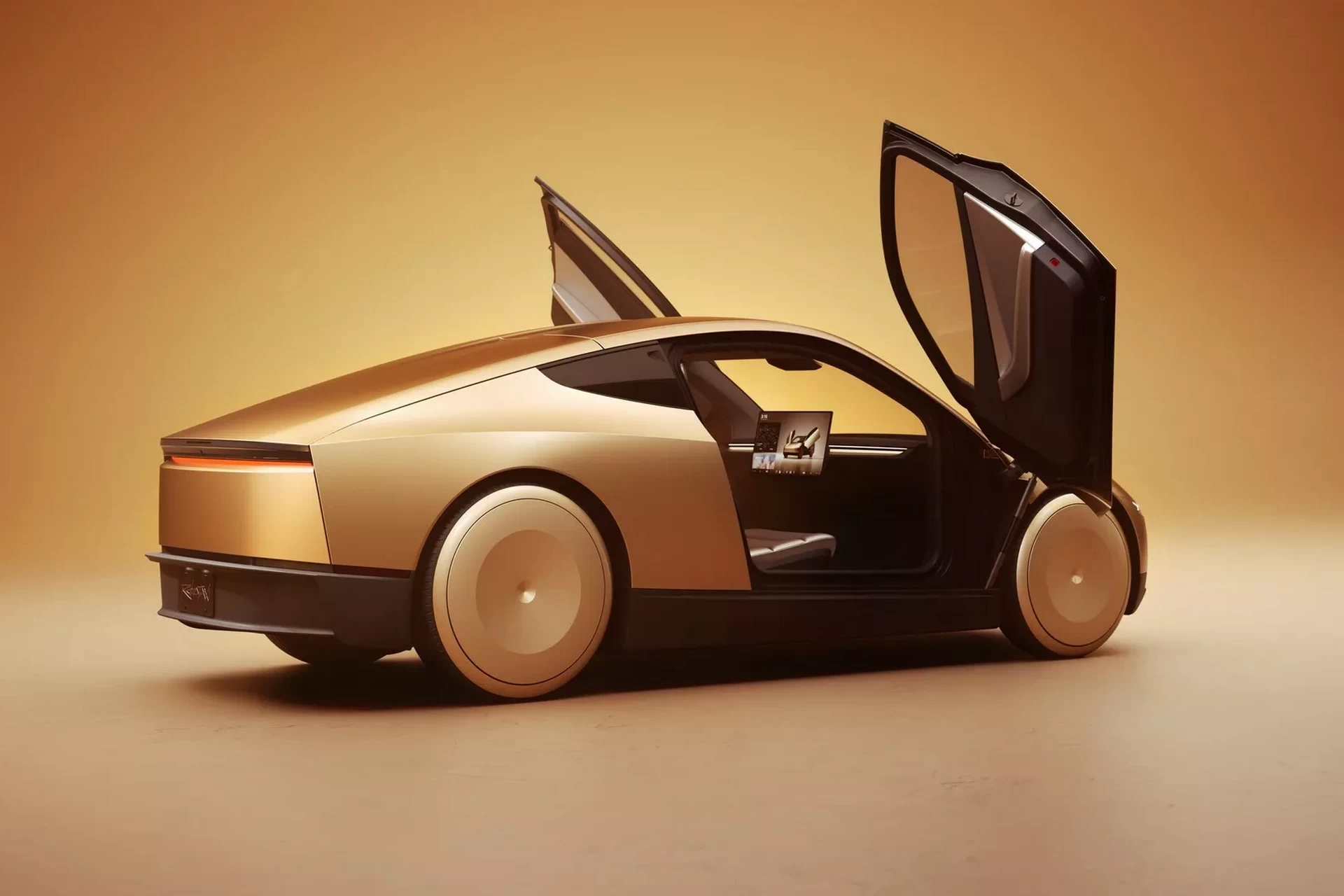


- Tesla blocked lease buyouts to reserve vehicles for a robotaxi fleet, then resold them.
- Software upgrades inflated their resale prices, benefiting Tesla but frustrating lessees.
- Amid falling demand for used Teslas, the company reversed its lease buyout policy.
Until recently, Tesla lease customers were left with no option to buy their cars at the end of their lease term. Why? Because Elon Musk was sure that these cars were just biding their time until they could be turned into autonomous robotaxis.
Fast forward a few years, and, surprise, the robotaxi future hasn’t materialized. So, instead of the cars joining some high-tech fleet, Tesla decided to flip them for more profit, and customers aren’t exactly thrilled about it.
More: Yes, New Car Prices Did Jump After Trump Announced Tariffs, Data Proves
In a 2019 earnings call, Musk stated, “You don’t have the option of buying. We want them back.” The “them” being the cars, of course. He went on to confidently predict that by the following year, Tesla would have “over 1 million robotaxis on the road.” The idea was that the hundreds of thousands of leased Teslas would eventually join this futuristic fleet. Tesla even told its lease customers this was the exact reason they couldn’t buy the car they’d been driving.
According to a new report from Reuters, those same cars from 2019 to 2024 ended up with upgrades. And then, Tesla put them back up for sale or sold them via auction. From a business perspective, it’s a savvy move. It costs Tesla basically nothing to upgrade these cars via software and then “jack up the price”, according to an unnamed source who spoke to the outlet.
In some cases, that meant an acceleration boost worth around $2,000. In others, it meant the addition of Full Self-Driving (Supervised) tech, which has cost some customers up to $15,000 at times, though now it’s back down to $8,000.
On the used market, these cars fetched far more than they would have if Tesla had simply let the lessees buy them at the end of their term, particularly during the Covid-induced price surge. Needless to say, customers weren’t thrilled to learn their car had been sold off without their knowledge. One particularly upset owner even called out the brand publicly.
A Shift In Policy
Things changed in late 2024, however. On November 27, Tesla announced that lessees would now have the freedom to buy their car at the end of their term. Why the change, especially if the automaker is closer than ever to Level 5 autonomy as it claims? Values are dropping faster than ever before. On top of that, competition is getting better, and Tesla’s public perception is struggling right now.
Allowing lessees to buy their vehicle is what most of the auto industry sees as a no-brainer since the customer is already there and connected to the car in question. Of course, this depends on the buyout price, which, in many cases, is still inflated. For instance, the buyout price for a standard Model Y AWD is a hefty $33,251 before taxes, which is higher than current market prices for three year old examples.
Still, the damage done by Tesla to its customer base might be irreparable to a degree. One customer told Reuters that “I love the car, I just don’t like what has been going on at the top with the CEO. I don’t want to be associated with that anymore.” At least Tesla’s new plan seems to be to build its own Robotaxi fleet. Whether it gets to even call it that remains up for debate.