











- Ferrari introduces the new Amalfi as the successor to the discontinued Roma.
- Entry-level grand tourer packs a 631 hp twin-turbo V8 with 560 lb-ft of torque.
- Updated cabin features a new infotainment display and a more traditional layout.
Ferrari introduced the Roma in the fall of 2019 and quietly wrapped up production last year. However, its spirit lives on in the new Amalfi.
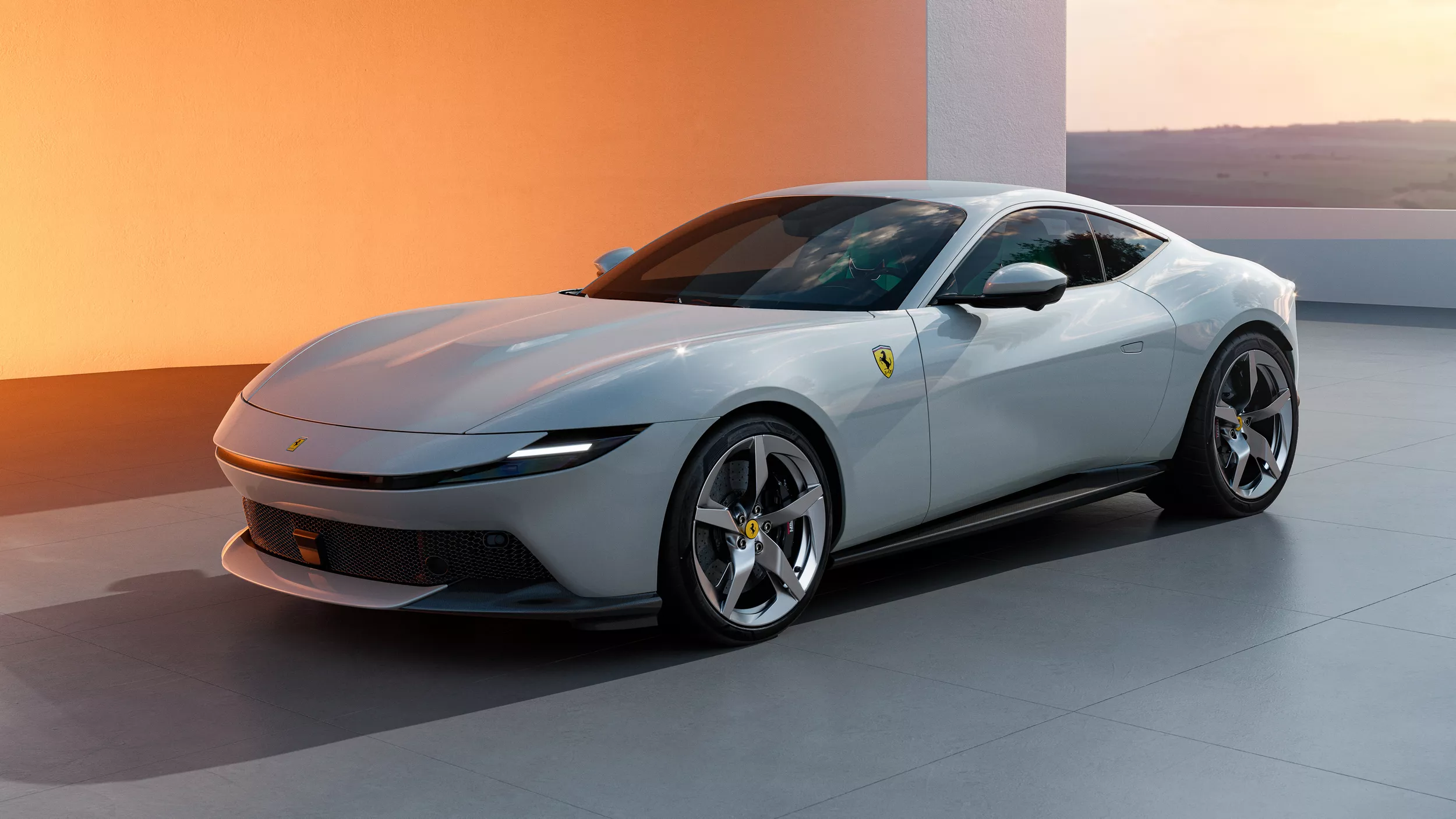
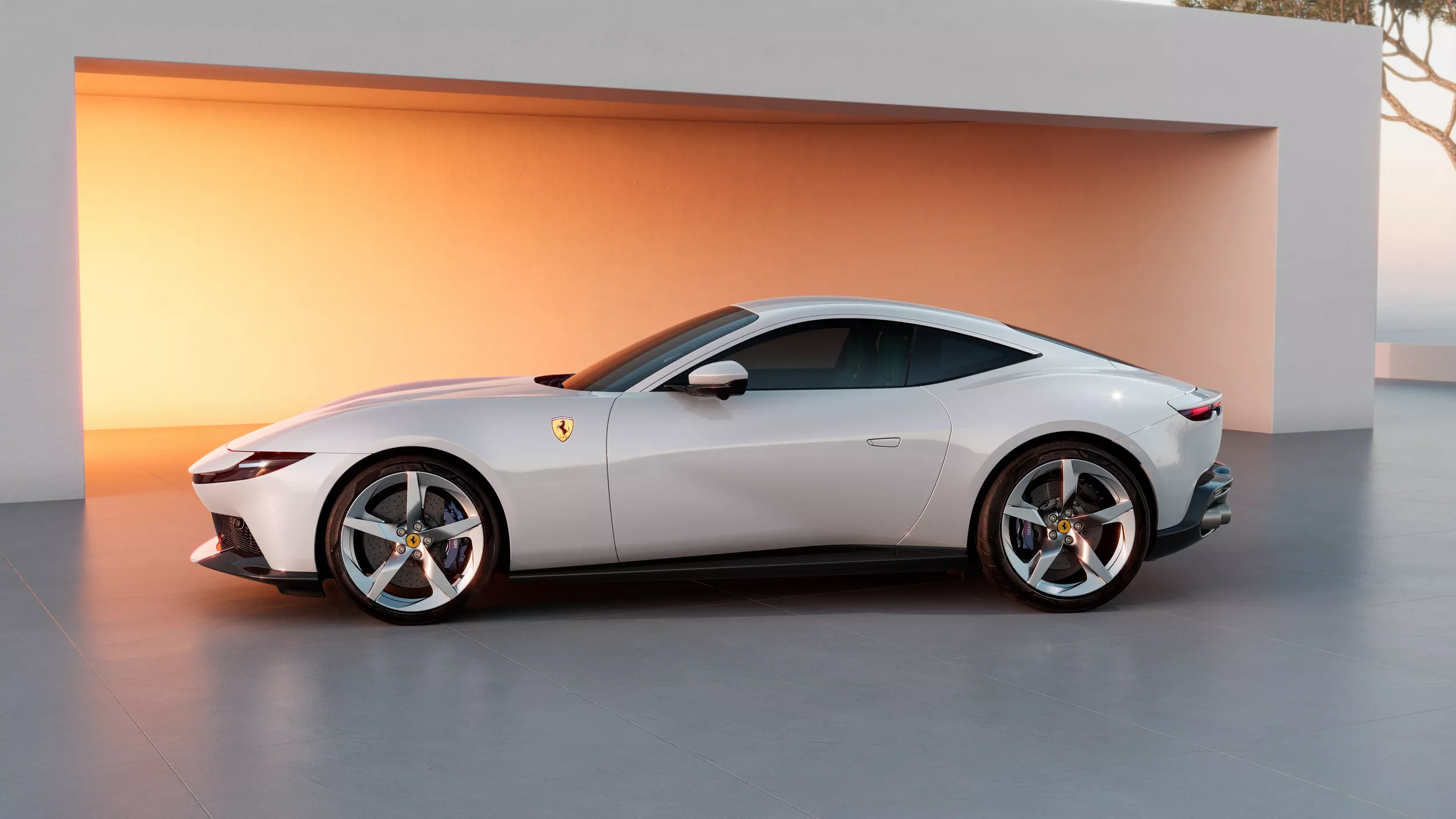
Essentially a facelifted version of its predecessor, the Amalfi promises to redefine “contemporary sportiness” by “combining high performance, versatility, and refined aesthetics.” The model also sports an upgraded powertrain as well as a revamped interior.



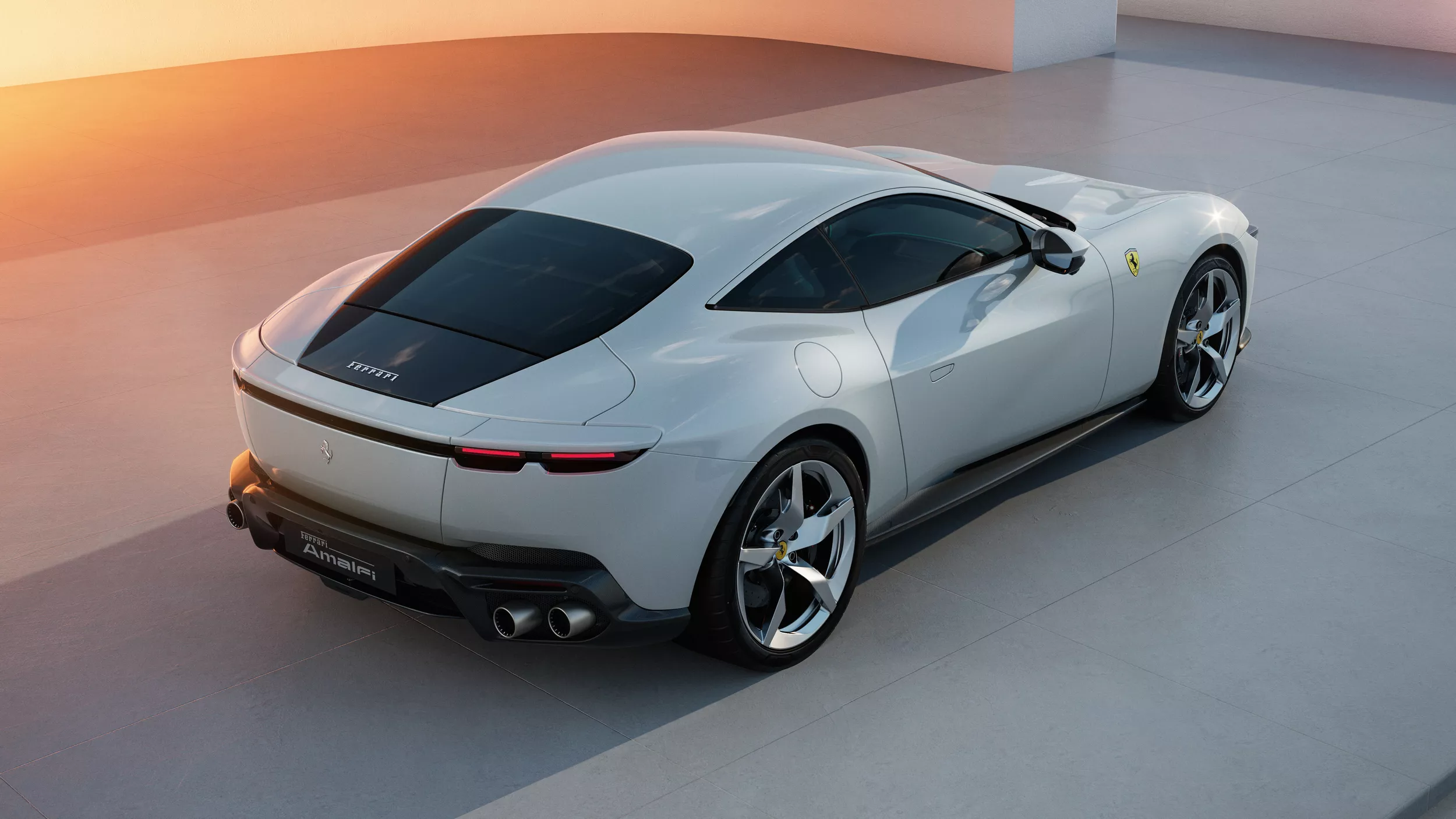



Starting under the hood, the Amalfi has the latest evolution of the company’s twin-turbo 3.9-liter (3855 cc) V8 engine. It produces 631 hp (471 kW / 640 PS) and 560 lb-ft (760 Nm) of torque. That’s an increase of 20 hp (15 kW / 20 PS) and it enables the model to accelerate from 0-62 mph (0-100 km/h) in 3.3 seconds, before hitting a top speed of 199 mph (320 km/h). This makes the car a tenth of a second faster than its predecessor, although the top speed remains unchanged.
Ferrari said the engine has upgraded turbochargers, dedicated pressure sensors for each cylinder bank, and a redline that has been raised to 7,600 rpm. They’re joined by a new engine control unit, a redesigned block, and lightweight camshafts.
The engine is connected to an eight-speed dual-clutch oil-bath transmission. It’s been “further optimized with a more powerful control unit and deeper integration with the engine software, improving shift smoothness and speed.”
Elsewhere, the Italians tweaked the silencer layout to meet strict noise regulations without compromising the car’s signature tone. The company added the Amalfi has a new proportionally controlled bypass valve with dedicated maps to adjust the exhaust note to different driving conditions.
A Familiar, But Evolutionary Design

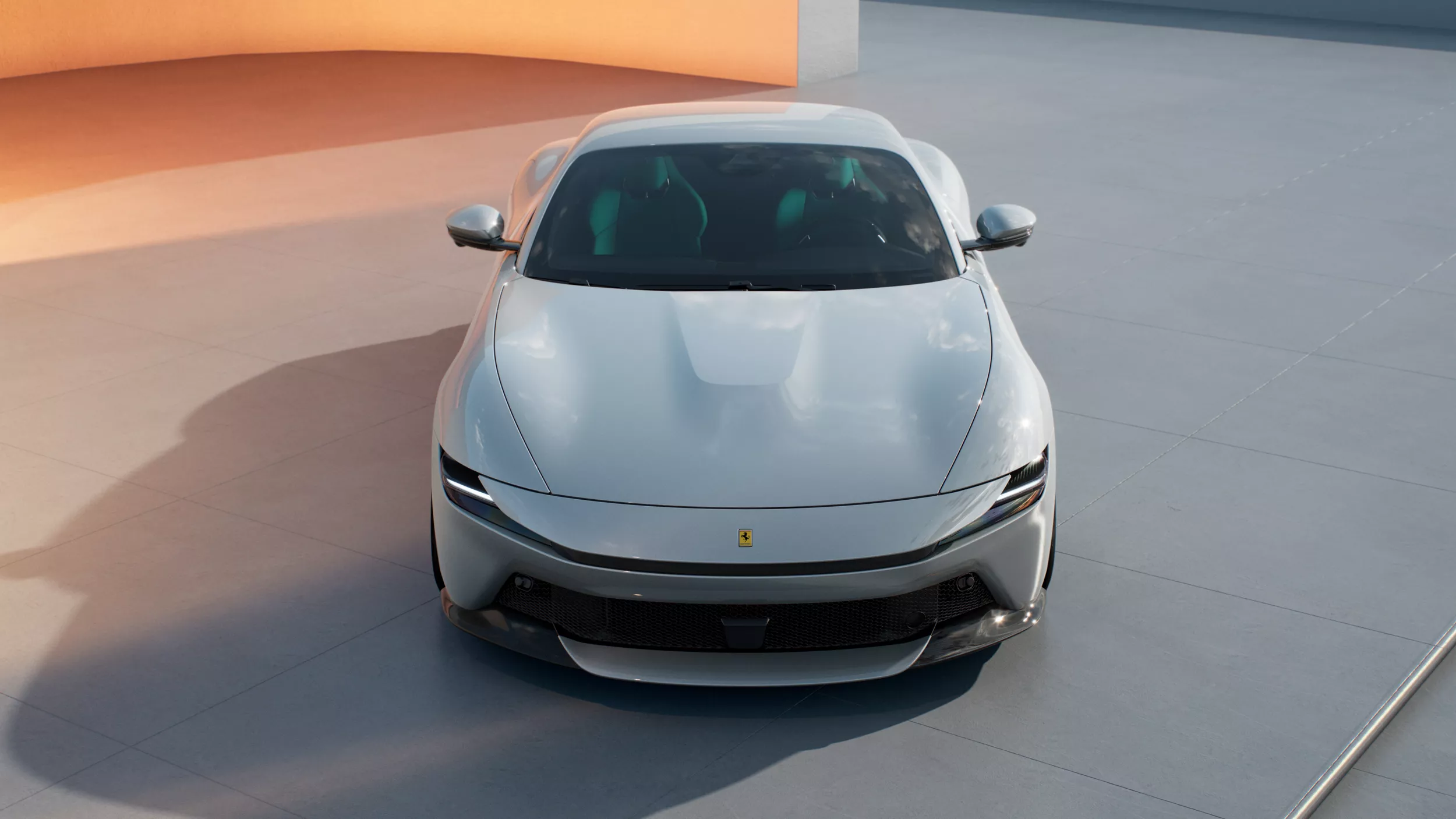
The car is instantly recognizable as a Roma derivative, despite its “more sculpted and modern form.” The front end has been completely revamped as the Amalfi trades a traditional grille for a wide lower intake and a dark bar that connects restyled headlights. They’re joined by a sizable splitter and discreet sensors.
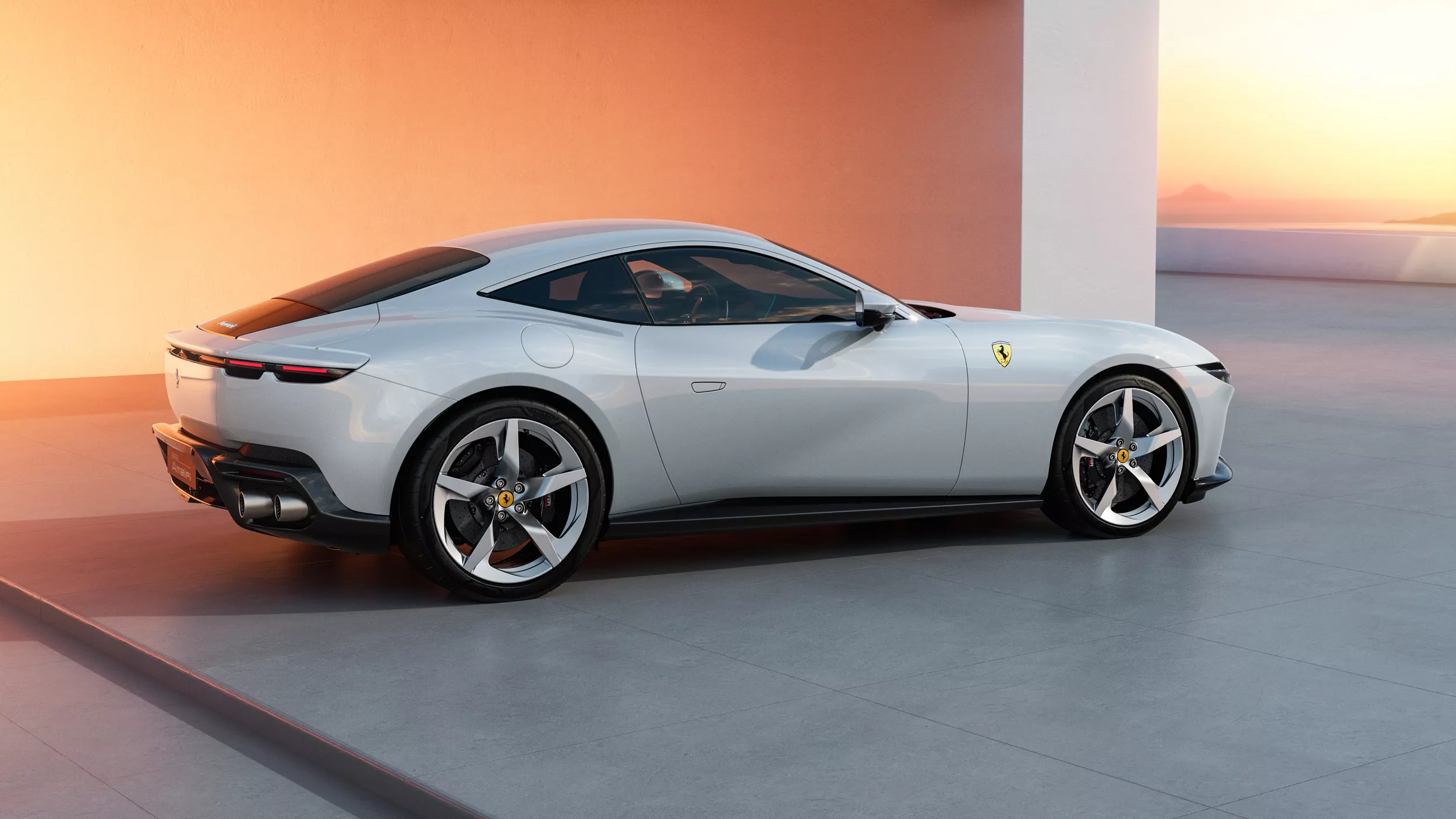
The car’s profile appears to carryover largely untouched, but Ferrari noted the model rides on 20-inch wheels. They can be wrapped in either Bridgestone Potenza Sport or Pirelli P Zero tires.
The rear end adopts a curvaceous fascia and a license plate recess that has been relocated near the diffuser. Designers also gave the Amalfi new vents and taillights.
A More Traditional Interior With Buttons


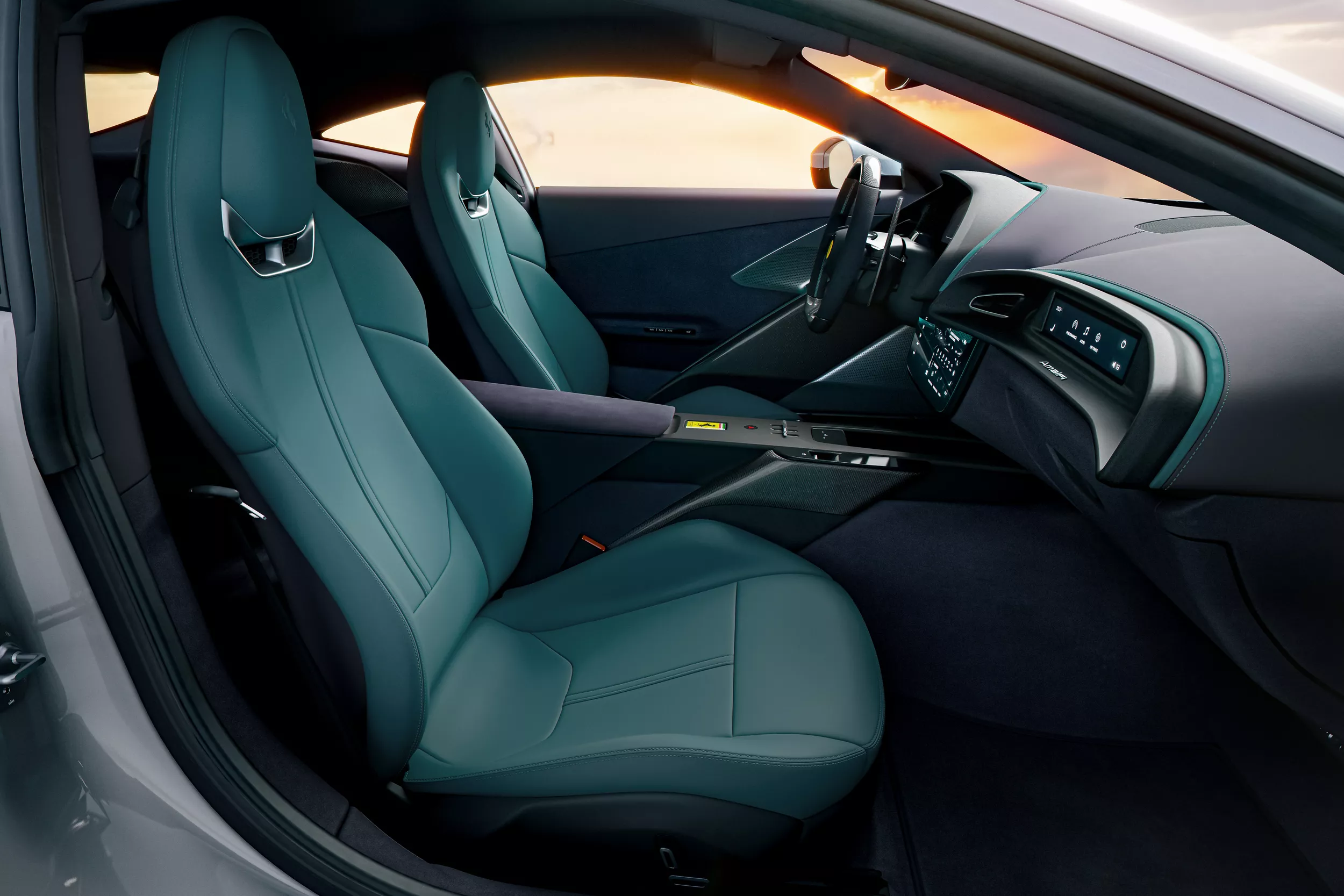
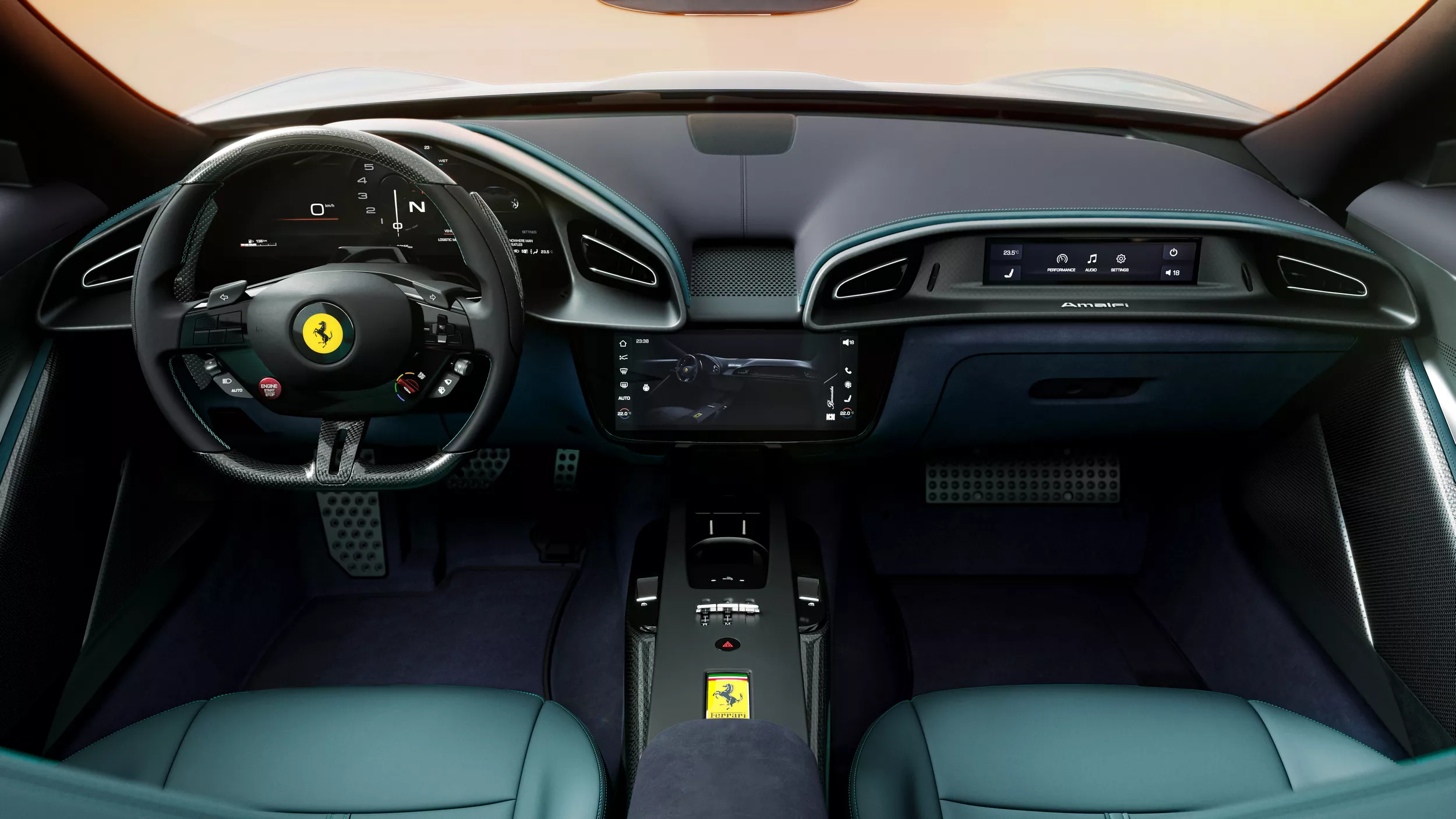
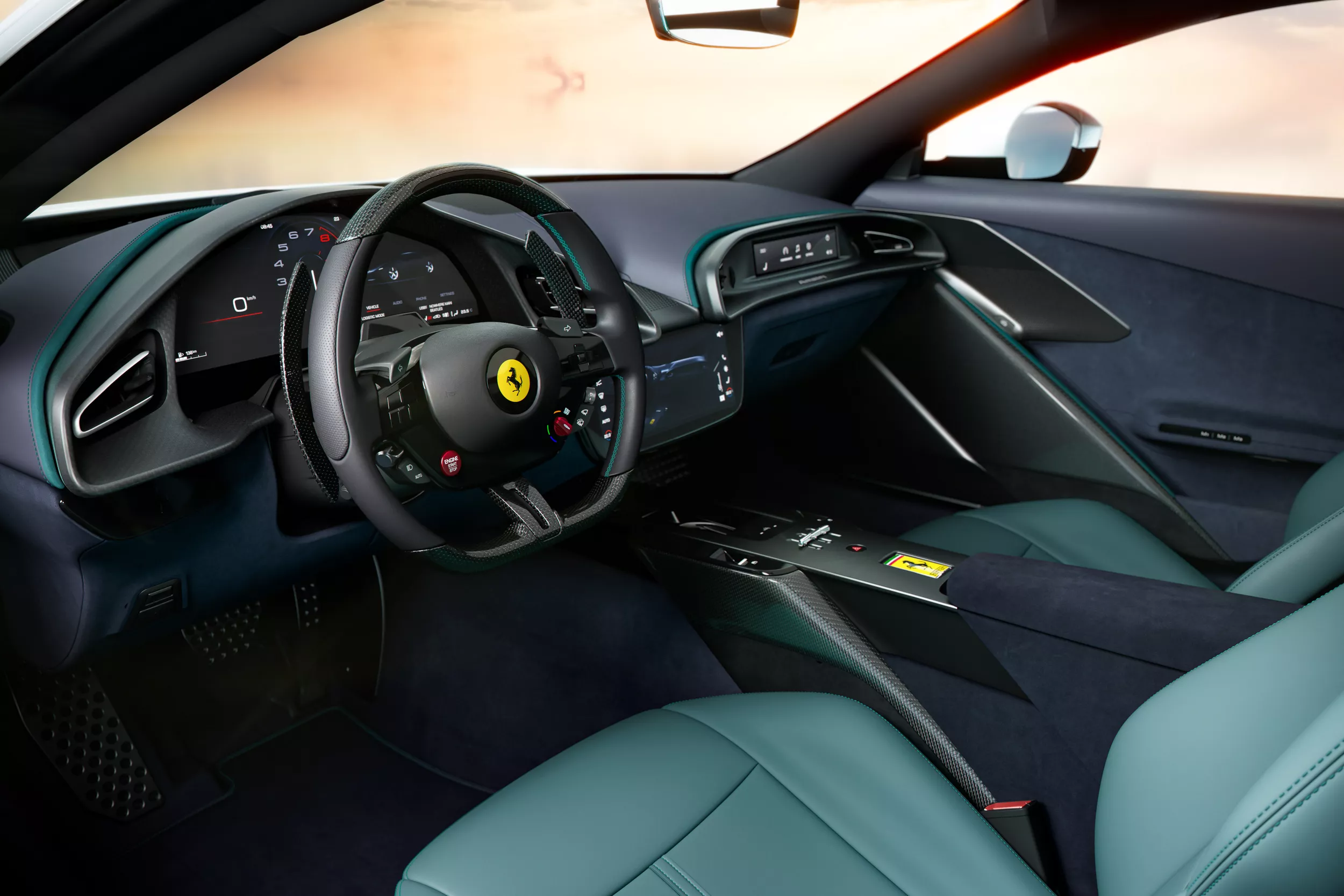
Some of the biggest changes occur inside as the cabin has been completely revamped. As part of the makeover, the car adopts a new dashboard and ditches the ramp-like structure that separated drivers from passengers.
The changes enabled the company to install a more traditional 10.25-inch infotainment system with Android Auto and Apple CarPlay. It features a landscape layout and is significantly larger than the old 8.4-inch system, which had a portrait orientation.
On the topic of displays, there’s a 15.6-inch digital instrument cluster and an 8.8-inch front passenger display. The latter can amuse trophy wives with stats about engine revs and G-forces.

Drivers sit behind a new steering wheel, which has an evolutionary design as well as physical switchgear. This includes the return of an aluminum start button.
The center console is milled from a block of anodized aluminum and features a gear selector gate, a key slot, and a wireless charging pad. We can also see carbon fiber accents as well as a minimalist armrest.
Ferrari didn’t say much about the interior, but the model offers comfort seats that are available in three sizes. They’re ventilated and have a massage function, which uses ten air chambers to make long trips more relaxing. Customers can also opt for a Burmester premium audio system that has 14 speakers and 1,200 watts of power.
A Better Driving Experience

While the car builds on the Roma, the Amalfi introduces several notable changes including a brake-by-wire system that “significantly improves braking efficiency, reduces pedal travel, and enhances modulation.” The car also comes equipped with an ABS Evo system, which has been “adapted to ensure optimal performance on all surfaces and in all Manettino modes.”
The changes don’t end there as the electric power steering system has an upgraded grip estimation function. It’s 10% faster and more accurate, even on surfaces with very low traction.
Drivers will also find a host of assistance systems including Adaptive Cruise Control, Automatic Emergency Braking, Blind Spot Detection, and Lane Departure Warning / Lane Keeping Assist. Other highlights include Rear Cross Traffic Alert, Traffic Sign Recognition, and a Surround View Monitor.
