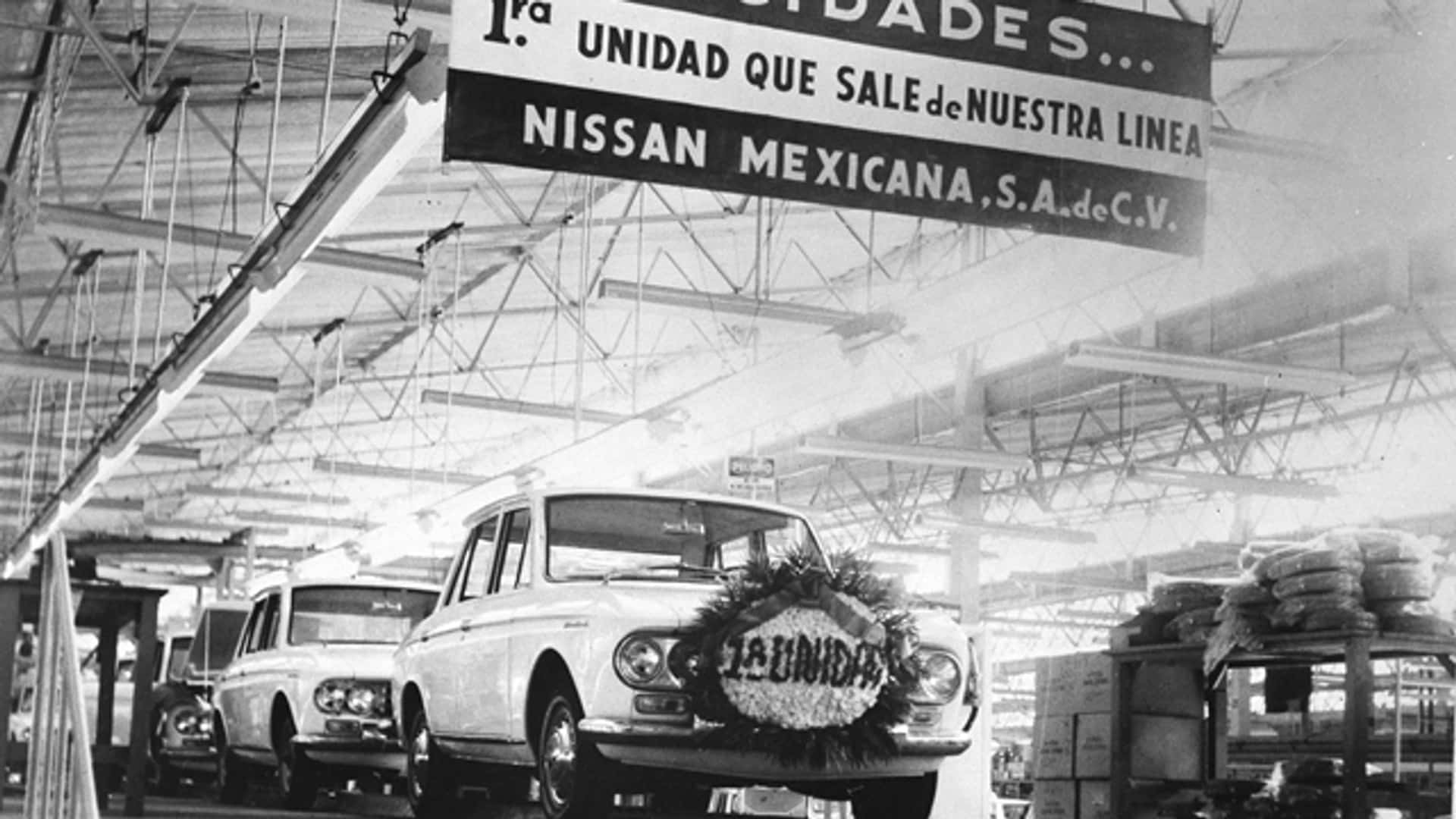









- The CIVAC Plant in Cuernavaca, Mexico, was opened in 1966 and has been expanded since.
- In 2019, the factory built its six millionth car and currently makes the Versa and Frontier.
- Nissan is cutting global production capacity from 3.5 million to 2.5 million vehicles.
After decades of continuous operation and millions of vehicles produced, one of Nissan’s longest-running international plants is preparing to shut its doors. Following earlier reports, he company has now onfirmed that production will end at its CIVAC facility in Cuernavaca, Mexico, by March 2026, marking the end of a significant chapter in its manufacturing history.
This announcement comes as part of a broader restructuring strategy that includes closing seven of Nissan’s global factories. Among those affected, the CIVAC Plant holds particular significance. It’s the automaker’s oldest factory outside of Japan, having operated without pause since 1966.
A Long Legacy of Production
The plant began life producing the Datsun Bluebird on a single assembly line. By 1975, it expanded with a second line and began building pickup trucks, starting with the 720 model. In 1978, the site grew further with the addition of an engine plant, deepening its role in Nissan’s North American operations.
Read: Nissan’s Radical Overhaul Will Slash Platforms And Speed Up Development
In the years that followed, the facility continued to reach major production milestones. In 1988, Nissan was the number one best-selling brand in the country and the plant celebrated its one millionth vehicle. It later took on export duties as well, building the Nissan Tsubame for the Japanese market starting in 1993. By 2000, the three-millionth vehicle had rolled off its lines, and in 2019, production surpassed six million units in total.
Current Output and Transition Plans
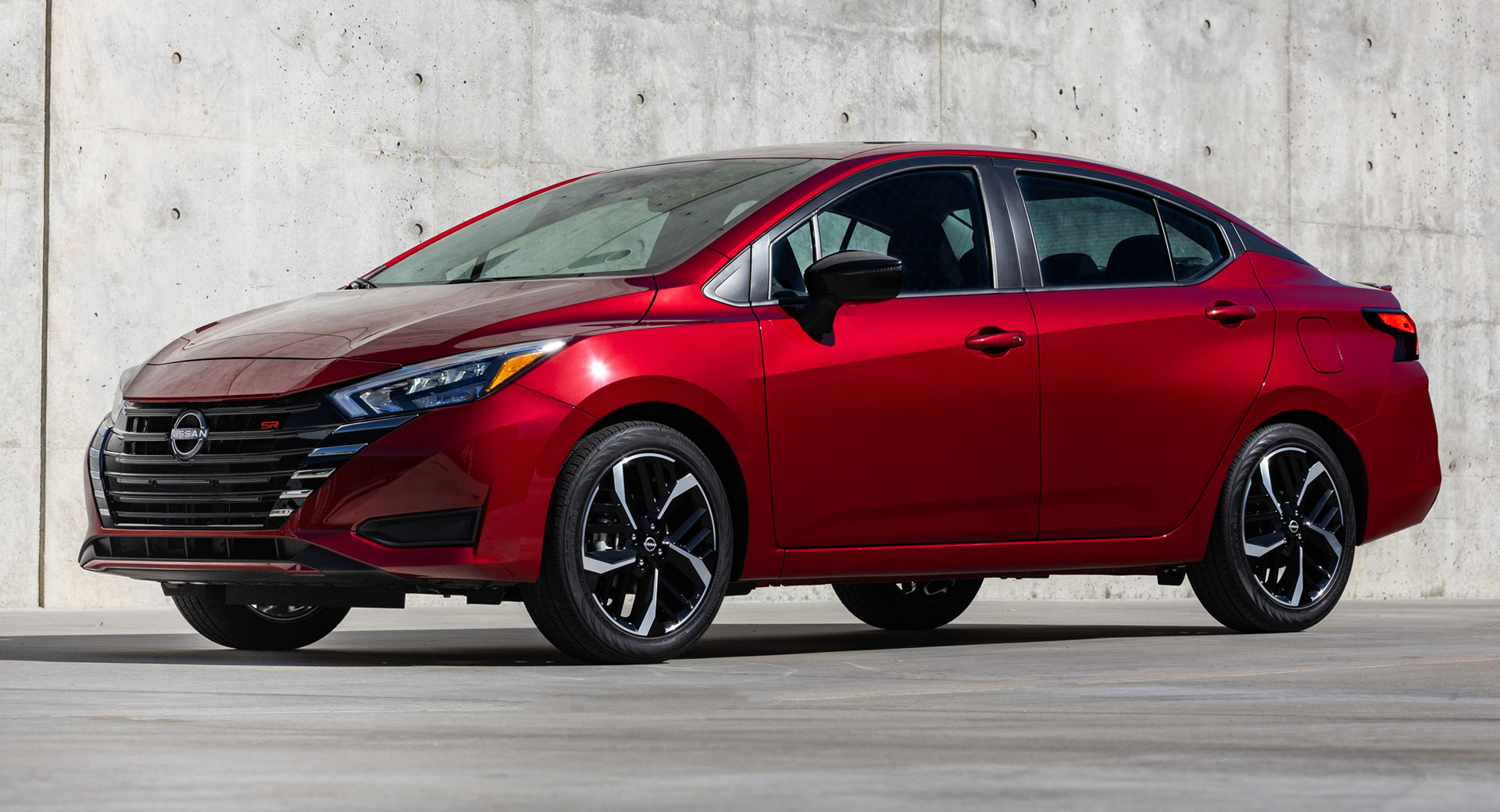
Currently, the plant handles production of the Nissan Versa, Frontier, and NP300/Navara. Nissan says it will consolidate production to its Aguascalientes Plant over the coming year before ceasing operations at the CIVAC Plant.
“For over 60 years, Nissan Mexicana has built a strong and trusted relationship with its stakeholders in Mexico, earning global recognition as one of the company’s flagship operations,” said Nissan chief executive Ivan Espinosa. “Today, we have made the difficult but necessary decision, that will allow us to become more efficient, more competitive, and more sustainable. Throughout this transition, we remain deeply appreciative of the invaluable contributions made by our collaborators at the CIVAC Plant.”
This move aligns with Nissan’s broader global restructuring effort under its Re:Nissan initiative. The company plans to reduce its total production capacity from 3.5 million to 2.5 million vehicles annually. The goal is to consolidate operations and raise efficiency by achieving close to full capacity at the facilities that remain active.