

- Hyundai’s design chief says it’s time to ditch LED light bars.
- “I’ve seen enough,” Simon Loasby told UK’s Car Magazine.
- The Concept Three unveiled this week has no front LED bar.
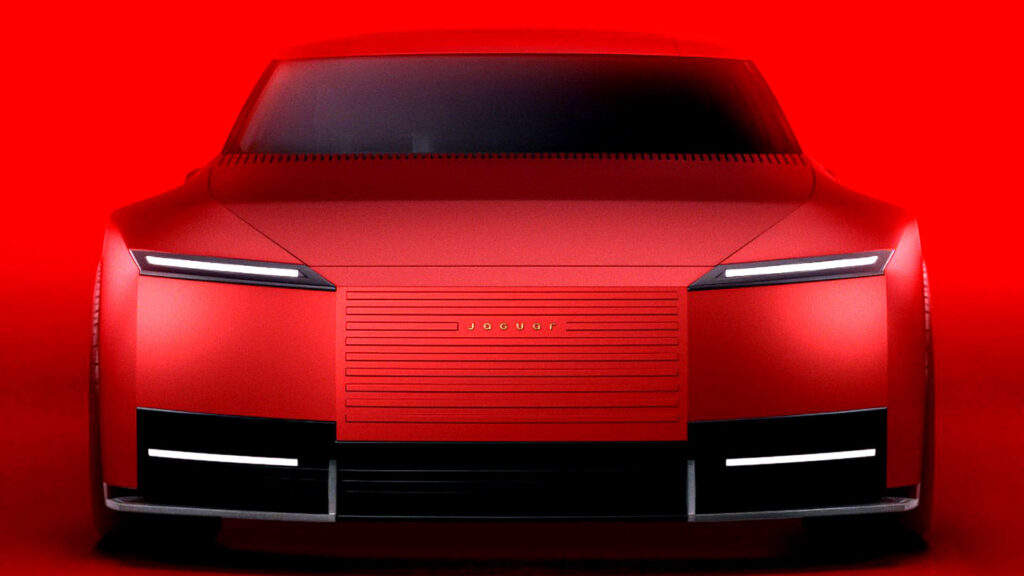
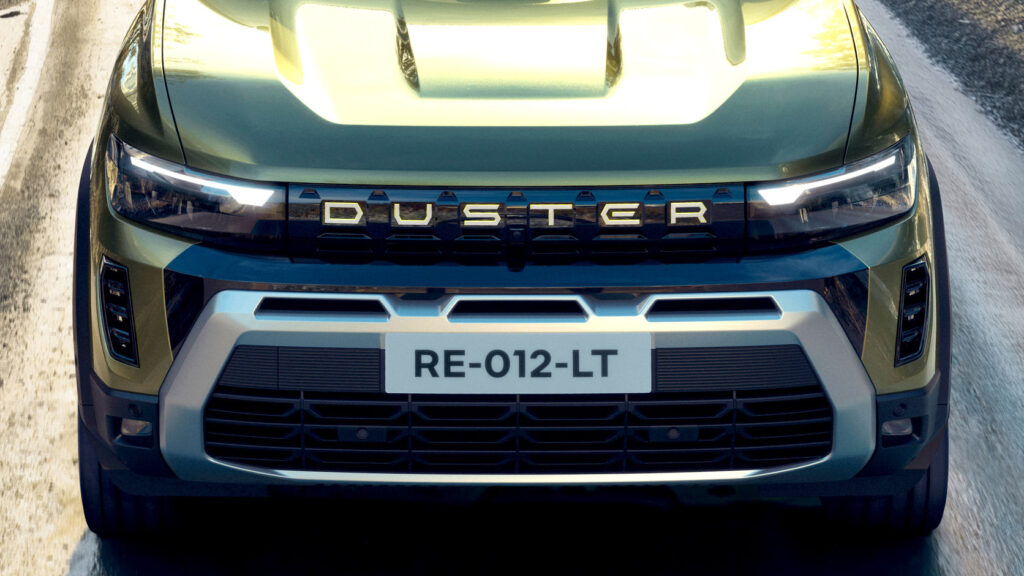
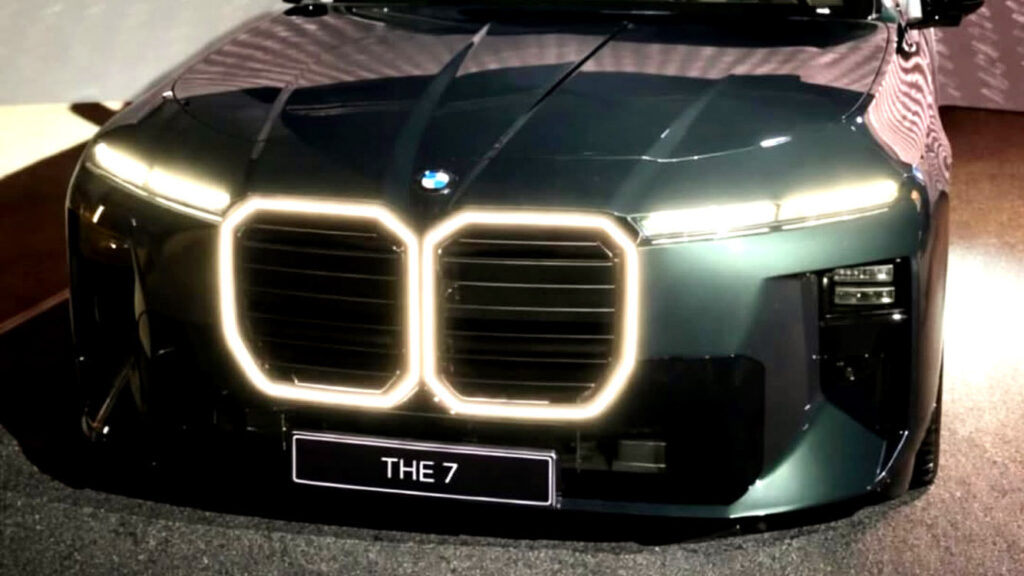
From split C-pillars to floating tablet-style touchscreens, when one automaker comes up with a killer new design trick that makes its cars stand out, it doesn’t take long for every other brand to jump on the idea. And then you’re back to all cars looking the same again. Which is why Hyundai’s design boss thinks it’s time to call time on the ubiquitous LED light bar in modern cars.
Also: You Won’t See Audis And BMWs The Same After This Makeover That’s Splitting Opinions
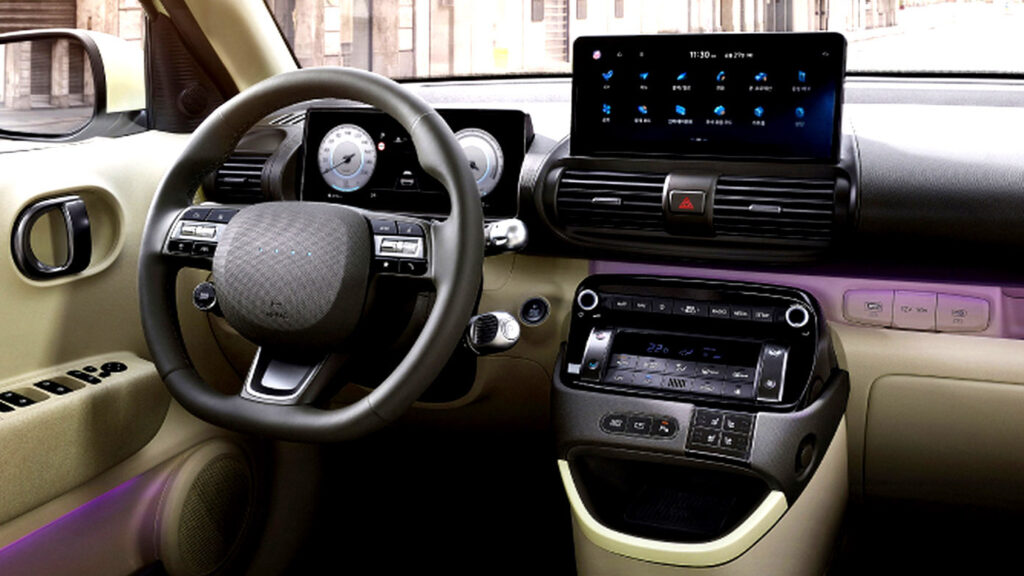
Hyundai was one of the pioneers of the recent light bar trend, and its designers really used it to good effect. Slapping a wafer-thin LED strip across the nose of cars as diverse as the Grandeur luxury sedan, Staria minivan, and Kona crossover created an interesting and instantly recognisable family face for Hyundai, something Korean brands have struggled with until recently.
But now every other new car seems to have an LED light bar at one or both ends, and head of Hyundai Style Simon Loasby thinks the feature is, well, overexposed.
Time To Move On?
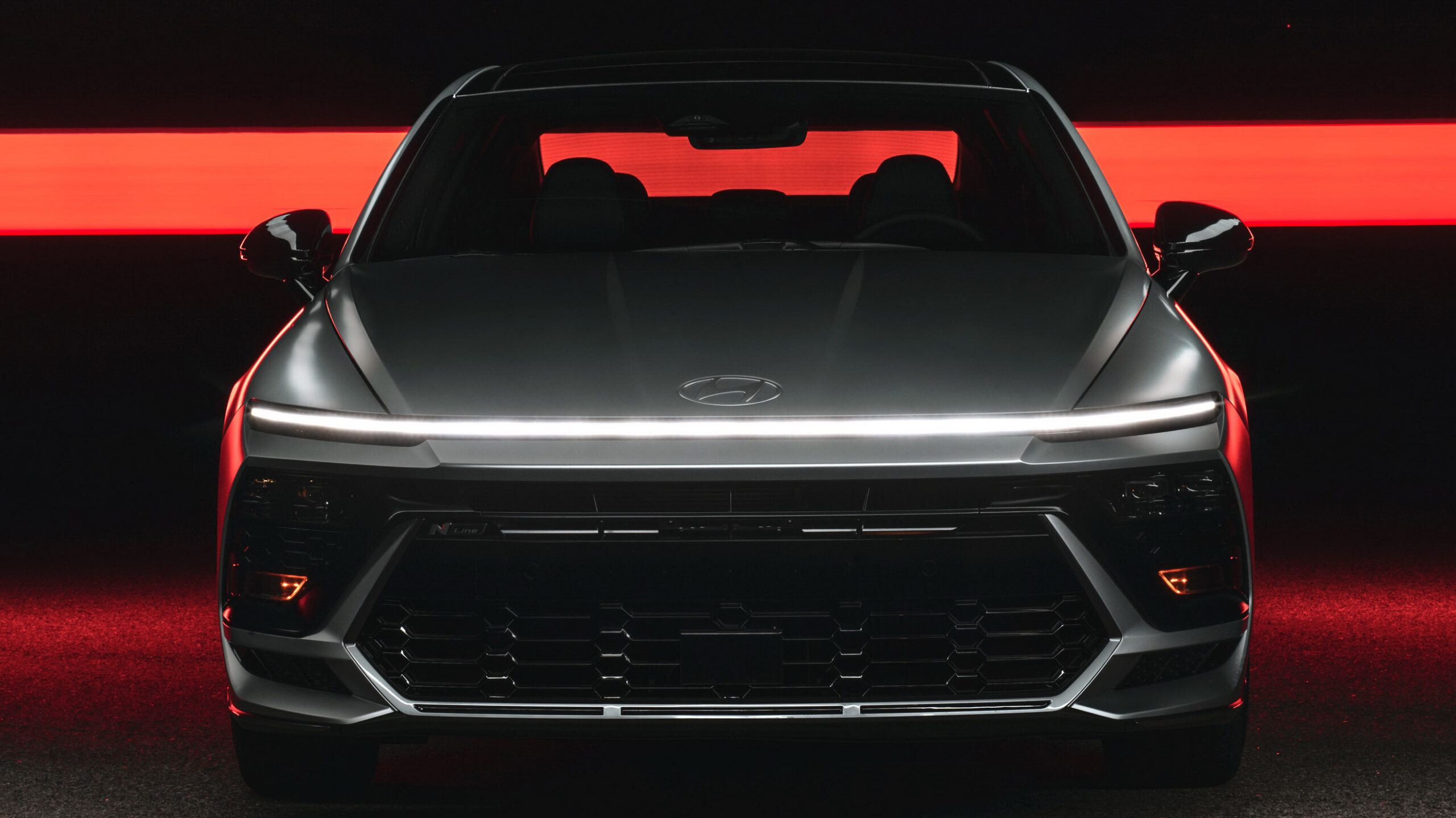
“When is the time you need to let go [of light bars]? It’s almost like the end of that,” Oasby told the UK’s Car Magazine at this week’s Munich Motor Show. “We’ve done it with the Grandeur, Kona and Sonata but now I’m like ‘guys, I’ve seen enough.’”
“It worked at the time, and it was absolutely right, the Grandeur was the first car with a one-piece structure,” the British-born former Rolls-Royce and VW designer continued. “The biggest thing is the cost level, you just can’t afford to do it and some customers don’t need it. Go to China and you must have it, but in Europe you don’t need it so much.”
Chasing Variety, Not Uniformity
Loasby says Hyundai’s designers are aiming for consistency without falling into repetition. “We are looking for consistency but huge differentiation,” he explained. “On a European context, that’s probably wrong what we are doing. But it’s right for us, and we have such a broad portfolio, it gives us a very big creative challenge per car. The 80 per cent difference and only 20 per cent recognisable and familiar, instead of 20:80. But it makes sense for Hyundai.”



Hyundai
It hasn’t escaped Loasby’s attention that light bars aren’t the only design feature rival brands have appropriated. The company’s pixel illumination, or something very similar, turned up on Fiat’s Grande Panda, though Hyundai has since evolved the design.
More: Veloster’s Reincarnation Could Arrive As An Ioniq 3 N Hot Hatch
The Concept Three, which debuted at Munich – widely acknowledged to preview next year’s Ioniq 3 hatch – had a graduated version of the pixel illumination tech. It also had no front transverse light bar…