










- Proposal removes only the decal, not annual registration rules.
- Digital systems reduce fraud and improve efficiency overall.
- Cutting decals could save taxpayers millions every year.
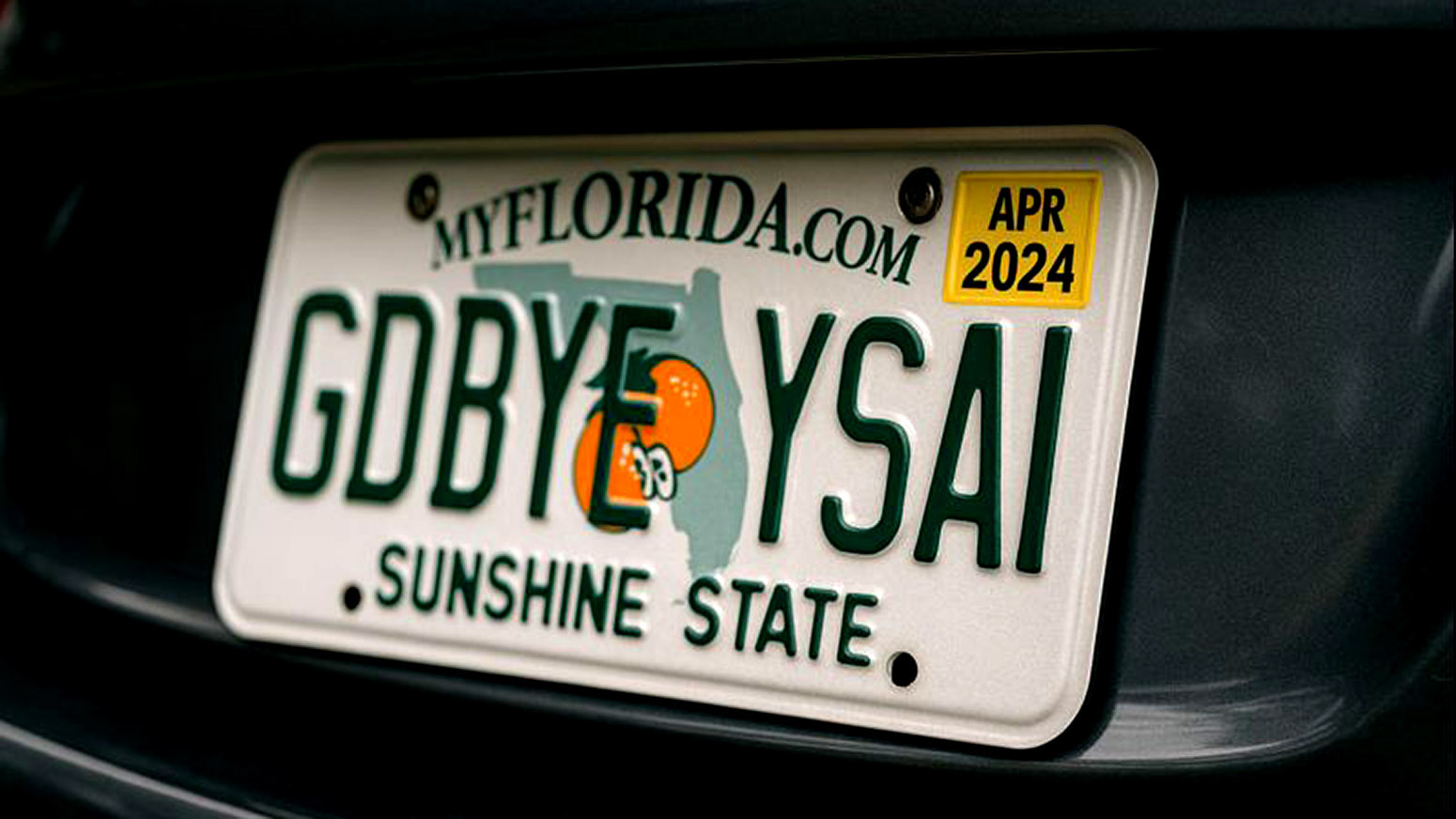
Florida might be about to ditch one of its more tedious rituals: the annual license plate sticker. That small decal, peeled off and slapped on once a year, could soon become a thing of the past for drivers in the Sunshine State.
A new proposal aims to end the tradition, citing cost savings, reduced fraud, and a shift toward smarter tech as the main motivators. Leading the charge is Miami-Dade County Tax Collector Dariel Fernandez, who introduced the plan late last week.
More: Texas Now Requires Proof Of Legal Status To Register A Vehicle
“My responsibility is to advocate for smarter, more efficient, and more cost-effective solutions that put our residents first. This proposal represents real savings for taxpayers, reduces fraud, and embraces the technology we already have to better serve Florida families,” Fernandez explained in a post.
Why Stickers Are on the Chopping Block
Crucially, Fernandez emphasized that the proposal does not eliminate vehicle registration or the requirement to renew annually. Instead, it targets only the physical decal, a component he argues has outlived its usefulness.
“It fades, peels, gets stolen, and costs our residents money every year. Eliminating the physical decal is a common-sense step forward for our state,” he said.
Miami-Dade residents alone could save millions annually through reduced production, mailing, and replacement costs. Several states have already moved in this direction, shifting entirely to digital verification while maintaining annual registration rules and requiring drivers to carry their registration card.
Fernandez framed the initiative as part of a broader mission to streamline government processes and eliminate outdated requirements.
“We should not be asking families to stick something on their license plate when our technology already verifies registration in seconds,” he said.
When asked about the plan, most residents interviewed by local news outlet News 6 seemed to support the change. “It’s just one less thing to worry about,” said Gideon Lewis. “It’s like paying taxes once a year, so you don’t have to worry about it.”
“It makes it a lot trickier to try to do everything day to day and try to keep up with doing this every single year,” said another person.
The next step will be Fernandez formally presenting the proposal to state lawmakers, likely early next year.