











- Peugeot tested its square wheel on an E-2008 prototype.
- Futuristic wheel uses steer-by-wire with variable ratio steering.
- Testers say the system reacts too quickly at very low speeds.
Peugeot isn’t just tinkering with design quirks, it’s actively pushing to bring its experimental ‘Hypersquare’ steering wheel into the real world. The company is pairing the concept with a new steer-by-wire system slated for the next-generation 208.
Nearly three years after first unveiling the square wheel in early 2023, the Stellantis brand has started testing it in earnest, and it’s already let a few journalists take it for a spin.
Read: Peugeot’s Concept For Next 208 Reinvents Driving Starting With A Square Steering Wheel
Much like Tesla set off the tablet-style infotainment craze, its steer-by-wire tech and unconventional yoke steering stirred up fresh interest in non-traditional driver interfaces.
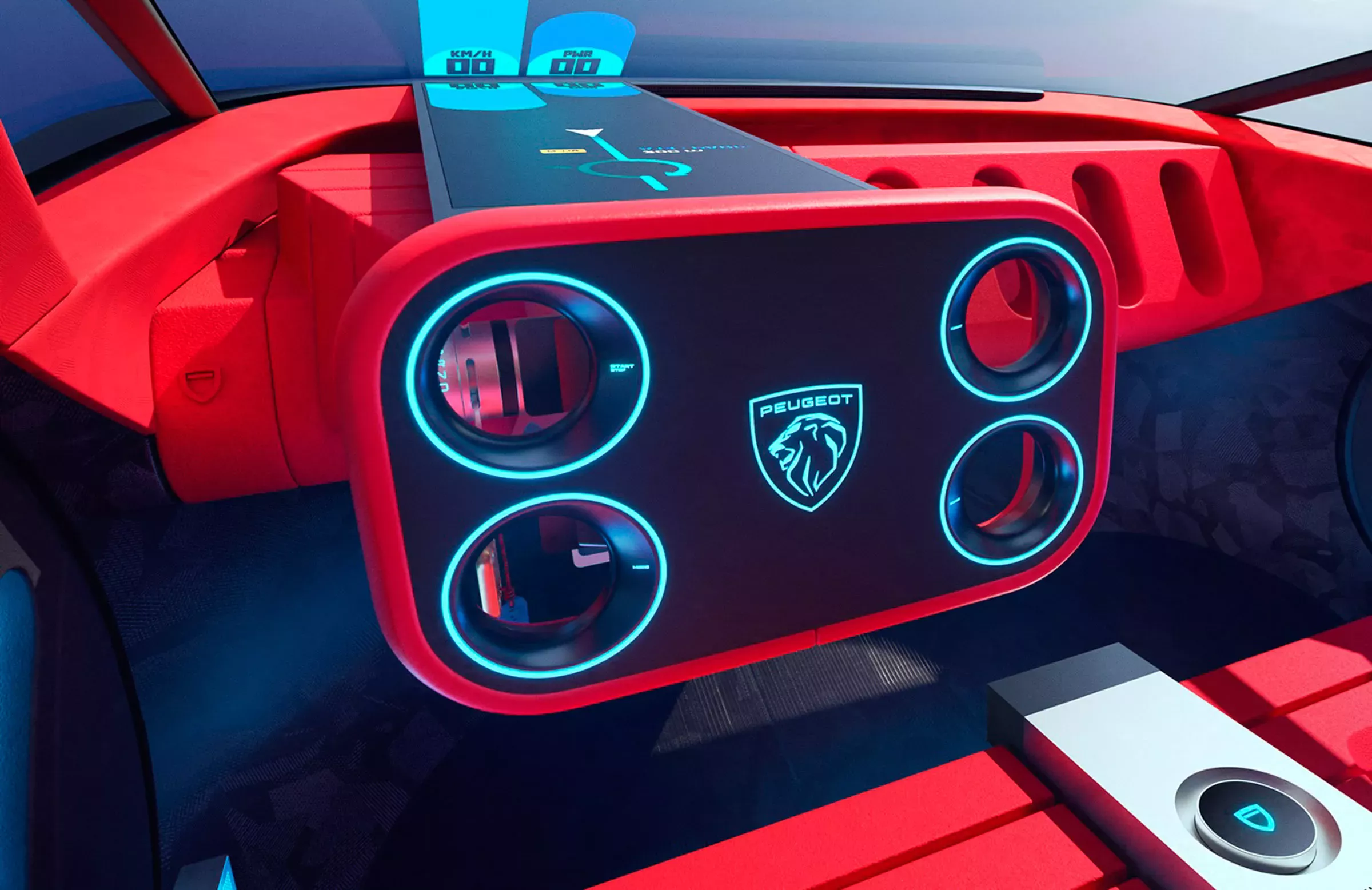
Peugeot picked up that thread with its Inception Concept, showcasing a squared-off wheel as part of its vision for future interiors. Just last month, the brand took things further with the Polygon concept, again featuring the Hypersquare.
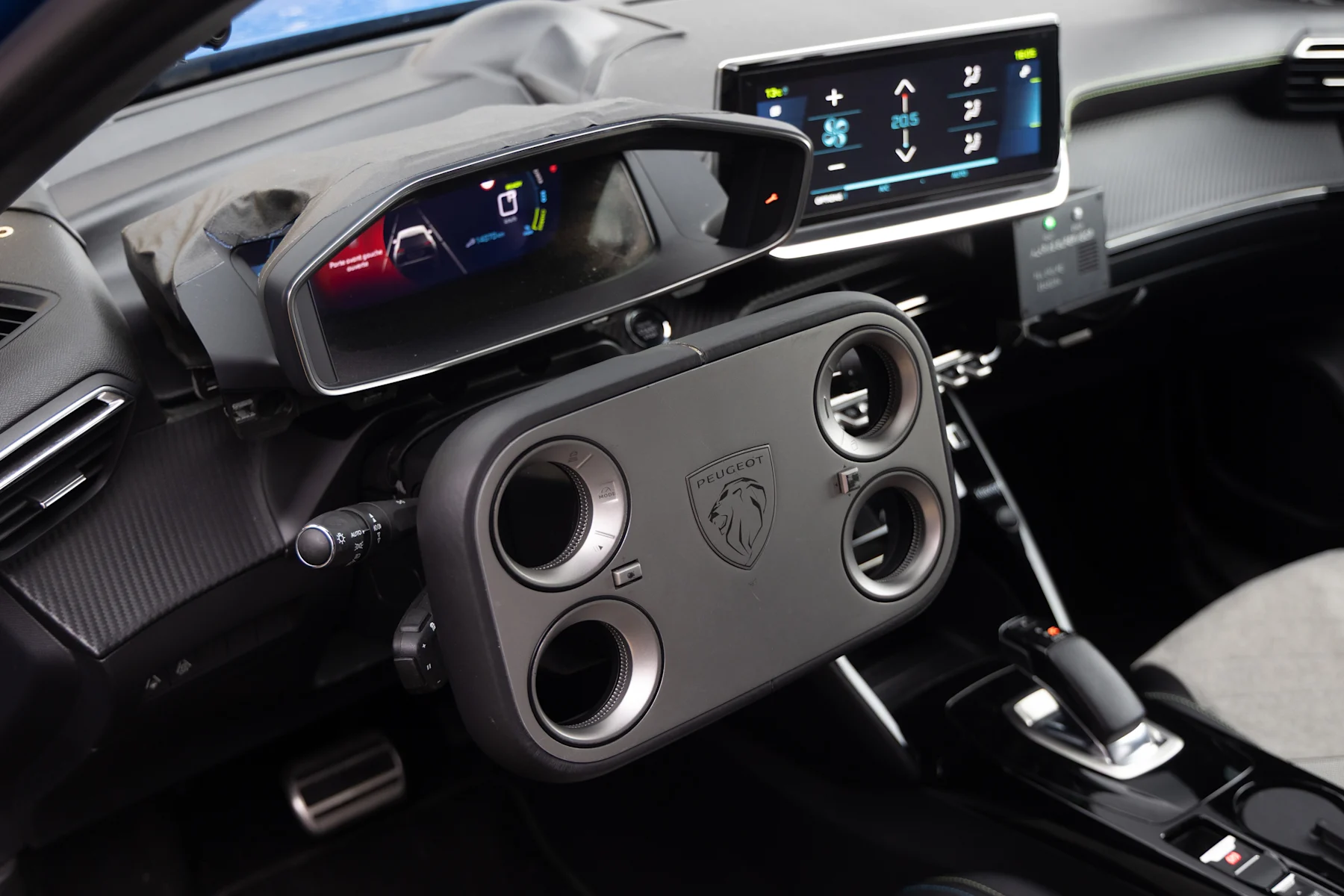
The wheel, and Peugeot’s steer-by-wire system, has already been retrofitted into a E-2008 test vehicle. It includes four large holes, the top two of witch house several controls and provide drivers with a place to place their thumbs.
While we have yet to test it in person to pass any judgement, many other automakers have dabbled in squarish steering wheels for decades, including the Corvette C8 and the AMG ONE, though none have taken the idea as far as Peugeot, especially for mainstream cars.
What’s It Like to Use?



German outlet Handelsblatt recently put it to the test, noting that a driver’s thumbs “slide naturally into the recesses,” so it may not be as uncomfortable to use as some may expect.
Related: Are Squared Steering Wheels the Next Questionable Design Trend?
Like the steer-by-wire setups in the Tesla Cybertruck and Lexus RZ, Peugeot’s version adjusts the steering ratio based on speed. At low speeds, such as maneuvering in a car park, the ratio tightens to around 5:1, about three times quicker than what you’d find in a standard hydraulic steering system.
That quick ratio, though, seems to come with a learning curve. Handelsblatt reported that the wheel “reacts almost nervously to every twitch,” and during a short drive, the journalist clipped a curb. As speed increases, though, the system settles and begins to feel more intuitive.
Built for More Than One Mode
According to one of Peugeot’s driving instructors, the carmaker will add several different driving modes to the next 208. One of these modes will be designed to make the steer-by-wire easier to get used to, while a sports setting will be better suited to high-speed driving.
The company also wants to make sure drivers still get a physical sense of connection to the road. To that end, sensors inside the steering actuator monitor the forces acting on the wheel carriers. Those forces are then translated into haptic feedback, sending relevant vibrations through the Hypersquare itself.
So what do you think, can a square wheel and steer-by-wire setup win over traditionalists, or is Peugeot pushing the envelope a little too far this time? Let us know how you’d feel about ditching the round wheel altogether.
Peugeot Polygon Concept


