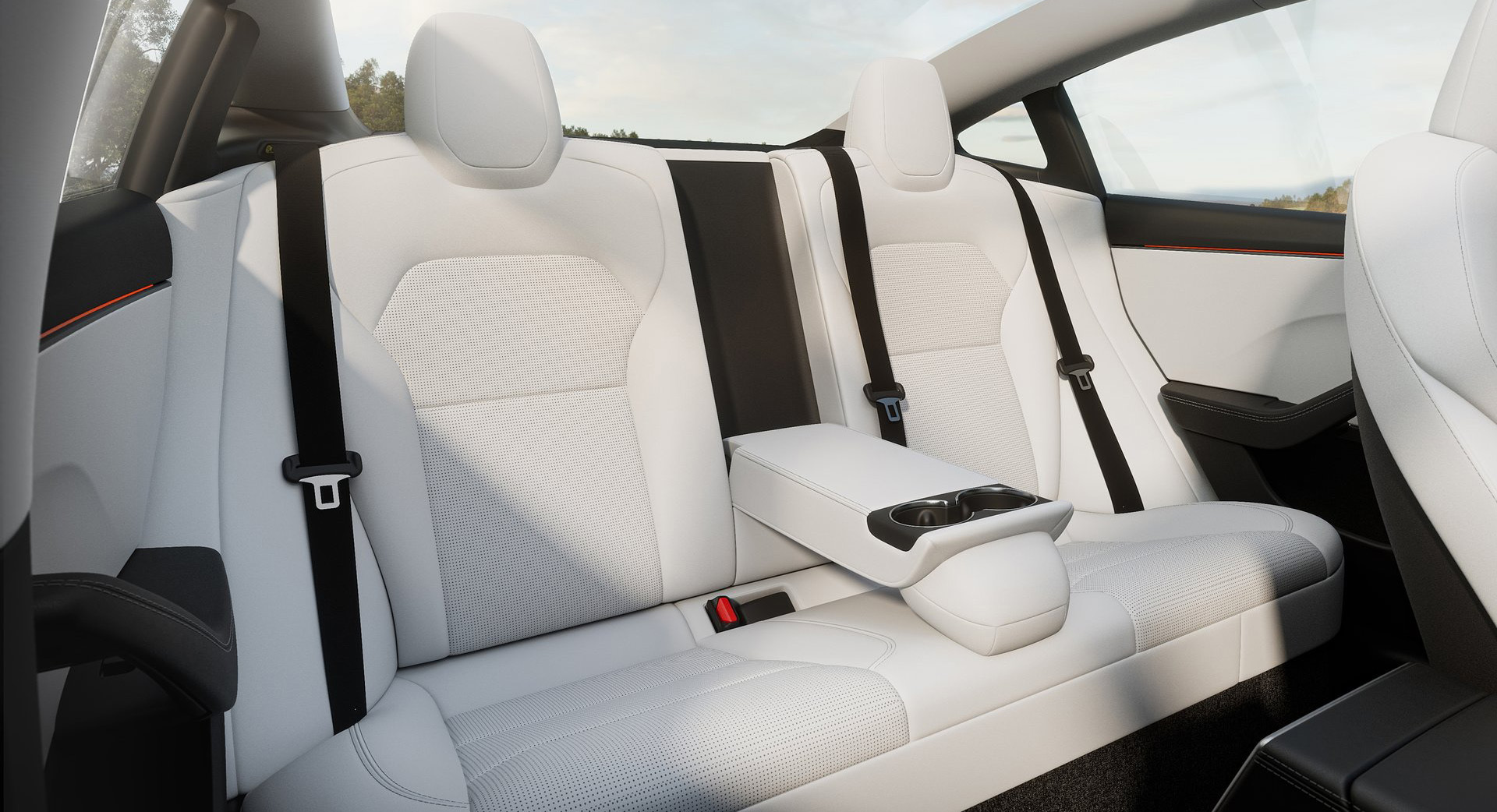


- NHTSA is probing door release access in 2022 Tesla Model 3.
- The investigation follows claims of hidden manual releases.
- Critics say the emergency release is poorly labeled inside.
Door handles are a major talking point these days, and it’s not about how they look. Every year, more and more cars adopt electric door latches, and they’re often at the center of the debate. A new investigation by the NHTSA into the 2022 Tesla Model 3 helps to underscore why.
The case raises questions about where the line of responsibility lies. Should automakers be doing more to make these systems foolproof, or do owners bear some of the burden when it comes to understanding emergency features in their cars?
One Report, Thousands of Cars
A single report to the Office of Defects Investigation (ODI) just sparked a probe into 179,071 Tesla Model 3s. All are from the 2022 model year, but more could be added later down the line. The ODI report, number 11698174, highlights how one driver struggled to escape his burning Tesla after a head-on crash.
Read: Every One Of These 15 Tesla Deaths Raises The Same Question
“During a head-on collision on [XXX] in Georgia, the electrical system in my 2022 Tesla Model 3 lost power, and the electric door releases stopped functioning. The vehicle interior caught fire, and I was trapped inside,” the owner of the 2022 Model 3 writes in the complaint.
“I was forced to climb to the back seat and break the rear passenger window with my legs to escape while the interior was burning. I suffered a broken hip, broken arm, and later required a full hip replacement.”
No doubt, that’s a harrowing tale and one that deserves scrutiny. Importantly, the opening of a defect petition does not mean a recall is imminent. For now, NHTSA is evaluating whether the issue is rooted in a true design defect, insufficient labeling and education, or a tragic combination of panic, unfamiliarity, and extreme circumstances. Those are all key pieces of the situation.
Manual Releases and Misunderstandings

As we’ve pointed out plenty of times before, the driver was inches away from escape. Tesla incorporates a manual release into the door armrest. It doesn’t require any special panel removal, any wild amount of force, or any other tricks to operate. Simply pulling up on the far end of the armrest will manually open the door.
More: Ford Quietly Changed The Mach-E’s Door Handles For 2026
However, the complainant says he did not know about the manual release. “I was unaware of the location of the hidden mechanical emergency door release because it is not visibly labeled, not explained upon delivery, and not intuitive in an emergency.”
The driver in this case made his situation far worse by going into the rear of the car. We’ll circle back to that, though. His reaction raises a crucial question: was it Tesla’s failure for not making the manual release more obvious, or should the responsibility fall on the owner for not learning how to operate a key safety feature in his own vehicle?
And while the owner argues that Tesla failed to provide proper “owner education,” the procedure for emergency egress is outlined in the vehicle’s owner’s manual.
Real Safety Concerns
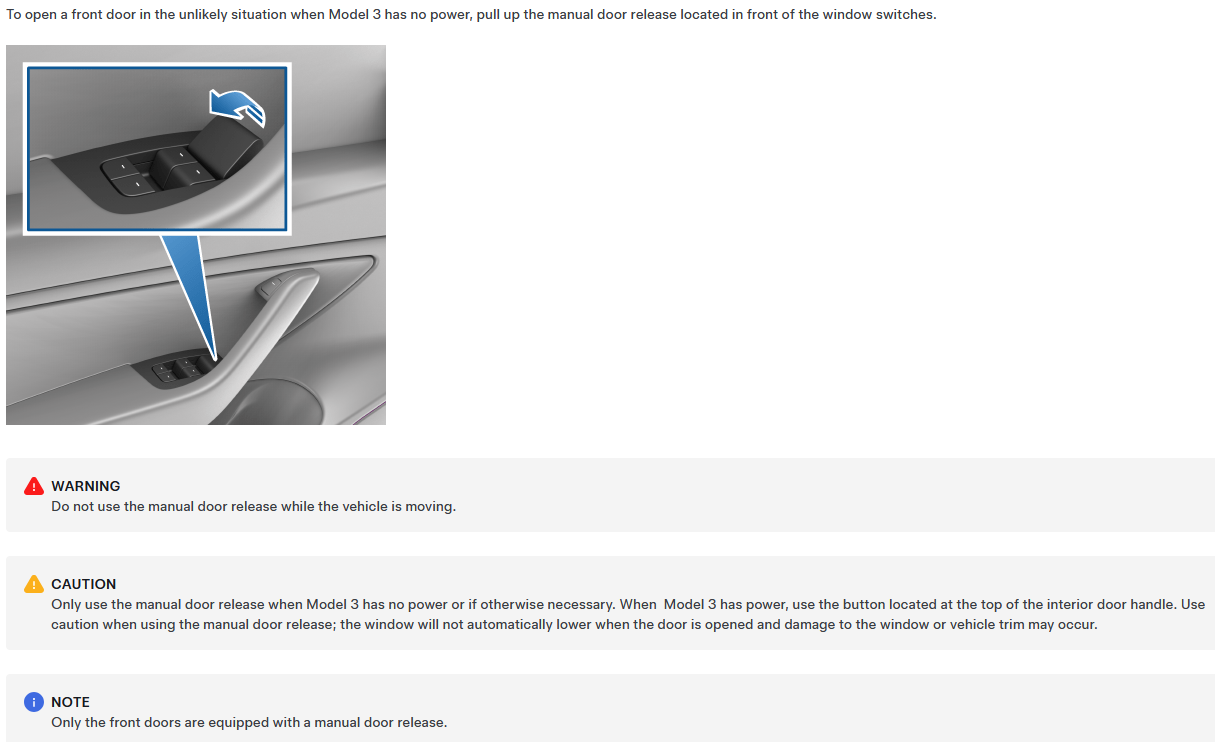
Whichever side one might fall on regarding responsibility, it’s worth noting that this probe could grow well beyond 179,071 cars. According to Tesla’s own online manual for the 2017-2022 Model 3, there are no emergency door releases for rear occupants.
It’s unclear at this stage if the NHTSA will find that such a condition is enough to force some action by Tesla. The automaker was very likely within Federal Safety Standards at the time of production. Otherwise, this sort of story would’ve popped up before the turn of the decade.
More: Families Claim Tesla Door Handles Trapped Teens In Burning Cybertruck
That said, reports like this could still lead to a major headache for Tesla. The Model S somewhat famously used rear-seat releases that were hidden under the rear carpet for a time.
Perhaps it’s finally time for automakers to go back to classic mechanical latches or at least backup mechanical latches that work with the door handle itself. Plenty of automakers already use this approach.