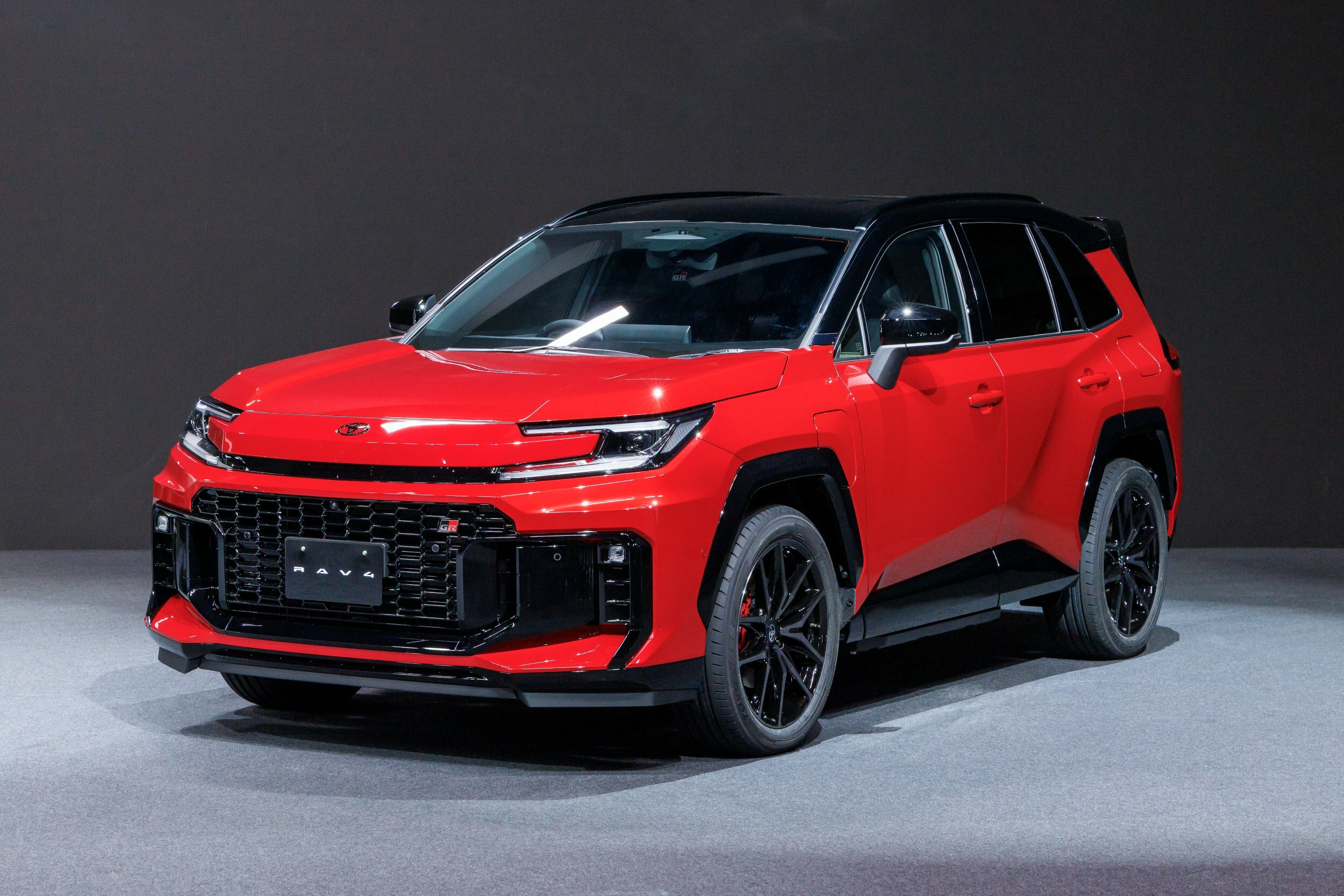
- SUVs now make up 59 percent of new car sales across Europe.
- Hatchback share has dropped from 35 to just 23.9 percent.
- Sedans fell to 3.5 percent market share, led by Tesla Model 3.
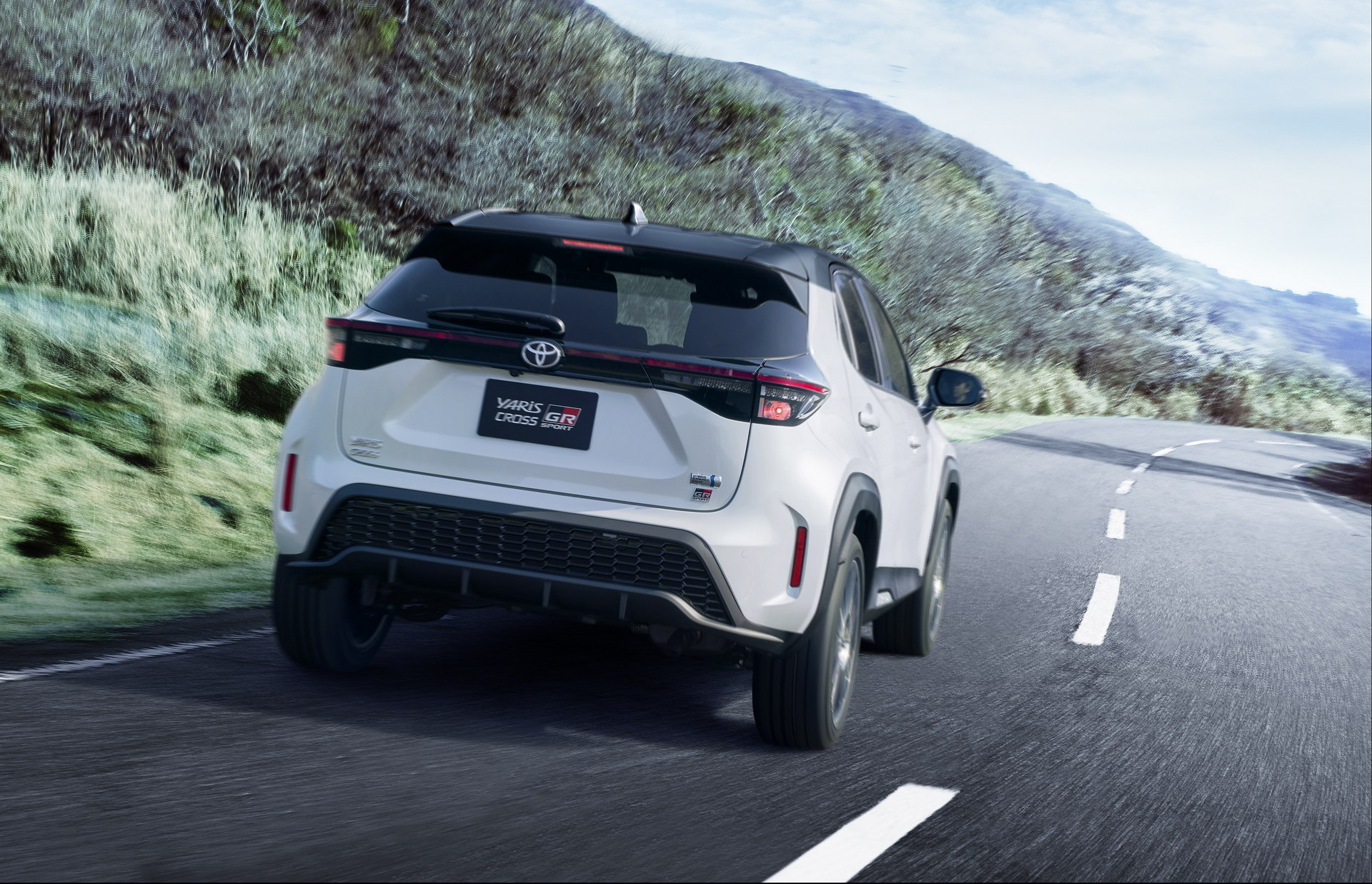
Small cars have long dominated the roads of Europe, but in the past five years, the number of SUVs on local roads has surged. The numbers back it up, as SUVs now account for more than half of all new cars sold across Europe, up sharply from just a few years ago, thanks in large part to popular crossovers like the VW T-Roc and Toyota Yaris Cross.
Read: Why Europe’s Favorite Status Cars Are Suddenly Watching Their Sales Collapse
What’s shifted isn’t only buyer preference, but perception. Europeans once mocked Americans for their obsession with SUVs and trucks, but perceptions have changed. SUVs are no longer seen as fuel-hungry liabilities, but as practical, city-friendly options with broader appeal.
Mainstream brands including Volkswagen, Renault, Ford, and Toyota have reshaped the segment with compact models that ride slightly higher and look tougher, yet still fit into the same urban spaces once owned by small hatchbacks.
How Buyers Are Rewriting the Segment
According to a report from Autonews, sales data reveal that back in 2020, SUVs had a healthy 41 percent share of the total European market. This figure has since swelled to 59 percent. As more people are buying SUVs and crossovers, the number of those picking up the keys to a small hatchback or sedan has declined.
Indeed, whereas hatchbacks held a 35 percent share of the European market in 2020, this has fallen to 23.9 percent in 2025, according to the same report. In terms of volume, it’s a dramatic decline from 4.2 million units to just 2.9 million.
While overall sales are down, a handful of hatchbacks continue to draw strong demand. The Renault Clio, VW Golf, and Dacia Sandero remain popular, with the Sandero in particular expected to finish 2025 as the region’s best-selling new car.
Why the Sandero Wins
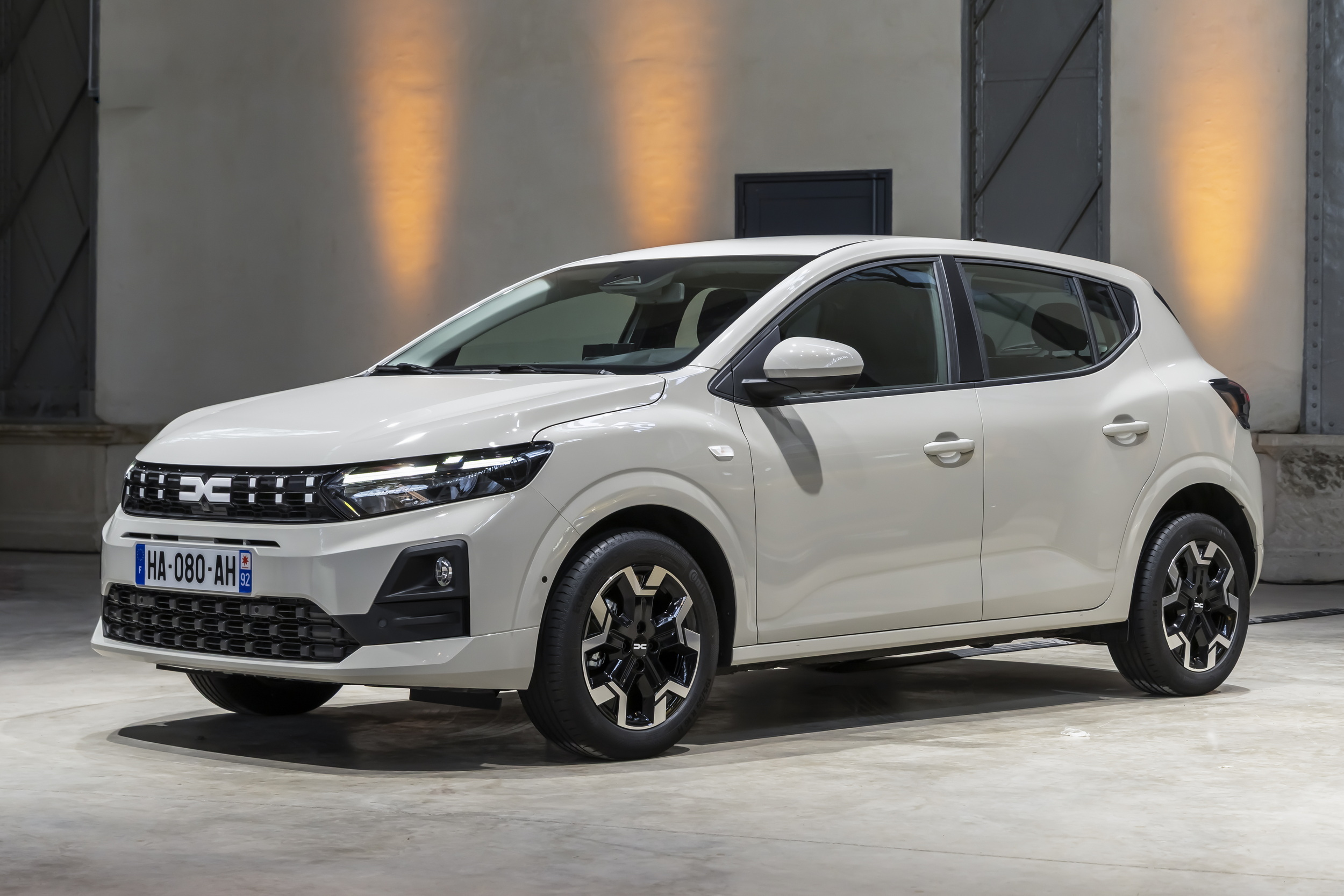
Affordability has played a major role in the Sandero’s success. With pricing that starts below €13,000 (roughly $14,000) in Germany, it has become a go-to choice for value-focused buyers. Sales have climbed from 168,443 units in 2020 to more than 225,000 through November of last year, putting it on track to finish 2025 as Europe’s best-selling model overall for the second year in a row.
The market share for sedans has also declined, slipping from 4.7 percent in 2020 to just 3.5 percent in 2025. That year, 565,244 units were sold, but the total is expected to fall to around 426,000 once final figures for 2025 are confirmed. The best-selling sedan for last year is likely to be the Tesla Model 3, with 76,079 units sold, putting it more than 37,300 ahead of the second-place Mercedes-Benz CLA.
One exception to this shift is Romania, where sedans still represent 15.4 percent of the new car market, far higher than anywhere else in Europe.
Best-Selling SUVs In Europe
Source Autonews / Dataforce
Surging demand for SUVs has also taken a toll on estates across Europe. The market share for these models has dropped from 10.2 percent five years ago to 7.1 percent in 2025. Longstanding favorites like the Skoda Octavia and VW Passat have been hit particularly hard, as more buyers opt for SUVs over traditional wagons.
Among SUVs, the top performer in 2025 has been the VW T-Roc, with 192,245 units sold. It’s followed by the VW Tiguan with 180,683 sales, the Toyota Yaris Cross with 174,567, the Peugeot 2008 with 160,104, and the Dacia Duster, which has found 157,004 new owners. Other strong sellers include the Citroen C3, Ford Puma, Kia Sportage, Hyundai Tucson, and Nissan Qashqai.