- Toyota told owners they could pause payments amid lawsuit.
- Owners say they received written payment pause assurances.
- The $5.7B RICO suit accuses Toyota of hiding hydrogen flaws.
Shortly after being hit with a $5.7 billion lawsuit accusing it of running a “criminal operation” to conceal safety issues in its hydrogen-powered Mirai, Toyota now faces fresh criticism from owners who say the company has sent them to collections, even after assuring them they could pause payments during the ongoing legal battle.
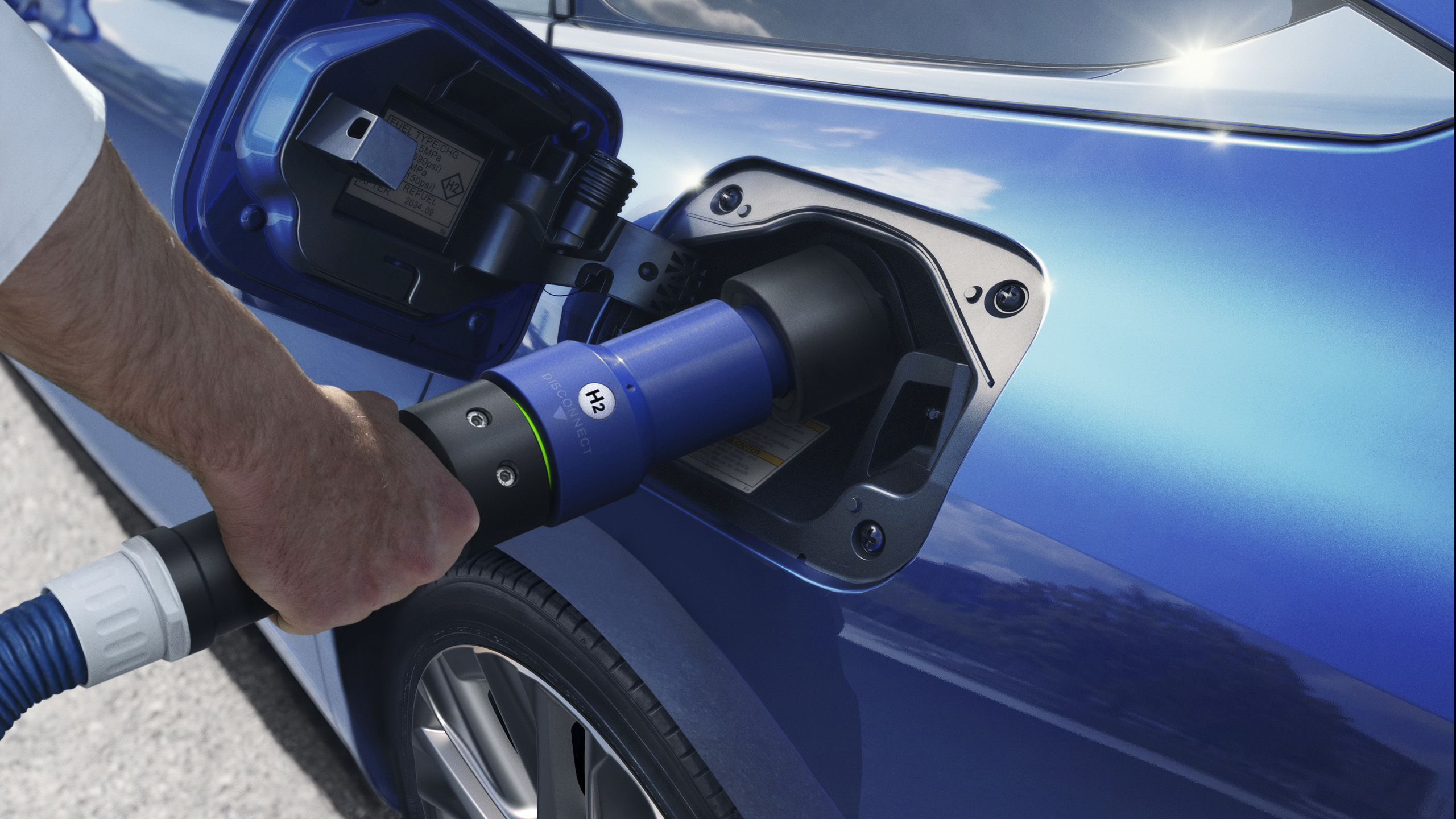
According to attorney Jason Ingber, who represents many of the plaintiffs, Toyota told some customers they could suspend monthly payments due to widespread problems with the hydrogen fueling network, which has left many Mirai owners stuck with expensive cars they can barely drive.
Read: $5.7 Billion RICO Lawsuit Says Toyota Ran A Hydrogen Crime Family
Several Toyota Mirai owners now allege that what seemed like a gesture of goodwill on Toyota’s part has seen them take substantial hits on their credit scores. Ingber, who is spearheading the RICO lawsuit, says owners received written assurances from Toyota that payments wouldn’t be demanded while the lawsuit is ongoing.
“This was a big relief, and then with the uncertainty of it, now some people have gone back to making payments,” Ingber told KTLA. “Some people threw their arms in the air because they already got negative credit reported. This is a fiasco within the fiasco that’s really cruel, in my opinion.”
Payment Pauses Gone Wrong
One of those owners, Anthony Escobedo, told the news station that he had worked his credit score up to 814. Following Toyota’s guidance, he paused payments on his Mirai. Not long after, he was sent to collections. His credit dropped by 100 points overnight, disqualifying him from securing an interest-free loan he needed to cover medical expenses for his wife.
Toyota later reversed the missed payment report, though his credit score did not fully recover.
The same thing reportedly happened to Julie Doumit. She told KTLA she paused payments based on Toyota’s guidance, after making 46 consecutive monthly payments on time for her Mirai. Still, she was reported to debt collectors, and her credit score dropped by 70 points.
Fellow Mirai owner Alejandro King said his score also took a steep hit, falling by roughly 150 points from a peak of 835 after he paused payments as well.
“I’ve been building my credit since I was 18 years old. I have never missed a payment. I have paid everything off all the time. My credit score was like 835, which is phenomenal, and I’ve always kept it that way. And for me to see that happen, I was so depressed that I couldn’t sleep,” King said.
Internal Miscommunication
In some cases, it’s believed that Toyota representatives simply missed the notes on customers’ accounts indicating that payments had been paused. As a result, those accounts were mistakenly flagged and sent to collectors.
The RICO lawsuit against Toyota claims that it coordinated with its financing arms and dealerships in California to market and finance the Mirai, despite technicians describing them as “ticking hydrogen bombs.” It’s also alleged that Toyota concealed multiple flaws in the Mirai, including the risk of hydrogen leaking near hot engine components.