












- Dozens of hidden plate readers line Southern California highways.
- Privacy groups say federal agencies are sidestepping state law.
- Caltrans approved permits but says it does not control the data.
Border Patrol has a tough job to do, and now it is leaning on technology to help shoulder the load. The difficult part is that hiding surveillance cameras in public looks a bit sketchy. Now, one man’s curiosity has sparked a deeper investigation and uncovered a network of cameras tracking drivers all over California’s southern highways.
San Diego County resident James Cordero stopped to check out what appeared to be an abandoned trailer. Instead, what he found was a sophisticated setup with an automatic license plate reader (ALPR), power, and likely the ability to transmit data to the cloud. After that discovery, Cordero began spotting other cameras with even more convincing disguises.
More: Cameras Logged Everything About Your Car And Made It Public
The hardware itself isn’t exotic. ALPRs are widely used across the country. Police departments mount them to cruisers. Cities install them at intersections. Private companies operate massive plate databases. What makes this situation different is who appears to be running these units, how they’re hidden, and how little information is available about them.
Who Controls The Data?
According to CalMatters that first reported the story, these cameras only popped up after Caltrans granted permits to Border Patrol and other federal agencies to place them on state highways during the Biden administration. Now, there are over 40 near the border capturing every plate that rolls by, citizen or not.
Caltrans says it does not operate the cameras, manage them, or have access to any of the data they collect. Here’s just one example of how well-hidden these cameras are.
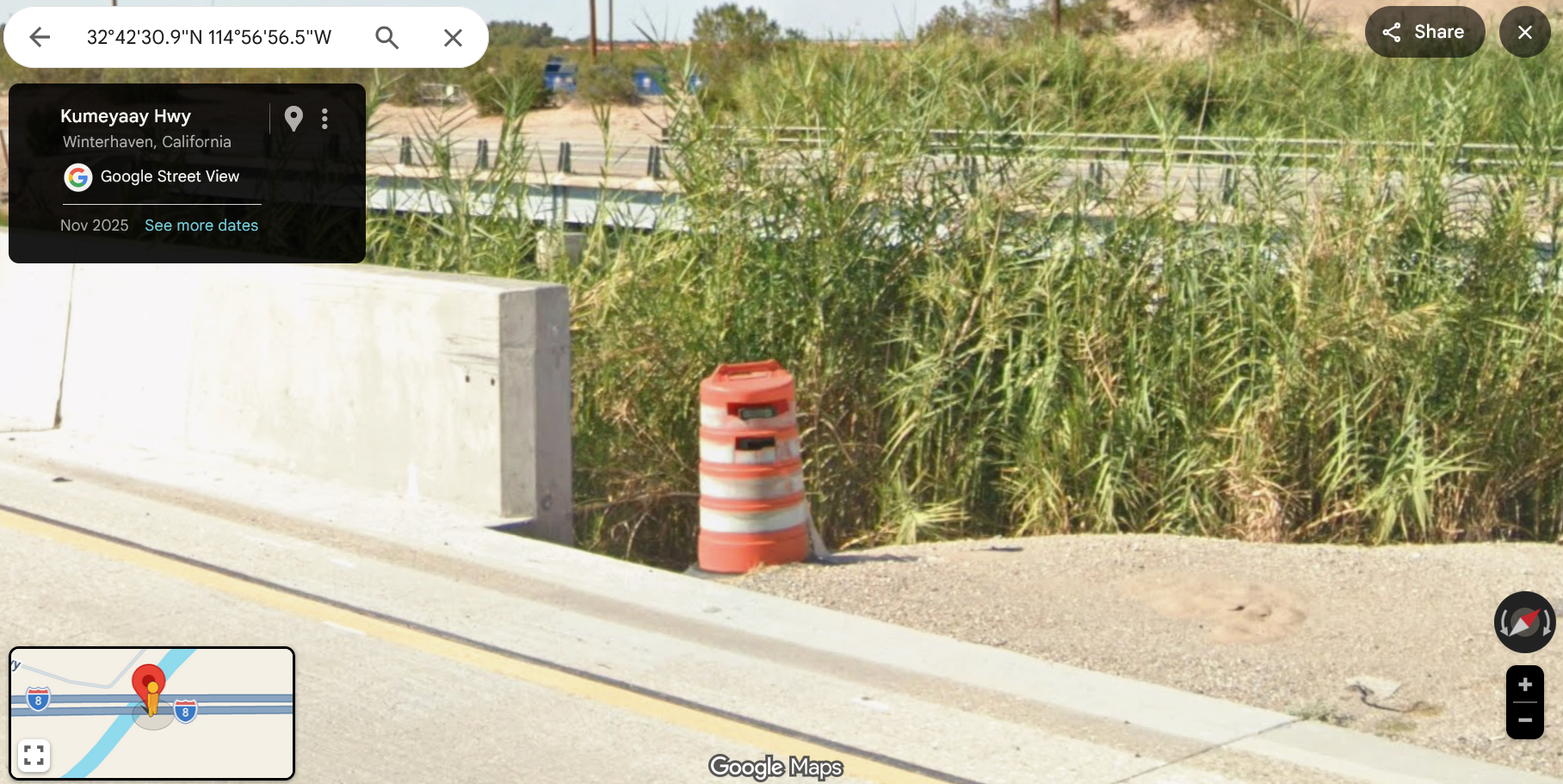
Privacy advocates argue the growing network effectively bypasses California’s 2016 ALPR law, which sets rules on how law enforcement agencies may use and share license plate data. A coalition of 30 organizations recently urged Governor Gavin Newsom and Caltrans to revoke the permits and remove what they describe as covert surveillance infrastructure along border highways.
A Matter Of Transparency
Supporters see it differently. They argue ALPRs help authorities identify suspects in serious crimes, detect patterns linked to drug and human trafficking, and locate missing persons. In high-traffic border corridors, they say, the technology is simply another investigative tool. That all said, citizens have begun the work of tracking and mapping these ALPRs.
That grassroots mapping effort is part curiosity, part accountability. Groups like the Electronic Frontier Foundation have documented more than 40 readers positioned along Interstate 8, Old Highway 80, and key corridors in Imperial County. Some sit in plain sight. Others are disguised inside traffic trailers or roadside equipment you’d normally ignore. And that’s really the heart of the controversy.
It’s not that license plate readers exist. Again, they’ve been around for years. It’s not even that Border Patrol is using technology to do its job more efficiently. The sticking point is transparency.
Who exactly is operating each unit? How long is the data stored? Who can access it? And how is it safeguarded from misuse? Those questions don’t yet have clear public answers.