











Automakers continue to push ahead with semi-autonomous tech, promising hands-free vehicle operation on a variety of roads. But questions are mounting as federal regulators investigate fatal crashes, which may be attributed to the use of such tech.
Think controversial driverless tech, and you’ll likely jump to Tesla’s dubiously-named “Full Self Driving” system, or perhaps Waymo’s fleet of driverless taxis cum moving roadblocks. But the National Highway Traffic Safety Administration is also turning its attention to Ford’s BlueCruise system.
Self-Driving vs. Driver Assistance
Since Ford introduced BlueCruise to its vehicles, there have been several accidents that allegedly could have stemmed from user confusion surrounding the driver assistance features. One such incident occurred on the I-75, outside Toledo, Ohio, when a Ford Engineer crashed their new F-150 pickup.
Read: I Let BlueCruise Drive Me And It Felt Surprisingly Human
According to The Wall Street Journal, the driver, Seetaram Palepu, claimed in a court filing that they had tapped the brakes to reduce speed when merging onto an exit ramp. The car, allegedly with BlueCruise activated, accelerated, collided with a guardrail, rolled over, and landed upside down. Emergency Services had to cut the driver and his wife out of the truck.
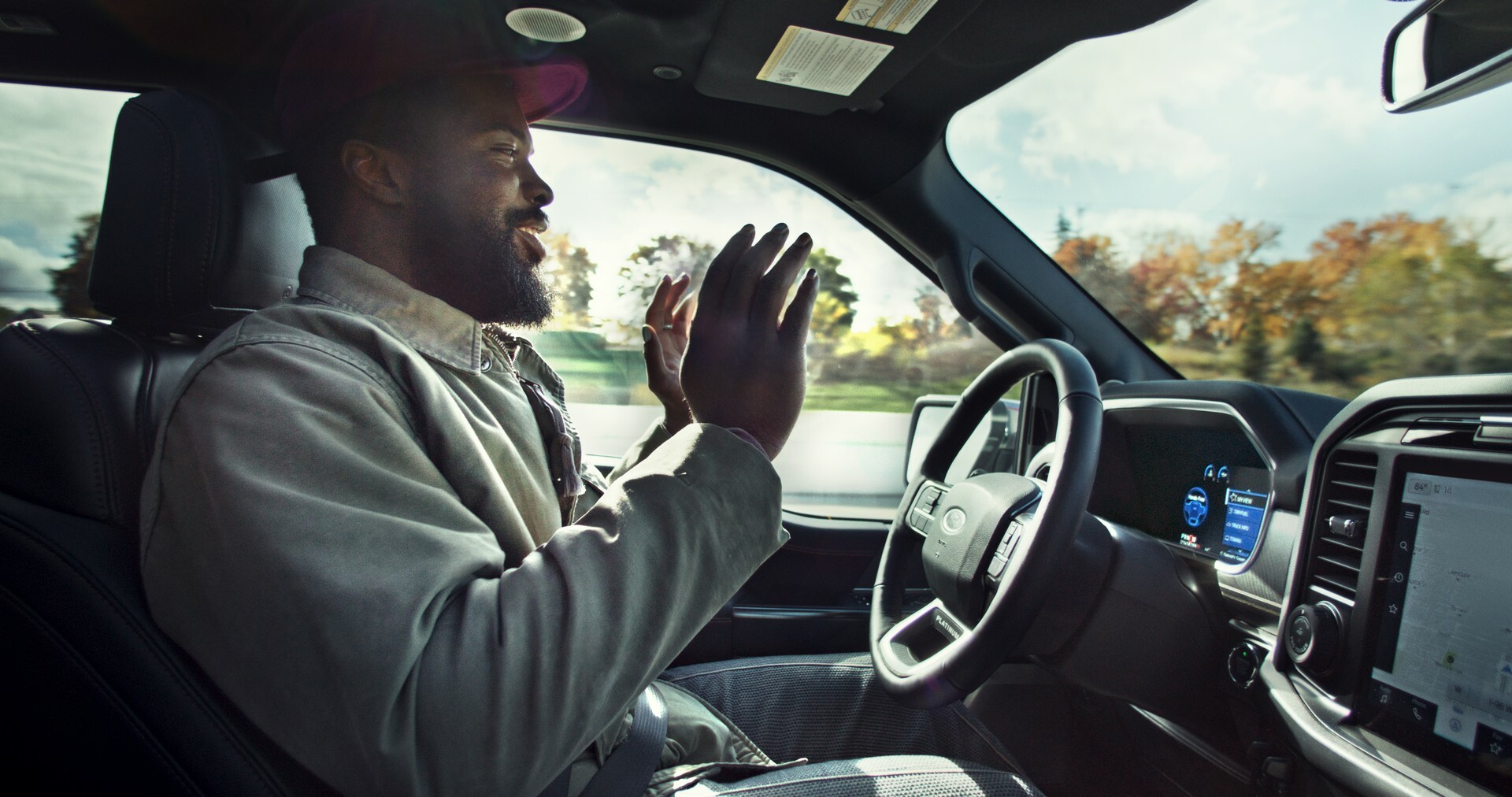
Ford told the NHTSA that Seetaram had deactivated the driver assistance system and instead pressed the accelerator. And that’s not the only incident in which Ford contested the involvement of BlueCruise. In September 2021, Barry Wooten was killed in a collision in Forsyth, Ga, with his family filing a lawsuit against Ford, alleging that Wooten’s F-150 lost control while in “self-driving mode.”
According to court filings, the family claimed that F-150 plotted a path for it to drive off-road as he attempted to take an exit ramp. While Ford declined to comment on a pending case, the company’s response to the NHTSA report was that the F-150 in question wasn’t equipped with the necessary hardware to make BlueCruise functional, or in other words, it couldn’t have had true hands-free driving.
Confusion Abounds
Tesla launched its Autopilot system in 2015, but Ford resisted the urge to dive into the tech straight away, arguing that drivers can become complacent, even when a system requires users to remain attentive. In 2018, Ford decided to Benchmark General Motors’ Super Cruise system, and it enlisted more than 40 people to drive a CT6 along highways. Ford’s own testing began in 2019.
But real-world usage has exposed a recurring challenge that affects nearly every manufacturer working in this space, which is driver understanding. Crash reports, user feedback, and Ford’s own internal research show that some drivers misunderstand system limits, miss warning prompts, or overestimate what the technology can safely handle. Earlier development studies found that a meaningful percentage of drivers either disengaged mentally while the system was active or failed to respond promptly when instructed to retake control.
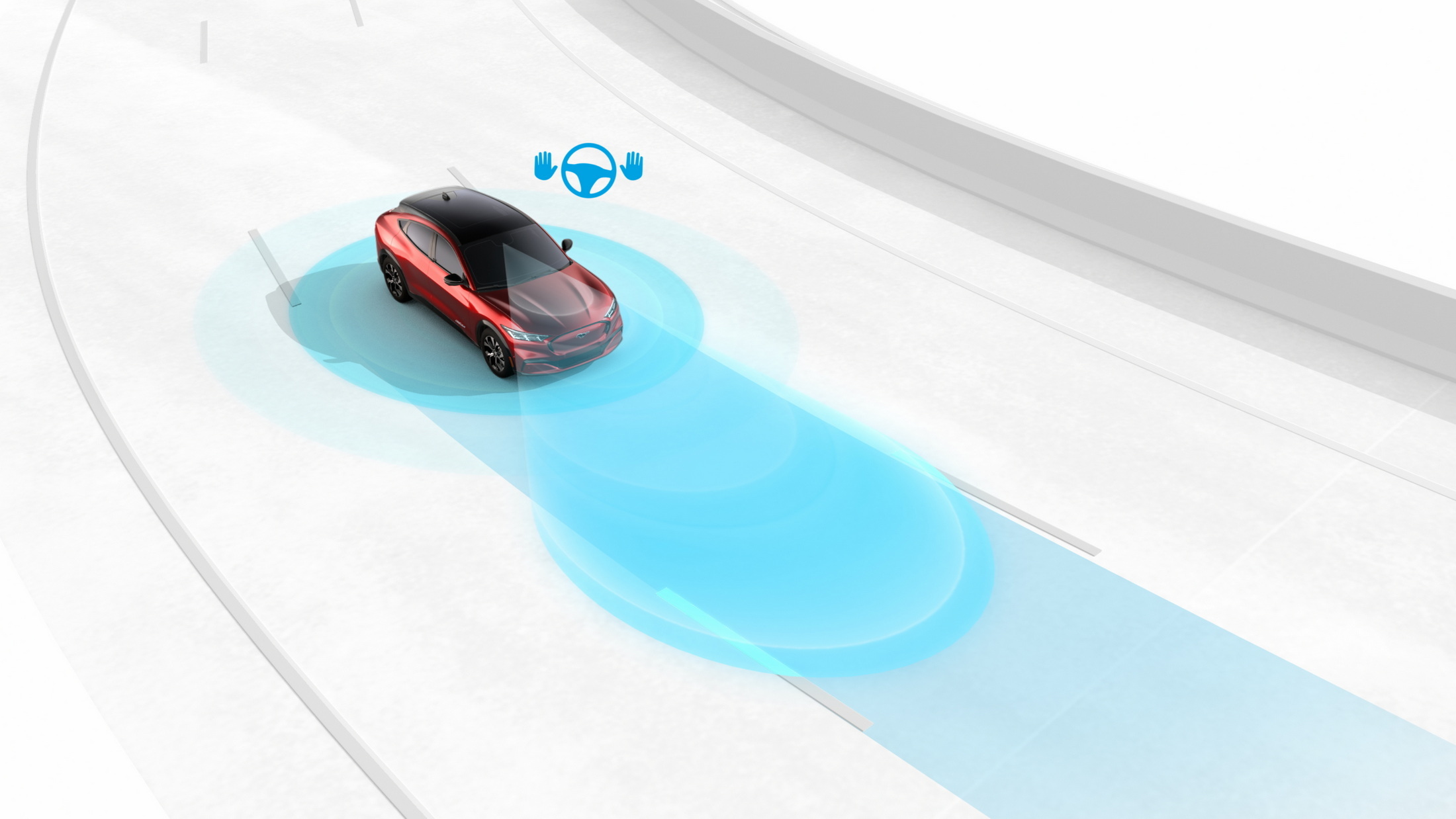
Ford says it addressed many of these issues before launch by refining dashboard graphics, alerts, and driver-monitoring systems, including eye-tracking cameras intended to ensure drivers remain attentive. The company maintains that when used correctly, BlueCruise improves safety and driver engagement, and reports hundreds of millions of supervised miles driven with the system active.
Fatal Crashes Under The Microscope
Following multiple fatal crashes in 2024 involving Ford vehicles where driver-assist features were reportedly active, U.S. safety authorities opened a formal investigation. Federal data shows dozens of reported crashes since 2021 in which Ford’s automated or semi-automated systems may have been engaged, including several fatalities. Investigators have pointed to system limitations in detecting stationary vehicles at highway speeds, particularly at night, as a recurring concern.
See Also: F-150 Owners Blew Past 118 Million Miles Without Touching The Wheel
Ford counters that its system design intentionally avoids hard braking for stationary objects above certain speeds to reduce false emergency stops, sometimes called phantom braking, and says other safety layers, such as automatic emergency braking, remain active. In several investigated crashes, vehicle data showed drivers failed to brake or steer evasively despite repeated alerts.
Despite concerns, driver assist systems continue to be employed by multiple automakers. However, regulators are keen to point out that despite what the branding may imply, these assistance technologies are by no means a replacement for an alert and attentive driver.
