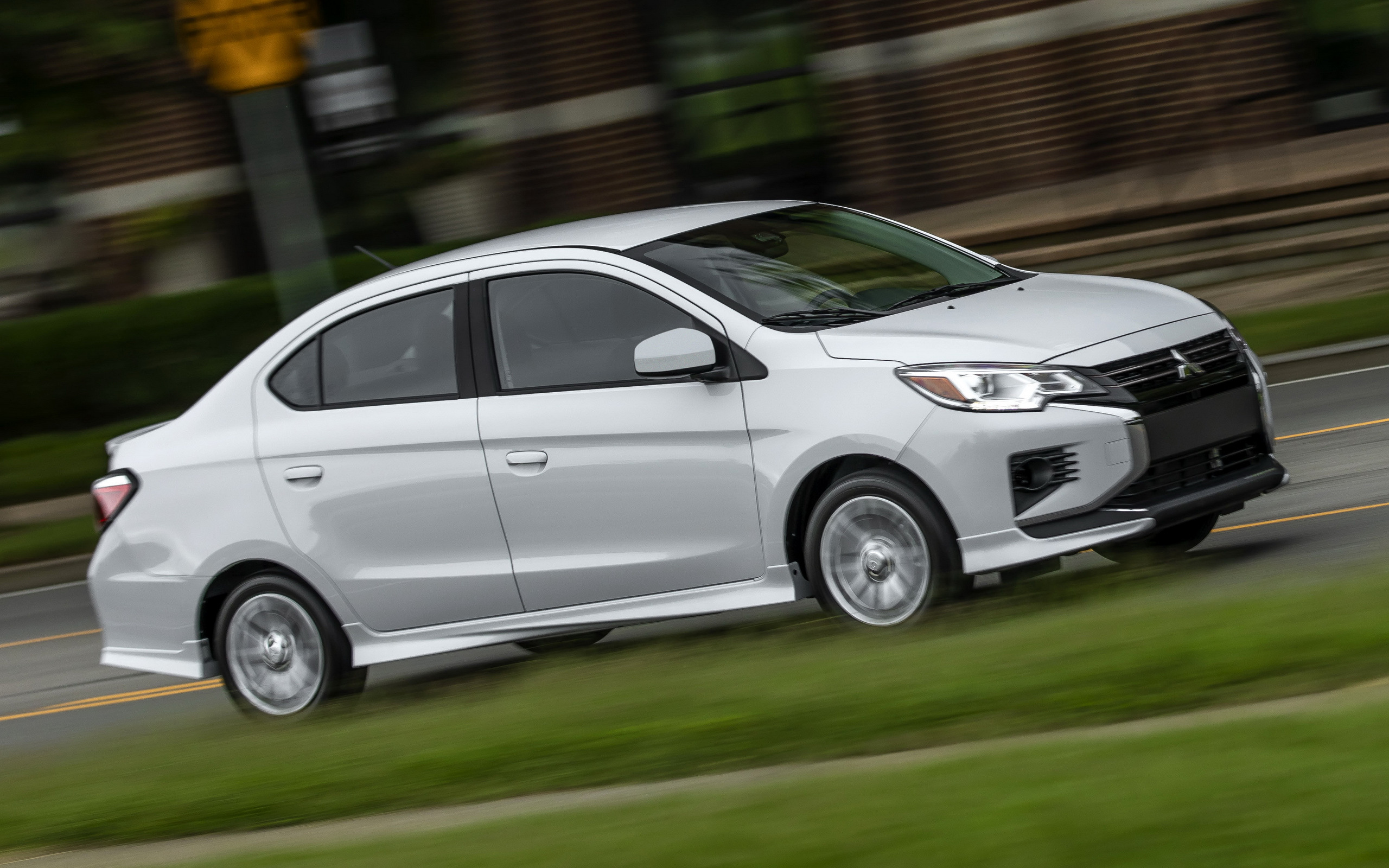









- A third of Americans can’t afford new vehicles anymore.
- Buyers under $100K income dropped from 50% to 37%.
- New-car MSRPs reached an average of $51,000 in 2025.
Buying a new car in America is starting to look like a luxury fewer and fewer can afford. While showrooms still have foot traffic, the type of buyer walking through the door has changed, and it’s no longer the middle-income shopper making up the bulk of demand.
Unless you’re earning well into six figures, your odds of driving off in a brand-new vehicle are slipping. New data shows a significant decline in new-car buyers making under $100,000, even as the share of high earners in the market continues to climb since the onset of the Covid-19 pandemic.
More: Luxury Sales Keep Surging As The Middle Class Quietly Gets Priced Out
For reference, the median US household income sat at $83,730 in 2024, according to Census Bureau data released in September 2025, placing today’s typical new-car buyer well above the national midpoint.
The New Car Is a Richer Man’s Game
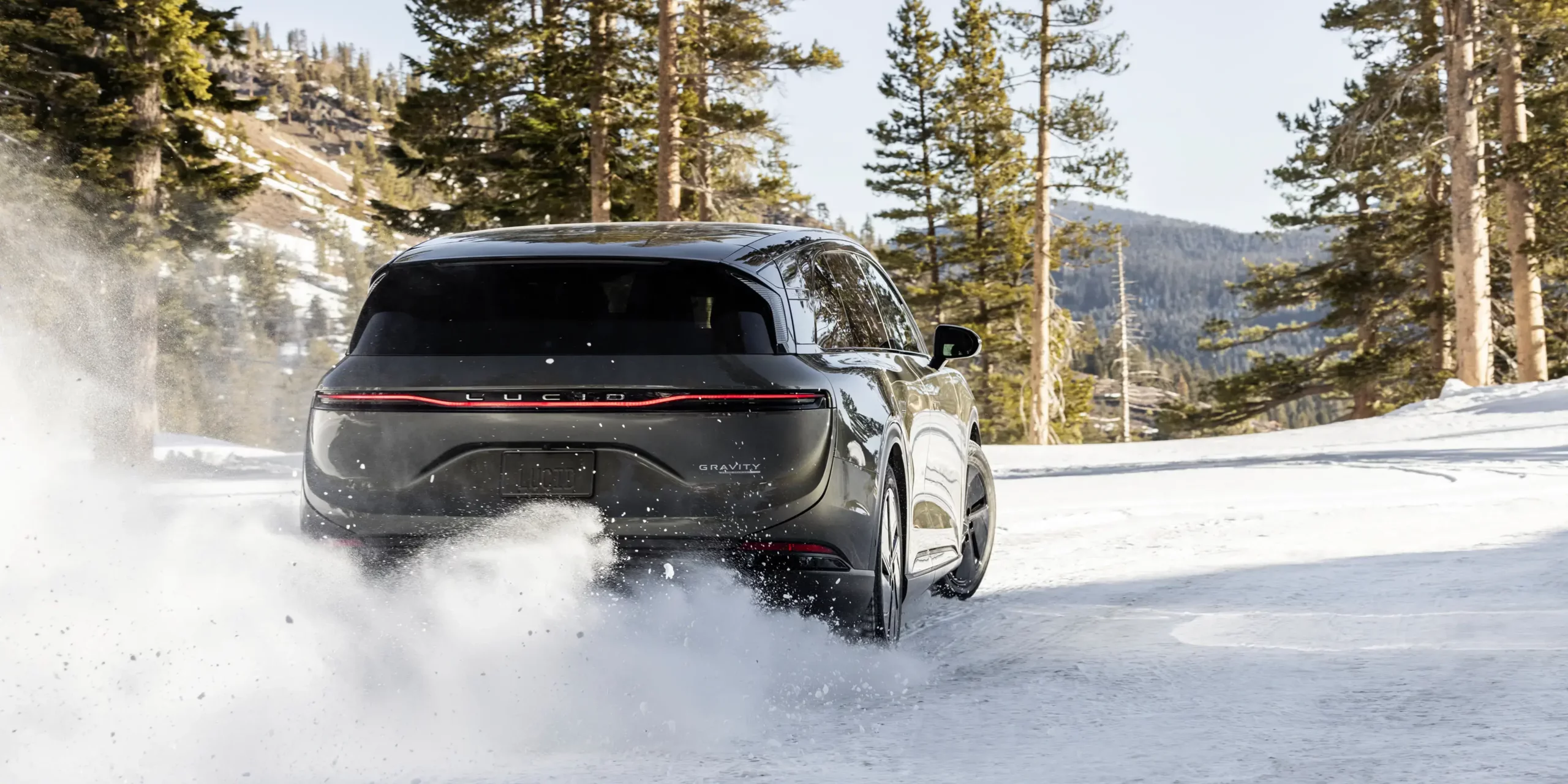
According to Cox Automotive, the percentage of new-car buyers earning less than $100,000 dropped from 50 percent in 2020 to just 37 percent by 2026. This shift mirrors a sharp rise in the cost of new cars. Average transaction prices hovered near $51,000 in 2025, and those aren’t the only numbers climbing. Buyers are facing steep increases in insurance premiums and the broader impact of inflation.
At the same time, the proportion of new-car buyers earning more than $200,000 has increased from 18 percent to 29 percent over the past five years, forming what economists refer to as a ‘K-shaped’ economy, CNBC reports.
In a K-shaped recovery, economic trends split in two directions, with those at the top continuing to see income and wealth grow, while those at the bottom face stagnation or even decline.
New-Car Sales Still Trail Pre-COVID Highs
Annual new-car sales in the US peaked in the years leading up to COVID-19. In 2016, they hit 17.5 million, and stayed above 17 million through 2019. Then came the decline: 14.7 million in 2020, 15.1 million in 2021, and just 13.9 million in 2022. Sales have since rebounded, reaching 16.3 million by 2025, but they’re still not back to the levels seen a decade ago.
And while demand is back, affordability is not. Industry analysts point out that pricing, not interest, is the main barrier now. The squeeze is only worsened by the disappearance of affordable entry-level models. Carmakers have steadily trimmed small sedans and compact cars from their offerings, leaving fewer options for buyers on tighter budgets.
Out of Reach

A study from consulting firm Plante Moran found that one-third of Americans simply can’t afford a new car at all. For households earning $65,000 or less, only about 110 vehicle models fall into what the firm classifies as “affordable.” For buyers making up to $105,000, that number more than doubles, with over 250 models considered within reach.
At the same time, financing pressure is mounting. A record number of buyers are now signing up for monthly car payments exceeding $1,000.
“We’re now relying on the extremely wealthy to generate the sales,” Mark Barrot from Plante Moran told CNBC. “That’s a structural problem from an affordability perspective.” He added that carmakers may start to feel the pinch “in the next two or three years” if a growing number of buyers start getting priced out of the market.
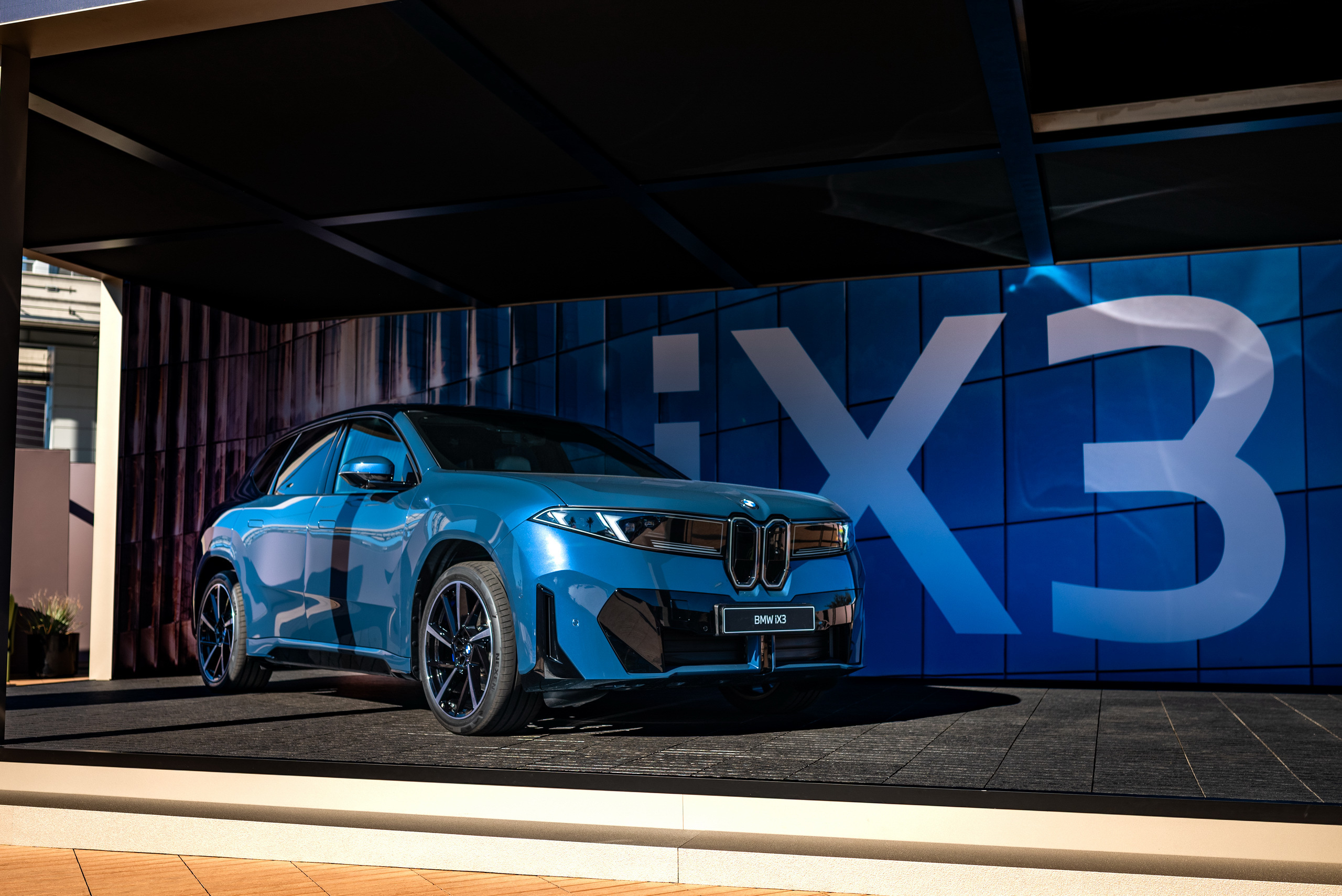
“We have a different vehicle buyer today than we had just a few years ago,” added Cox Automotive senior economist Charlie Chesbrough. “The key takeaway here is that we’re seeing the average buyer here is much more affluent.”
Read: America Went Nuts For This Simple Used Sedan Last Year
Automakers have noticed the shift too. Ford CEO Jim Farley recently acknowledged that while big, high-margin vehicles are good for short-term profits, relying too heavily on them could backfire. The risk, he warned, is a smaller market and long-term demand that simply doesn’t keep pace.