











- Kenta Kon becomes Toyota CEO, tasked with boosting earning power.
- Koji Sato shifts roles, focusing on industry ties and partnerships.
- Despite U.S. tariffs, Toyota raised its profit forecast to $22.7B
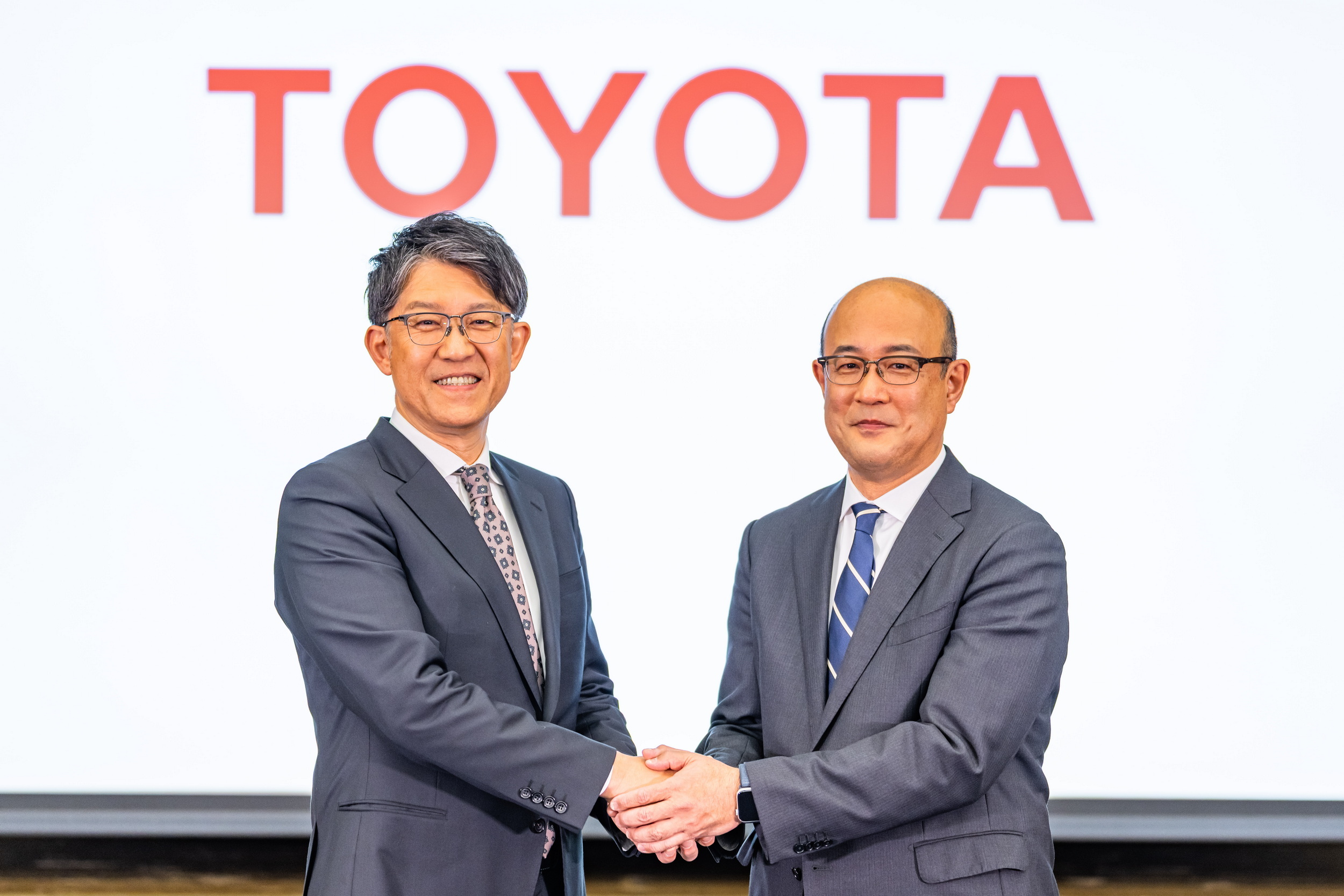
In a surprise executive shake-up, Toyota has announced that Koji Sato will step down as President and CEO after just three years in the role. Starting April 1, the world’s largest automaker will hand the reins to Kenta Kon, currently serving as both Chief Operating Officer and Chief Financial Officer.
The announcement came during Toyota’s Q3 financial briefing in Tokyo on February 6. Under Kon’s leadership, the company is preparing to face rising competition from Chinese automakers amid ongoing global trade uncertainty.
More: Toyota Is Preparing To Build Millions Of These Instead Of EVs
The leadership transition is also widely viewed as part of a long-term succession plan. Industry sources told the Financial Times that the move could eventually set the stage for Daisuke Toyoda, son of Akio Toyoda and a senior figure in Toyota’s software unit, to rise further in the corporate hierarchy.
The outgoing CEO won’t be leaving Toyota entirely. Sato will step into the newly created role of Chief Industry Officer (CIO), while also becoming Vice Chairman. His focus will shift toward external partnerships and sector-wide collaboration, a move that coincides with his recent appointment as Chairman of the Japan Automobile Manufacturers Association (JAMA).
Reflecting on his relatively brief time as CEO, Sato admitted that “three years was too short” and cited the need for tighter cost control to support investments in EVs and autonomous technologies.
The Rise of the Accountant
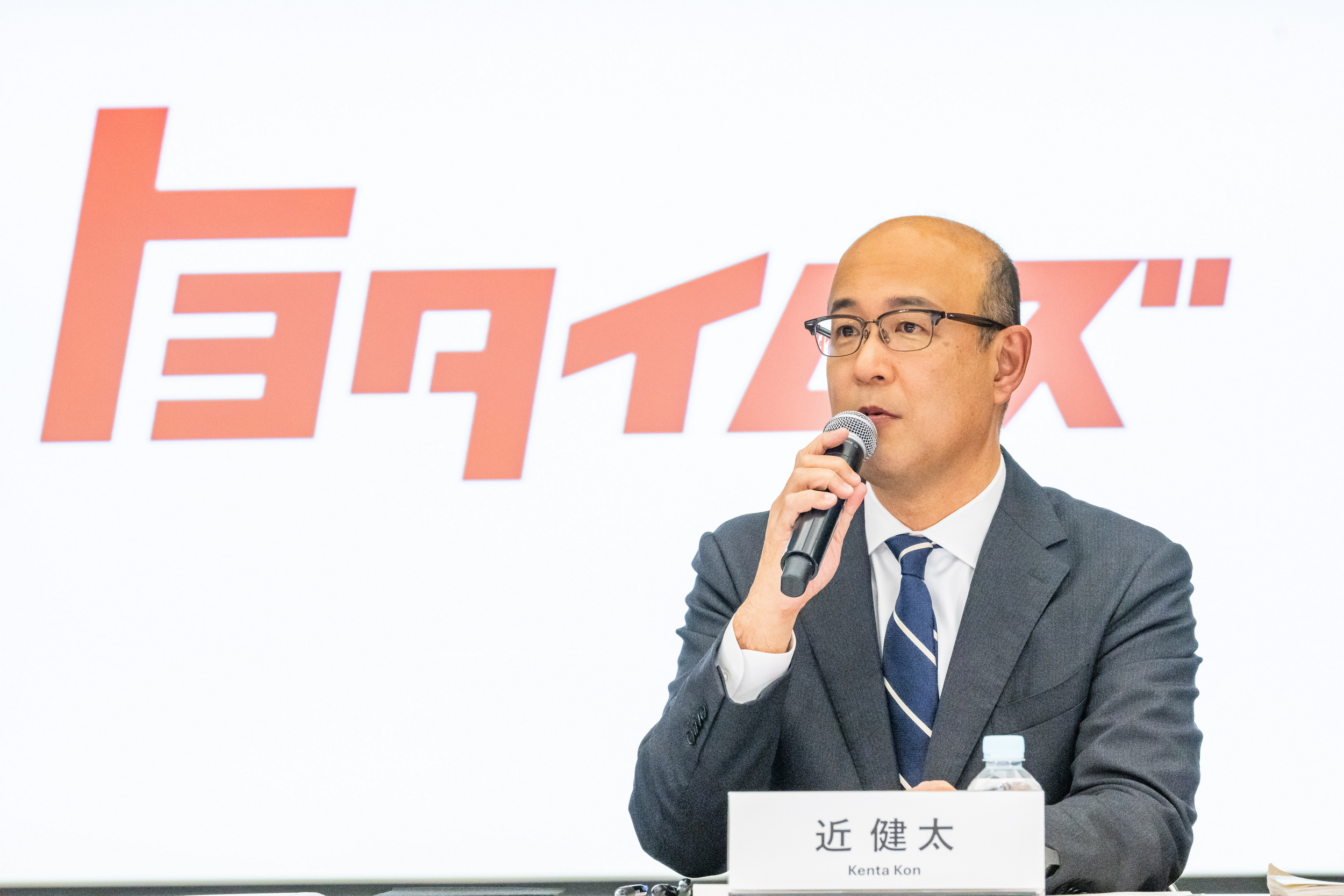
While Sato came from an engineering background and had a reputation as a “car guy,” his successor represents a different approach. Kenta Kon, often described as a numbers-focused executive, has been with Toyota since 1991.
In an interview with Nikkei Asia, Kon said, “Since I handle accounting … I’m extremely particular about profits and numbers that enable solid investments to develop cars.”
His mandate is to reinforce Toyota’s financial resilience during an uncertain period and to accelerate the company’s evolution into a full-spectrum mobility provider. Among his top priorities is reducing break-even production volumes and enforcing fiscal discipline.
Kon played a key role in recent cost-cutting strategies that helped the company manage fallout from supply chain breakdowns and rising US tariffs. Alongside this leadership change, Executive Vice President Yoichi Miyazaki has been appointed Chief Financial Officer.
Financial Resilience Amid Tariff Headwinds
Toyota’s leadership announcement arrived alongside a strong Q3 earnings update. The company stuck to its earlier projection of a ¥1.45 trillion ($9.2 billion) hit to operating income for the fiscal year ending March 31, 2026.
Despite pressure from US import tariffs, Toyota raised its full-year net profit forecast by 22%, bringing it to ¥3.57 trillion ($22.7 billion). The upward revision was driven in part by a weaker yen and continued cost-cutting efforts, though third-quarter net profit still dropped 43% year-on-year to ¥1.3 billion. Even so, the market responded positively, with shares closing 2% higher on the day.
Kon acknowledged the challenges ahead: “We must be realistic about the headwinds we face, including potential changes in global trade policies. We are bracing for a significant impact on our operating income, and our response must be a relentless focus on cost-efficiency and internal restructuring.”
North America’s Hybrid Demand Keeps Margins Afloat
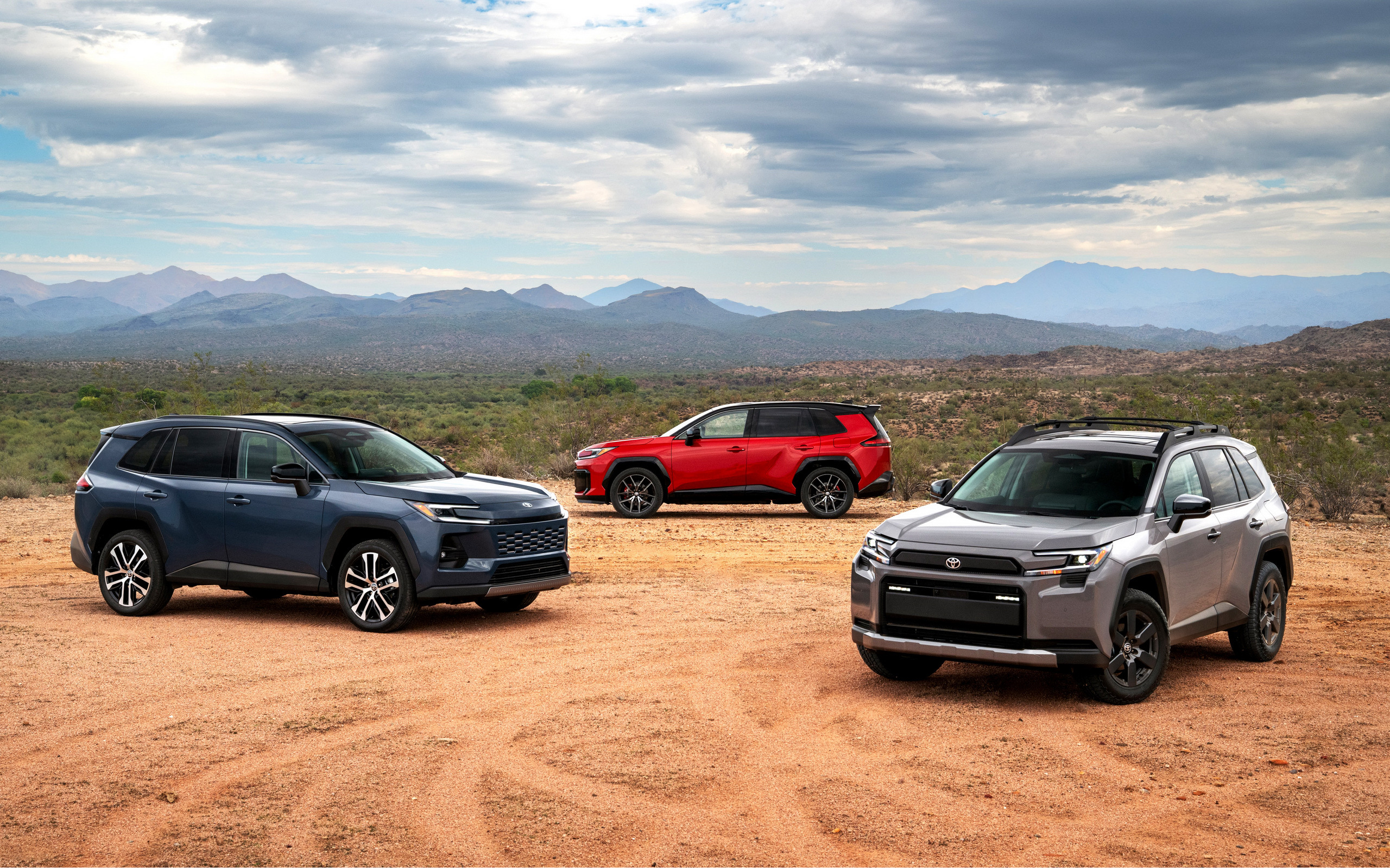
The new CEO confirmed that his predecessor’s BEV-first strategy will stay at the core of Toyota’s ongoing transformation. He also pointed to strong hybrid sales as the company’s “financial foundation” and the “primary driver of our upward profit revision,” especially in North America, where they’ve helped ease the impact of import tariffs.
More: Toyota’s 620-Mile Solid-State EV Plan Just Got A Major Boost From Big Oil
That said, Toyota’s EV rollout is still modest compared to competitors. The company sold fewer than 200,000 electric vehicles last year, dwarfed by the 4.4 million hybrids it delivered globally.
Turning a Global Fleet into a Data Advantage
Kon noted that sustained profitability is critical to give engineers the resources they need to drive innovation across software and hardware.
He acknowledged that some rivals may have an early lead in EV development, but pointed to Toyota’s unique advantage: a global fleet of 150 million vehicles already on the road. The vast amount of data generated by that fleet, he said, will be a key asset in the development of future software-defined vehicles.
Toyota recently reported record-breaking sales of 10.5 million vehicles in 2025, a 3.7% increase over the previous year, securing its position as the world’s largest automaker ahead of the Volkswagen Group.



Toyota