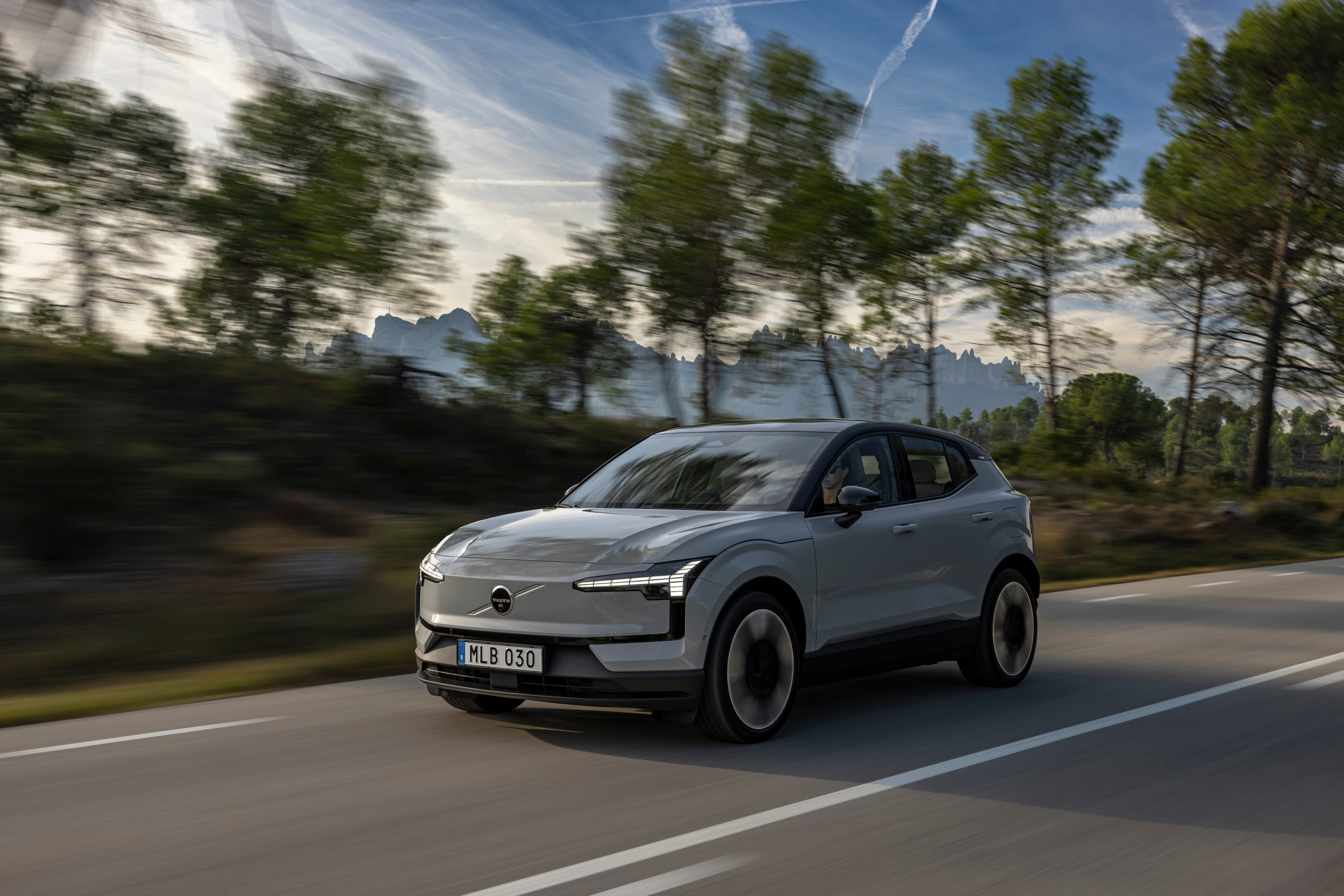
- Volvo is recalling over 40,000 EX30 EVs due to a fire risk.
- The crossovers need to have their battery packs replaced.
- Owners should limit charging to 70% in the meantime.
Another day, another EV recall, and this time it is Volvo’s smallest electric offering in the firing line. The EX30, positioned as the brand’s entry-level EV, is being recalled over a potential fire risk.
While the recall hasn’t been posted by the National Highway Traffic Safety Administration yet, Reuters reports it involves 40,323 vehicles worldwide, including an unspecified number sold in the United States, and will require “replacing modules in the high-voltage battery packs.”
More: Volvo Warns 40 EV Owners To Park Outside Now
Specifics are few and far between, but the recall is said to impact the EX30 Single-Motor Extended Range and Twin-Motor Performance. A spokesperson told the publication the company is reaching out to customers to “advise them of next steps.”
Little is known about the issue at this point, but the problematic batteries were reportedly made by Shandong Geely Sunwoda Power Battery Co. Volvo said the mysterious issue has been addressed and the Geely joint venture will supply them with new battery cells.
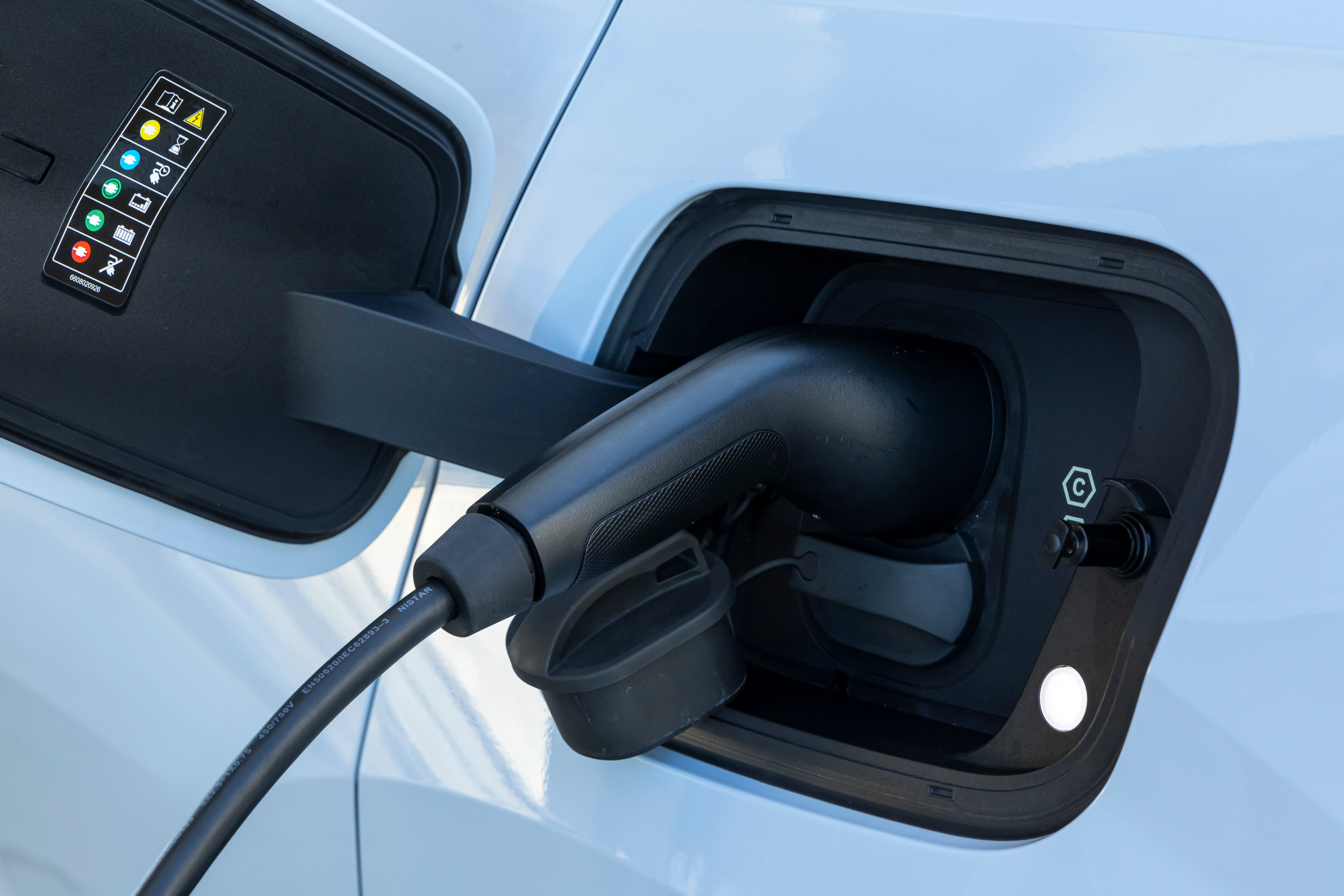
It’s unclear what the problem was, but it appears to be related to a high-state of charge. As a result, Volvo is telling customers to limit the battery to a 70 percent charge. This reportedly eliminates the risk of a fire, but parking outside – away from buildings and other vehicles – is probably a good idea.
Volvo’s relative silence isn’t very reassuring, but the company previously recalled 40 EX30s over a fire risk in January. That recall involved 2025 models, which had a high-voltage battery that could short circuit and overheat. This was blamed on a “process deviation,” which could “result in the formation of lithium plating growth.” If this occurs, there could be an internal cell short.
At the time that recall was announced, Volvo didn’t have a fix for the issue. However, it told owners to limit charging to 70% and to park outside, away from structures.
It remains unclear if the two recalls are related, but they’re shaping up to be a huge mess for a company that has heavily invested in EVs. In fact, Reuters estimates the latest recall alone could cost around $195 million.