











- S.B. 720 expands red light camera use statewide.
- Warning signs must be posted within 200 feet.
- Data shows 21 percent crash reduction in cities.
California is once again eyeing its intersections, this time with a few more cameras in mind. A new bill aims to expand the use of red-light cameras statewide, building on a five-year pilot program that ran in several cities. The proposal is part of a broader push to improve intersection safety. Cameras like these are not without controversy, and perhaps to ease local concerns, fines for first-time offenders could be reduced.
Senate Bill No. 720, introduced by Sen. Angelique Ashby, would authorize the use of automated traffic cameras in cities and counties that opt in to existing speed camera programs. A pilot program has already been in place for several years in Los Angeles, San Jose, Glendale, Oakland, Long Beach, and San Francisco. The new bill seeks to address some of the issues that emerged during that trial period.
The updated program would require warning signs within 200 feet of any intersection equipped with a traffic camera. Cities rolling out new red-light cameras would also need to issue warning notices for the first 30 days before issuing fines.
Vehicle Based Citations Replace Driver Liability
Interestingly, the bill would see citations issued to the vehicles rather than to the driver. This is a key difference from the current program, where drivers are fined, and appears to have been made because vehicles can be subject to escalating civil penalties.
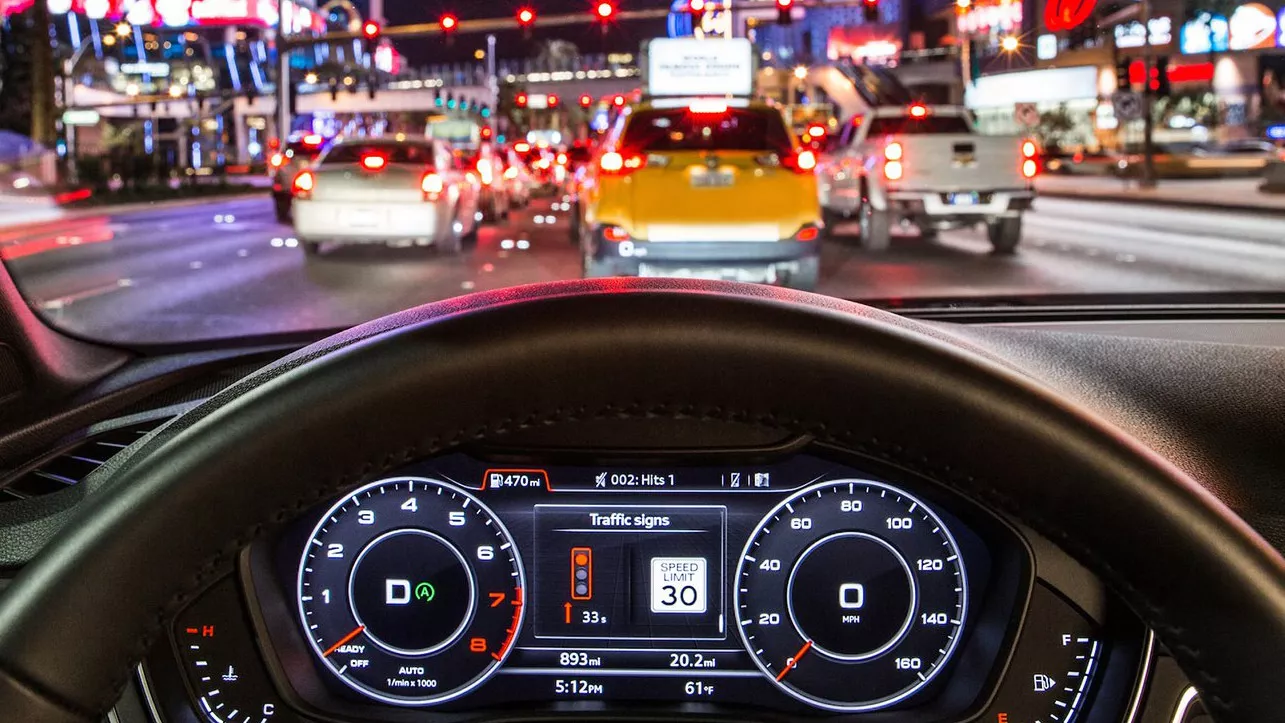
According to reporting by The Sacramento Bee, many law enforcement agencies across California have struggled to collect payments from drivers. In some cases, that shortfall has led cities to abandon the programs altogether, as they were operating at a deficit rather than paying for themselves.
The new bill attempts to tackle that head on. Fines for first-time violations would drop to $100, lowering the initial sting. Drivers who believe they were wrongly cited could also appeal to the Superior Court for $25, adding a relatively low-cost path to challenge a ticket.
The bill cites data from the Insurance Institute for Highway Safety to support the use of red-light cameras. In 2022, 1,149 people were killed in the US and more than 107,000 were injured in crashes involving red-light running. The same study found that cameras reduced the fatal red-light running crash rate in large cities by 21 percent.
Screenshot Google Maps