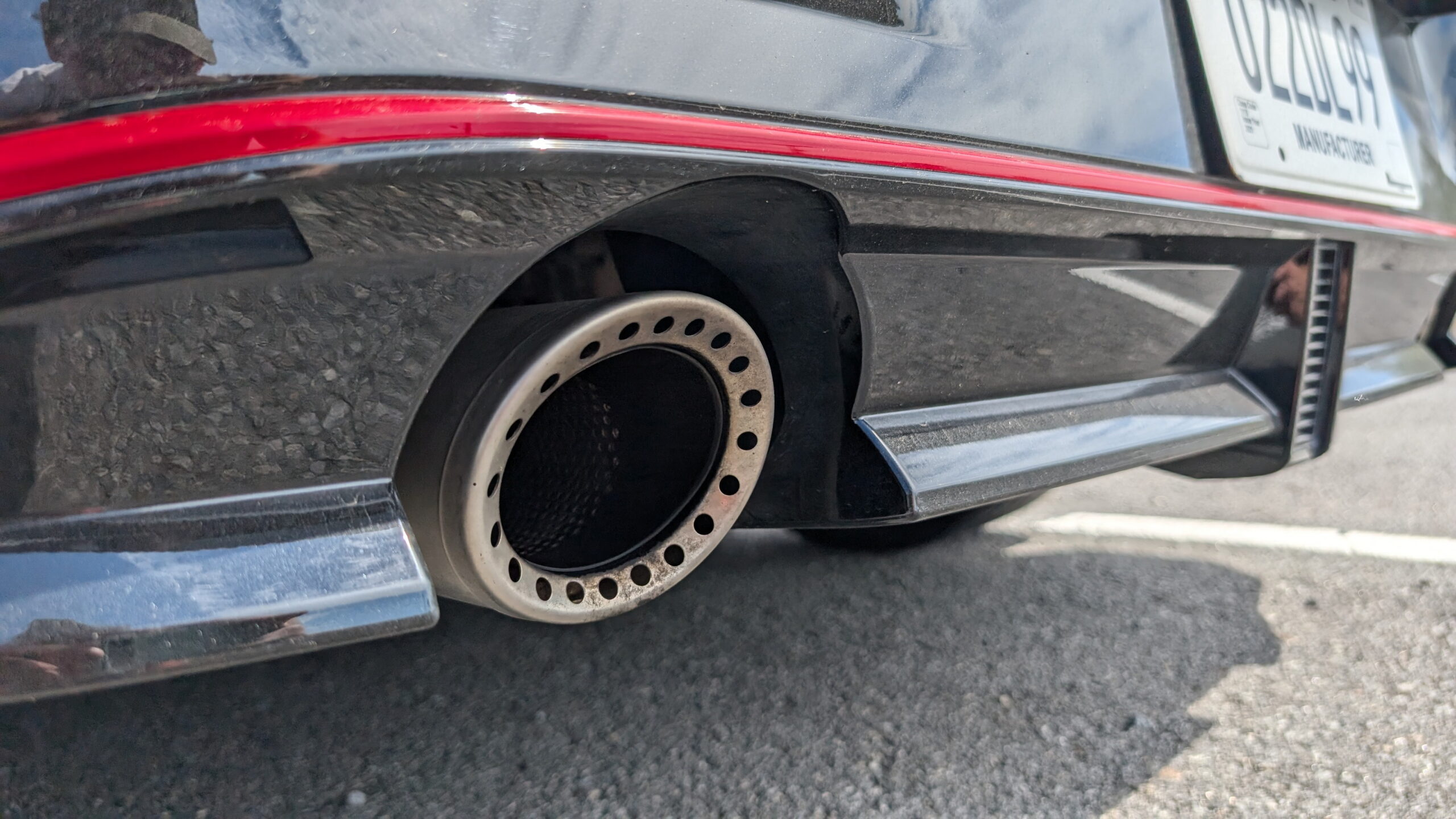


- Florida lawmakers approved a bill banning intentional revving.
- The law drops decibel limits and adds a subjective noise rule.
- Police may ticket drivers for loud revving or acceleration July 1.
Florida lawmakers appear to be cracking down on loud exhausts and revving engines, but the way they’re doing it might raise more questions than it answers. The Florida House just approved HB 543, a sweeping traffic bill that touches on everything from school-zone enforcement to license-plate readers.
What will surprise drivers, though, is the new crackdown on revving their engines in a way that creates “excessive noise.”
Current Florida law already requires vehicles to have properly functioning exhaust systems designed to prevent “excessive or unusual noise.” But the state also backs that rule up with specific decibel limits, generally 72 dB at speeds below 35 mph and 79 dB on faster roads. HB 543 would scrap those objective limits entirely.
Replacing Decibel Limits
In the place of these objective measurements, the law would rely on a blanket statement. The new legal text says that drivers may not “intentionally increase the revolutions per minute or unreasonably accelerate in a manner that would produce excessive or unusual noise.”
Read: Only An Electric Dodge Charger Could Get Ticketed For A Loud Exhaust
Vehicles must still maintain a functioning exhaust system with a muffler, manifold pipe, and tailpipe. Interestingly, motorcycles and mopeds are exempt from the new rule if they meet federal EPA noise standards.
Legislative analysts cited by Click Orlando say that law enforcement has trouble enforcing decibel limits. The change essentially creates a “plainly audible” standard, similar to how some cities regulate loud music. Instead of relying on decibel readings, it appears as though enforcement will largely depend on an officer’s judgment about whether the noise was excessive and intentional.
What Counts As Excessive Noise?
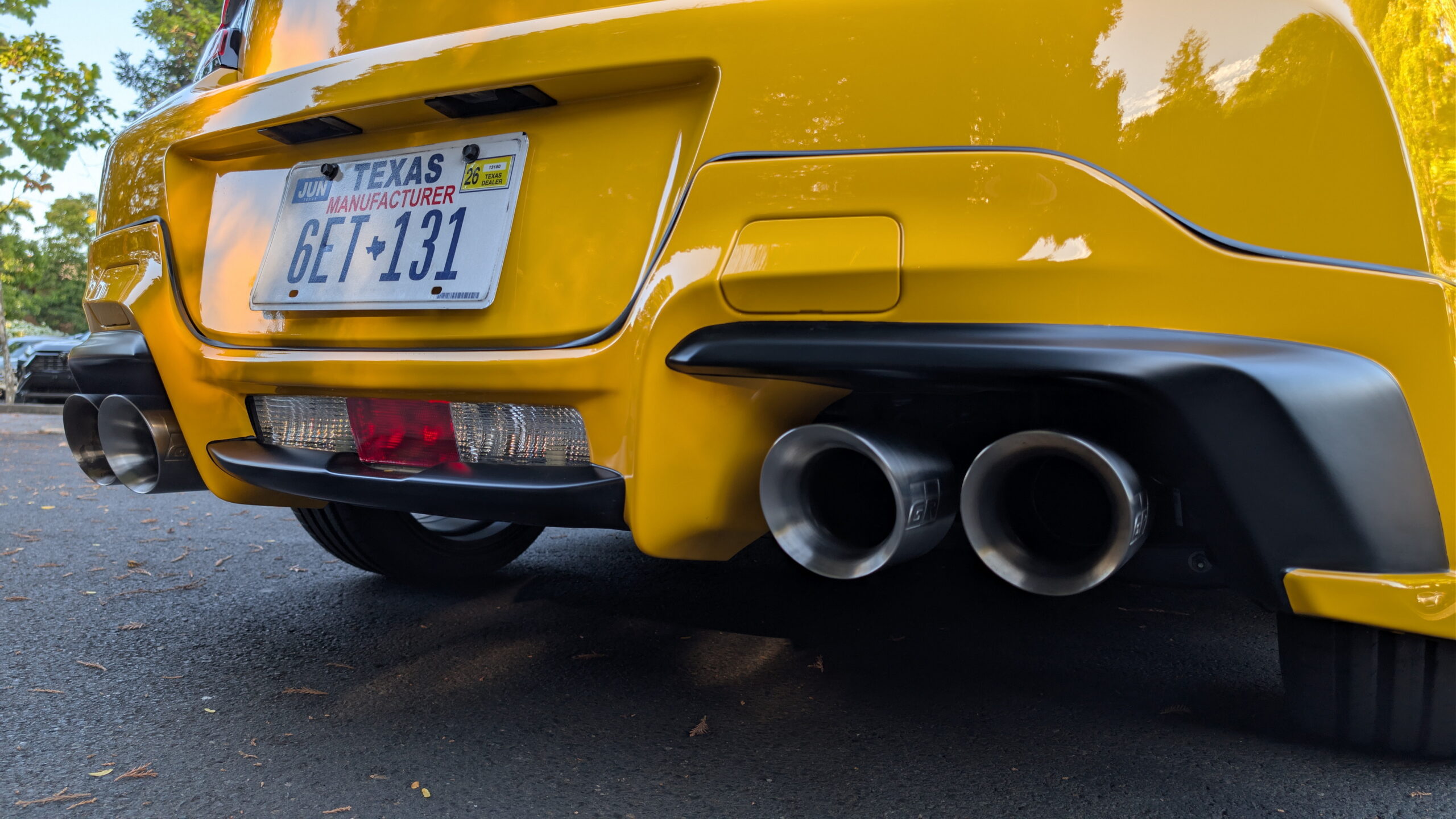
That could make the law easier to enforce, but it may also make it easier to challenge. Because the rule lacks a clear measurement threshold, citations could hinge on factors like witness testimony, body-camera audio, or officer observations.
Also: Like Noisy Cars? You Could Be A Sadist Or Psychopath, Study Says
This could also lead to interesting cases where cars that have a relatively loud idle end up with tickets even if they’re not revving their engine. We’ve already seen cases of totally stock cars getting tickets for being too loud in other states. Florida might be next on that list.
Lawmakers in the Florida House approved the bill Wednesday with just a single dissenting vote. The legislation now heads to the Senate before potentially reaching Gov. Ron DeSantis. If signed into law, it will take effect on July 1.