











- Toyota and Hyundai hold 27% of the Middle East car market.
- Chinese automakers keep expanding exports across the region.
- Shipping route closures could disrupt vehicle supply chains.
Toyota, Hyundai, and several top Chinese automakers are venturing into a period of real uncertainty as tension linked to Iran begins to rock trade in the Middle East. What may appear to be a distant geopolitical conflict is rapidly becoming a practical business problem for companies that rely on the smooth functioning of shipping lanes and stable demand in the Gulf.
The Middle East has always been a stronghold for Asian car brands. Toyota’s SUVs and pickups are common on Saudi Arabian and UAE roads. and the brand holds a 17 percent market share. Hyundai has been able to build a loyal customer base with everything from compact sedans to family crossovers. They make up 10 percent of new car sales.
Read: An $8.21 Gas Price In LA Shows Just How Fast Fuel Costs Are Rising
And, in the past few years, Chinese manufacturers like BYD, Chery, and SAIC have made a largely successful push into the region, using it as a springboard to expand internationally. For China, the region made up 17 percent of new passenger car exports.
But with the war hanging over the region, that dependence is what now places all of them in a sensitive position.
The Threat Of Conflict
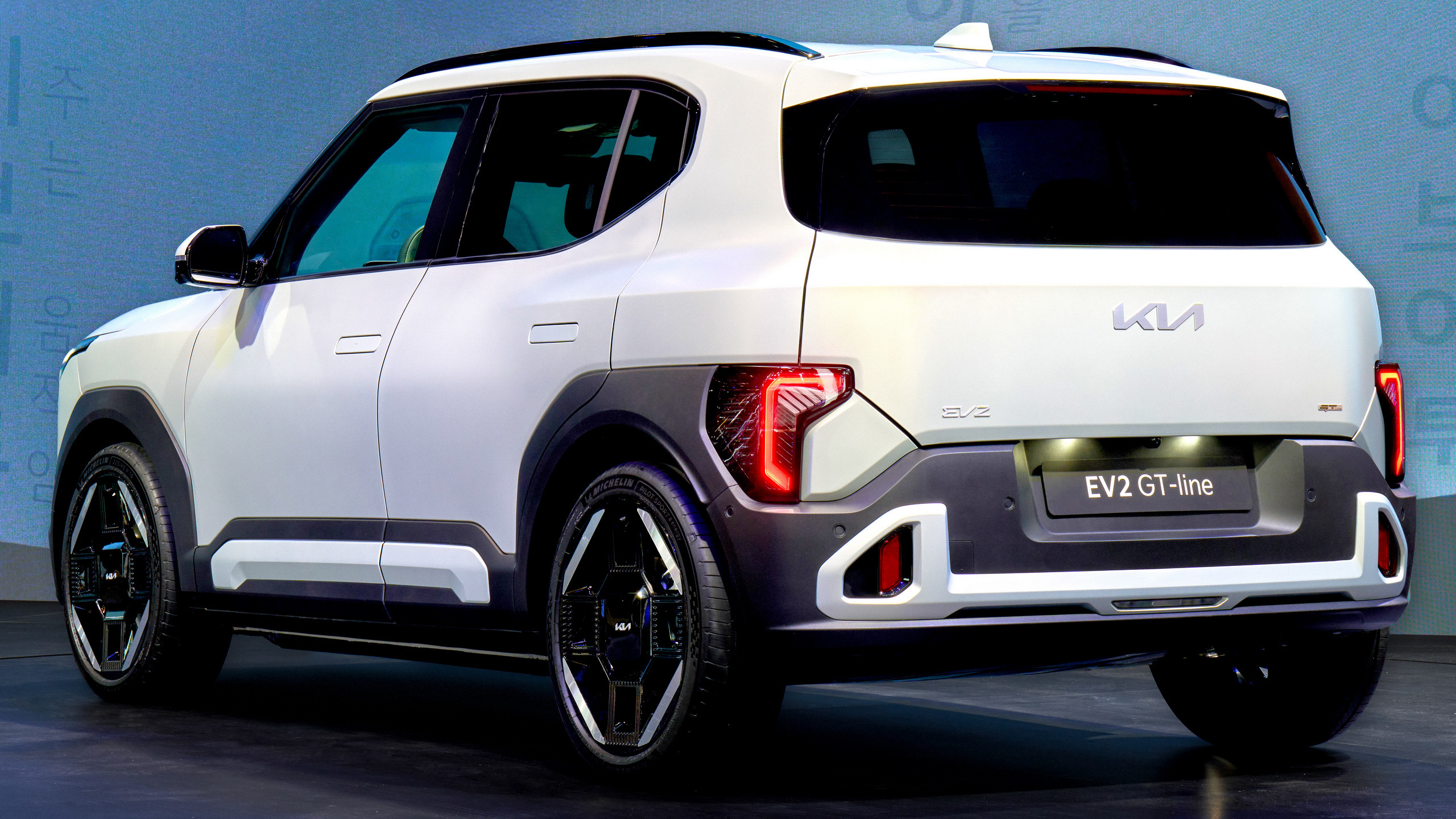
The first pressure point is the logistics. The Strait of Hormuz is one of the most important oil routes in the world, with a Bernstein analyst telling CNBC that a closure may result in an added 10-14 days to transit times. It’s also used for vehicles and parts shipments to the Middle East.
When tensions are on the increase, so do shipping insurance, freight costs, and delivery timelines. According to the analysts, Japanese automakers are set to be the least impacted for the time being, but Stellantis may be particularly exposed.
Chinese car makers are at slightly different risk. Many of them have relied heavily upon exports to compensate for decelerating growth at home. The Middle East has been one of its fastest-growing markets. Should the conflict drag on and buyers postpone purchases, that export momentum could slow. For brands that relied on overseas demand to balance the home competition, the timing is difficult.
See Also: The Surprising Reason Israel Feared A Port Full Of EVs
Chinese carmakers may feel the impact almost immediately. Vehicles destined for Gulf showrooms get more costly to ship, and production gets more difficult to plan. Companies are faced with either absorbing the additional cost or passing it on to the customer.
Oil Prices Could Rise
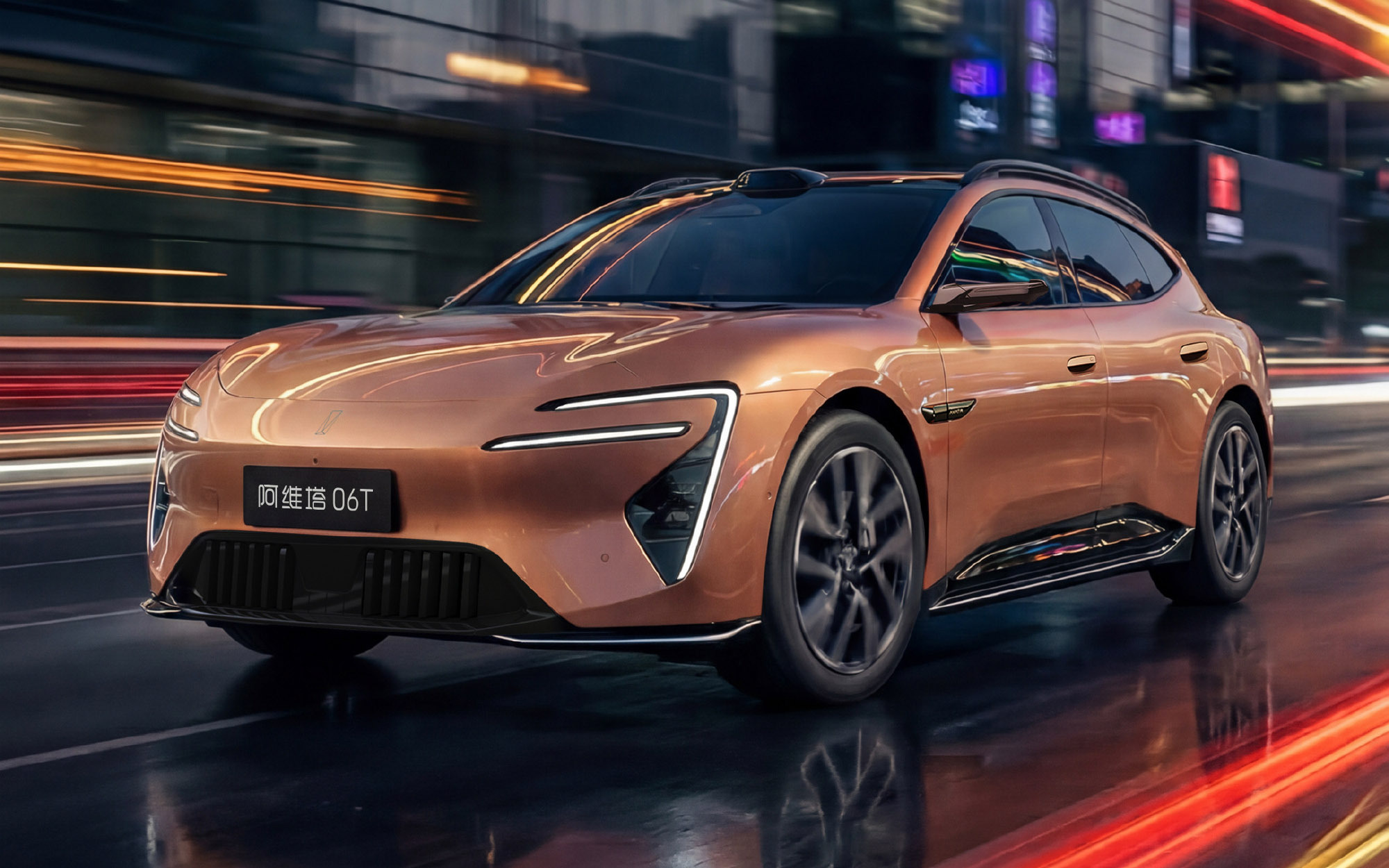
Oil prices add another layer. If the cost of fuel is still high, consumer behavior changes. Large SUVs and big engines have always been popular in the Gulf, and they constitute a significant proportion of the sales of Toyotas and Hyundais. Higher pump prices could force buyers gradually into hybrids, smaller engines, or electric models. That takes time, but sustained fuel pressure tends to change preferences.
There is a general mood to take into consideration as well. Political instability tends to make households more cautious. Big purchases, such as cars, are easy to put off if there is uncertainty in the air. Even a short-term slowing of showroom traffic can be felt back to factories in Japan, South Korea, and China.
