













Subaru’s first EV, the Solterra, didn’t exactly set the world alight. Lukewarm demand and an awkward early recall made it feel more like a cautious toe-dip into electrification than a confident leap.
The 2026 Trailseeker is the opposite. It’s bigger, quicker, and more capable. And somehow, almost by accident, it has become the most powerful and fastest production Subaru ever built.
Review: Hyundai’s Chinese 2026 Elexio EV Gets So Much Right, And That’s The Frustrating Part
That alone would make it worth a look. But here’s where it gets interesting. We didn’t test the loaded Touring trim dripping in features. We didn’t even grab the mid-tier Limited. Instead, we spent a full week with the Trailseeker Premium, which, despite the name, is actually the base model. Yes, “Premium” is doing some heavy lifting here. This is the $39,995 version most buyers will realistically consider.
Quick Facts
On paper, it reads like a greatest-hits list for Subaru loyalists. Standard Symmetrical AWD, 8.5 inches (216 mm) of ground clearance, 3,500 pounds of towing, and 375 horsepower (280 kW). That’s not exactly timid. Subaru claims 0-60 mph in 4.4 seconds. We tested it. It’s quicker than that. And after a proper stretch behind the wheel, we’re fairly convinced this so-called base model might be the smartest pick in the entire lineup.
Does It Look The Part?



Photos Stephen Rivers / Carscoops
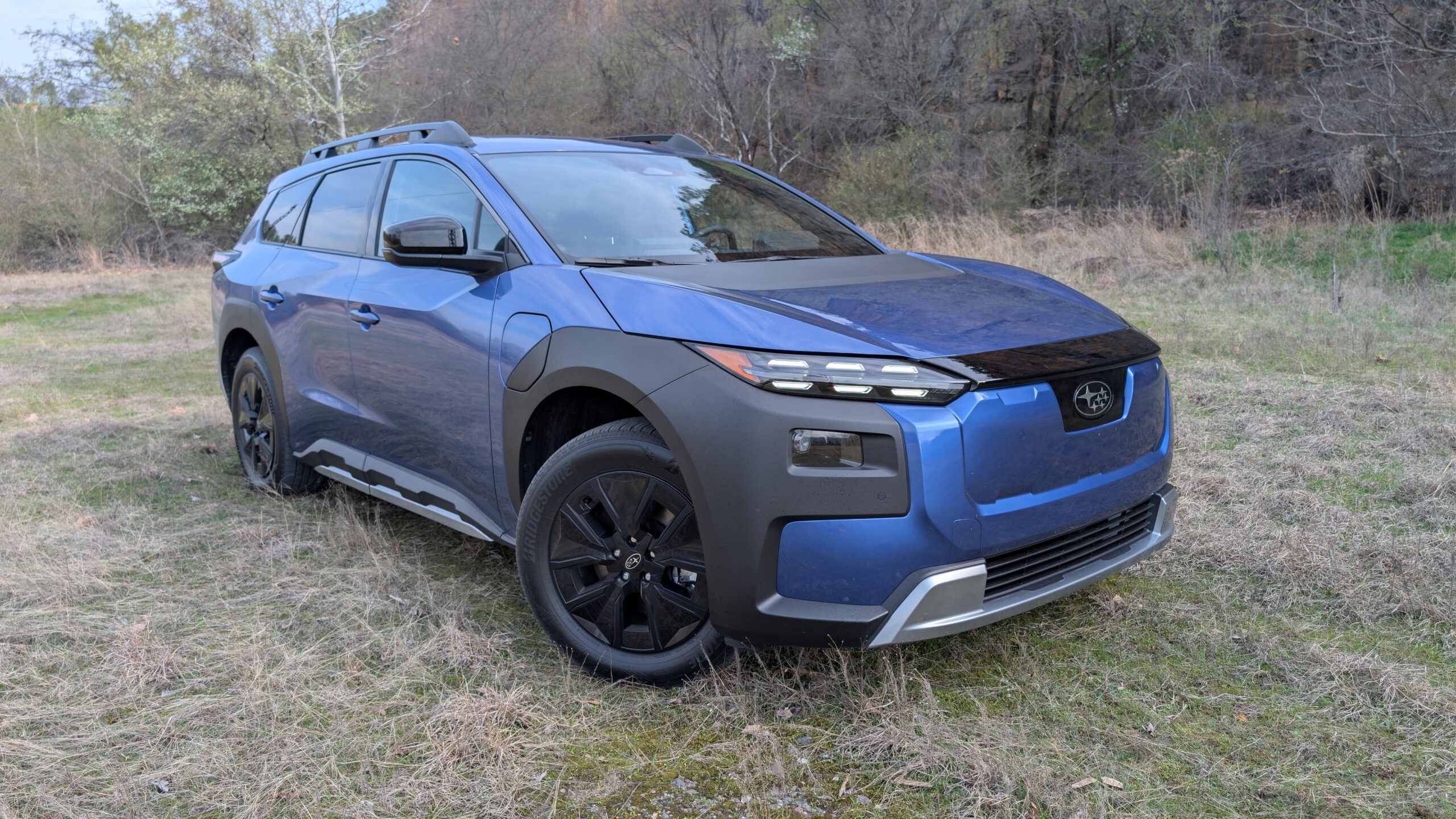
The Trailseeker looks like it belongs on a trailhead, not outside a charging station. Black lower cladding, ladder-style roof rails, squared-off proportions, and a clean light bar give it a tougher presence than the Solterra. It measures 190.8 inches (4,846 mm) long on a 112.2-inch (2,850 mm) wheelbase, stands 65.9 inches (1,674 mm) tall, and rides with best-in-class 8.5 inches (216 mm) of clearance.
More: Subaru’s New Trailseeker Costs $5,000 More Than The Outback
That clearance number matters. It puts the Trailseeker Premium ahead of rivals like the VW ID.4, Hyundai Ioniq 5 XRT, and Chevy Blazer EV AWD in pure ride height. That’s something Subaru emphasized heavily in its capability comparison charts. For buyers, it means worrying less when going over deeply rutted paths or rocky roads.
Even on 18-inch wheels with aerodynamic covers (Premium trim), it doesn’t look cheap. If anything, the smaller wheels add sidewall and reinforce the rugged vibe. Having now driven both this and the bZ Woodland, the Subaru appears a bit more cohesive in person. I’m still not sold on all of the plastic cladding, but I’d rather be seen in this than the Toyota personally.
Tell Me About The Interior


Photos Stephen Rivers / Carscoops
This base Trailseeker had me searching for decontenting because it starts at $39,995. As we’ve covered, that’s thousands less than the base bZ Woodland. Despite my efforts, I never found anything that felt like a big letdown compared to the Toyota I tested a few weeks ago. Sure, we don’t have ventilated seats, heated outboard rear seats, or a panoramic sunroof, but honestly, those are luxuries, and what’s already here is pretty great for the money.
Review: 2026 Toyota bZ Woodland Is Quicker Than A GR Corolla, But That’s Not Its Real Trick
The dash has nice texturing, the steering wheel feels like it’s from the future, and the 14-inch infotainment screen is a massive leap forward for Subaru (thanks, Toyota!). The menu is intuitive and easy to navigate. Physical buttons exist for the volume, media on/off, defrost, hazards, and climate temperature. Fan speed, air flow direction, and heated seat settings are all in the touchscreen itself. It’s not as nice as having physical controls for everything, but it’s better than having none at all.
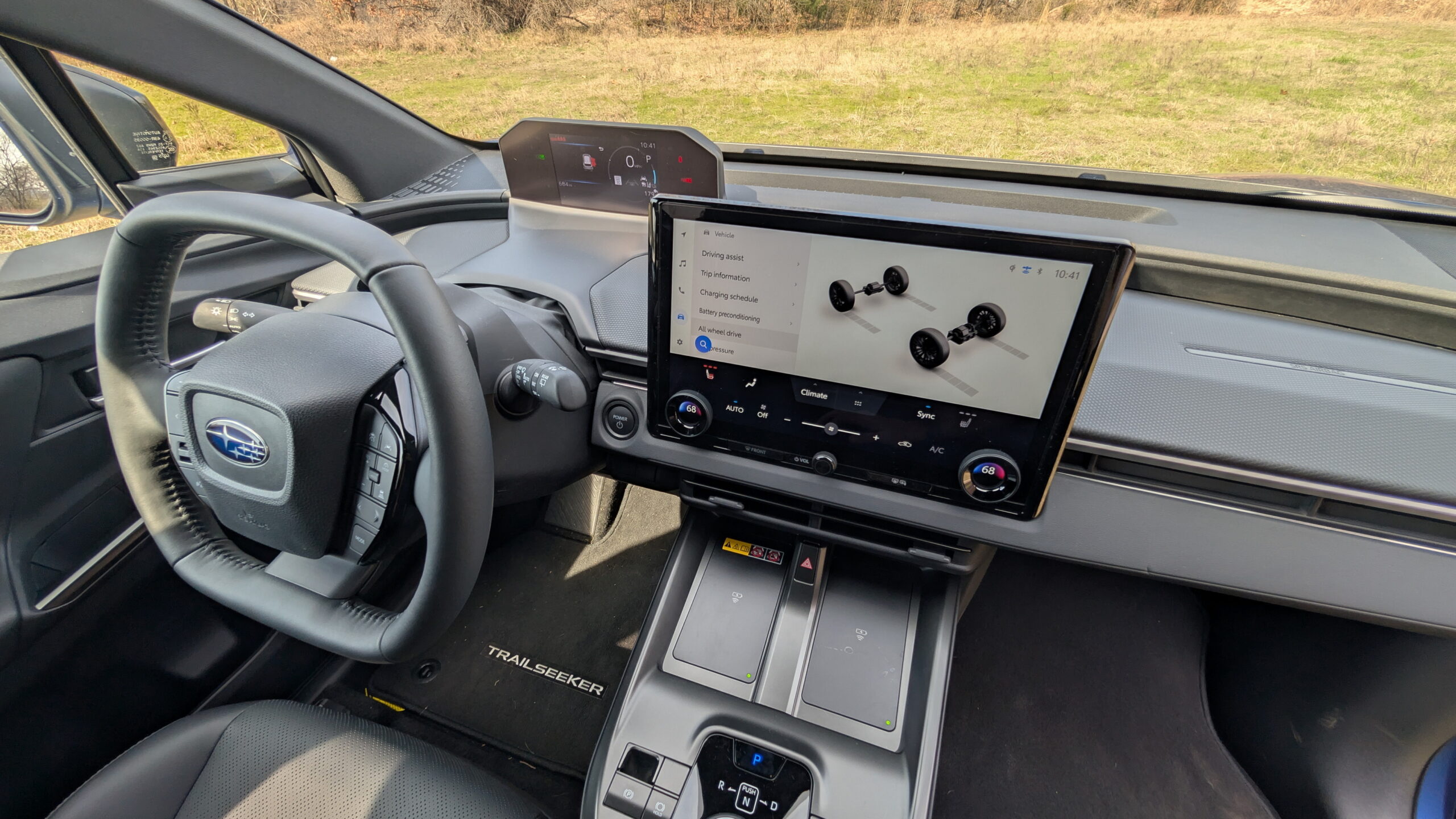
There are dual 15w wireless chargers under the screen, along with a parcel shelf underneath that. It’s key because there’s no glove box, so expect to store things differently in this car than in most others. A small ‘magic’ storage console sits behind the shifter and allows both front seat passengers to open it from their side, which is great. It doesn’t flip over like the one we tested in the latest Toyota RAV4. Speaking of that shifter, it’s one of the weirdest and perhaps least positive parts of this car.
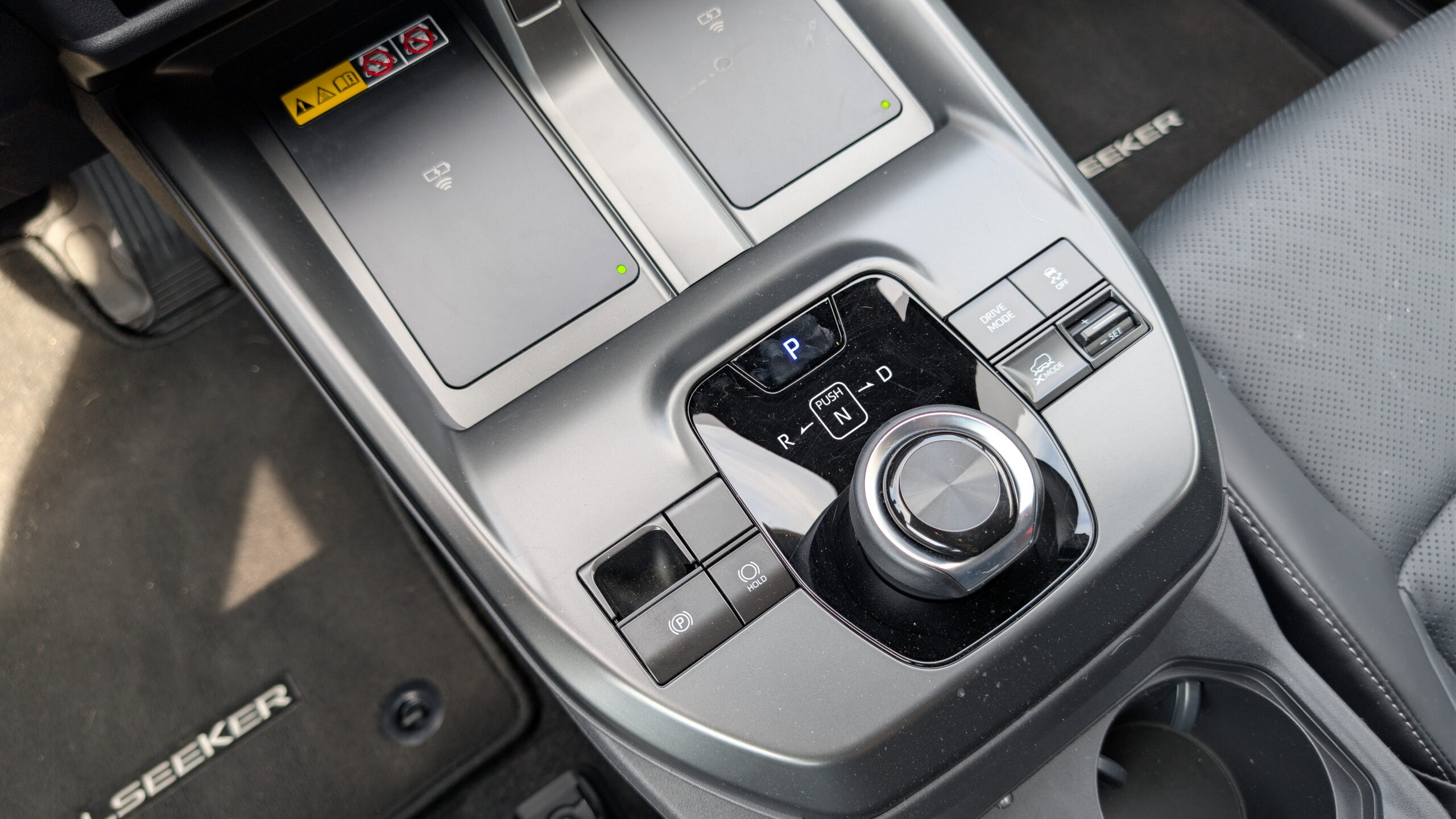
To use it, the driver pushes a ring down and then twists it left or right. Once you’re used to it it’s no big deal, but it does take getting used to. Everyone I handed the keys to needed a quick tutorial. Subaru places driving modes, of which there are three, normal, eco, and power, to the right of the shifter, along with X-Mode, a low-speed cruise control built for off-roading.
First Drive: The 2026 Toyota C-HR Refuses To Grow Up And Goes All-In On EV Thrills
The seating is supportive and comfortable, but lacks the deep adjustability found in more expensive vehicles. That said, I’m happy to report that the Trailseeker can easily accommodate four adults who are above average height. The rear seats have just enough headroom for me at 6’6 to comfortably sit behind my own driving position in front. That’s impressive, though we should note that adding the panoramic sunroof detracts a bit of headroom.


Photos Stephen Rivers / Carscoops
Speaking of space, there are over 30 cubic feet to use in the back of the Trailseeker. That’s a strong figure and reminds us why wagons are so practical in a world full of oversized SUVs. Fold the seats down, and cargo space more than doubles to over 70 cubic feet. That’s not half bad, though we wish Subaru had included a front truck to make that figure even bigger. Those who need even more space can tow up to 3,500 pounds.
Shockingly Quick In Practice
Leave it to Subaru to cook up what it has in the Trailseeker from a driver’s perspective because it’s on two very different ends of the spectrum at the same time. For everyday pilots of this vehicle, it’ll feel totally normal, totally placid, and at times… it just seems to lack much character. Somehow, Subaru also just happened to make this the most powerful and quickest production car that it’s ever built.
The steering is quick and communicative, the accelerator and brakes offer good linear feedback, and the chassis handles directional changes with composure and high aptitude. It even manages bad road conditions, gravel roads, rock-filled trails, and some off-road trails with ease and comfort.
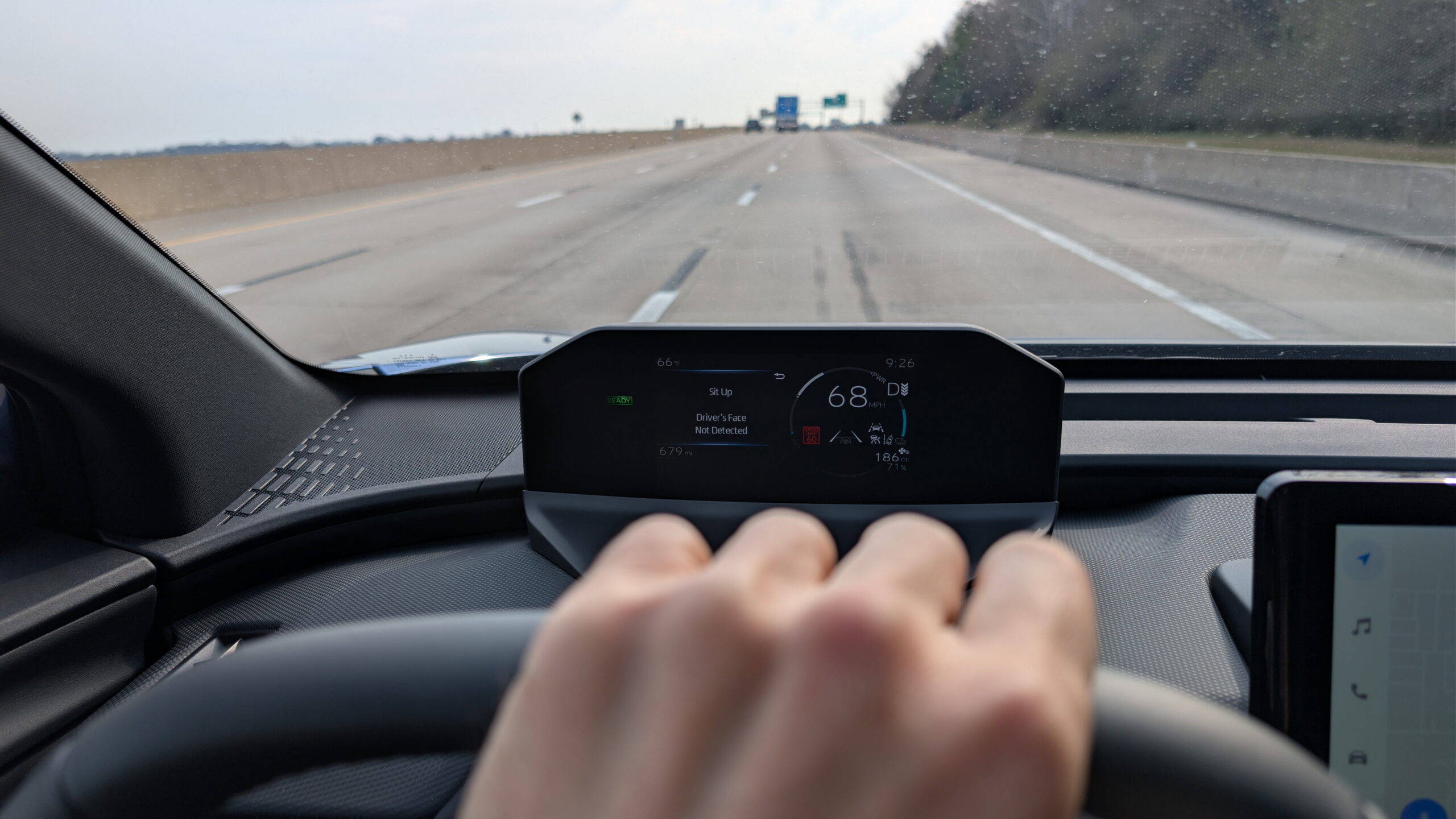
There aren’t even any STI badges to show that performance envelope off. Every Trailseeker gets a dual AC synchronous motor setup with a combined 375 horsepower (280 kW). It leverages a 74.7 kWh battery pack, and Subaru says this wagon will rocket from 0-60 mph in just 4.4 seconds. It’s wrong about that, and we have the data to prove it.
In the real world, we strapped a Dragy GPS tracker to ours and recorded multiple launches. With one foot of rollout, the quickest run came in at 3.88 seconds. Without rollout, it ran 4.11 seconds. You can read the full breakdown of our testing methodology and slope corrections in our separate acceleration analysis.
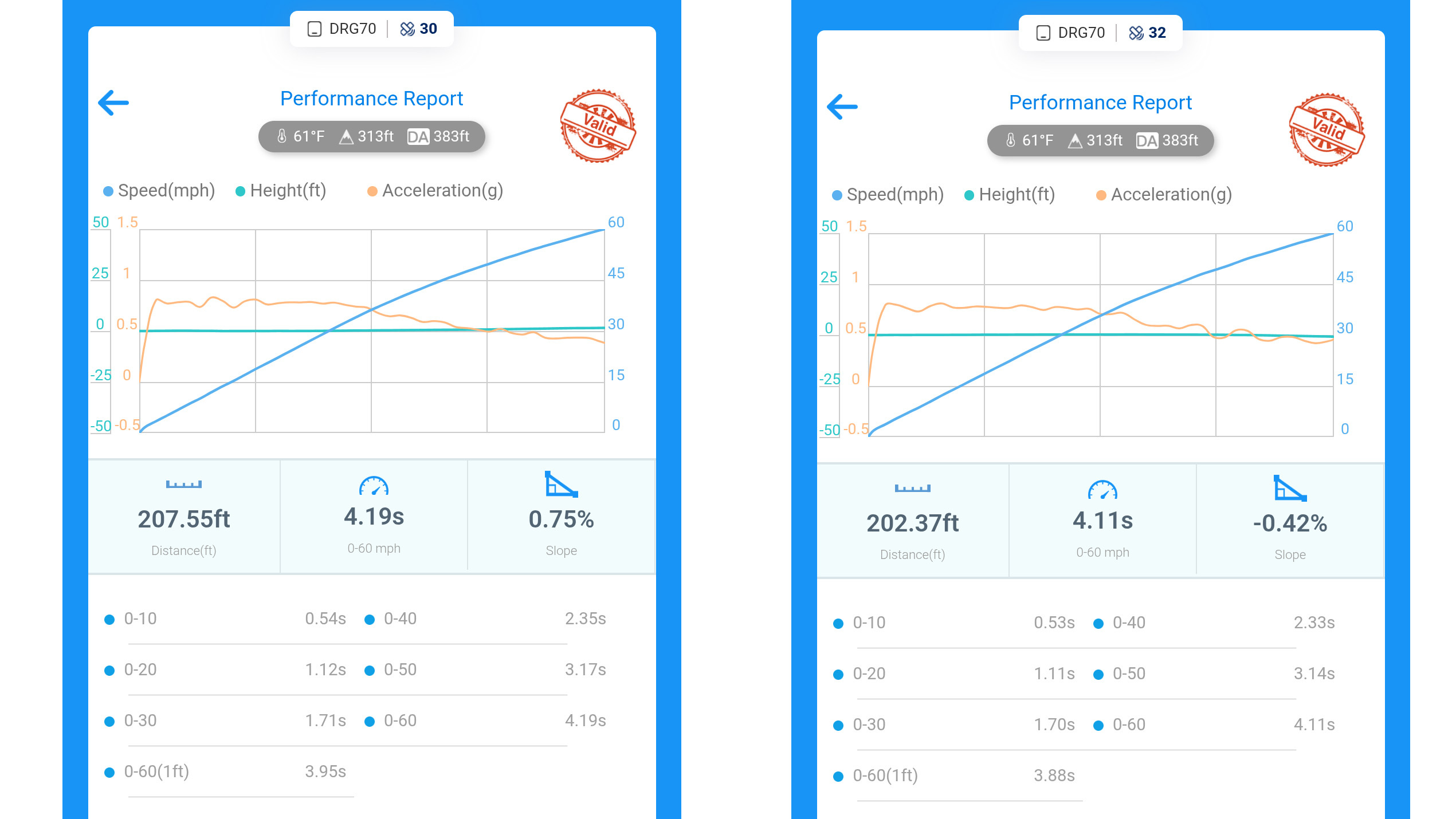
That’s properly quick. Not “quick for a Subaru.” Just quick. In fact, it’s the fastest production Subaru we’ve ever tested.
More importantly, the updated AWD logic gives it a stable, confidence-inspiring feel. It uses independent front and rear motors with variable power distribution, plus X-Mode with Snow/Dirt and Deep Snow/Mud settings. Grip is immediate and predictable, even when you provoke it.
Braking is handled by 12.9-inch front rotors and 12.5-inch rears, and regenerative braking offers multiple levels via paddles. It’s not WRX-level fun, but it’s far more engaging than most mid-size electric crossovers.
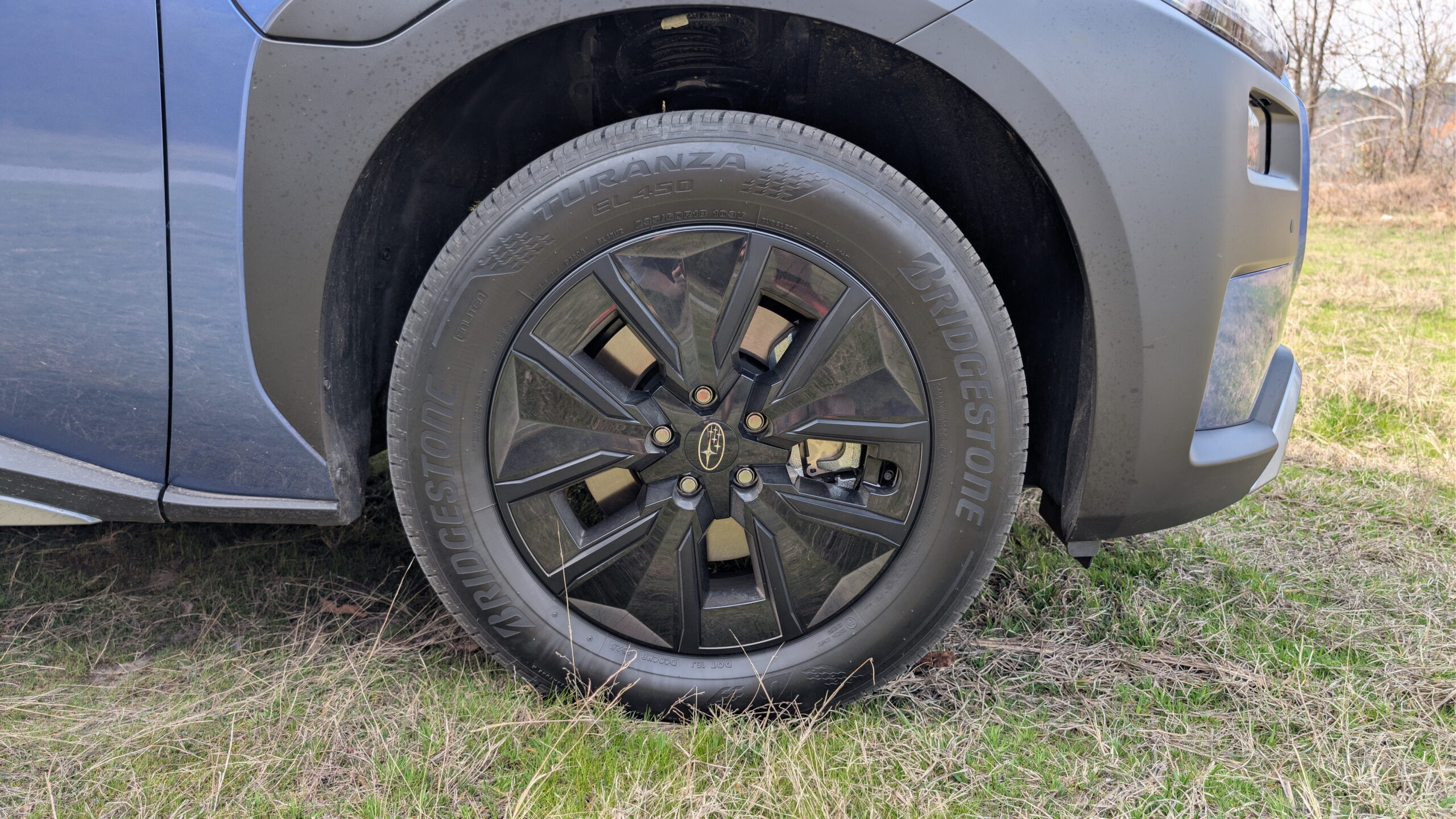
EPA-estimated range is 281 miles (452 km) for the Premium, slightly higher than the 274 miles quoted for Limited and Touring trims. Charging from 10–80 percent takes as little as 28 minutes at up to 150 kW, and it uses a standard NACS port for Supercharger access. We achieved a maximum estimated range of 239 miles as we achieved 3.2 miles per kW, but that’s with our 0-60 testing included. Drive like an adult, and the Trailseeker will almost certainly hit its 280-mile range.
Plenty Of Competition
Subaru benchmarks the Trailseeker against the Kia EV6, Volkswagen ID.4, and Honda Prologue, but the reality is broader than that.
Tesla Model Y is the most obvious rival. In Long Range form, it offers more range and arguably better software. It also matches the Trailseeker’s 3,500-pound towing capacity and adds a usable frunk, something the Subaru notably lacks.
But the Model Y rides lower, lacks meaningful ground clearance, and doesn’t pretend to be trail-capable. If you want tech and efficiency first, Tesla wins. If you want capability baked into the chassis, Subaru has the edge.
Kia’s EV6 leans sportier. It feels lower, sharper, and more road-focused. In GT-Line or GT form, it’s quicker in a straight line, but it sacrifices ride height and off-road pretense. It’s the enthusiast’s EV crossover. The Trailseeker is the practical adventurer.
The Hyundai Ioniq 5 XRT gets closer philosophically. It adds rugged styling and a slight lift, but it still can’t match the Subaru’s 8.5 inches of clearance or 3,500-pound tow rating. Hyundai wins on interior tech polish and charging speed consistency. Subaru counters with real-world trail confidence.
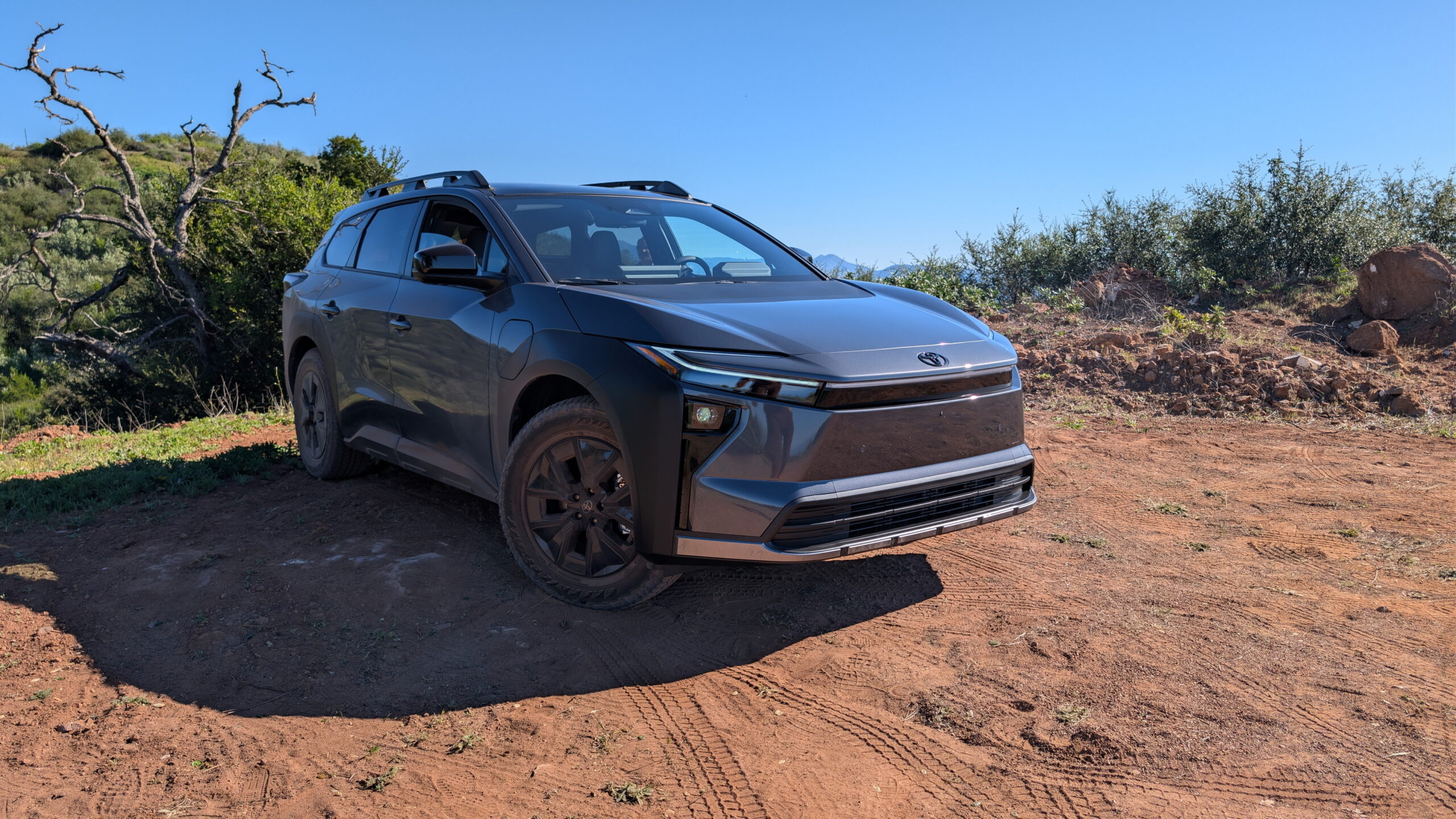
The Toyota bZ Woodland is mechanically nearly identical. Same bones. Same dual-motor layout. Same basic mission. But in person, the Subaru feels more cohesive and slightly better resolved. And crucially, it undercuts the Toyota on price in base form. That matters.
The Trailseeker doesn’t dominate on range. It doesn’t dominate in outright interior luxury. What it does is combine quick acceleration, meaningful ground clearance, real towing capacity, and sub-$40,000 pricing in a way very few EVs currently do. That niche may be small, but it’s distinctly Subaru.
Final Thoughts
Here’s the surprising part: I’m not convinced you need to step up to the Limited or Touring. The Premium delivers the full 375-hp experience, the full AWD system, the full ground clearance, the same fast charging, and nearly identical range. The features it lacks feel like luxuries, not necessities.
That’s rare in today’s trim-walk world. If Subaru’s goal was to make its second EV feel unapologetically like a Subaru, capable, practical, quick, and ready for something more than commuting, it nailed it. And the base model might just be the smartest version in the lineup.
For those with just $5,000 extra to spend, they have their pick of the lineup… and the fastest production Subaru in history without giving up a shred of practicality.


