









- The plaintiff argues that Tesla did not disclose a key safety risk.
- No malfunction was reported in the owner’s vehicle at any time.
- Case focuses on economic loss rather than an actual safety incident.
Tesla rarely stays out of the headlines for long. Over the last year, alleged issues surrounding autonomous driving and door-handle functionality have been the focus. Now, a new lawsuit involving door handles is moving through the court. This time, though, it’s not over a failure of any kind. It’s about something else entirely.
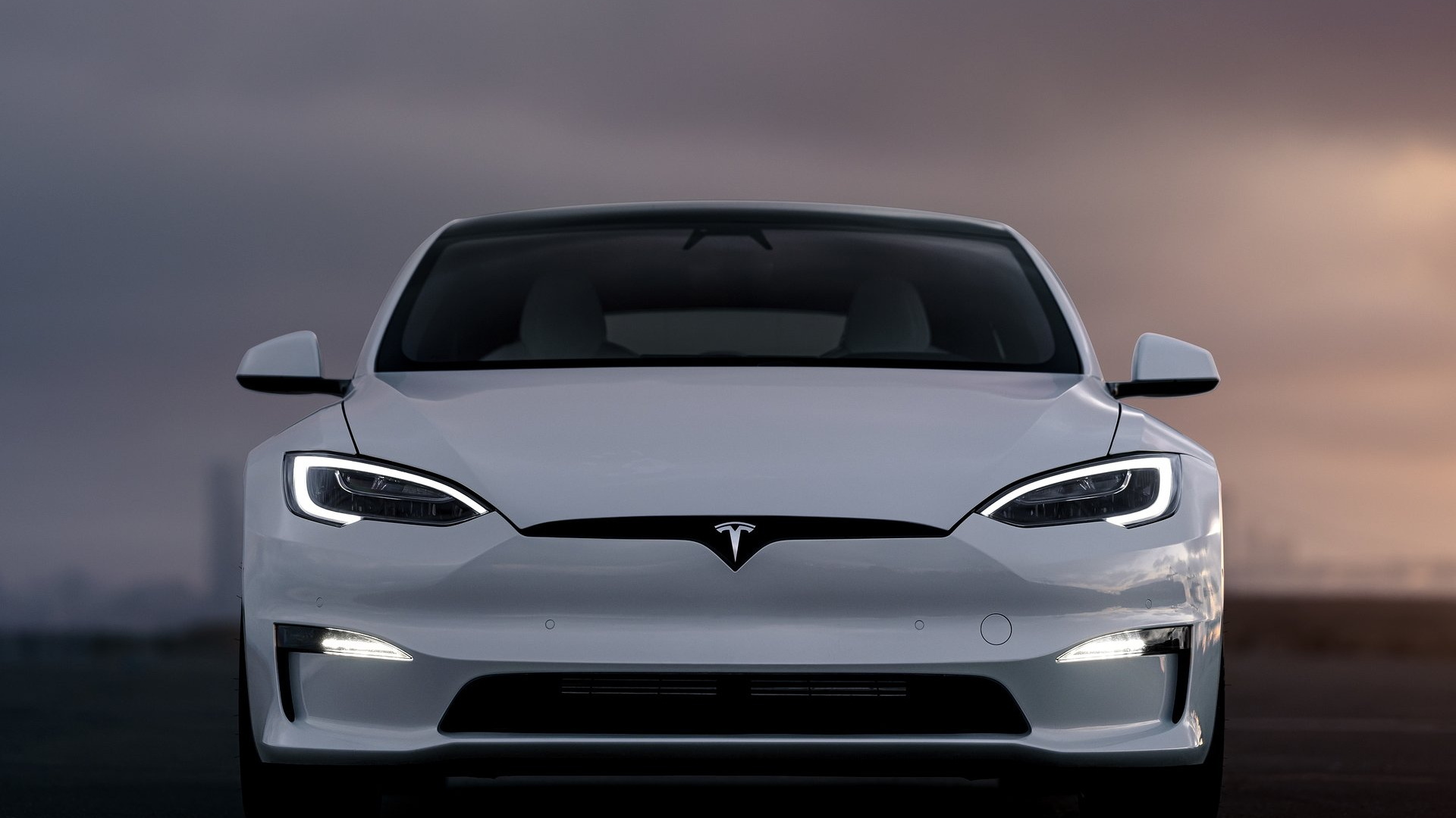
To be fair, the plaintiff calls out failures, albeit ones he didn’t personally experience as the impetus for the claim. The lawsuit comes from Robert L. Hyde, who bought a 2023 Model S and argues the car is now worth less than he paid. According to the filing, Tesla did not disclose what is described as a material safety defect, a detail Hyde claims directly affects the vehicle’s depreciation.
Door Handle Design Dispute
First spotted by Top Class Actions, the suit points to the handles as the linchpin of the claim. If the low-voltage system shuts down during a collision or fire, the exterior handles may not extend, making it difficult for emergency crews to access the cabin. Notably, Hyde does not claim his own vehicle malfunctioned.
More: Trapped In His Tesla, He Said “I Can’t Get Out” Before It Was Too Late
Instead, the lawsuit argues he suffered “economic injury,” saying the alleged defect reduces the value of all 2023-present Model S vehicles. The case accuses Tesla of fraudulent concealment, unjust enrichment, and violations of California consumer-protection laws, and seeks damages as well as a court order requiring changes to the design or disclosure.
Tesla has not publicly responded to the complaint.
The Basis
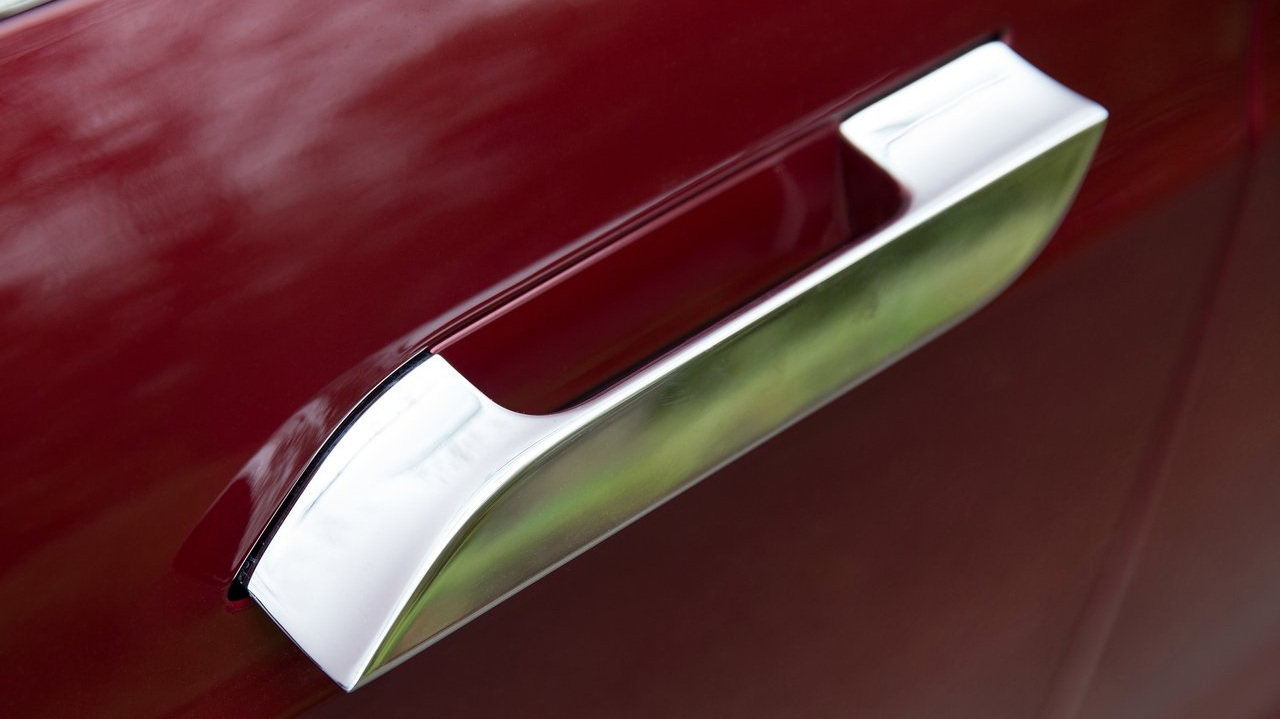
Hyde’s argument draws on prior cases in which Tesla’s door handles have allegedly caused issues. The automaker has faced multiple lawsuits related to the design, including claims in some instances that fatalities were involved. It’s easy to see how, from Hyde’s perspective, these accounts detract from the value of a car with such handles.
Also: China Officially Bans Pop-Out Door Handles, And The World May Follow
Notably, automakers and governments around the world seem to agree that these types of handles are potentially problematic. It’s the reason that China recently banned them on electric vehicles starting from next year. It’s also why some new cars have mechanical backups. Some, like Toyota, are engineering new manual exterior releases for what are otherwise electric door latches. It’s a real concern, and now, the way that concern affects value is something a court might rule on.