

- A Tennessee deputy sued Volkswagen after being fired for having his gun in his car.
- Lawsuit claims state law allows firearms stored in vehicles in employee parking lots.
- VW says weapons aren’t allowed inside the secured perimeter, even in personal vehicles.
Police have plenty of odd issues to deal with from day to day. What reserve deputies don’t expect is to end up fired from their main job because of their law enforcement side gig. Yet that’s exactly what one experienced, and now he’s suing Volkswagen, claiming that his firing was unlawful according to Tennessee’s gun protections. The automaker says its policies are clear and that he’s out of a job for good.
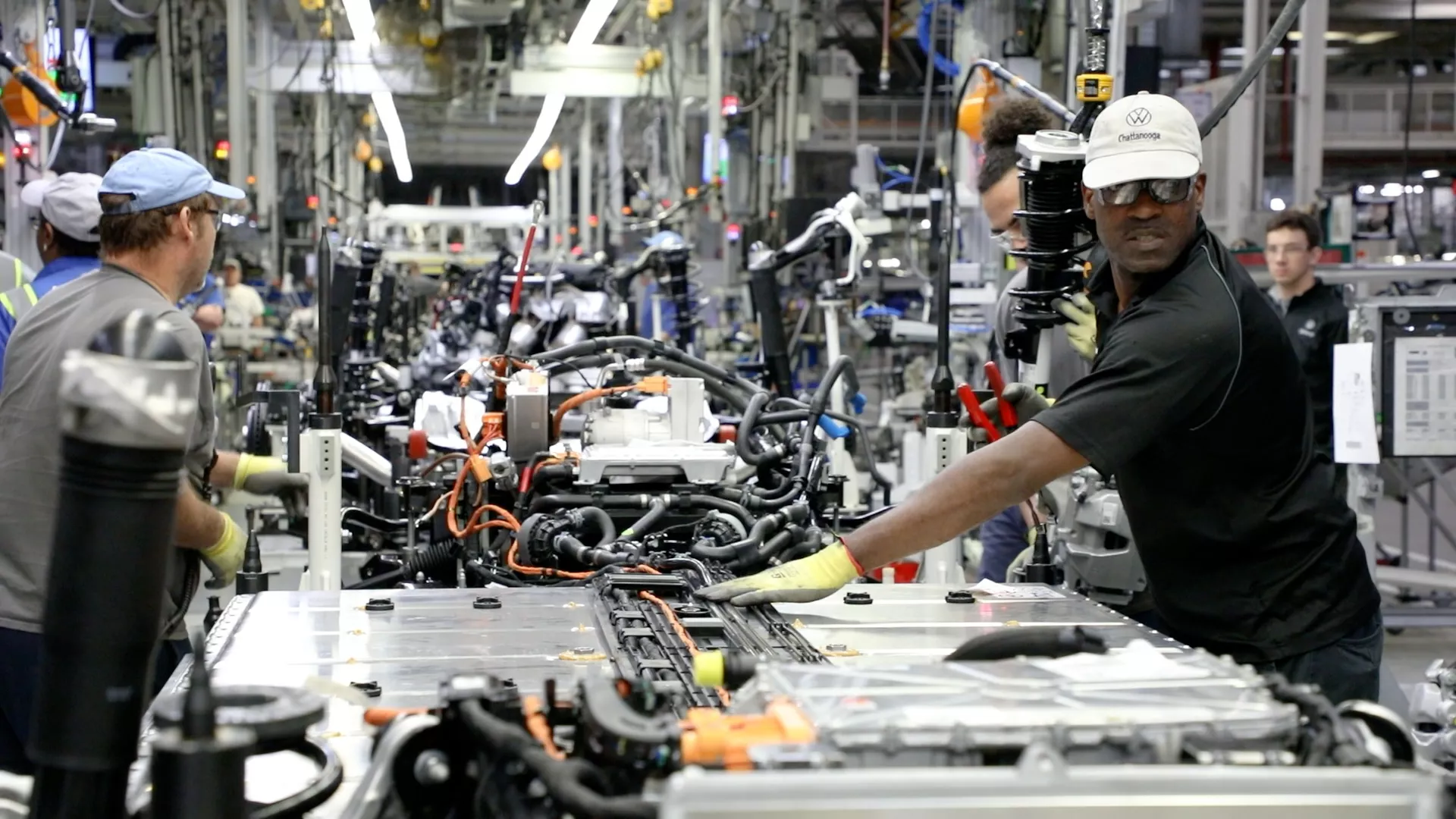
The worker at the center of this case is Luis Rivera, a 14-year-long employee at Volkswagen’s Chattanooga assembly plant and a reserve deputy with the Hamilton County Sheriff’s Office.
According to the complaint, first reported by News 9, Rivera had just completed sheriff’s office training and stopped at the plant to collect personal items. His department-issued gear, including a handgun, was inside the vehicle, unloaded and secured in a holster.
More: VW’s 20% Raise And Bonus Offer Could Make or Break US Union Deal
Rivera says he informed security about the firearm before a search was conducted. The lawsuit stresses that the weapon was stored in compliance with Tennessee law, which allows employees to keep firearms locked inside personal vehicles in parking areas as long as they are not visible. Volkswagen, however, argues the situation isn’t that simple.
The company says its policies prohibit weapons inside the plant’s secured perimeter, even if they remain inside a personal vehicle. In a statement, VW said it complies with Tennessee law by providing designated parking areas where employees can store firearms, but those areas must be outside the facility’s restricted boundary.
Clearly, that’s not where Rivera parked, but the suit says that VW allows exceptions for law enforcement officers. The automaker countered that by claiming it’s only when those officers are responding to an emergency, not when working as employees. At this point, it’s anyone’s guess as to how the court finds.
Rivera is seeking at least $500,000 in damages, reinstatement, and attorney’s fees, saying the firing caused lost wages, financial hardship, and forced his family to give up leased vehicles. A state labor ruling later found he was eligible for unemployment benefits after determining the company failed to prove misconduct. The lawsuit is now pending in federal court in Chattanooga.