









- Auburn may spend $24,000 to keep Flock license-plate cameras running.
- Police say the system helps solve crimes and find stolen vehicles.
- Critics argue the cameras arrived without public notice or oversight.
Auburn, Maine, is about to become the site of a battle between residents, police, and a private company called Flock Safety. That’s the general takeaway from local reports saying that authorities signed up for surveillance without asking taxpayers. Residents are meeting with the city council to debate spending some $24,000 more on the system.
That might not sound like much in the grand scheme of a city budget, but the cameras have become one of the most controversial pieces of technology Auburn has installed in years. It’s easy to understand why when both sides of the argument present their cases.
More: Why More Cities Are Suddenly Pulling The Plug On Flock Safety Cameras
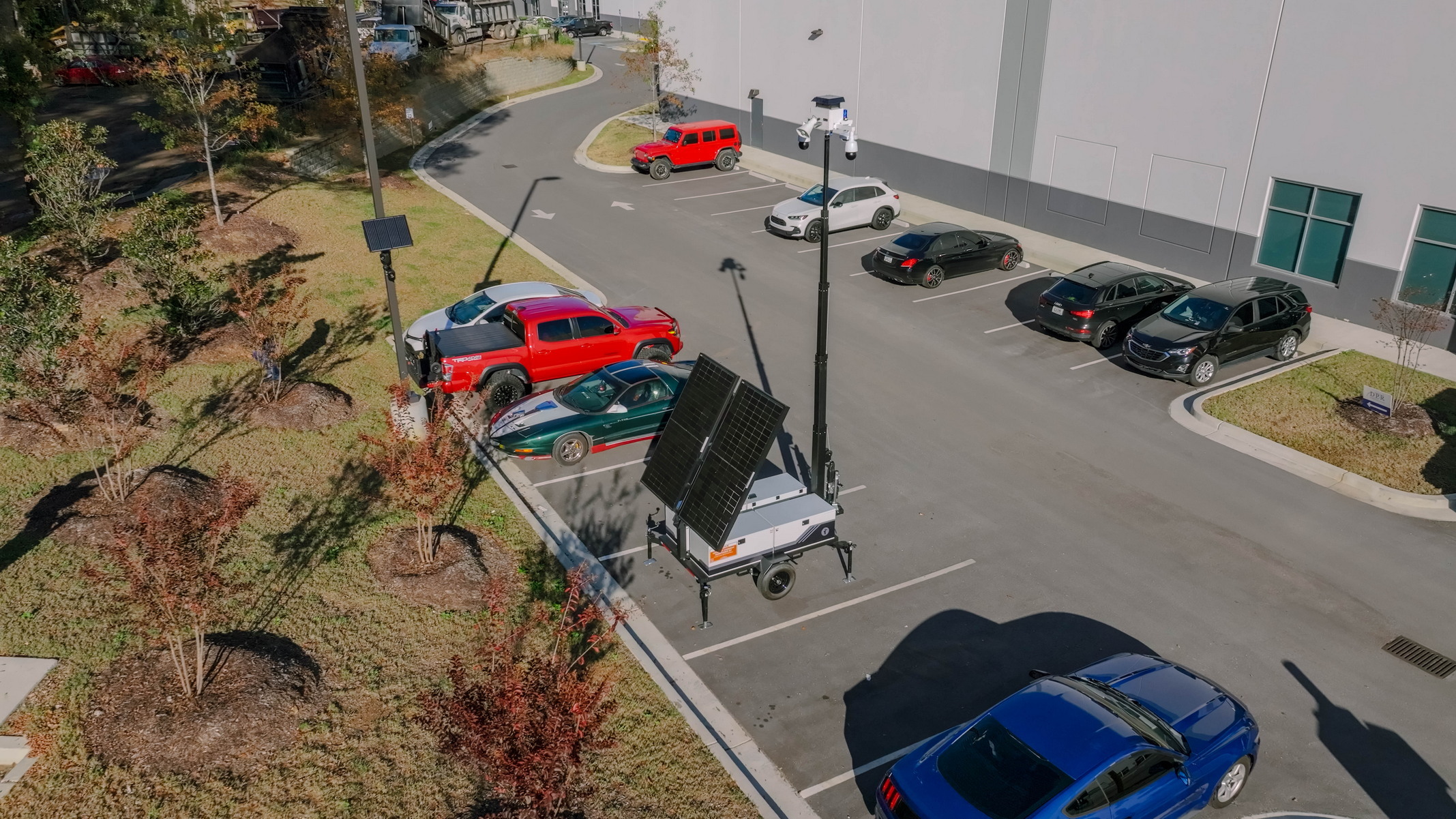
Police say the eight-camera network has a simple purpose. Seven fixed license-plate readers and one mobile “flex” camera were installed around August 2023 using a $25,000 Department of Homeland Security grant. According to the Sun Journal, the mayor promotes the cameras, saying that they can alert officers when they spot a stolen vehicle or one believed to be connected to a crime.
These are the same talking points that Flock Safety itself uses. The company goes as far as to point out how it has helped police find missing persons, reduce retail theft, and more. It’s the kind of thing that has made it so popular among law enforcement and federal agencies. What it doesn’t advertise is the vulnerabilities of the technology.
We’ve already published reports on how some of folks have misused the system. Others have shown very clear security issues with it. Still others have exposed how police departments haven’t followed lawful orders to secure the data these cameras collect.
The American Civil Liberties Union has warned that Flock’s data has been accessed by federal immigration officials and could eventually be shared with public data brokers. Privacy advocates also worry that police departments can use the system to search for vehicles far outside their own jurisdiction.
State Rep. Laurel Libby, who represents Auburn, says the larger issue is that the cameras appeared with almost no public discussion. “Auburn citizens were never informed that these cameras were being installed, let alone asked if we wanted them,” Libby said while urging residents to oppose continued funding.
Even if Auburn’s council keeps the $24,000 request in the budget Monday night, that does not guarantee the cameras survive. Instead, it sets up what could become a larger public fight over whether small towns should trade a little more security for less privacy.