- BYD’s average price cuts have jumped 10 percent in March.
- China continues to battle with huge overcapacity in the auto industry.
- Chinese authorities had urged carmakers to prevent a race to the bottom.
Many had expected the EV price war in China to have ended long ago, but car companies are showing no signs of relenting. Facing declining sales, BYD is instituting significant price cuts, as are key rivals Geely and Chery.
It’s been almost a year since Chinese authorities met with the bosses of more than a dozen car manufacturers, urging them to stop the price war to prevent a race to the bottom. China’s market regulator called for efforts to “comprehensively rectify ‘involutionary’ competition,” a term used by Chinese Premier Li Qiang to describe the increasingly self-defeating market dynamics.
Read: Dozens Of Chinese EV Brands Could Collapse In The Next Year
It appears little has changed. Data from Bloomberg reveals the average price reduction across BYD models increased to 10 percent in March. Geely and Chery are offering discounts of around 15 percent, although they have remained relatively steady throughout the past year.
China Doesn’t Have Enough Car Buyers
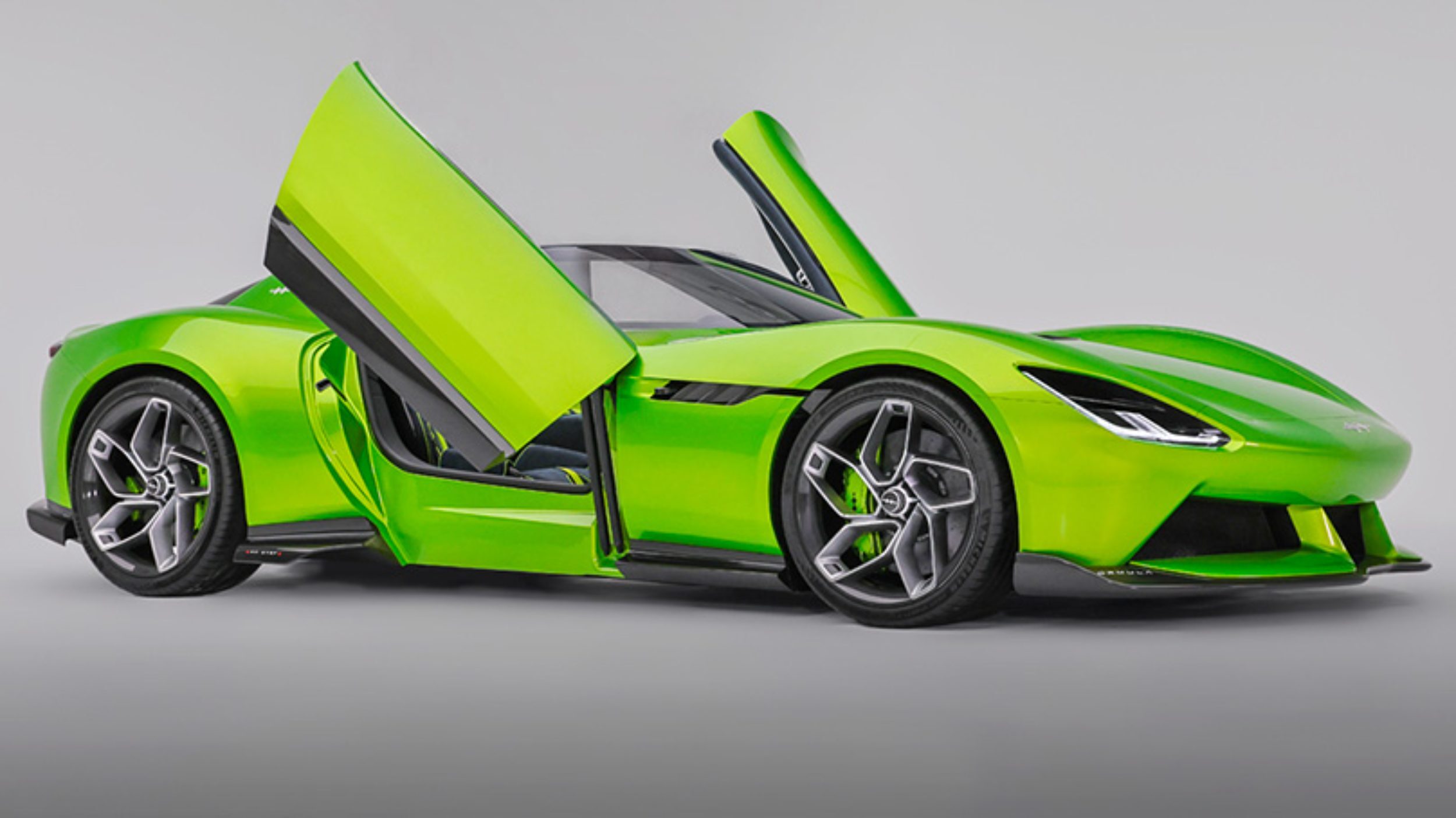
Overcapacity within China’s automotive sector is at the root of the problem. Last year, approximately 23 million new vehicles were sold in the country, but its car factories have the capacity to produce 55.5 million vehicles a year. This has prompted many local brands to ramp up vehicle exports. Last month, EV exports from China more than doubled.
Now facing greater scrutiny from regulators, companies, including BYD, are being forced to pay suppliers much more quickly than in the past. Prior to local authorities getting involved, automakers had been delaying invoice fulfillment for months at a time, allowing them to offer deep discounts to spark sales. Now, invoices must be paid more promptly, increasing liabilities on carmakers’ balance sheets. For BYD, this has pushed its debt-to-equity ratio to 25 percent.
“It seems to be good for the customers, but it’s not — manufacturers are losing money,” the secretary general of the International Organization of Motor Vehicle Manufacturers, François Roudier, said. “It hurts the full system.”