- Jony Ive leads Luce EV interior design with focus on tactile controls.
- Ferrari blends digital screens with physical switches for better usability.
- Touchscreens criticized as impractical for driving by Ive in interview.
The Luce, Ferrari’s first EV, is set to arrive with a refreshingly retro-modern interior that leans as much on philosophy as it does on design. At the center of that vision is Jony Ive, best known for shaping the iPhone and Apple Watch. Interestingly, despite pioneering the everyday use of touchscreen displays, he is now advocating for their restraint in cars.
Tesla played an important role in popularizing large, tablet-like touchscreens in cars, using them to house almost all key vehicle functions. Now, most vehicles on the market have precious few buttons and rely heavily on screens. While this helps brands achieve a modern design aesthetic, we also know car companies love screens because they’re much cheaper to use than physical buttons and controls.
Read: NASA Helped Ferrari Fix The Luce EV’s “Disturbing” Acceleration
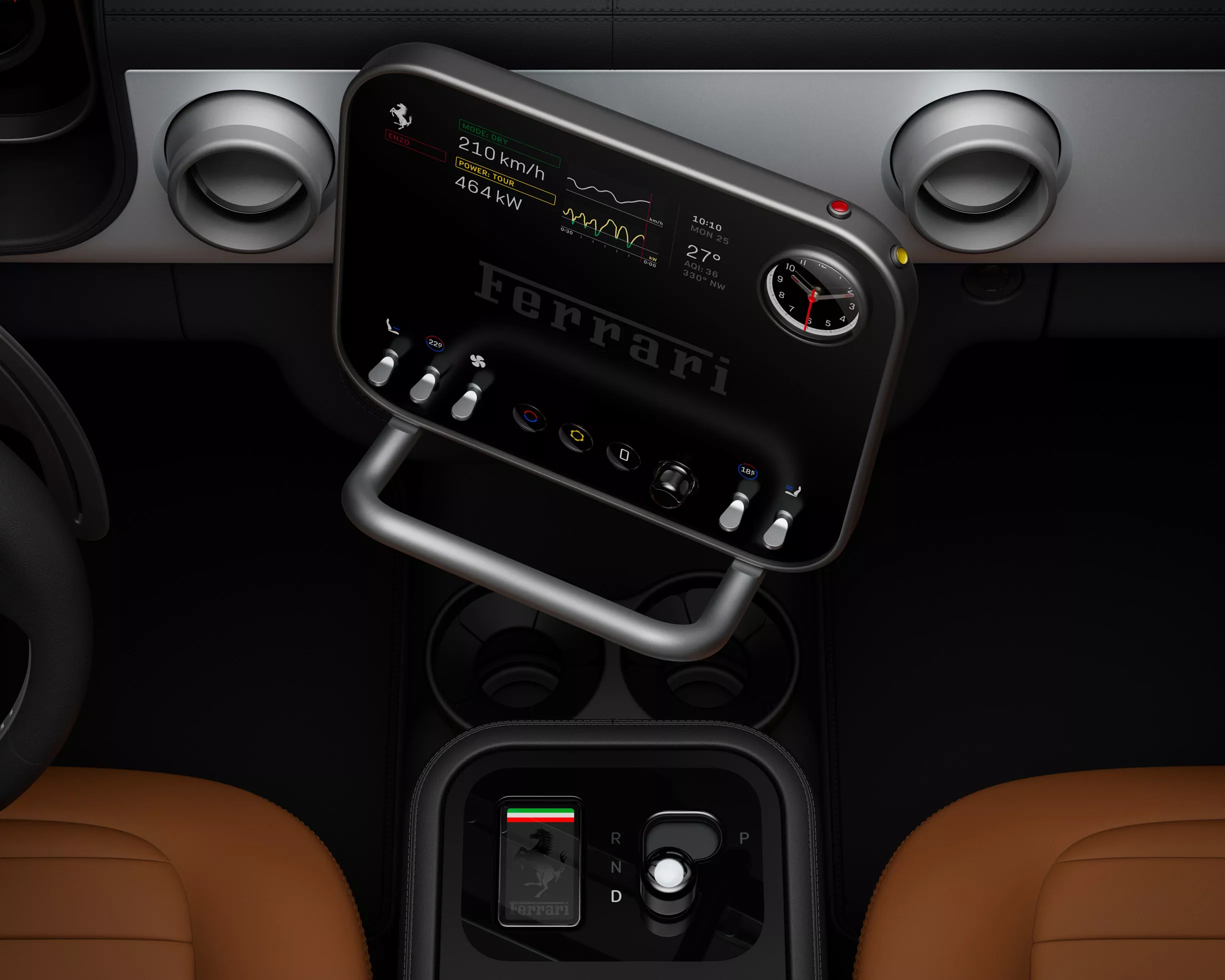
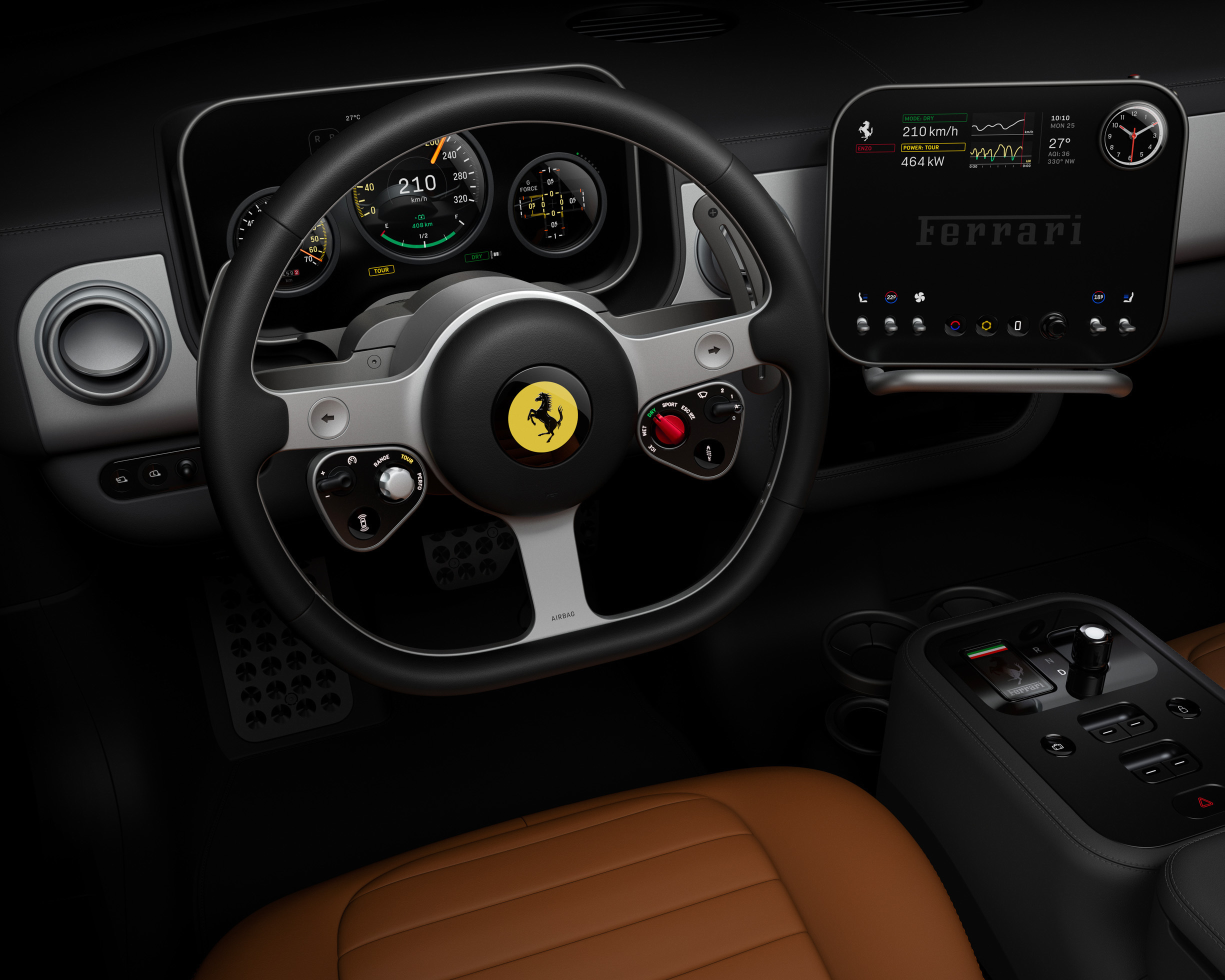
In the Ferrari Luce, Ive is looking to blend the two in a way that hasn’t been seen before. He explained that the goal was to create an interface that blends physical interaction with digital displays, combining the strengths of both rather than relying entirely on one. While there are screens, high-quality physical switches and toggles are used to control them, each with its own click and feel.
Ive Rejects Large Touchscreens
“Practically and functionally, a large touchscreen doesn’t work in a car,” Ive told Top Gear during a recent interview. “That’s incontrovertible. I find it easy and lazy. This is a space where there can be an infatuation with style and fashion.”
According to Ive, he and fellow LoveFrom co-founder Marc Newson approached the project by focusing on how each element is made and used, drawing from their experience designing finely crafted objects.
They “treated every single element as if it was a camera or a watch,” noting the team obsessed over even the smallest details, effectively “designing hundreds of products” that come together to feel “singular and coherent.”



SHProshots
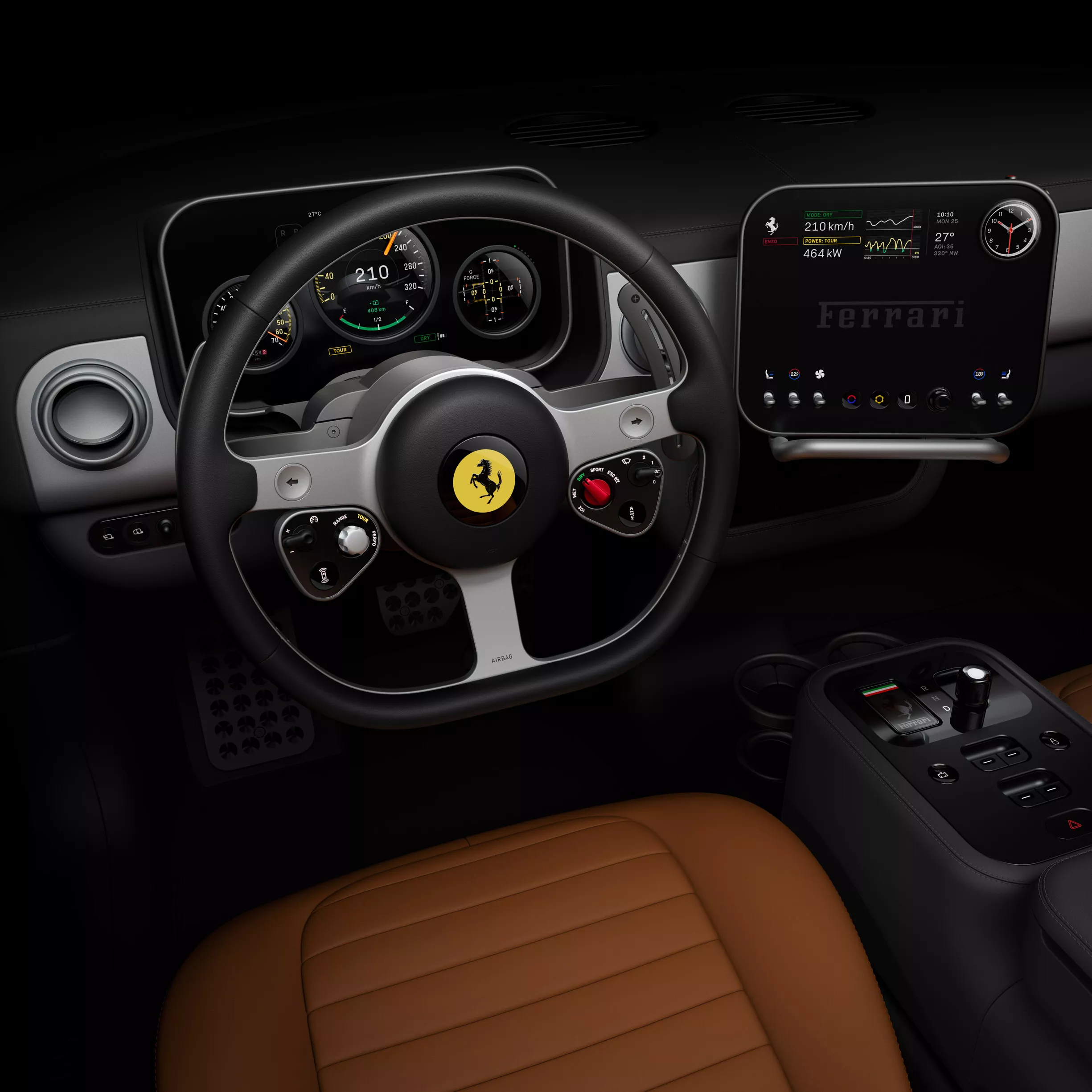
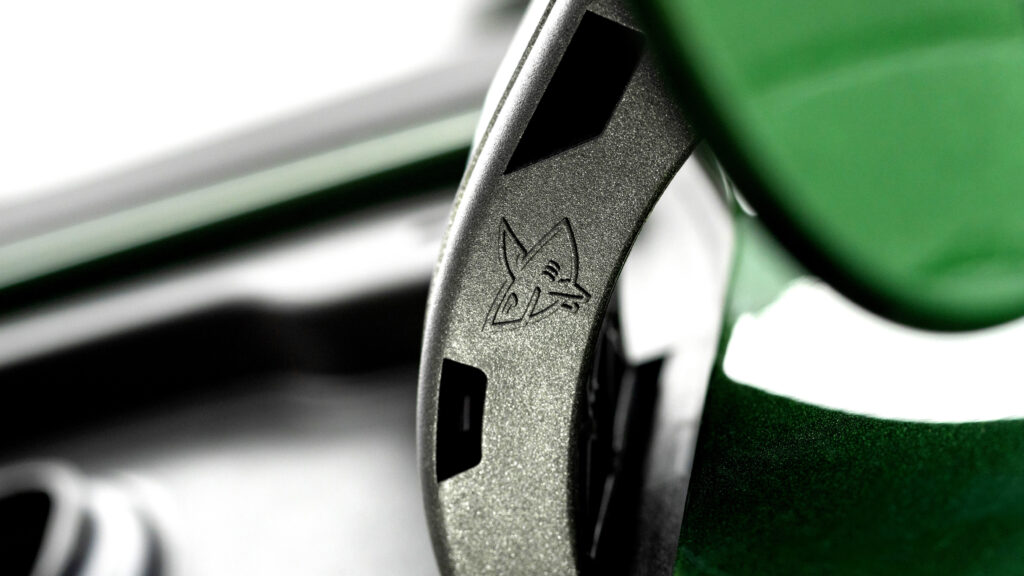
The steering wheel of the Luce has a classic, three-spoke metal design out of 19 CNC-machined parts and includes dials for the Manettino, driving modes, wipers, and turn signals. Positioned behind the wheel is an intricate digital gauge cluster with circular OLED panels from Samsung, with high-end glass positioned in front of them.
Each switch and toggle looks like a little piece of jewelry, adding some theatre to a vehicle that may lack some of the soul of other Ferraris because of its electric powertrain.
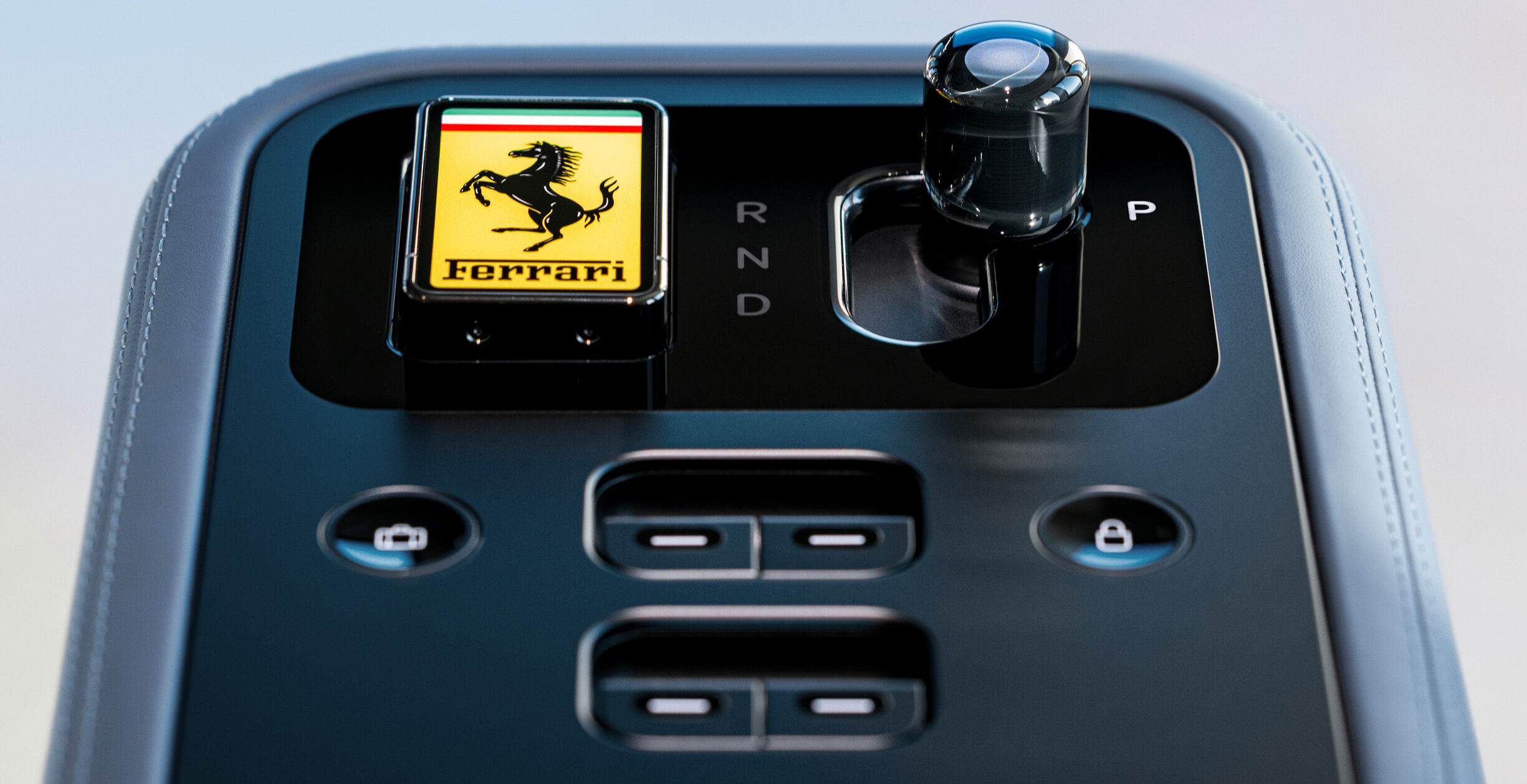
“To make something simple and intuitive is really difficult,” Ive added. “Everything is founded on being functional. It’s not styled, it’s not garnish, because that’s a distraction and it doesn’t last well. The binnacle and steering wheel are intimately connected, and this is about driving. Everything else augments that experience. The binnacle is about output and the steering wheel is about input. All the controls are physical and mechanical.”