Mercedes' AWD Driveshaft Can Fail Without Warning In 24,000 Cars
A faulty driveshaft universal joint could cause certain Mercedes models to lose propulsion
- Faulty driveshafts could fail and leave cars without propulsion.
- Recall affects 2018-2020 E-Class and S-Class 4MATIC models.
- Mercedes says some vehicles may give no warning before failure.
Sometimes recalls happen because of seemingly insignificant issues like a taillight that won't alert the driver when it's out or a sticker that wasn't stuck where it should be at the factory. In the case of a new recall from Mercedes, the issue is decidedly more serious, as almost 25,000 cars have a driveshaft that might disconnect mid-drive.
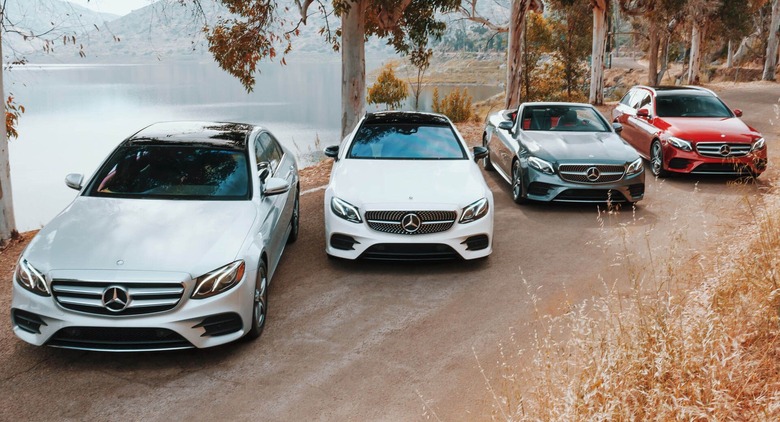
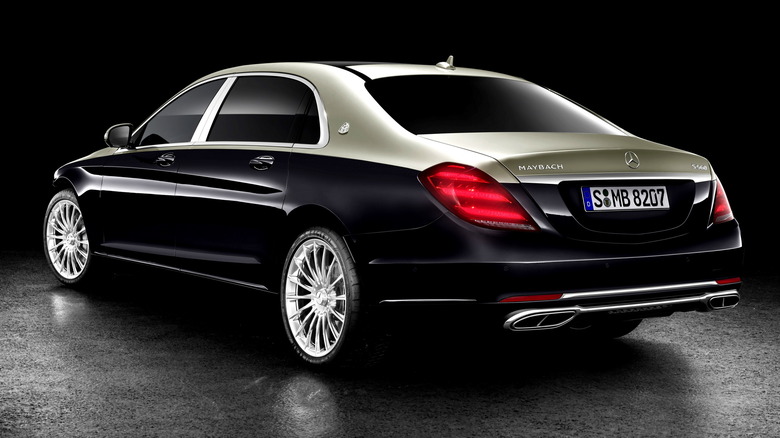
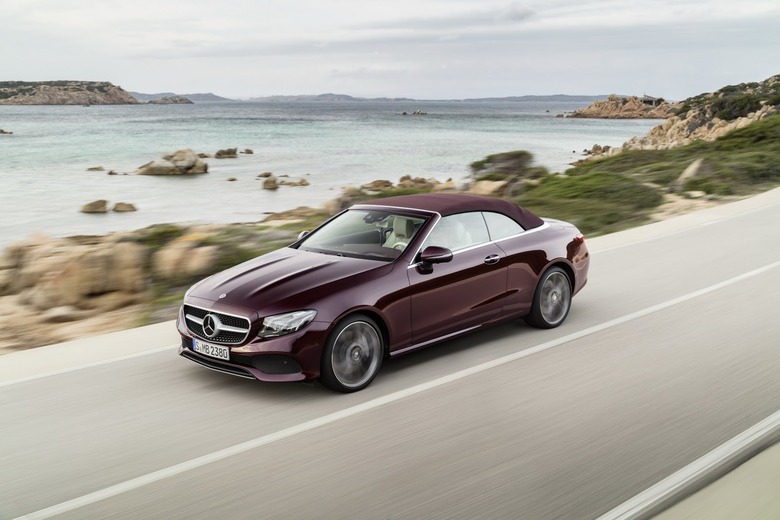
More specifically, the campaign covers 24,092 vehicles from the 2018 through 2020 model years, including a wide range of E-Class and S-Class models equipped with 4MATIC all-wheel drive. Among them are the E 400, E 450, S 450, S 560, and even the super-lux Mercedes-Maybach S 560, along with the corresponding coupe, cabriolet, and wagon variants.
Read: Mercedes Recalling S580 And Maybach S580 Because Their V8s Could Stall
According to Mercedes, the problem stems from the front driveshaft's universal joint. Due to incorrect parameters in the supplier's manufacturing process, the joint can wear prematurely over time. If enough lubricant escapes, the joint can eventually fracture. That's where things go from inconvenient to genuinely alarming. Mercedes says a failed joint can break the connection between the transfer case and the front-axle transmission. When that happens, the car can suddenly lose propulsion with no warning.
The automaker says owners would normally hear unusual noises or feel vibrations before the driveshaft failed. If you've ever been in a car with even an unbalanced driveshaft, you know it makes some wild noises. However, after investigating a complaint from outside the U.S. in late 2025, Mercedes discovered that early warning doesn't always happen in these cases.
Engineers spent months trying to understand why one customer reportedly lost propulsion without any warning. Additional testing eventually showed that a damaged driveshaft can fail silently, prompting Mercedes to launch the recall on March 27. Mercedes says it has already received 30 warranty claims in the U.S. tied to the issue between January 2022 and April 2025, although it has not disclosed any crashes or injuries.
The recall affects vehicles built between October 1, 2017, and December 18, 2019. Mercedes says a revised supplier production process implemented on December 20, 2019, fixed the issue. Owners can already search their VIN online to see if their vehicle is included. Dealers were notified on April 10, and owners should begin receiving recall notices no later than June 2. Mercedes dealers will inspect the driveshaft and replace it if necessary, free of charge.