










- Congress is advancing a federal framework for autonomous trucking operations.
- The bill sets aside $27.5 million to help truckers adapt to automation.
- Industry groups see progress, though driverless rigs remain years away.
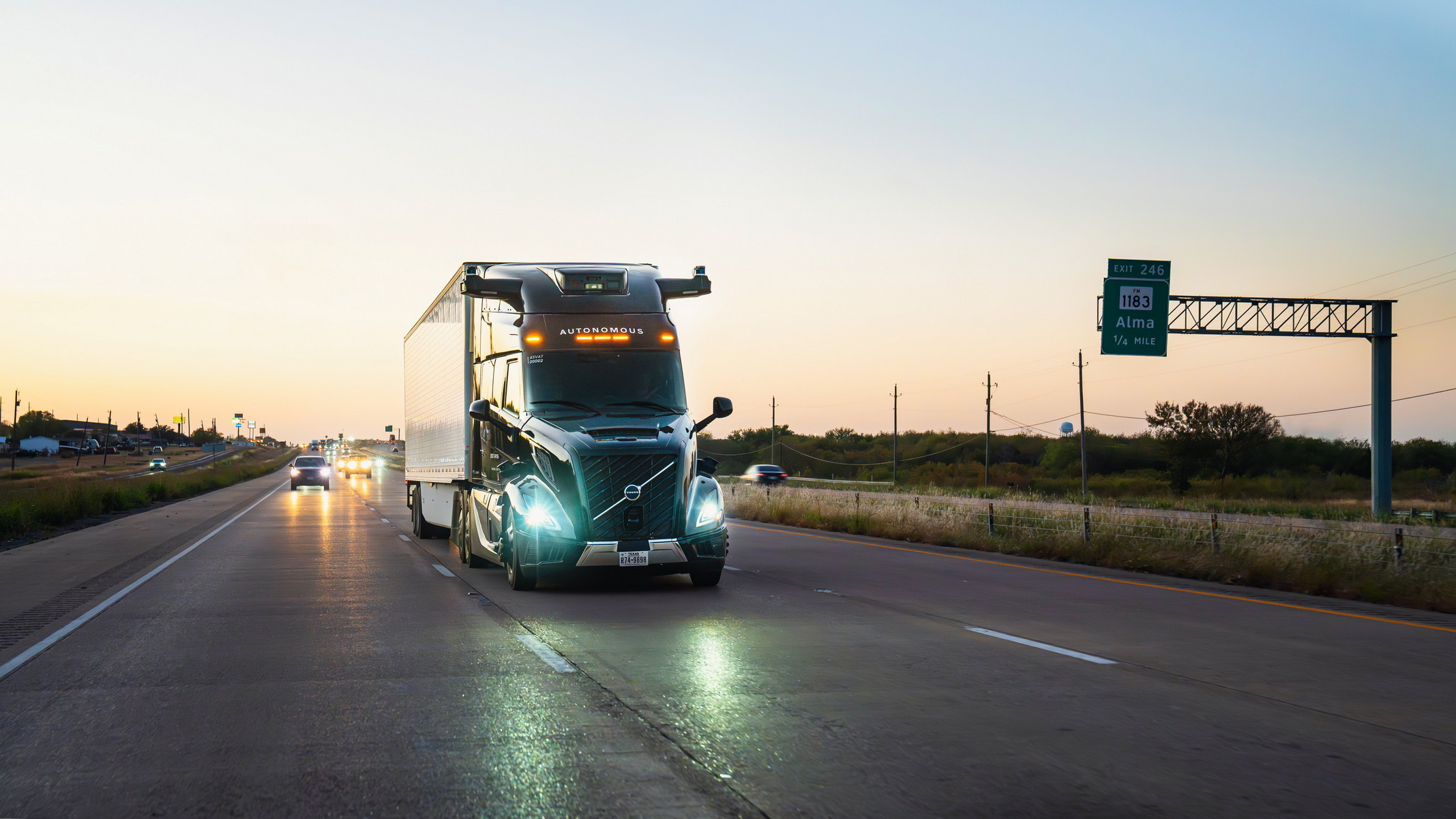
Let’s be real. None of us enjoys getting stuck behind a pair of 18-wheelers slowly drag racing each other uphill while traffic piles up for miles behind them. For years, autonomous trucking companies have promised an AI-driven future where freight moves more efficiently, highways become safer, and human error becomes less of a factor in crashes involving some of the largest vehicles on the road. That promise is now close enough to make the trucking industry nervous.
That future may still be years away, but Washington just took a significant step toward it. A major transportation bill advancing through Congress would create the first federal framework for autonomous commercial trucks, establishing safety rules, workforce training programs, and requirements for the people remotely overseeing these vehicles. While it won’t immediately unleash fleets of driverless semis across America, it could help lay the groundwork for their eventual nationwide expansion.
Read: AI Won’t Just Replace Truckers, It Might Get Them Fired First
As a part of a broader five-year transportation bill, the legislation would require the DOT to create national safety standards for self-driving commercial trucks operating across state lines. Before manufacturers could send trucks out, they’d need to certify that the trucks in question comply with those federal safety standards. It would also keep remote workers inside of the USA. That doesn’t just include remote drivers. Dispatchers and remote assistants would also have to be in the US or one of its territories.
The Future Of Trucking
As AI gets closer to taking the wheel from human drivers, the wave of concern over truckers losing their livelihoods is no longer hypothetical. To that end, the bill includes authorization for $27.5 million to fund workforce development programs in fiscal year 2027. The money could be used to help commercial drivers learn how to operate, maintain, and work alongside automated driving systems. Apprenticeships and technician training programs would also qualify.
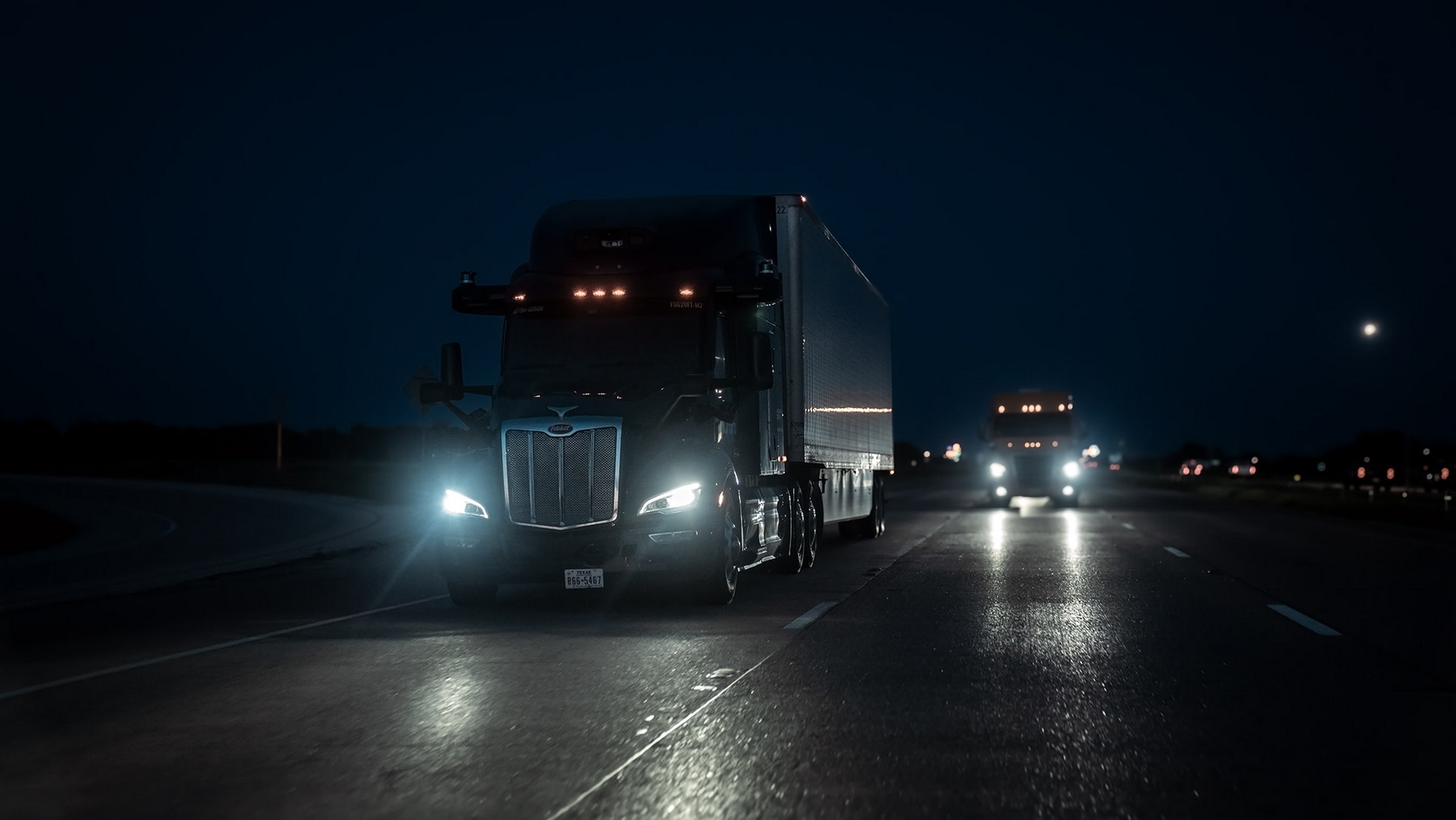
It’s worth noting here that nothing in the bill appears as though it’ll rapidly speed up the development or deployment of self-driving trucks. It simply outlines the standards they’ll need to meet to go into use. Some companies are already testing them on public roads, but it’ll be several years before we see self-driving trucks doing the job nationwide without at least a safety monitor inside.