

- The same Dark Horse produced 420 to 465 wheel horsepower across four dynos.
- Ford’s official 500 HP crank rating assumes drivetrain losses the dynos disagreed on.
- Weather correction factors alone can shift a single pull by nearly 100 horsepower.
Measurable performance is important. It’s how we know what parts enhance an engine and which ones diminish it. Horsepower and torque figures are the backbone of performance car sales, and they’re important for marketing even lesser cars like crossovers and SUVs. That’s why a new report might make you question how much stock you put in those figures.
Automakers and tuners alike use dynomometers to figure out how much power and torque a car or engine or motor can produce. What most don’t know is that different dynos can read drastically differently, and in fact, the same exact car can produce wildly different readings on the same dyno.
More: Ferrari SUV Dyno Pull Proves The Old School V12 Has New Secrets
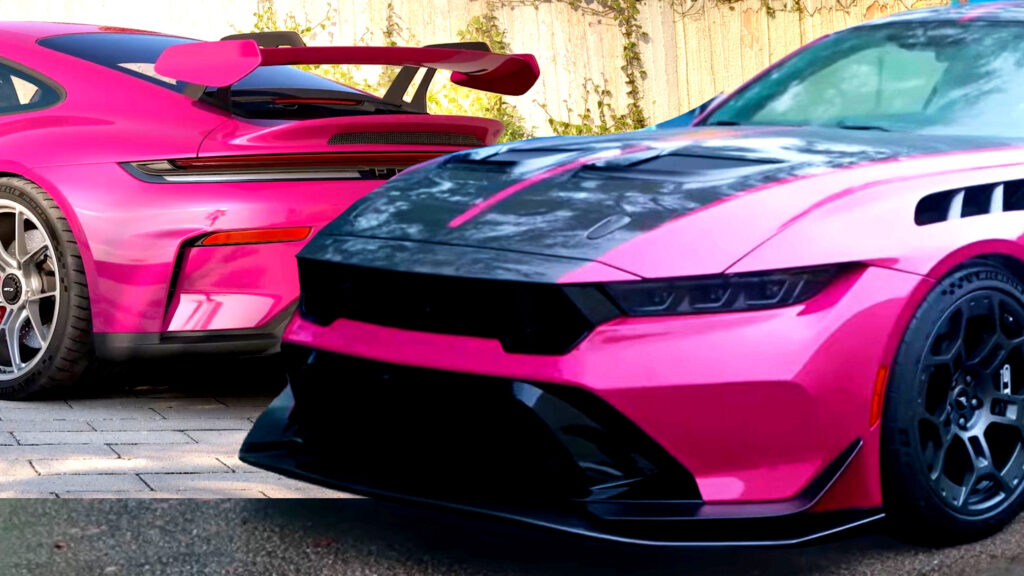
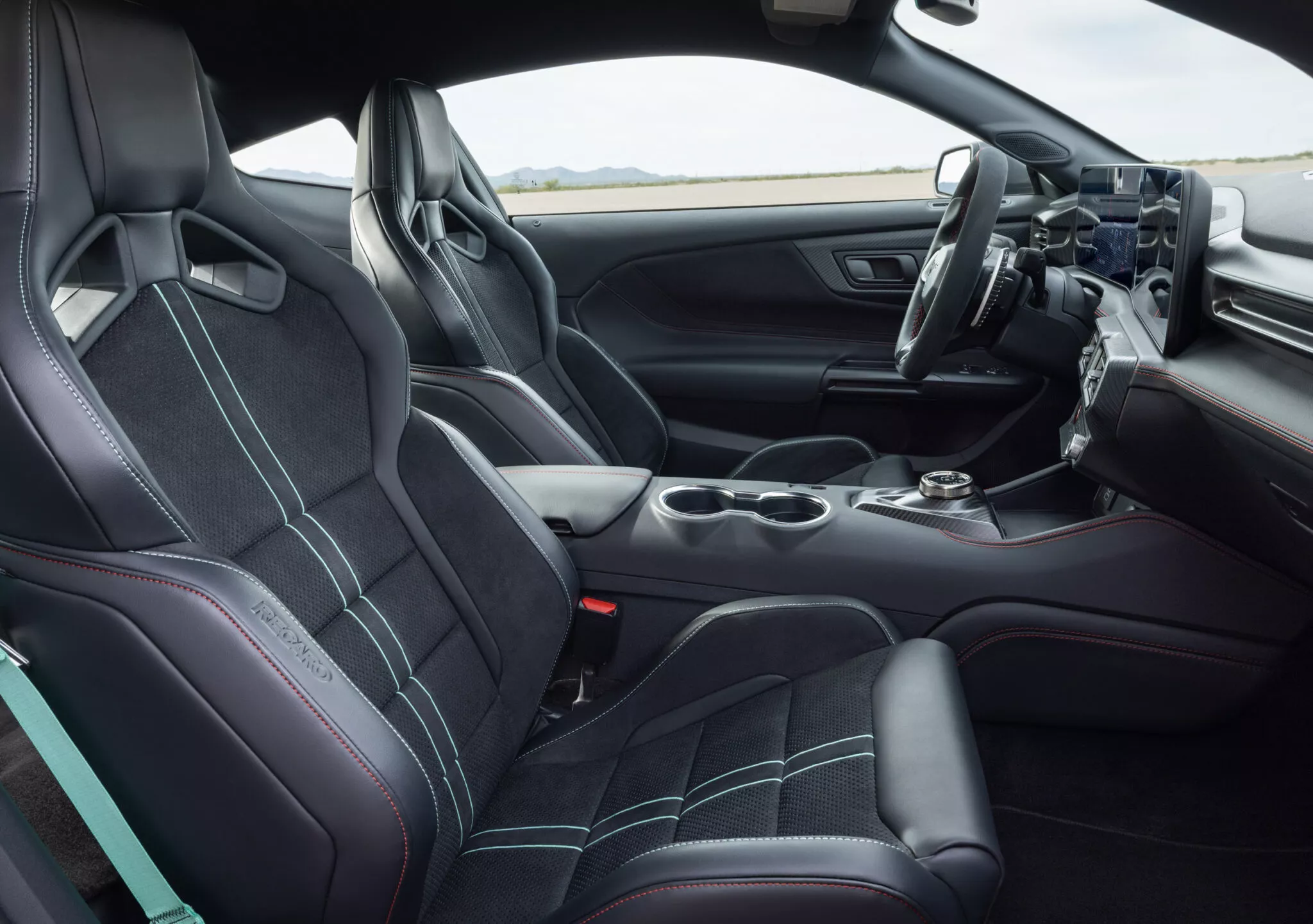
To prove the point, Matt Farah and Road & Track put the same Ford Mustang Dark Horse on four different chassis dynos in Southern California. The car was identical each time: same 5.0-liter V8, same 91-octane fuel, same weather conditions, and the same SAE correction factor. Yet the results were nowhere near identical.
The Mustang Dark Horse, which Ford rates at 500 hp (373 kW) and 418 lb-ft (567 Nm) at the crank, was expected to produce around 440 wheel horsepower based on typical drivetrain losses. Instead, the four dynos delivered results ranging from just 420.8 hp to a much healthier 465 hp.
The Dynos And Results

The oldest and lowest-reading machine was a roughly 30-year-old SuperFlow dyno at Westech Performance Group in California. It showed the Dark Horse making 420.8 wheel horsepower and 367.2 lb-ft (498 Nm) of torque. That’s the kind of dyno enthusiasts often call a “heartbreaker” because it tends to spit out lower numbers.
Also: His Overpriced Mustang Dark Horse Went Up In Flames Then Ford Mailed Him A Souvenir
At the other end of the spectrum was a newer Mustang AWD dyno at World Motorsports. It recorded 465 hp and 388 lb-ft (526 Nm), nearly 44 hp more than the SuperFlow. The shop admitted its dyno tends to read higher than others, but also noted that many modern AWD performance cars require this type of setup. Between those extremes sat a Dynapack hub dyno at Bisimoto Engineering with 430.9 hp and a Dynojet at HK MotorSports with 425.7 hp.
Here’s the catch. The dyno itself is only part of the story. Weather correction factors can skew results even further. One technician reportedly showed Road & Track four different correction settings for the exact same pull, and the spread was nearly 100 hp.
That’s why the smartest tuners don’t obsess over a headline number. Instead, they care about baseline runs and the gains after modifications. A car that picks up 30 hp on the same dyno, in the same conditions, tells you far more than a random “dyno verified” sheet from somewhere across the country.
The Reality For Everyone
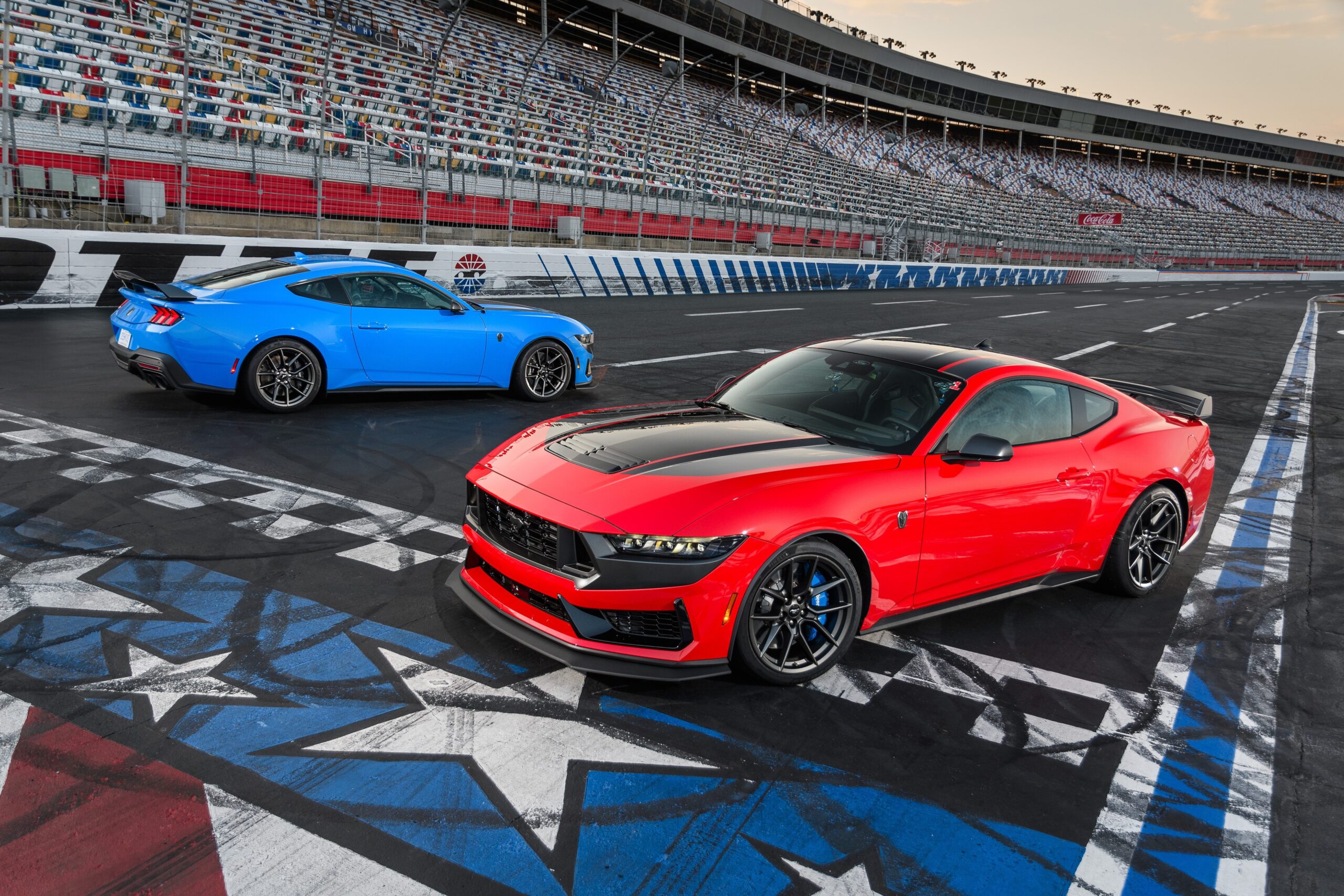
Put simply, horsepower figures for new cars are useful, but they’re hardly absolute. The exact same Dark Horse swung by more than 44 hp depending on which dyno it visited, and even the same machine can spit out different numbers between a cool morning pull and a hot afternoon run.
That also makes those annual press releases touting a 10- or 20-hp increase seem a little less earth-shattering. A bump that small can easily disappear into the normal variation between dynos, weather conditions, and correction factors.
Ironically, a modified car with a recent dyno sheet may actually give you a better sense of what it made than a factory rating does. Sure, that number is still subject to all the quirks and unpredictability of dyno testing, but at least you know that particular car produced that result, on that dyno, on that day. And in the world of horsepower bragging rights, that might be the closest thing to certainty you’ll get.