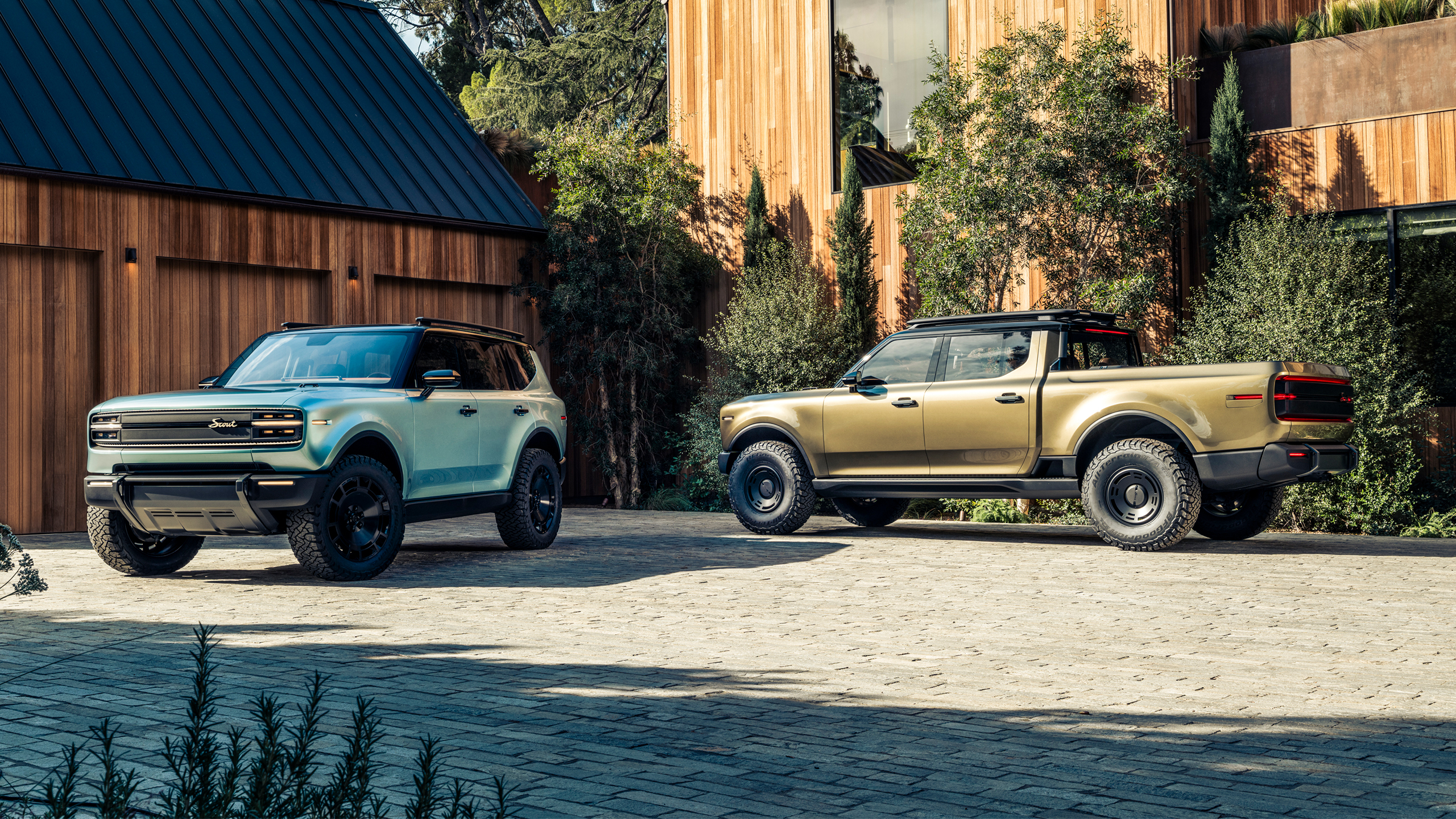


- Scout Traveler reportedly delayed from March to September 2028.
- Terra pickup now forecast to begin production in March 2030.
- AFS says Scout is prioritizing its range-extender models first.
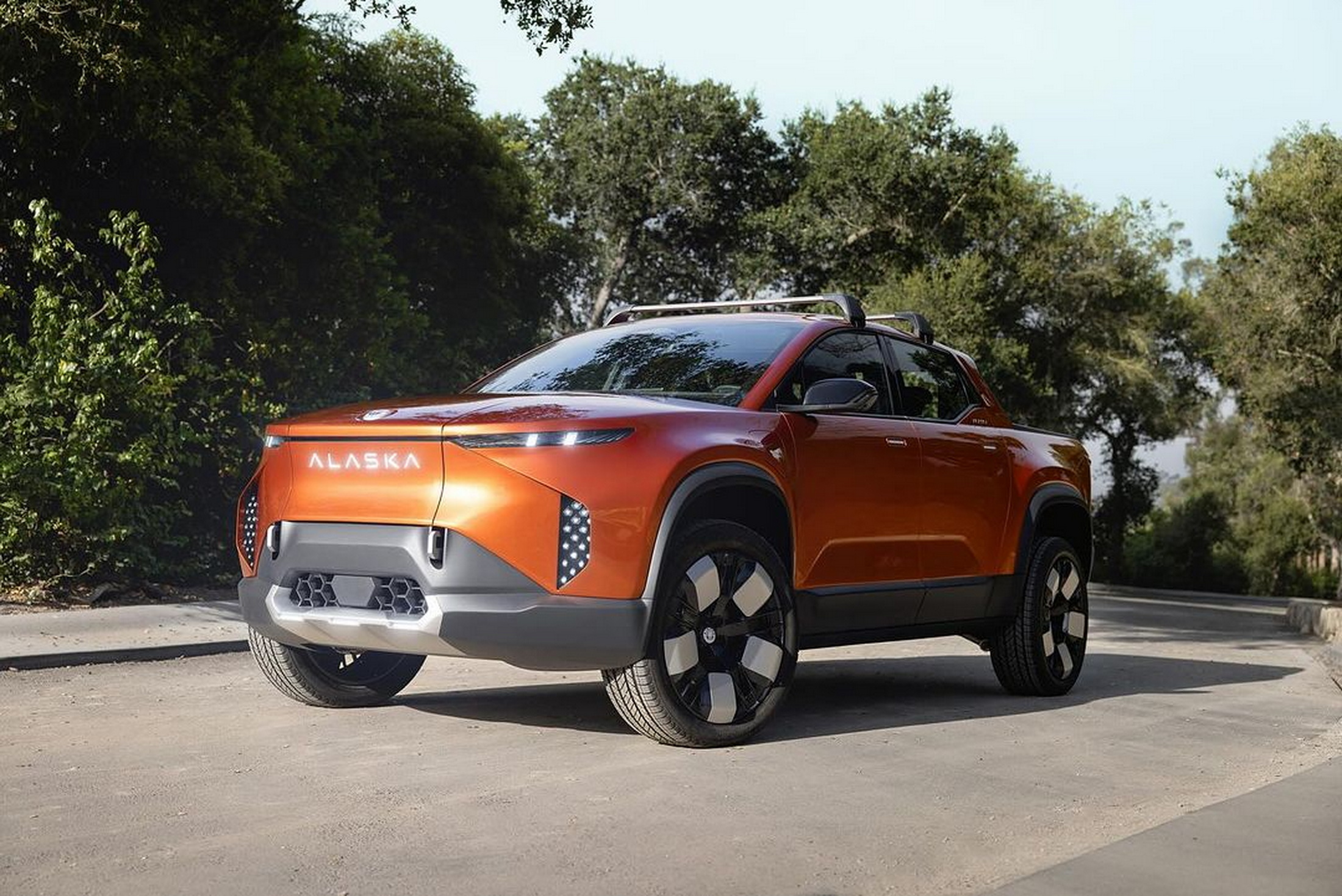
In 2024, Scout unveiled what it was planning to sell to the public. The Terra pickup and Traveler SUV were immediate hits. Production was originally slated to begin in 2027, and officially, that timeline still stands. A new report, however, suggests a longer wait, with the pickup potentially not arriving until the end of the decade.
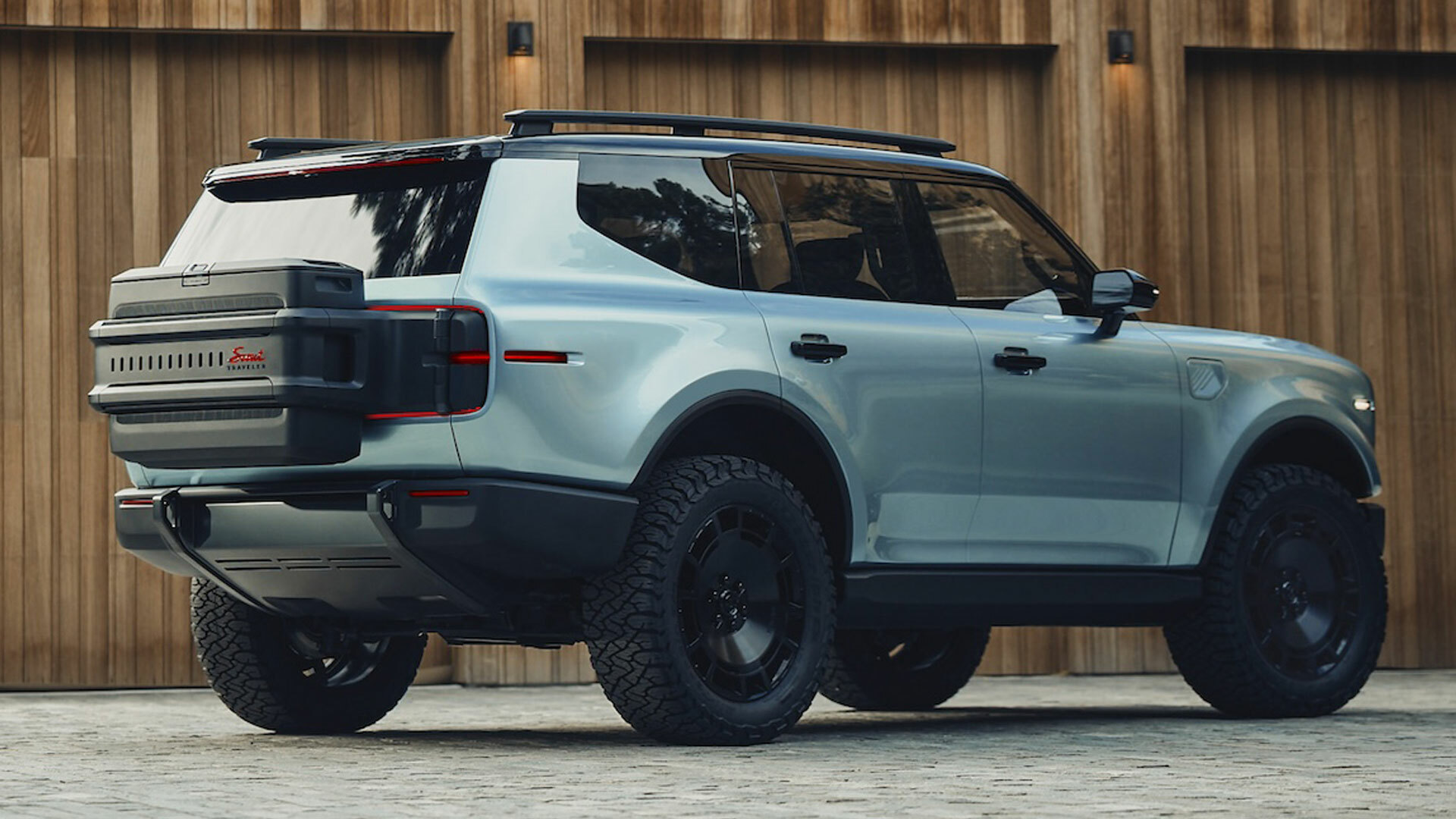
According to AutoForecast Solutions (AFS), production of the Scout Traveler SUV has slipped from March 2028 to September 2028, while the Terra pickup has been pushed all the way back to March 2030. That’s nearly two years after Scout originally said the truck and SUV would arrive.
Read: Scout Motors Says Over 80% Of Buyers Picked A Surprising Powertrain
If those dates sound oddly specific, there’s a reason. AFS isn’t some random rumor account or forum leak. The company is one of the automotive industry’s best-known forecasting firms, providing automakers, suppliers, and investors with detailed production timing, factory schedules, model cycles, and volume estimates.
Its reports are used throughout the industry and are often based on supplier plans, internal manufacturing data, and contacts across automakers. In its latest weekly report, AFS lists the Scout Traveler’s start of production at Volkswagen’s new Blythewood, South Carolina plant as September 1, 2028. The Terra pickup is shown starting production on March 1, 2030.

Those revised dates line up with comments Scout CEO Scott Keogh made in March. He said the company would launch with the Traveler first and acknowledged that most buyers want the Harvester extended-range electric version rather than the fully electric model. That appears to be what’s slowing things down.
According to Sam Fiorani, vice president of global vehicle forecasting at AFS, Scout is expected to build the extended-range versions first and launch the full EVs later. Fiorani says the shift required substantial reengineering, which likely explains the latest delays. Below is what he told Carscoops exclusively.
Why Scout Is Different From Most EV Startups
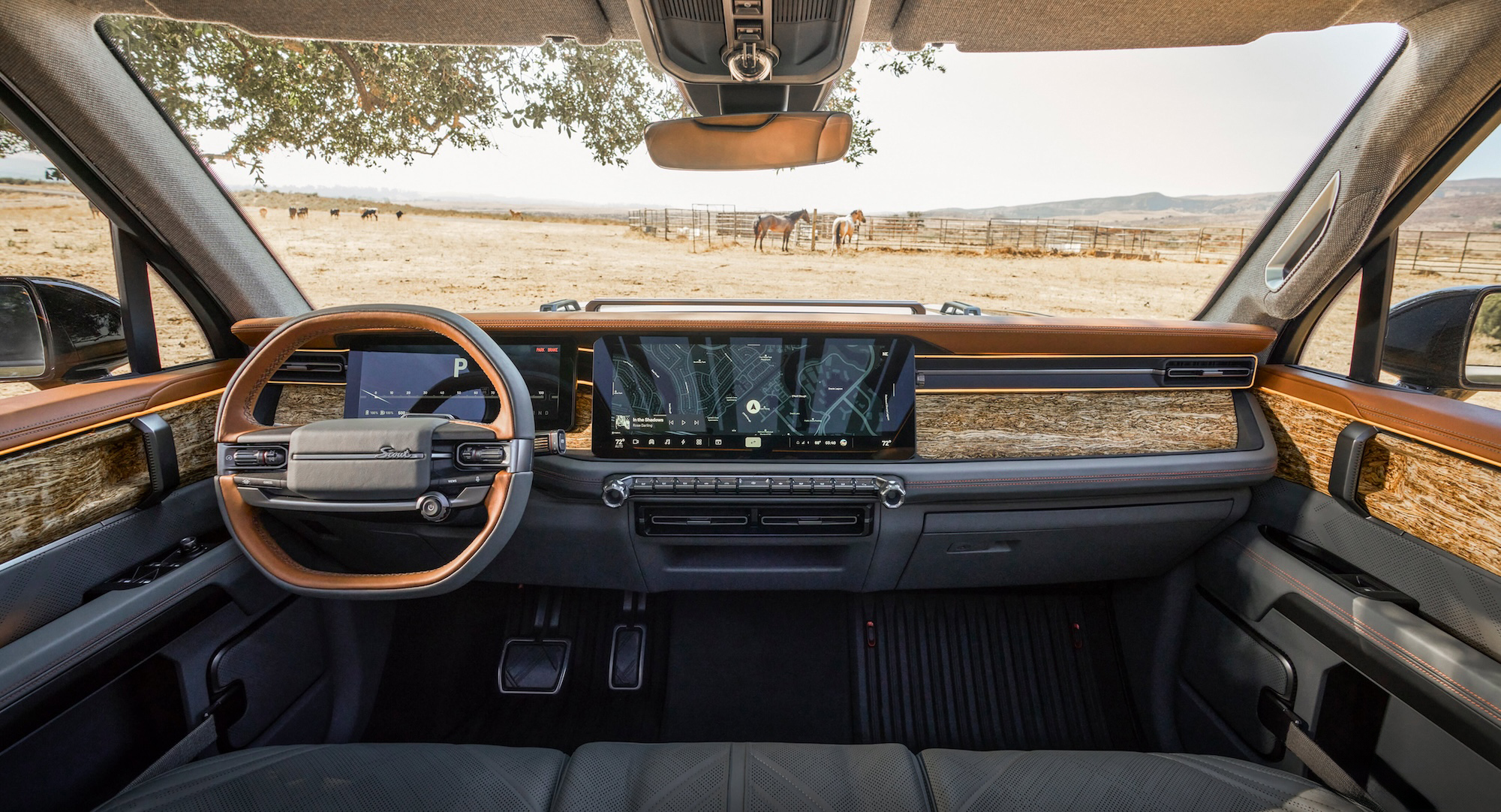
Fiorani says most EV startups fail for the same predictable reasons, but Scout has something they didn’t.
“Changes and delays in vehicle production from EV startups in the past were largely due to unanticipated development delays and inadequate estimates on how long each stage will take,” Fiorani told us. “Every new automaker believes they’ve outsmarted the industry that has been perfecting engineering for as many as 120 years and they usually found that they missed a step or simply didn’t plan for enough time. Scout doesn’t have the same issues as they have the experience of Volkswagen to anticipate the typical pitfalls.”
The Market Changed At The Worst Possible Moment
Where Scout does face a real problem, Fiorani says, is timing.
“Unfortunately for Scout, the automaker chose to launch just as the EV market changed. Over the last year, incentives for the production and sale of electric vehicles changed and Scout is attempting to pivot toward the new market.”
“Slow sales of electric trucks show that the EV market is not as robust as GM, Ford, Tesla, and Stellantis thought it was, and Scout has the time to adapt. Engineering an engine into an electric vehicle is not simple and making sure the company can produce extended-range versions first and at higher volumes is the priority now with a fully electric variant placed on the back-burner.”
Who Adapted And Who Didn’t
Fiorani notes that EV development is still far from a solved problem, and how a company responds to that reality is what separates the survivors.
“Traditionally, vehicle development has been a five-year cycle to create the next-generation of the same vehicle, including improvements to safety, emissions, performance, and profits. Developing an electric vehicle is still on the steeper part of the learning curve and everyone is making mistakes on the way to a profitable business.”
“The better prepared companies can shift quickly and create a more relevant product. Stellantis initially introduced the STLA platforms as all-electric, but was able to engineer in alternative drivetrains that would be bigger sellers. Fisker, on the other hand, was under capitalized even with its novel asset-light approach. Rivian and Tesla developed excellent vehicles and found inexpensive brownfield plants to produce them.”
“Scout needs to finance the development of an all-new platform, the construction of a greenfield plant, and develop its own distribution network. They have a massive project ahead of them and the shift toward extended-range EV products positioned the company much better than being a fully electric vehicle producer in the latter half of the 2020s. The landscape has changed,” he added.
Scout Responds
For its part, Scout says nothing has changed on its end and that production remains on schedule, though it does not clarify whether those dates apply to both body styles or just one.
“Scout Motors has not spoken with AutoForecast Solutions and we do not have anything additional to share regarding timing beyond what we’ve already announced,” a spokesperson told us.
“As we’ve previously shared, initial production is targeted to begin in 2027. We will start producing initial validation vehicles this year. That effort will continue and mature into 2027. We expect customers will begin taking delivery of new Scout vehicles in 2028.”
Technically, it’s possible for both of these ends to be correct. Scout could push production from March to later in 2028 and still be on track for customers to get their vehicles that year. Terra production could begin in 2030, too. Here’s to hoping that Scout figures out how to beat even its own estimates.