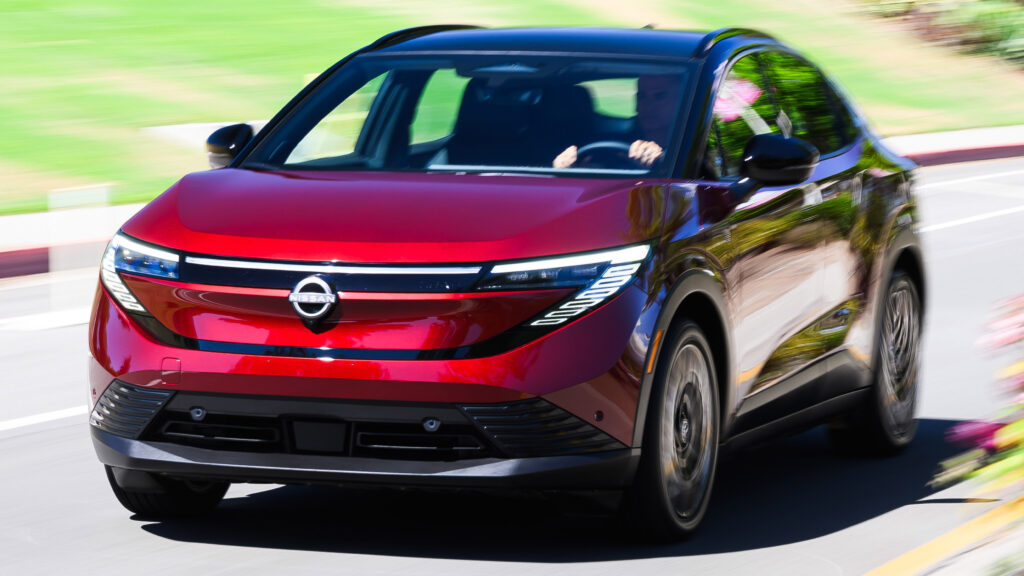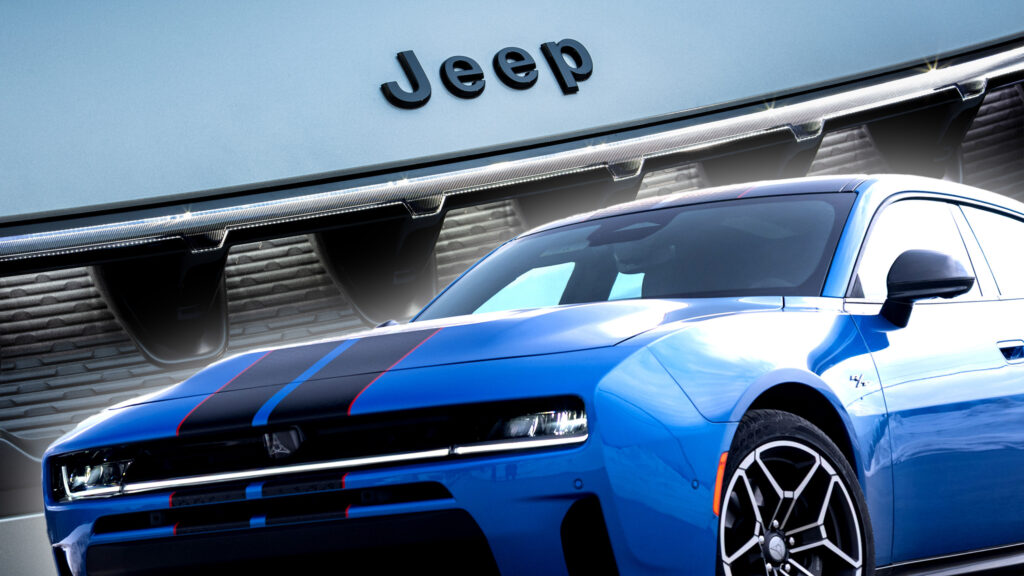










- Stellantis exploring plan to build Chinese EVs at idle Brampton facility.
- Move could spark tensions with US over trade and security concerns.
- Stellantis has a 20 percent stake in Leapmotor, whose sales are booming.
Well, that was fast. Just weeks after Mark Carney and Xi Jinping opened the door to imported Chinese cars landing on Canadian roads, we hear Stellantis is almost ready to go a step further. It’s considering building Chinese EVs at one of its unused plants. If it moves forward, this would mark the first major Chinese auto investment in Canada since that agreement to ease EV tariffs was reached earlier this year.
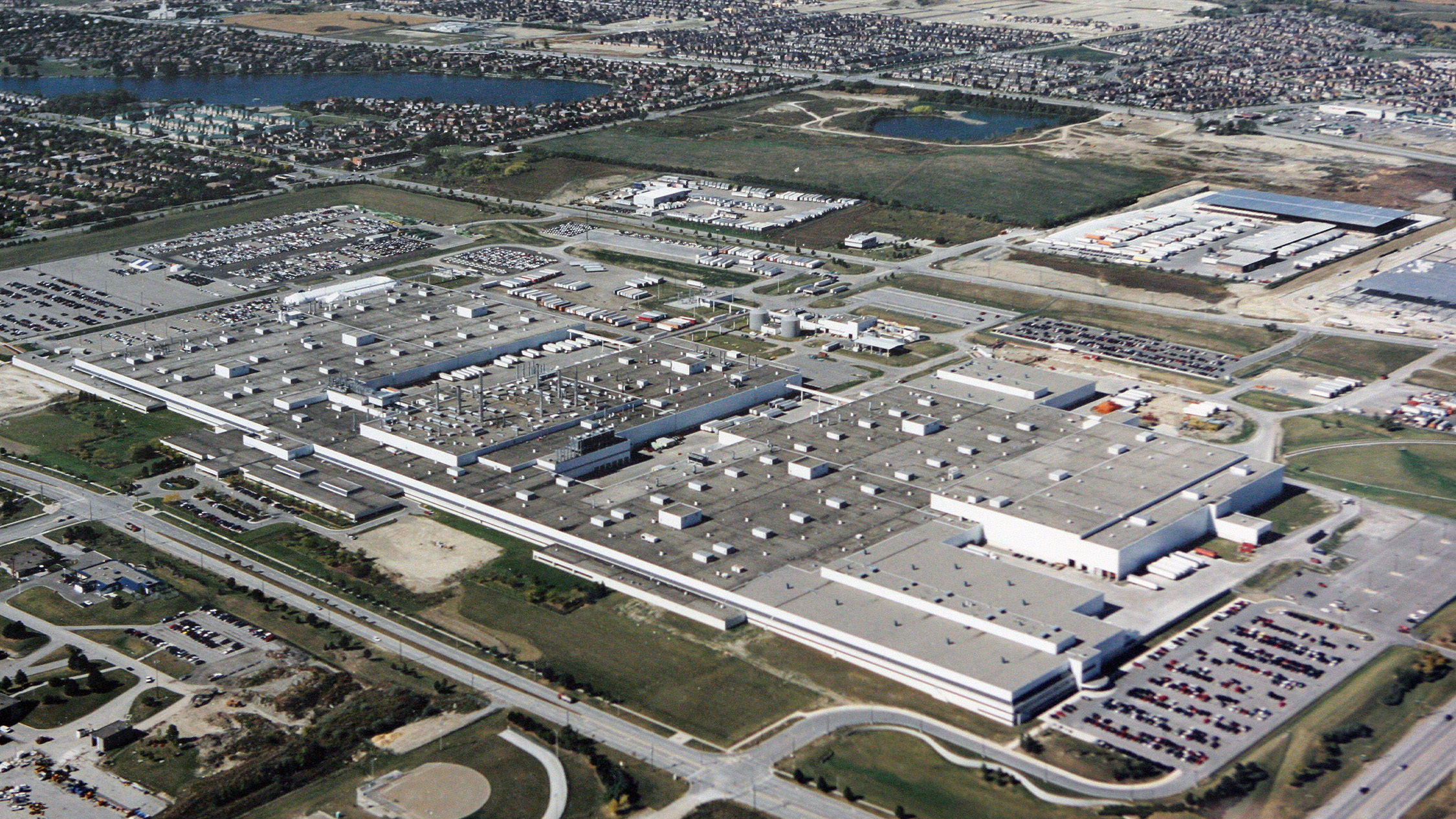
The plan revolves around an idled factory in Brampton, Ontario, according to people familiar with the matter who spoke to Bloomberg. Once earmarked for a new Jeep, the site has been sitting quiet after production of that vehicle was shifted to the US due to tariffs imposed by the US administration.
Also: Canada Hands Out First China EV Permits, But Not Everyone Is Getting A Turn
Now it could be revived through a partnership with Leapmotor, a fast-growing Chinese brand that Stellantis already has a stake in. The plant employs roughly 3,000 unionized workers, many of whom have been sidelined since those Jeep plans were scrapped.
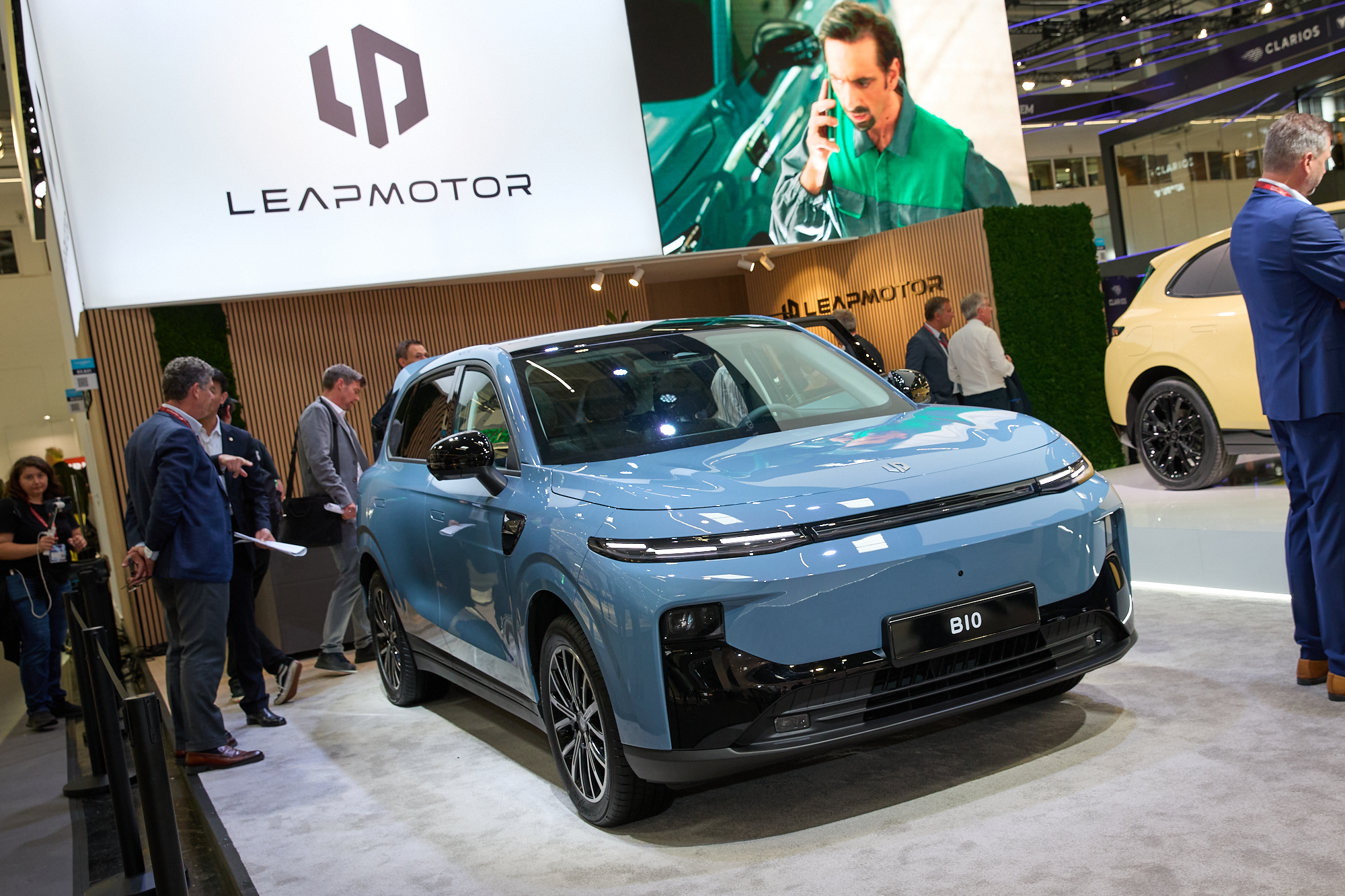
Nothing is signed yet, but the idea is simple. Build EVs locally, avoid tariffs, and get production rolling again. In theory, everyone wins, including the Canadian auto workers left jobless after Brampton’s Jeep plans were axed.
In reality, it’s not that straightforward. The US has made it clear it’s not keen on Chinese vehicles slipping into its market via Canada. There have already been warnings of heavy tariffs if that happens, which could turn this from a business decision into a full-blown political standoff. At one point, Donald Trump even floated tariffs of up to 100% on Canadian goods if the country deepened ties with China’s auto sector.
Meanwhile, Canadian officials are trying to thread the needle. They want investment, jobs, and a reopened factory, but also insist any deal should involve local suppliers and proper manufacturing rather than simple assembly work, which is the route Leapmotor and Stellantis are taking in some other markets. As one industry figure put it to Bloomberg’s reporters, “Chinese knockdown kits may be fine for Brazil, but they aren’t for the hundreds of Canadian auto parts suppliers.”
Growing Fast

Other North American brands have every right to be worried about this news, because Leapmotor is growing, and fast. The company has now delivered over 100,000 vehicles for four straight quarters, putting it firmly on the map. And with new models like the C10 AWD Sports+ SUV (seen above) offering 590 hp (598 PS / 440 kW) for the equivalent of just $38k USD, that growth isn’t likely to stop. One of its major advantages is that it makes its hardware in-house, keeping costs low and margins high.
Stellantis took a 20 percent stake in Leapmotor in 2023, later expanding the relationship into a joint venture focused on building and selling these EVs globally.
Too Close For Comfort For The US
For Stellantis, the Brampton plan could offer a shortcut into more affordable EVs, and for Leapmotor, it’s a ticket to North America. For Canada, it’s a chance to bring a factory back to life, but for the US, it’s a potential loophole that needs closing.
This week, we learned that an Ohio senator wants to introduce a bill that would double down on President Biden’s ban on new cars from China sold in the US, by even excluding cars running Chinese software. Bernie Moreno (Rep) said Chinese cars were a ‘cancer.’