


- BMW unveils the Vision Alpina as its first concept since fully acquiring the brand.
- The V8-powered grand tourer mixes speed, luxury, and old-school Alpina values.
- BMW says its first production-era Alpina arrives next year, based on the 7 Series.
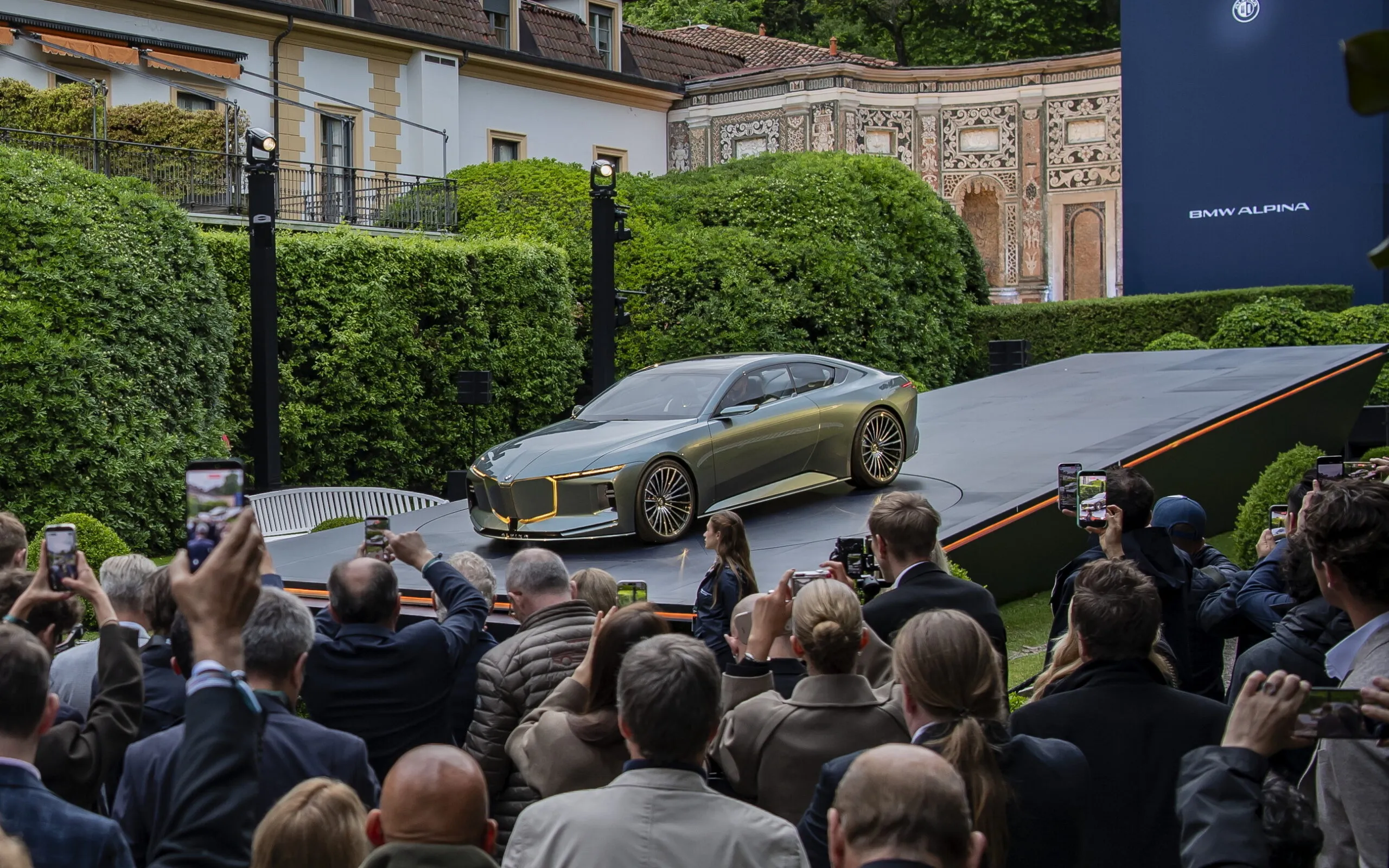
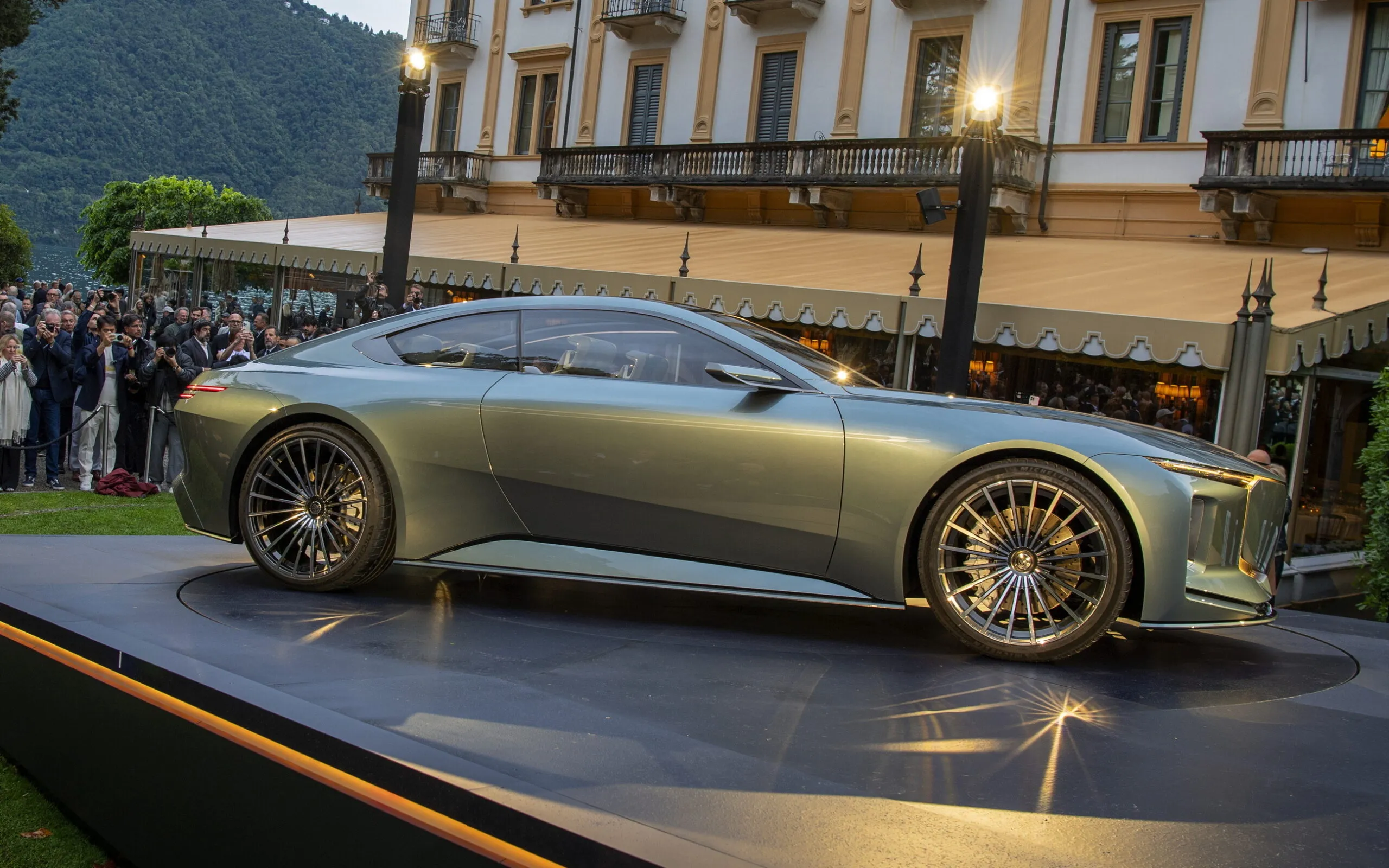
Update: The Vision Alpina coupe concept debuted at the 2026 Concorso d’Eleganza Villa d’Este on Lake Como over the weekend, fresh photos added below
For decades, the M badge meant something truly special on the back of a BMW. An Alpina badge took that to the next level. Now, BMW will slap an M badge on just about anything in the pursuit of sales. That’s why plenty are concerned about how it’ll handle Alpina now that it’s fully acquired the brand. The all-new Vision BMW Alpina concept gives us a glimpse at what we can expect.

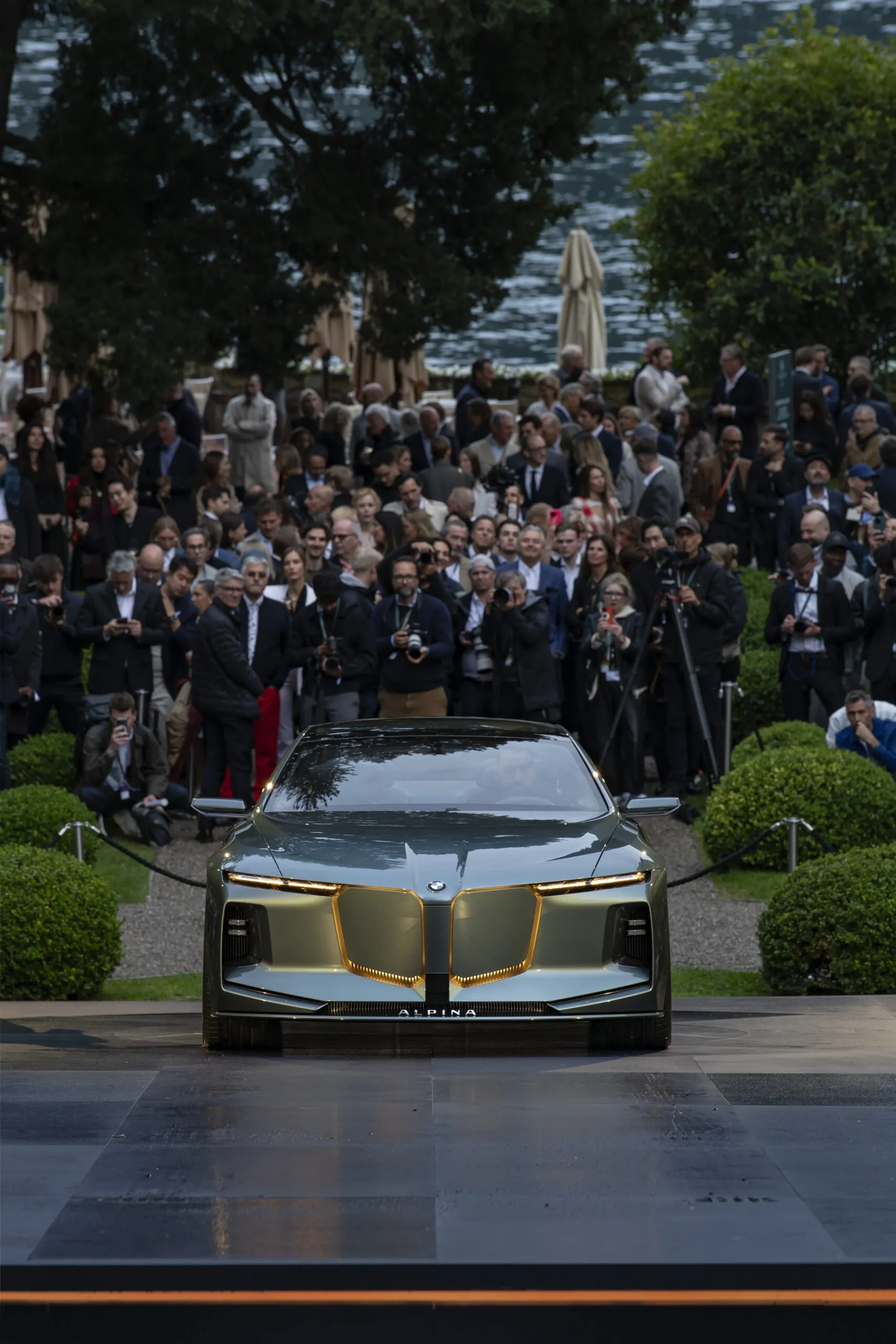
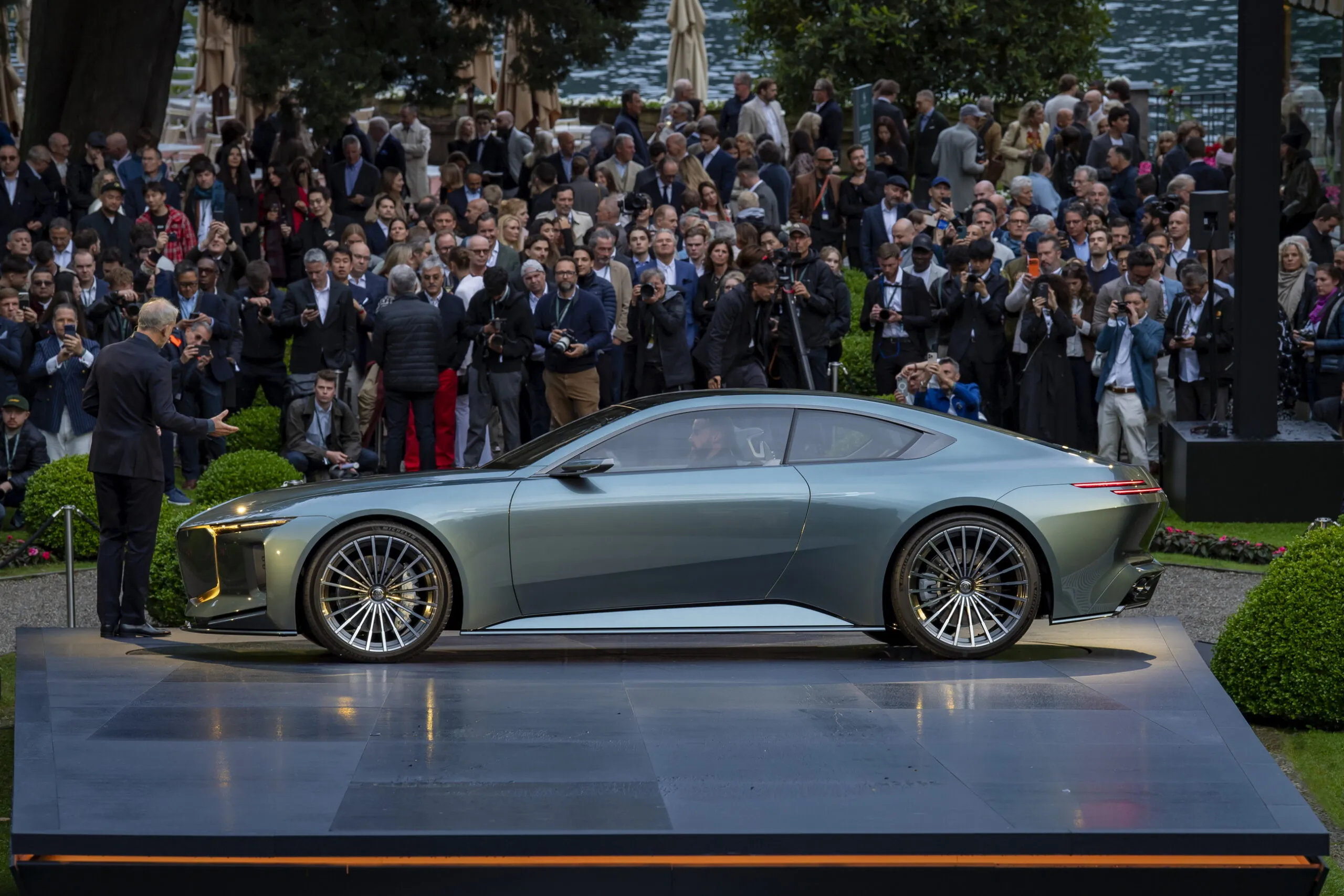
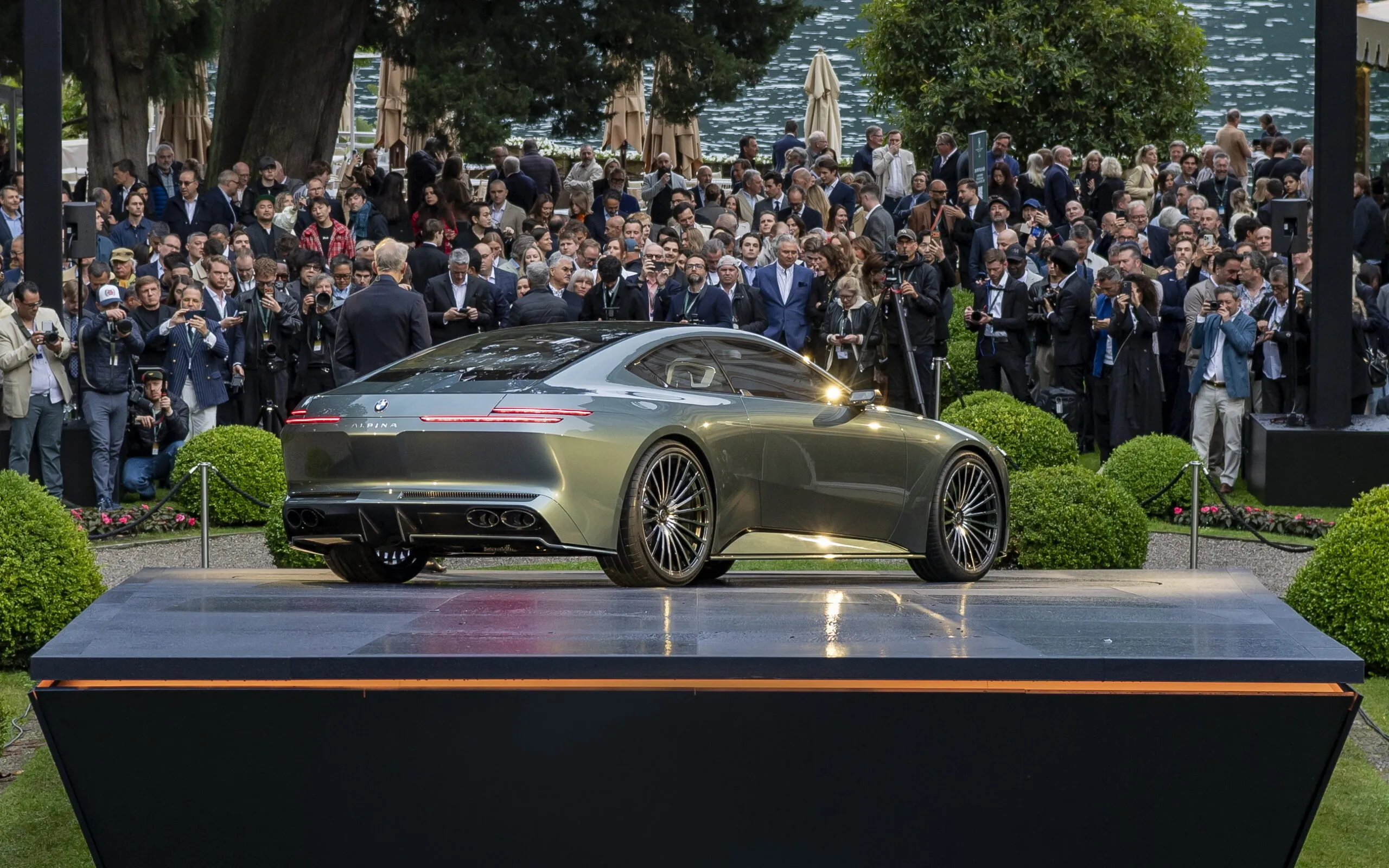
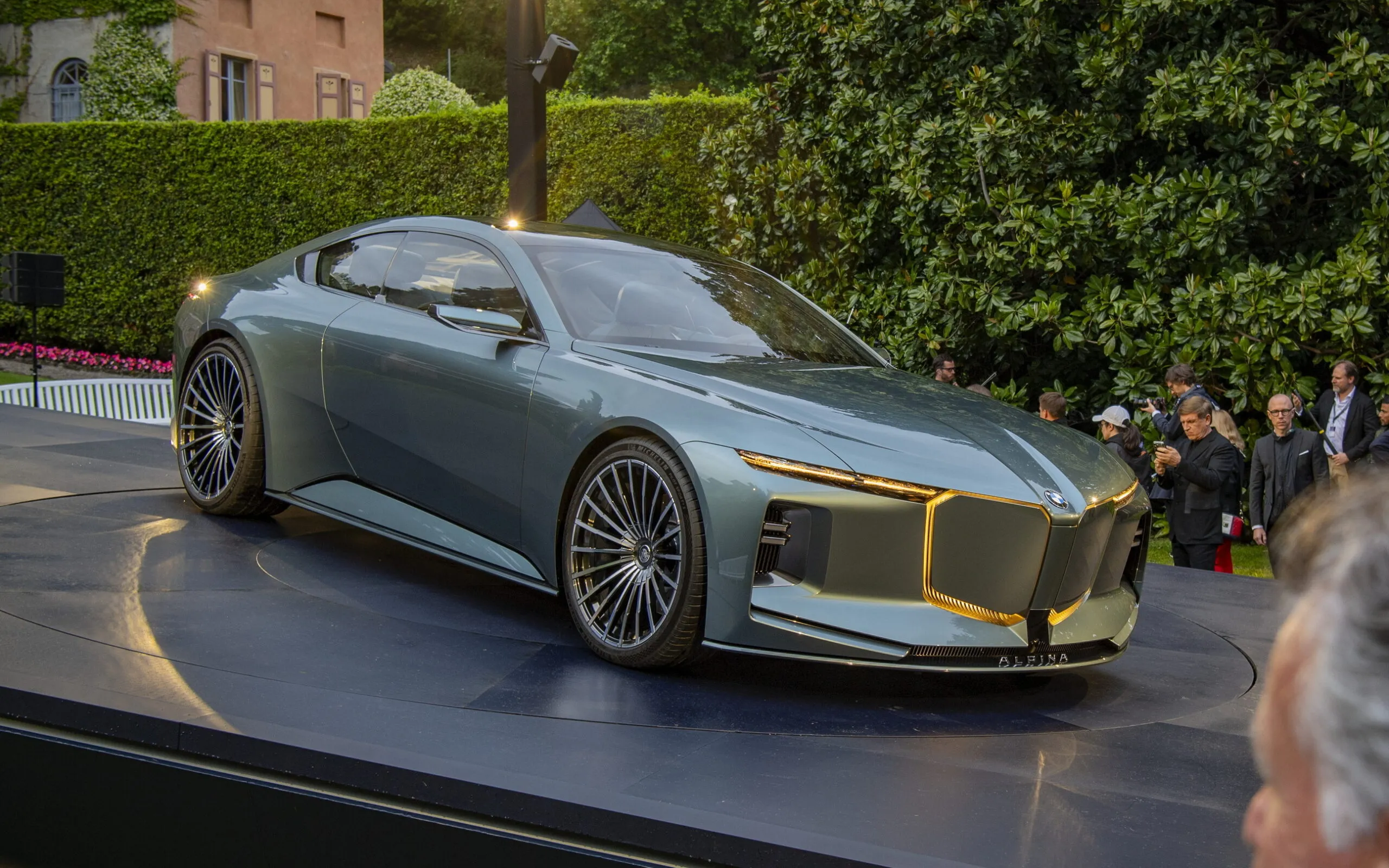

Photos BMW
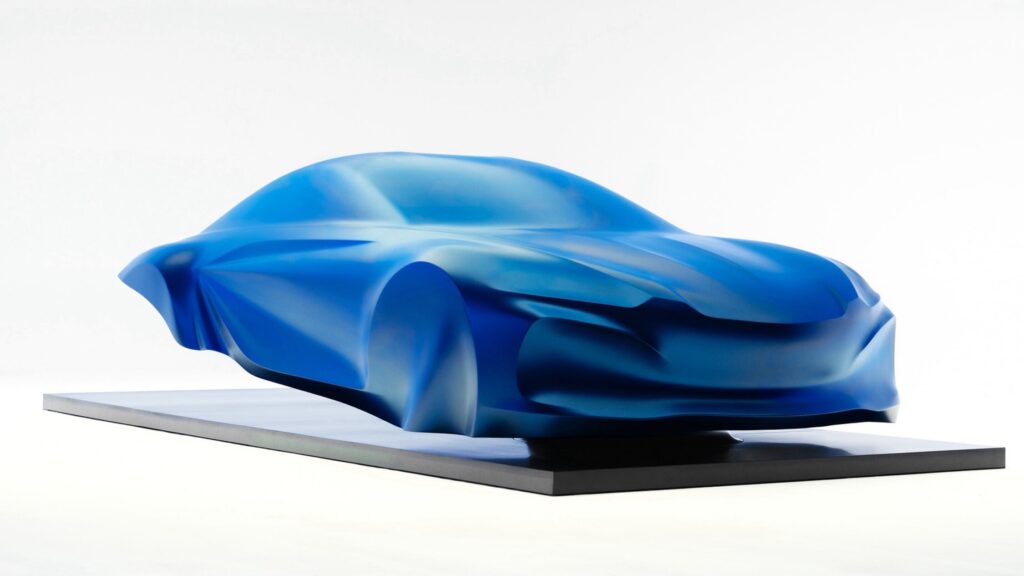
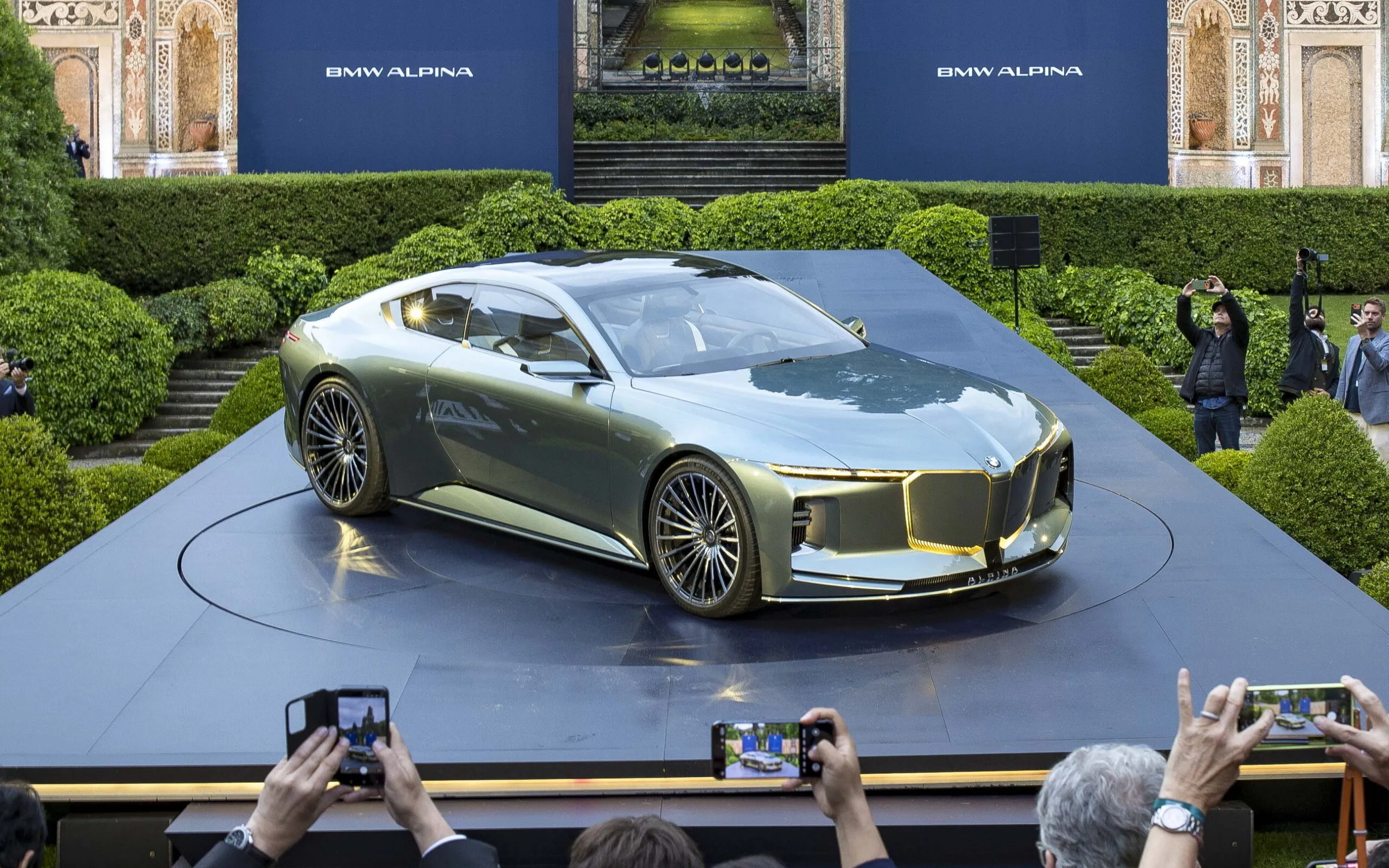
Set to be unveiled at the 2026 Concorso d’Eleganza Villa d’Este, the Vision BMW Alpina is a one-off design study previewing the future of the newly integrated brand. BMW says the concept doubles down on the three pillars that have defined Alpina for decades: speed, comfort, and sophistication. That framing matters, because Alpina was never simply M with a fatter wallet.
More: BMW Has A New Role For Alpina, And It Starts With Two New Models
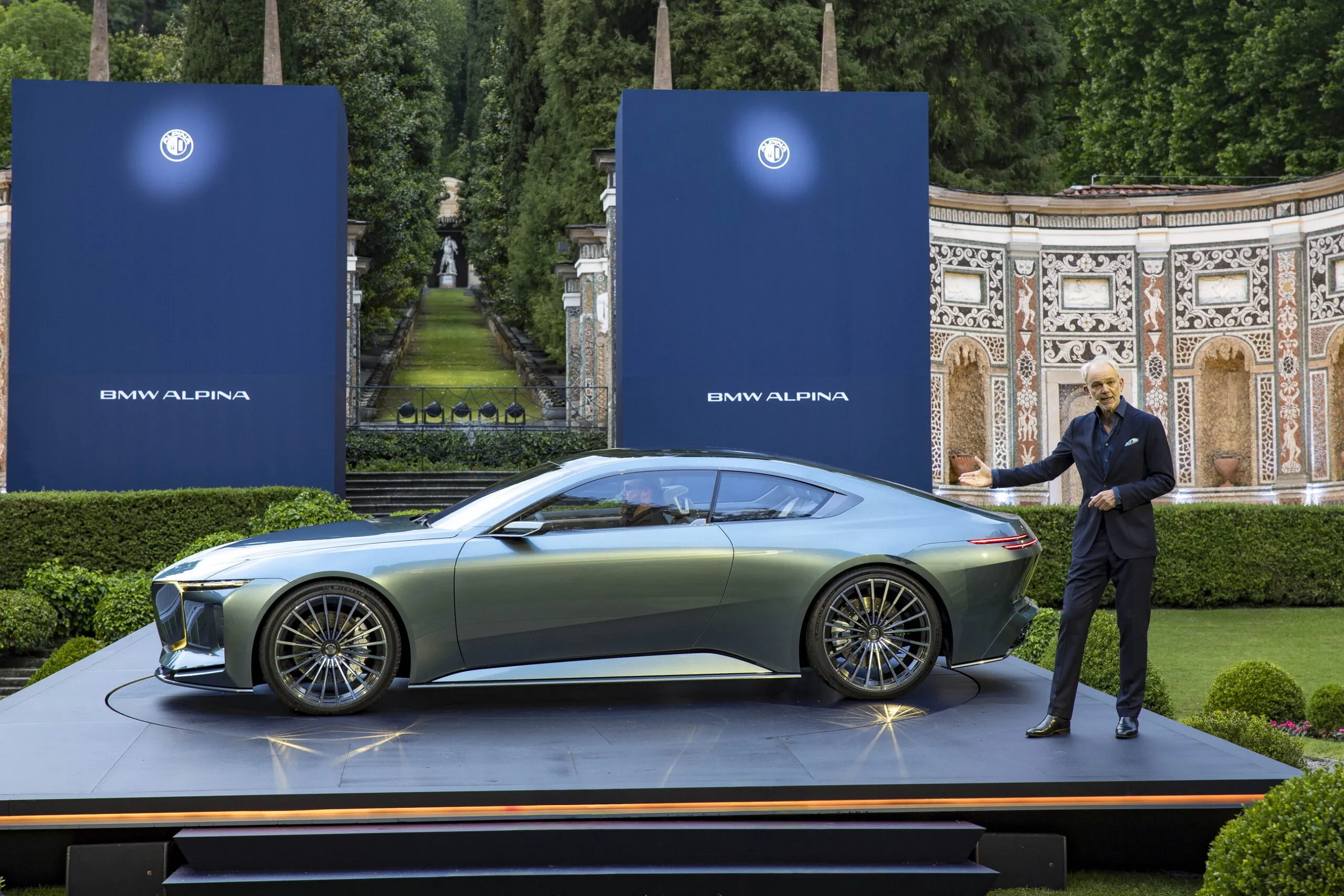
M served as the special corner-carving performance edge of BMW’s technological prowess. Alpina took that vibe and made it more luxurious and bespoke. To that end, it’s easy to see BMW leaning into Alpina’s heritage with this design study. For one thing, it’s not a tight, small, nimble track weapon. At 204.7 inches (5,199 mm) long, this thing is enormous.
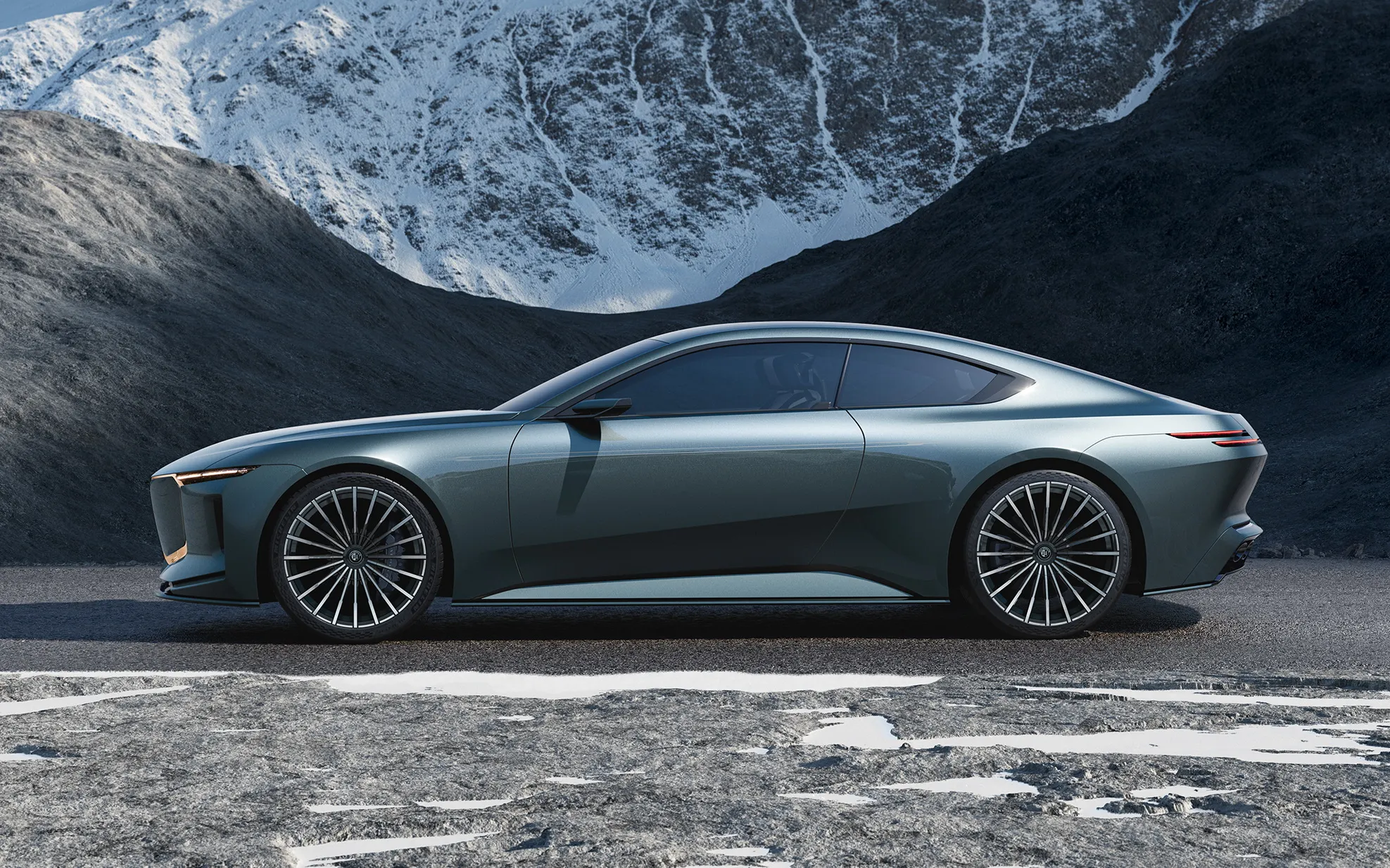
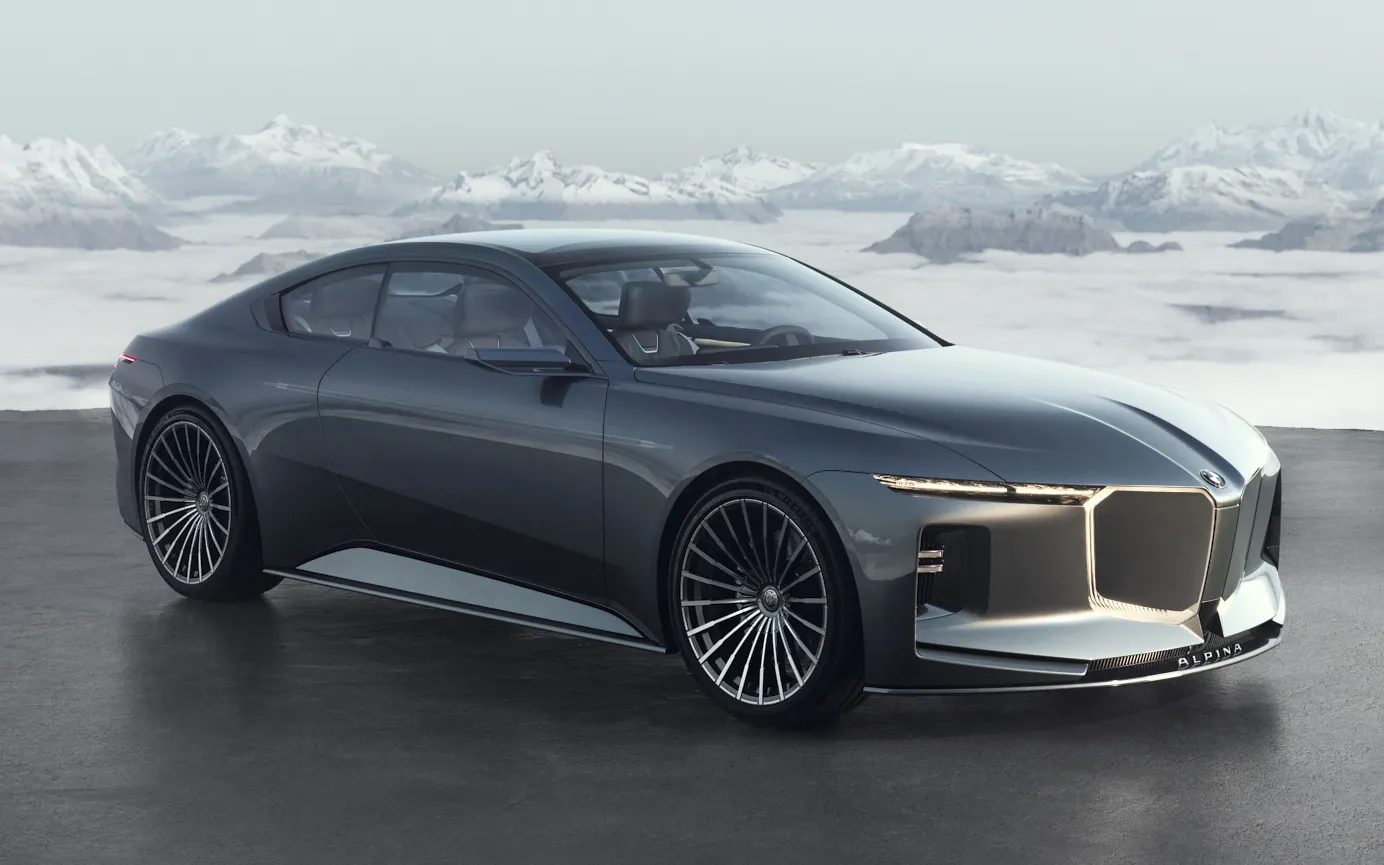
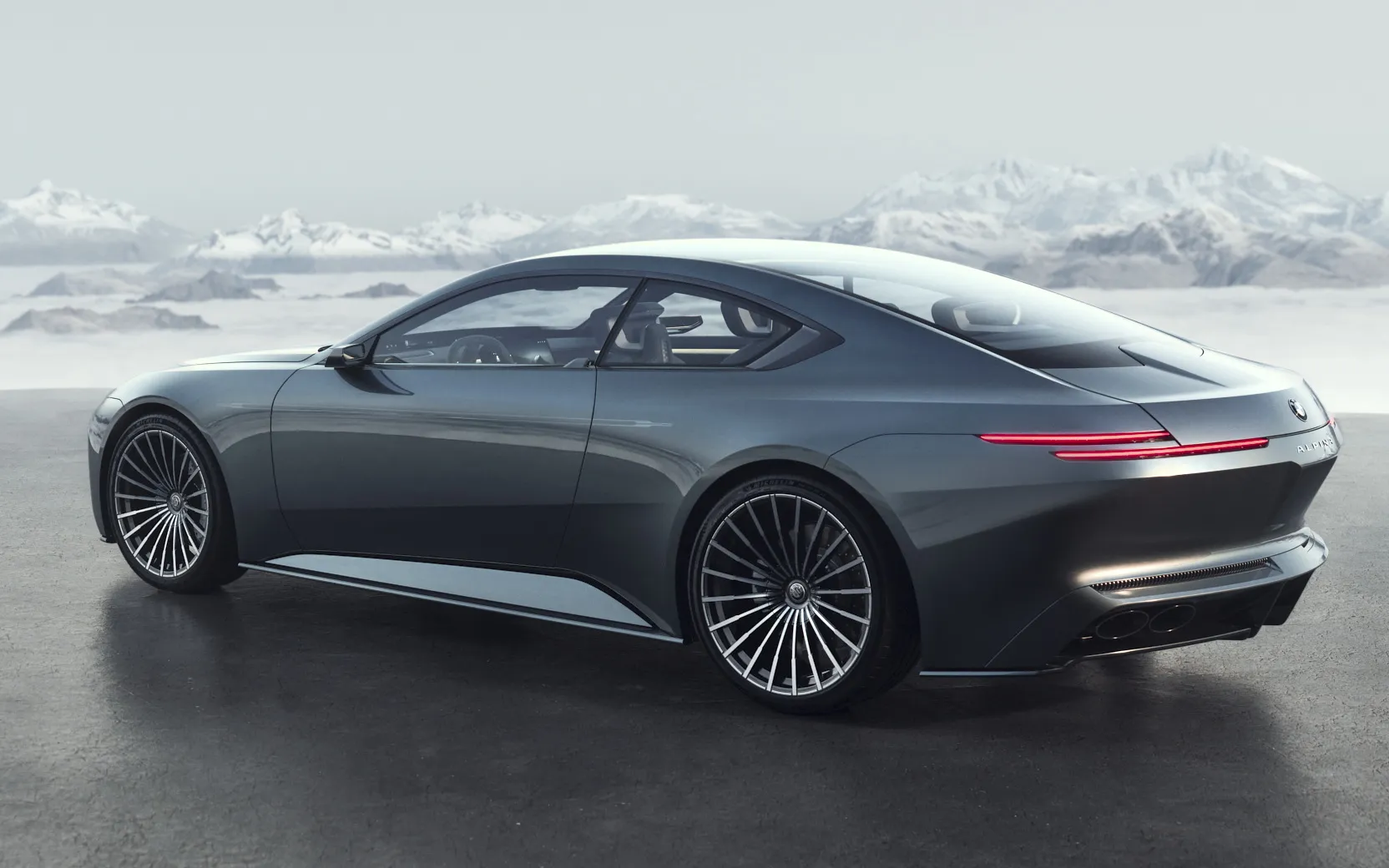
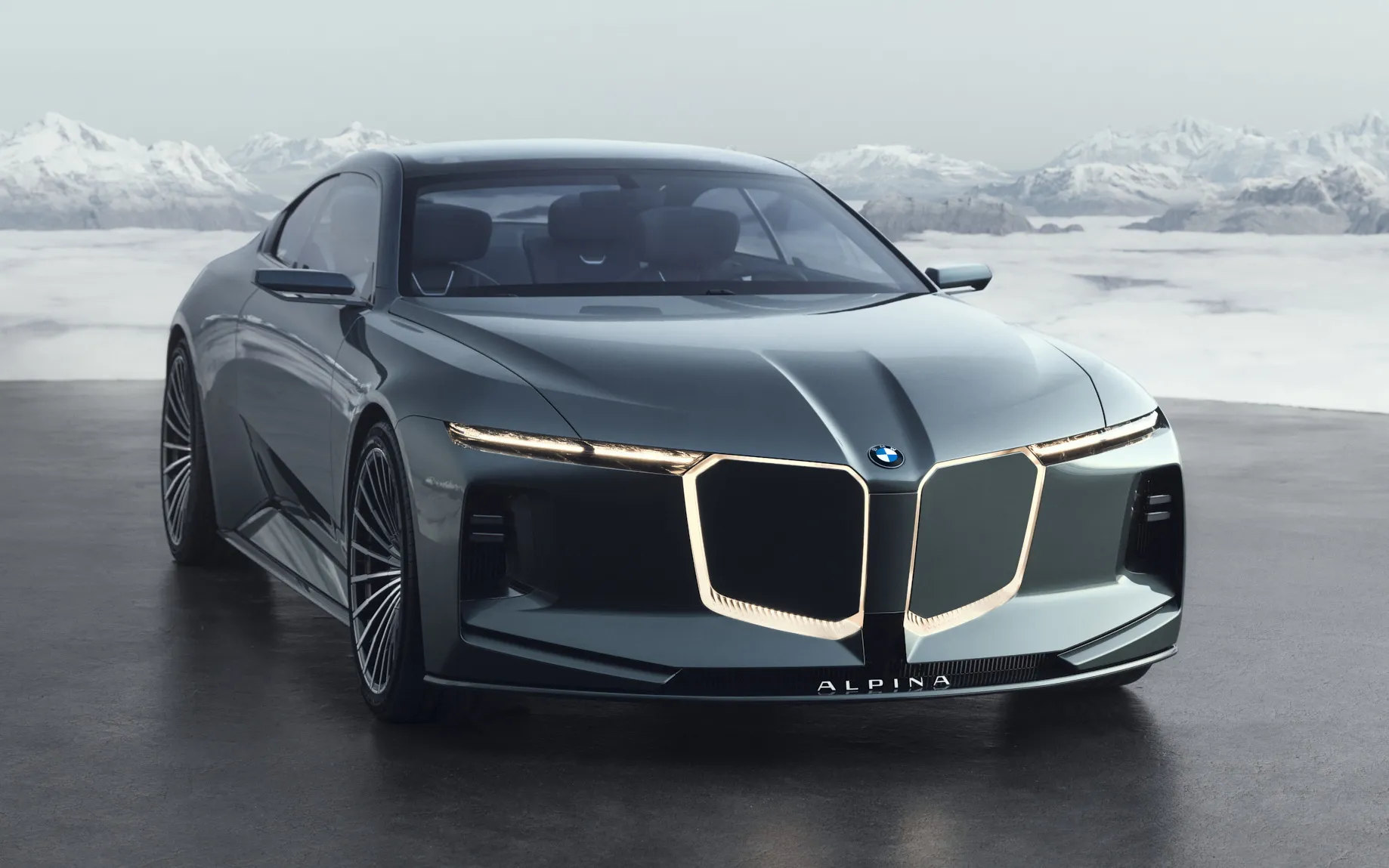
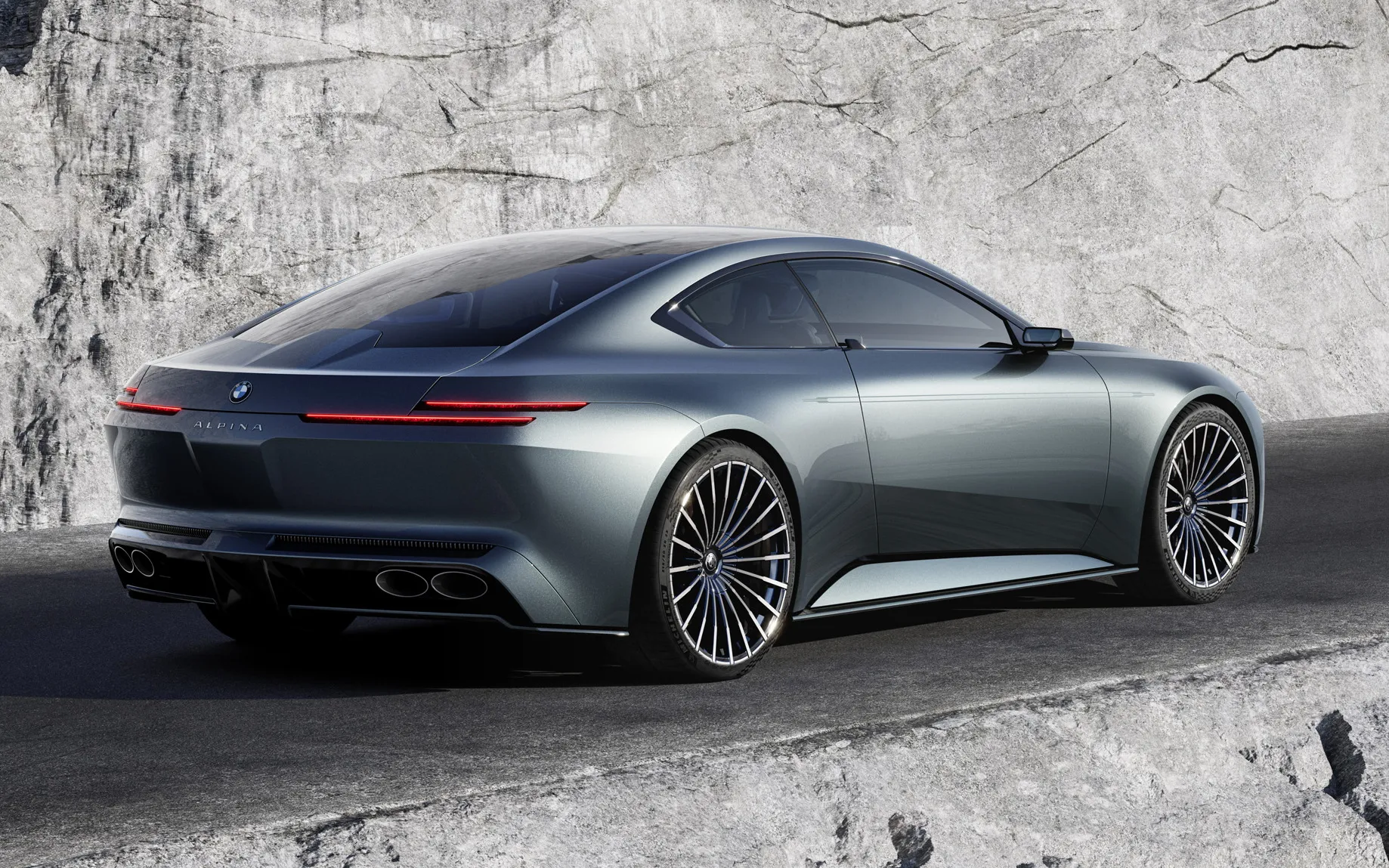
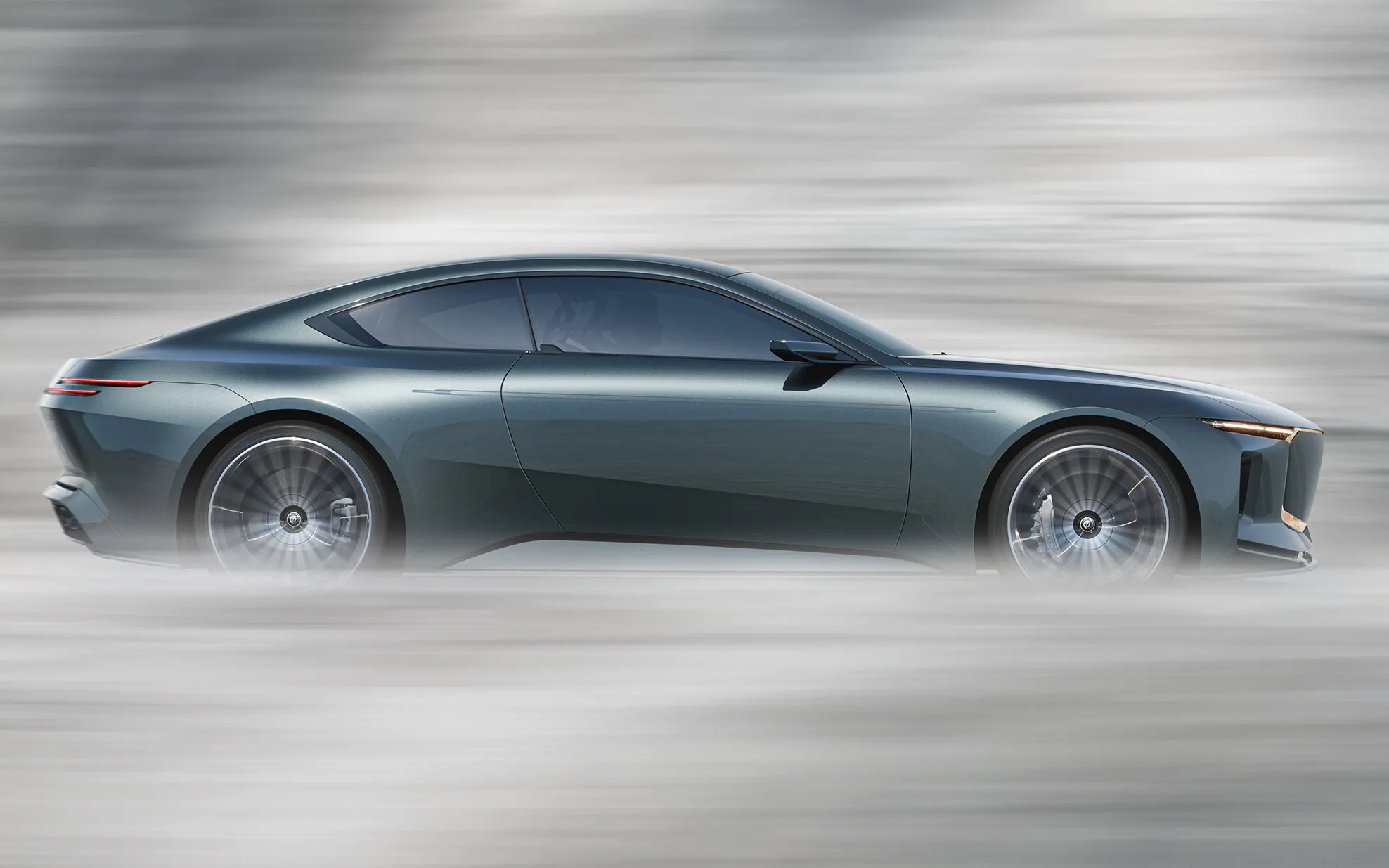
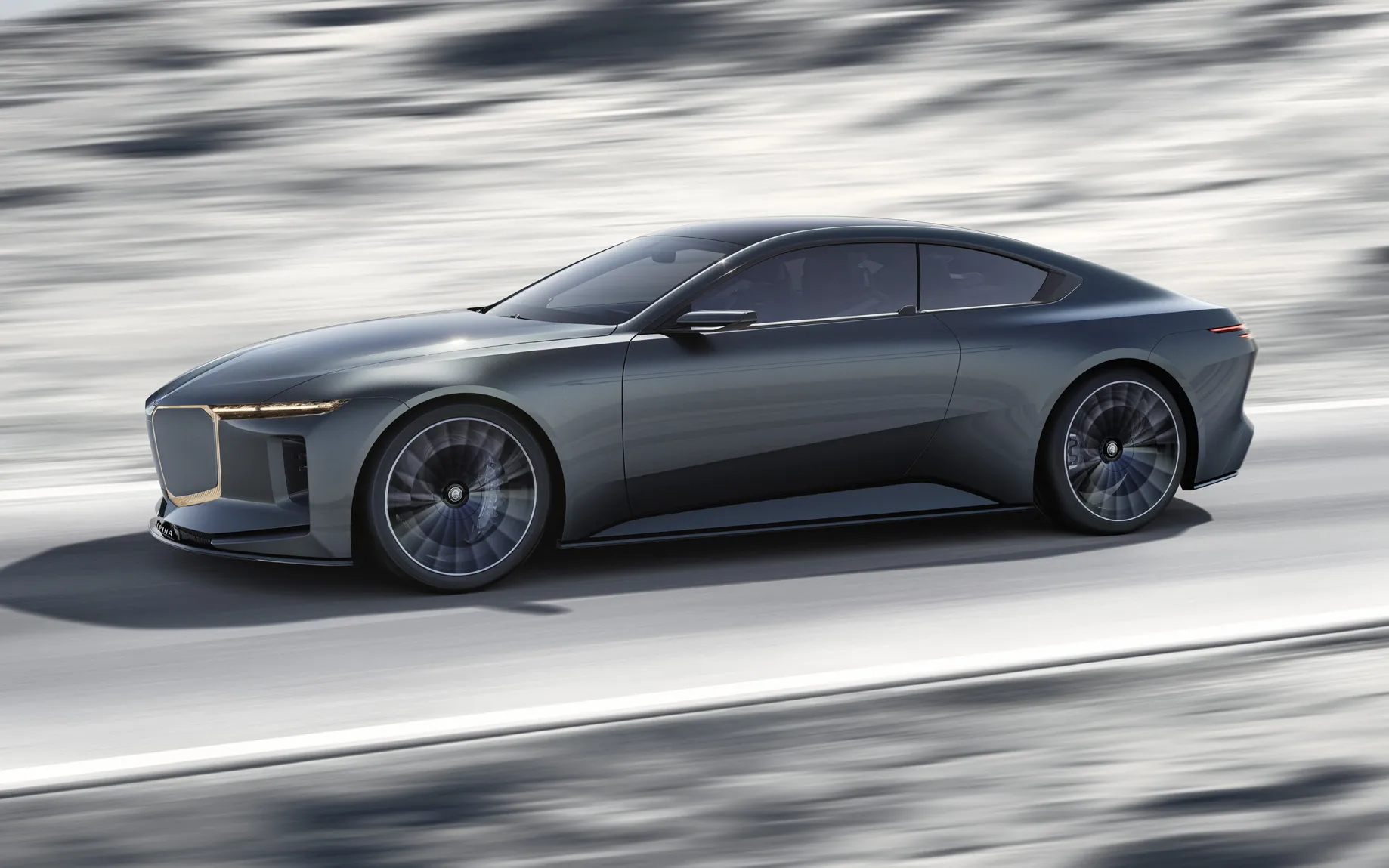

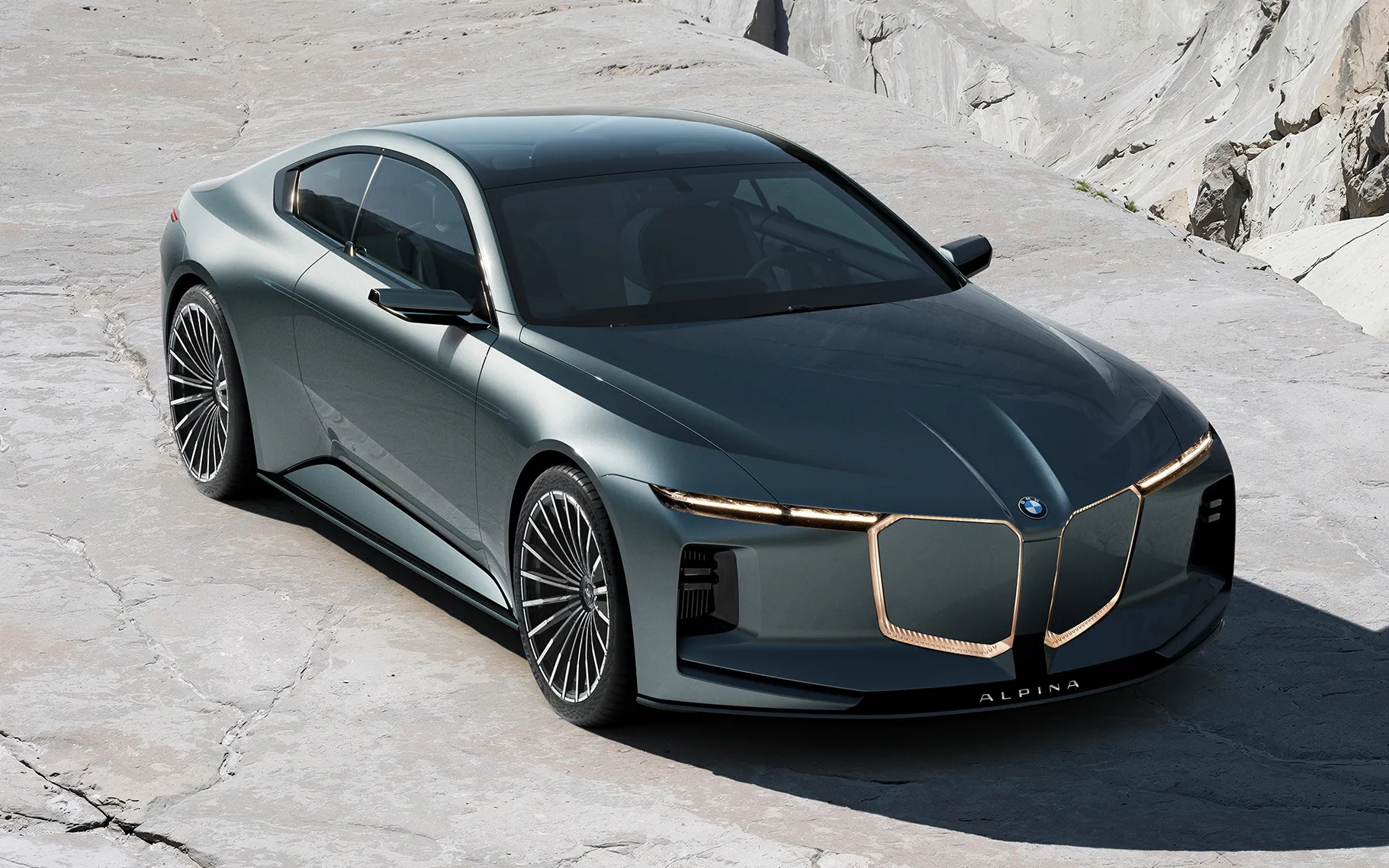
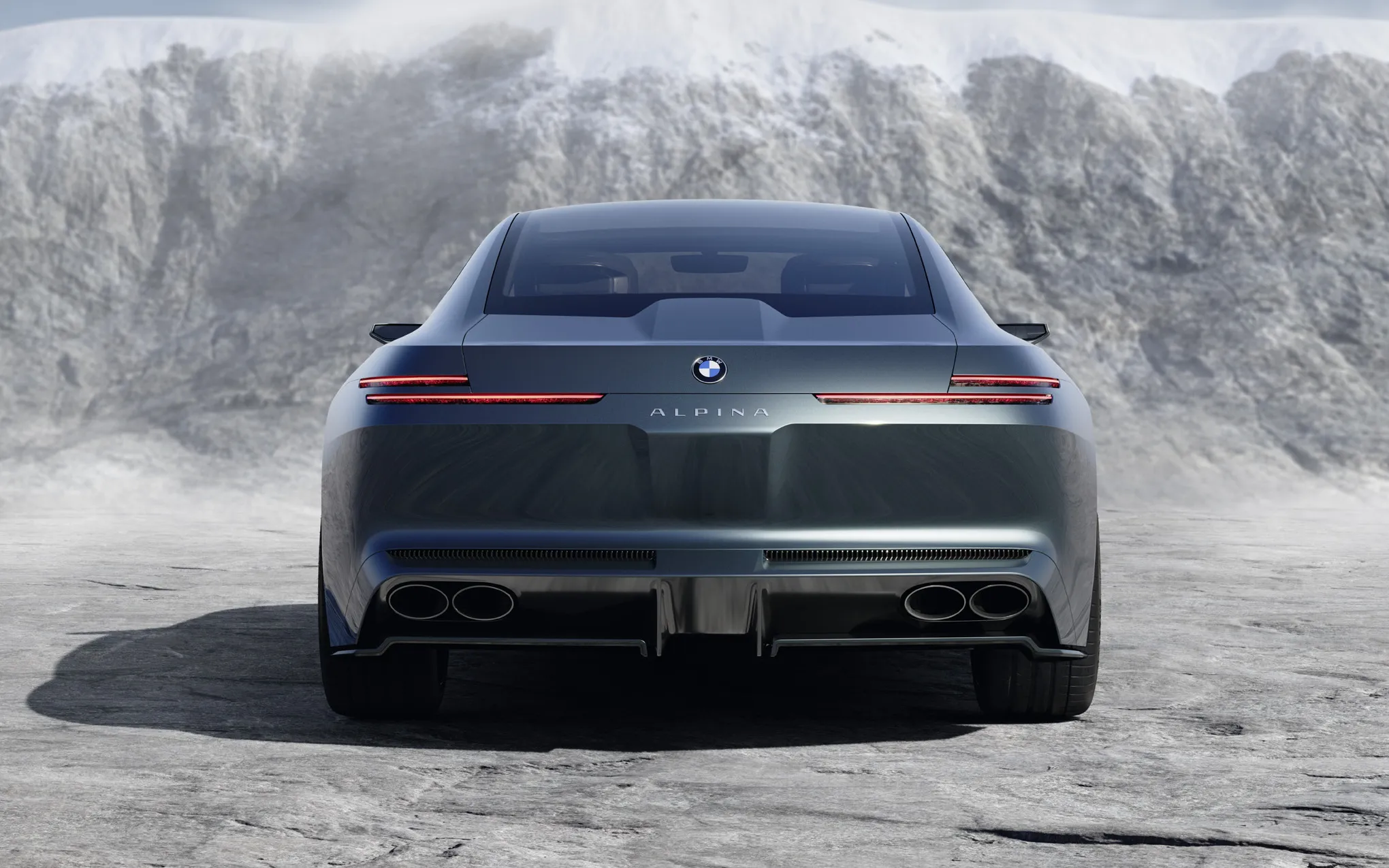
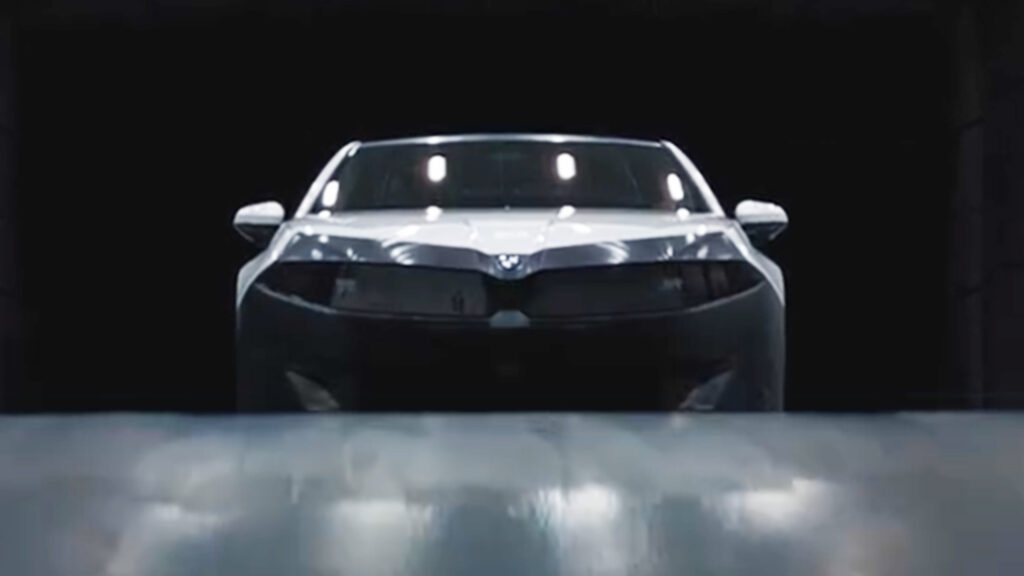
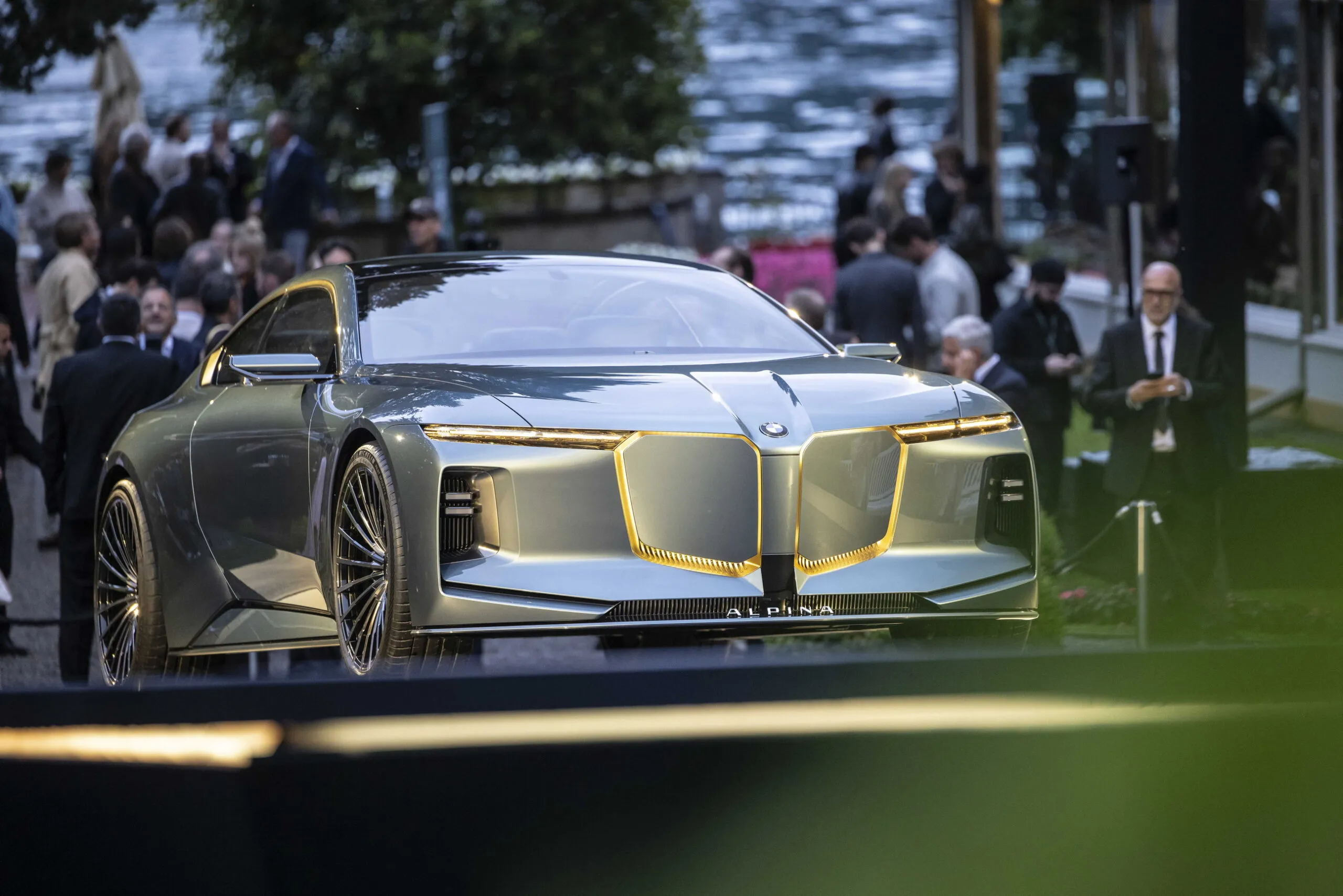
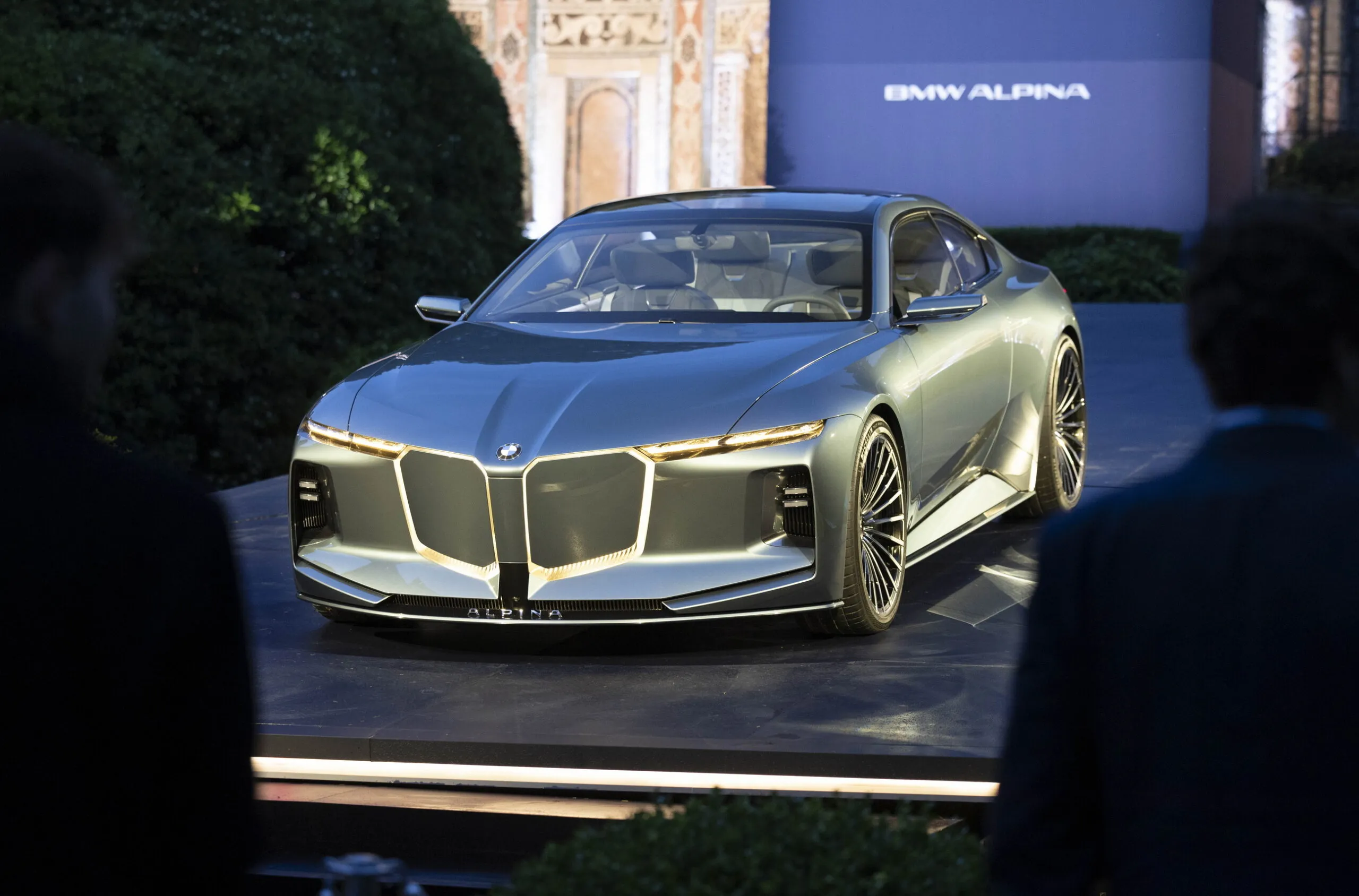
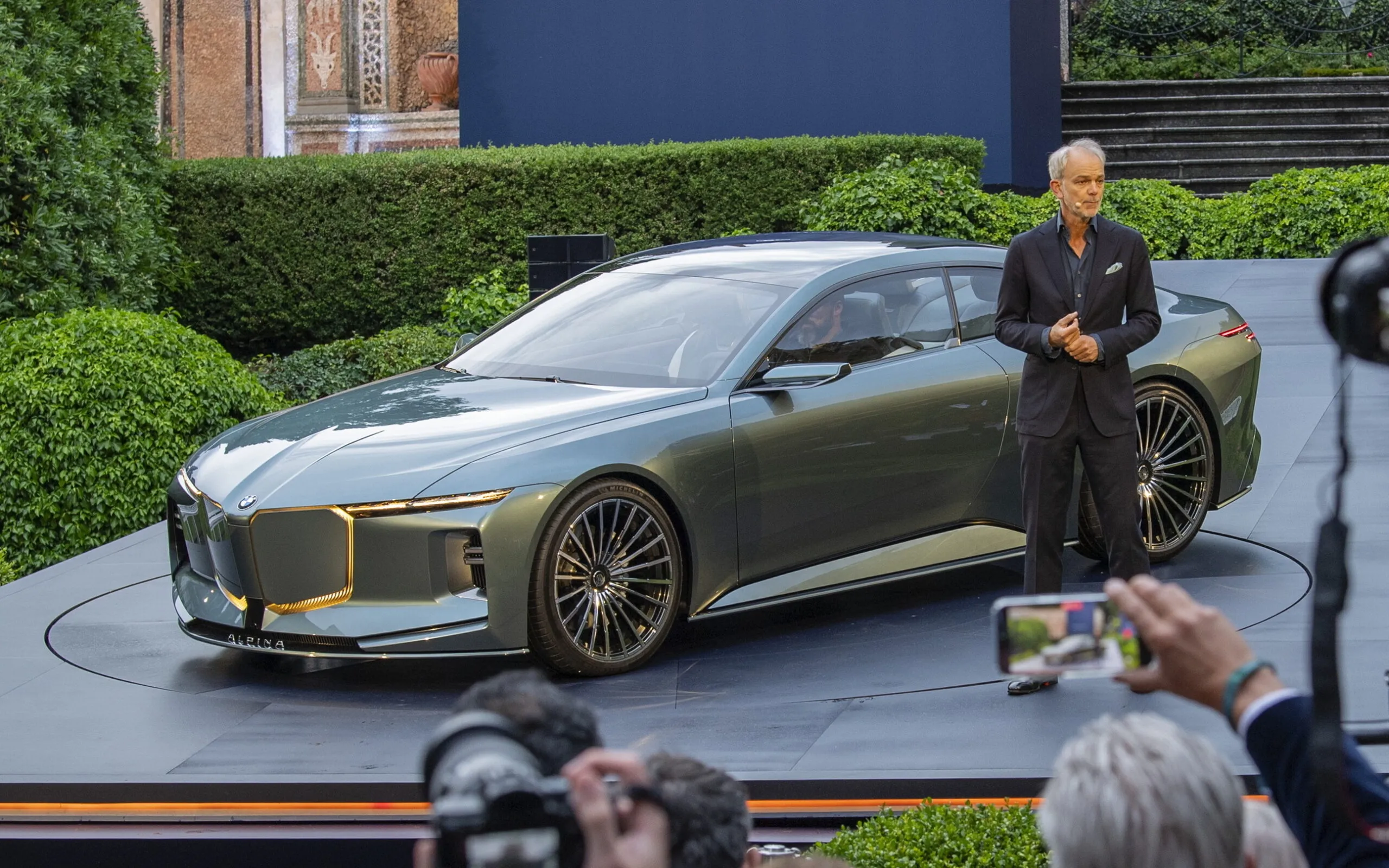
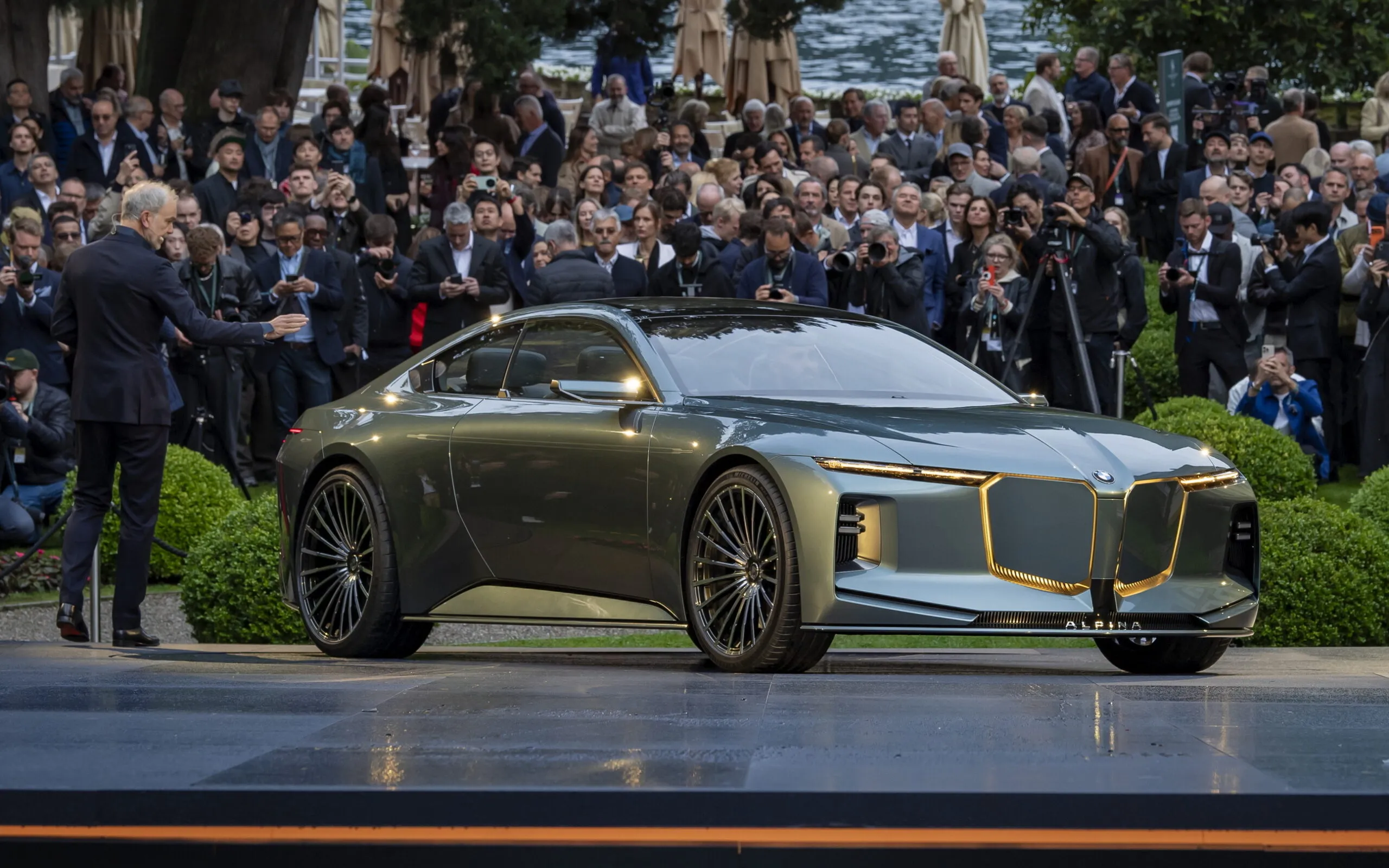
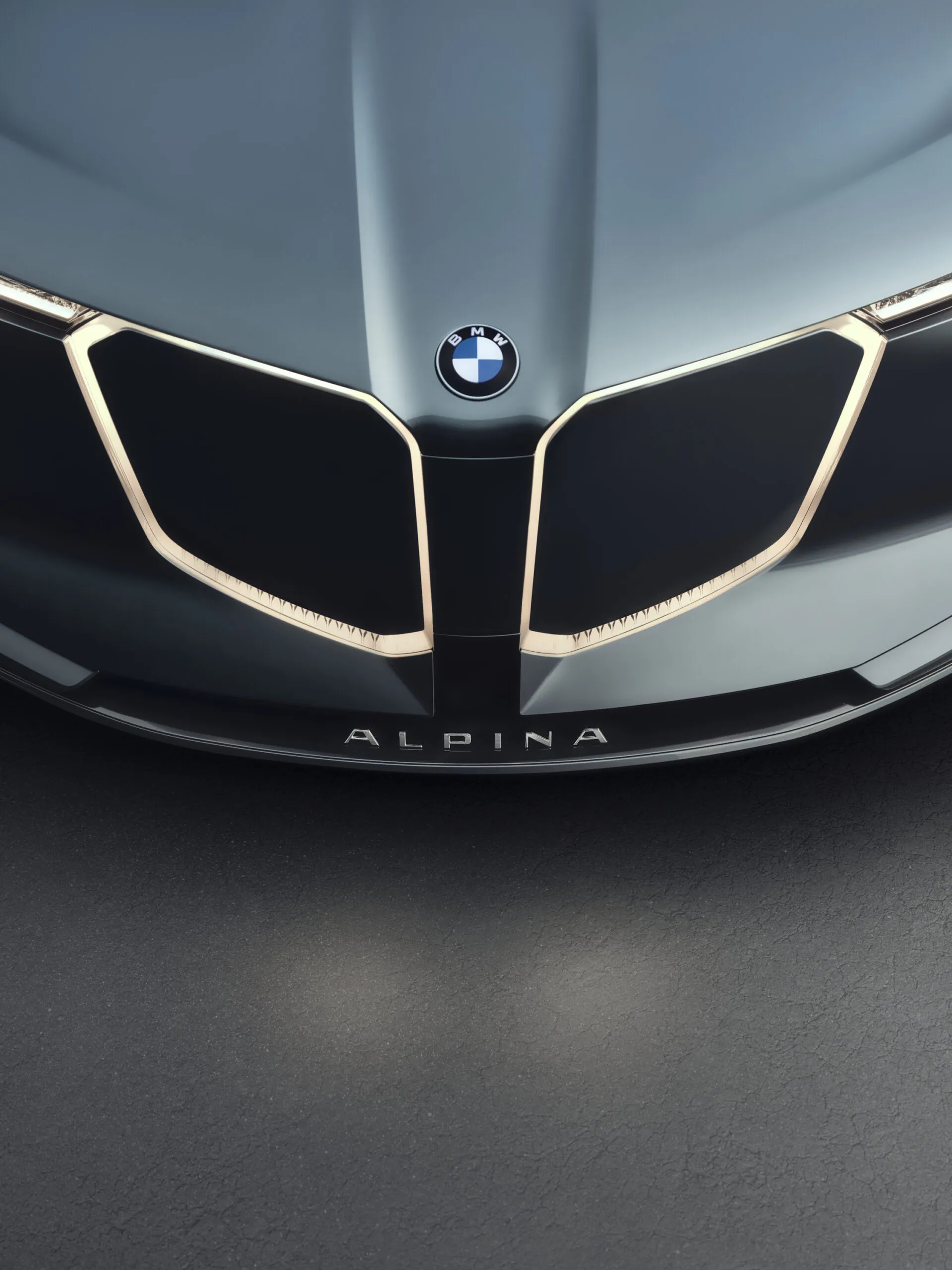
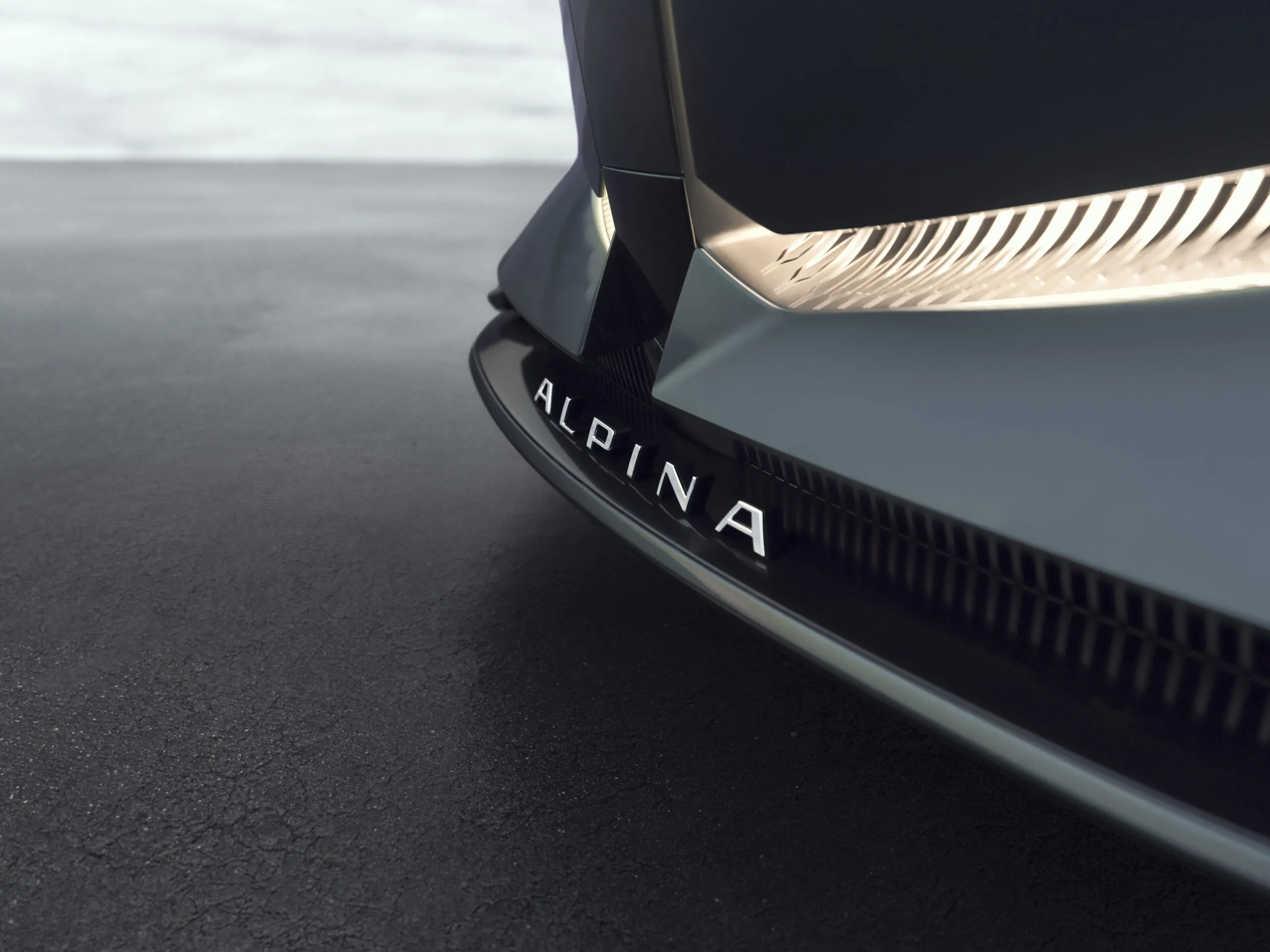
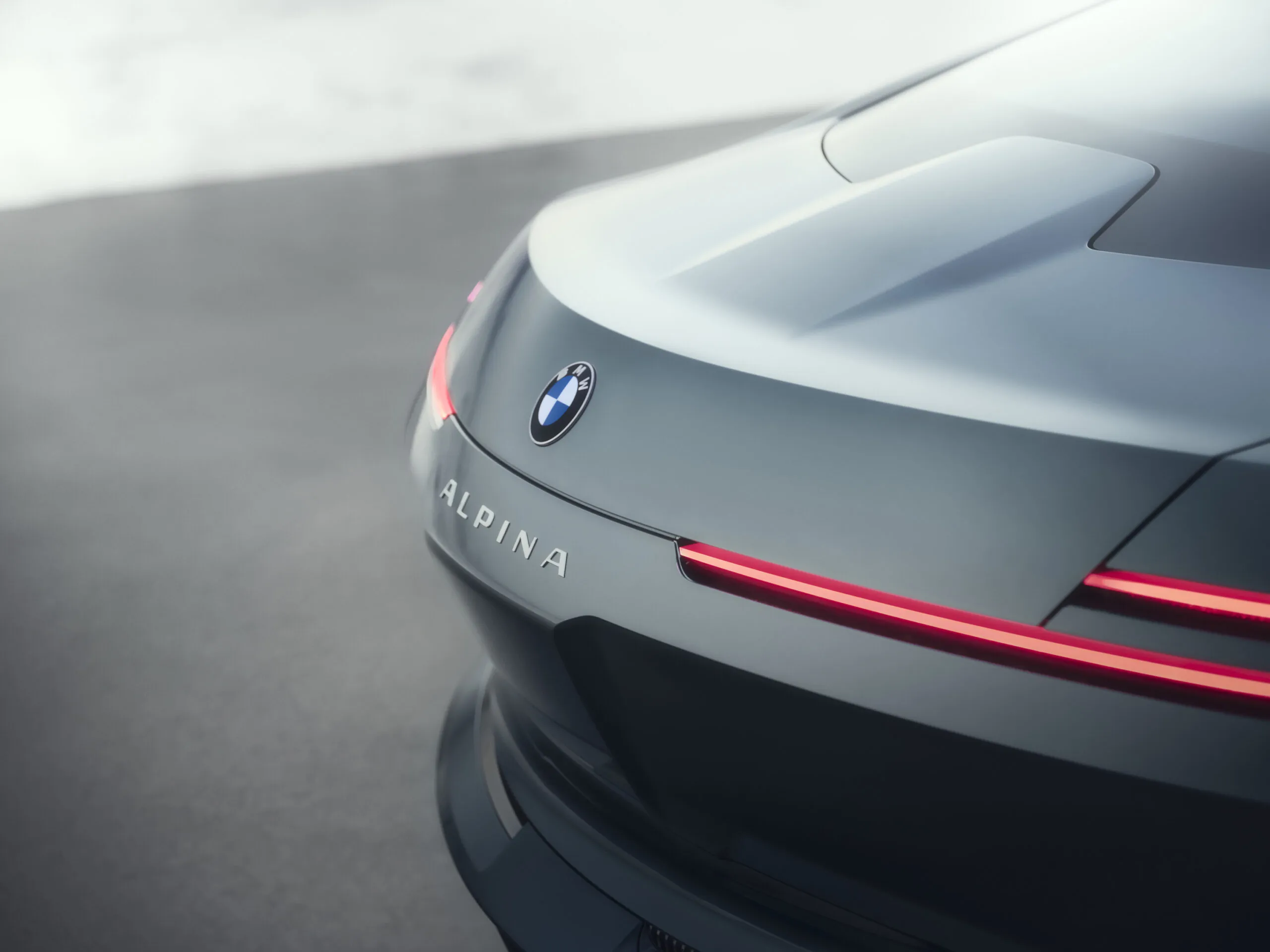
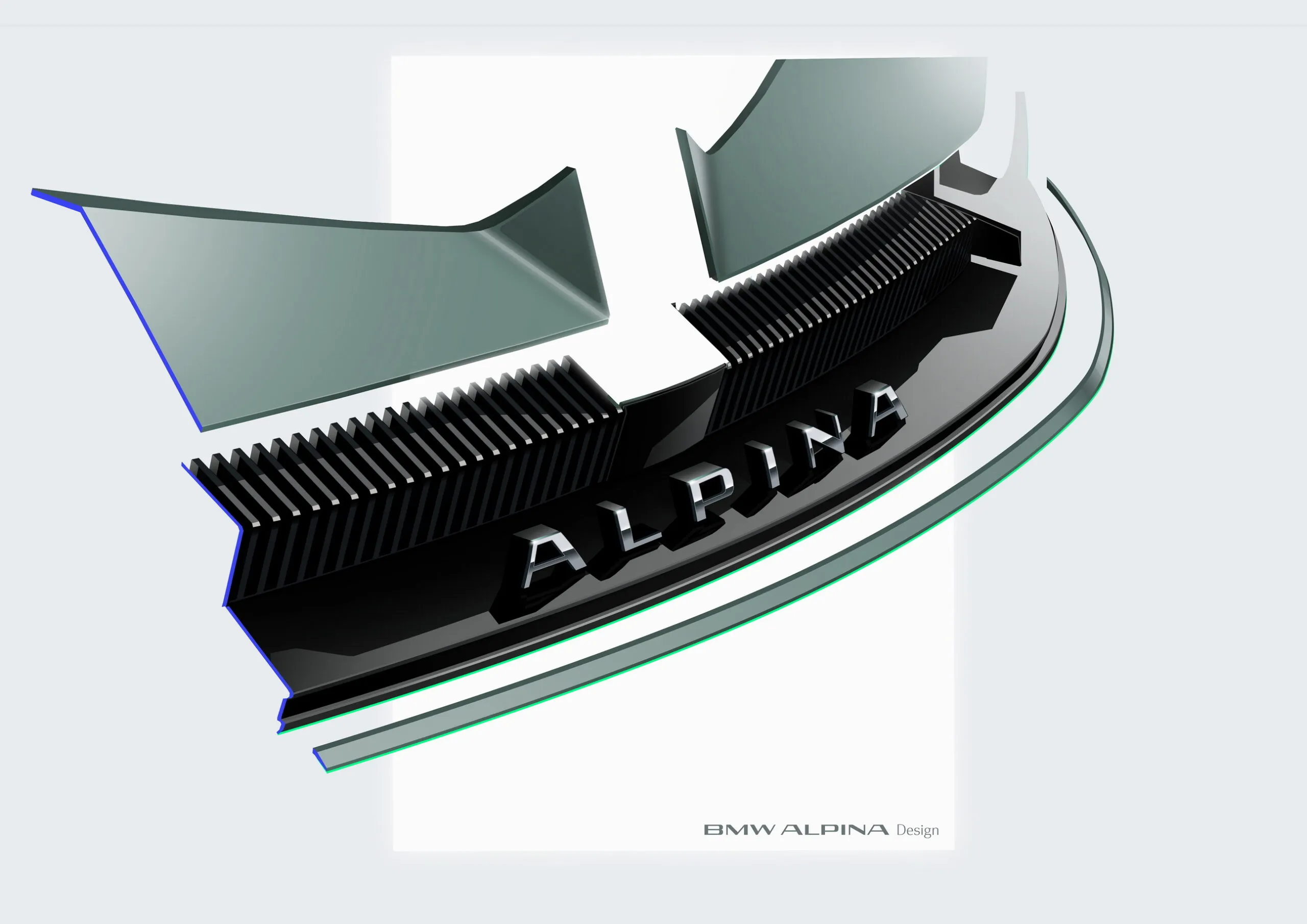
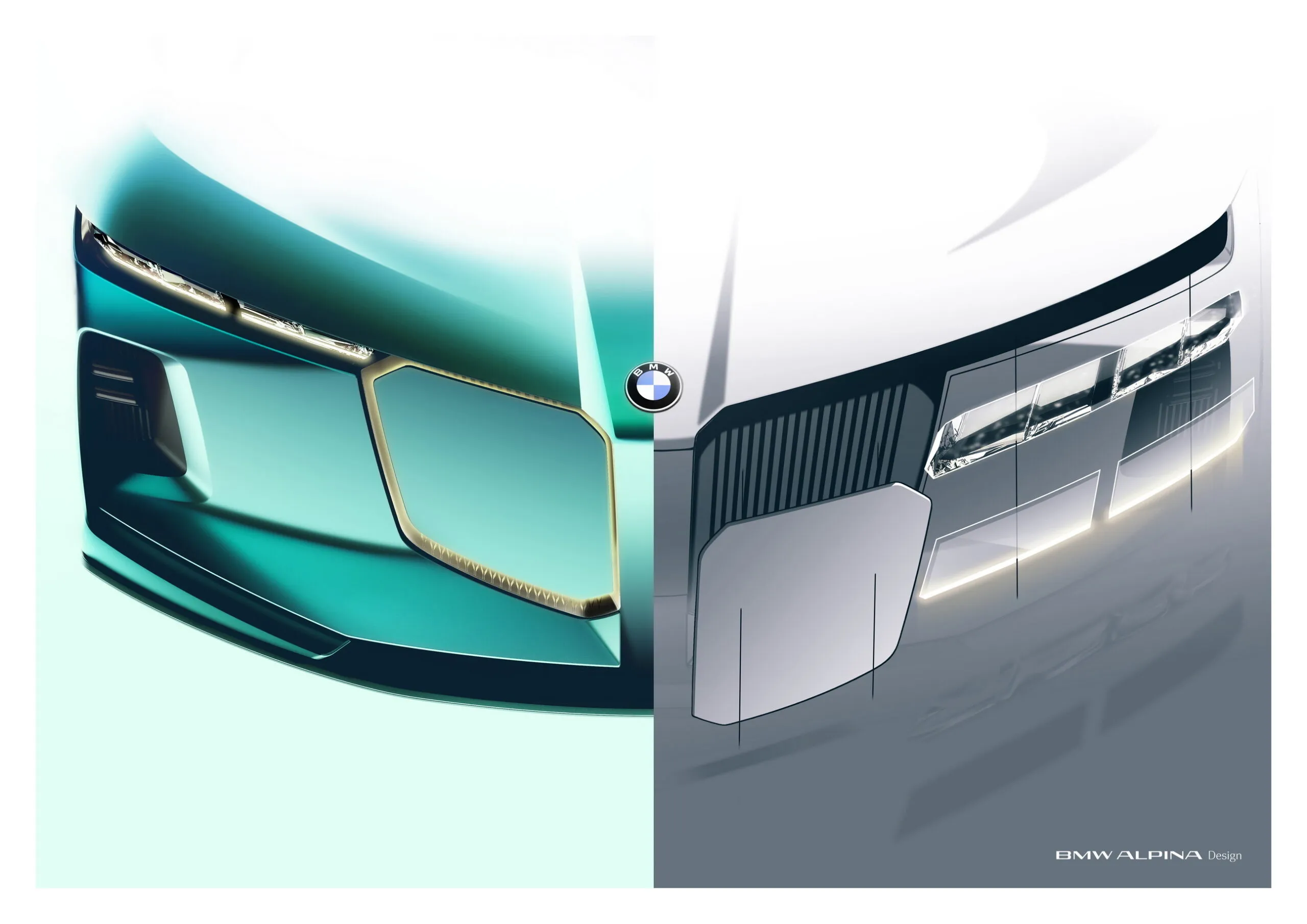
The coupe-like roofline stretches over a cabin built for four adults, while a low stance and long hood make it look less like a modern crossover-derived luxury machine and more like an old-school grand tourer. The enclosed and reinterpreted twin-kidney grille on its shark-nose front might suggest an EV powertrain underneath, but Alpina has actually put a V8 there instead. That alone is a signal that this isn’t a half-hearted use of the brand image.
While no other details were provided about the engine beyond the cylinder count, Alpina has historically taken BMW’s existing powerplants and reworked them for sharper performance. If the concept were to reach production, the V8 underneath would almost certainly arrive as a heavily massaged version of an engine already in the BMW catalogue, possibly the twin-turbocharged 4.4-liter unit that currently does duty in the M5, rather than anything built from a clean sheet.
A Grand Tourer In The Old Sense




Photos BMW
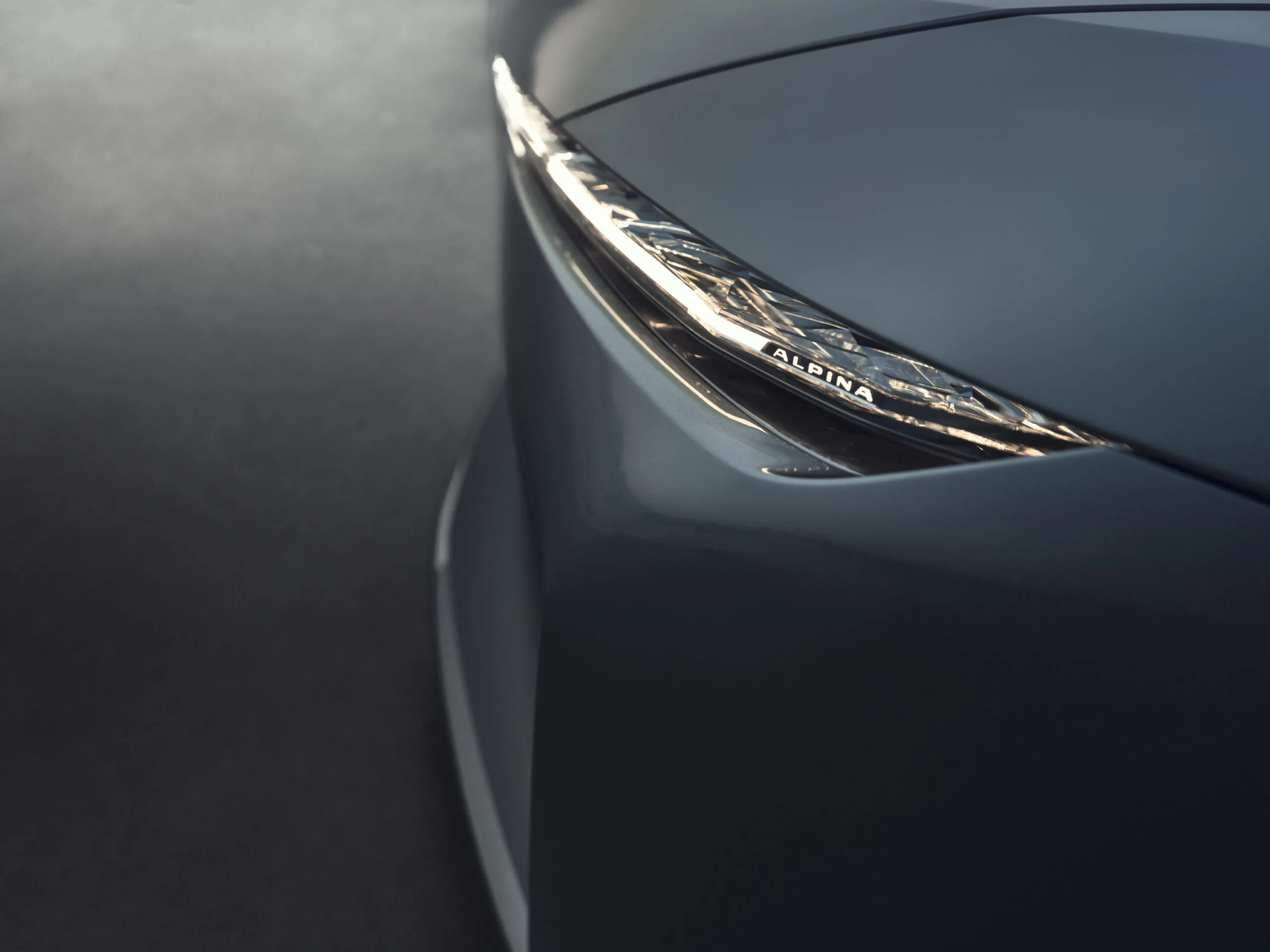
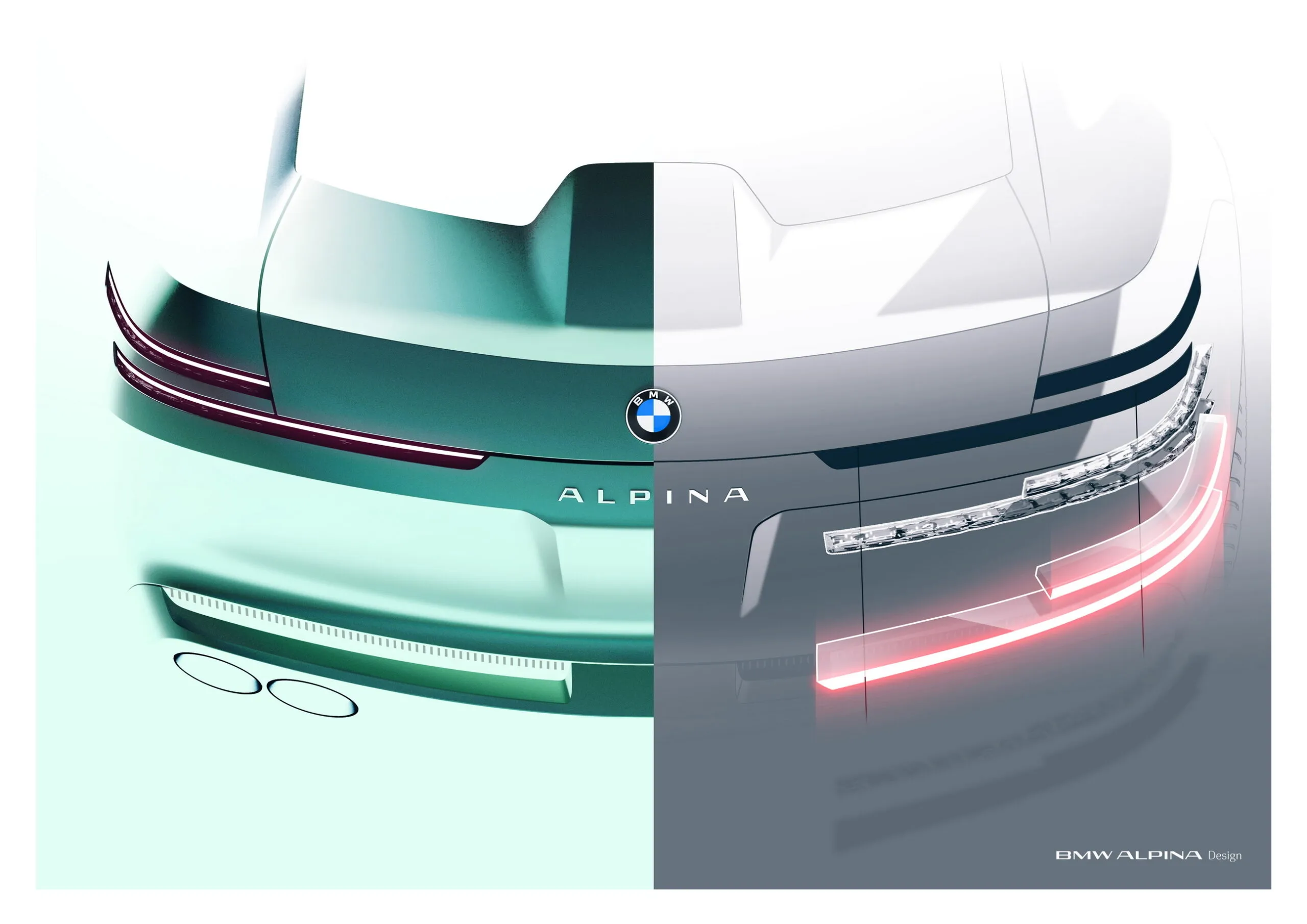
BMW designers repeatedly talk about “second read” sophistication, meaning the car avoids shouting for attention. Instead, what we see here is supposed to harken back to Alpina models of old and even incorporate queues from cars like the BMW 507. There are modernized deco lines, a shark nose, and 20-spoke wheels to complete the look. As designs go, especially for BMW, it’s understated, subtle, and dare we say, beautiful?
“Alpina has always represented a very specific idea of performance and refinement—where speed and comfort are complementary ambitions. Our role as the new custodians of this brand is to preserve this distinctiveness and shape it for a contemporary context,” says Adrian van Hooydonk, head of BMW Group Design.
“Vision BMW ALPINA shows how these qualities can be expressed with discipline and modernity, suggesting what our direction is for this brand as we move it into the future.”
Inside, Crystal And Restraint


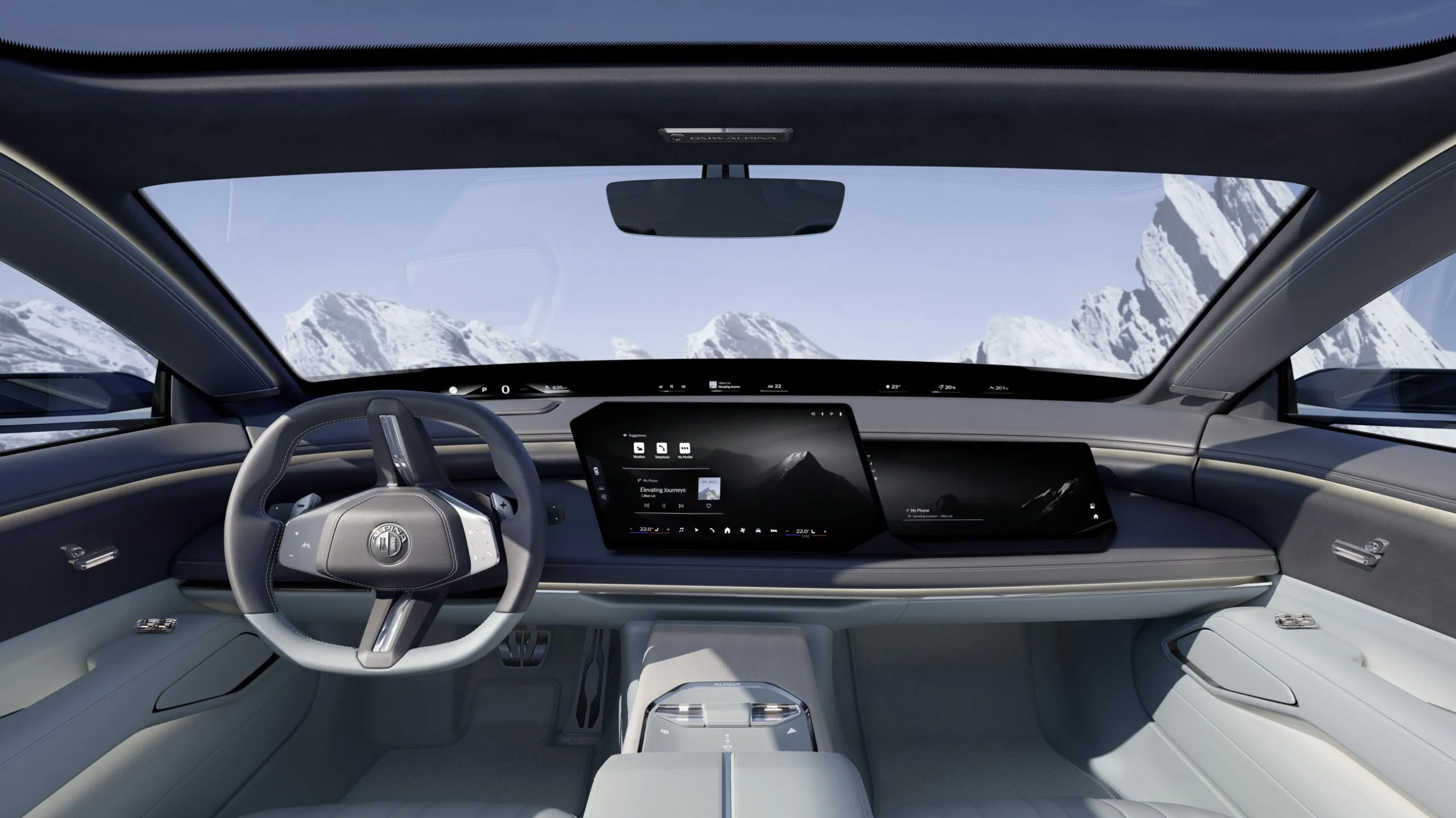
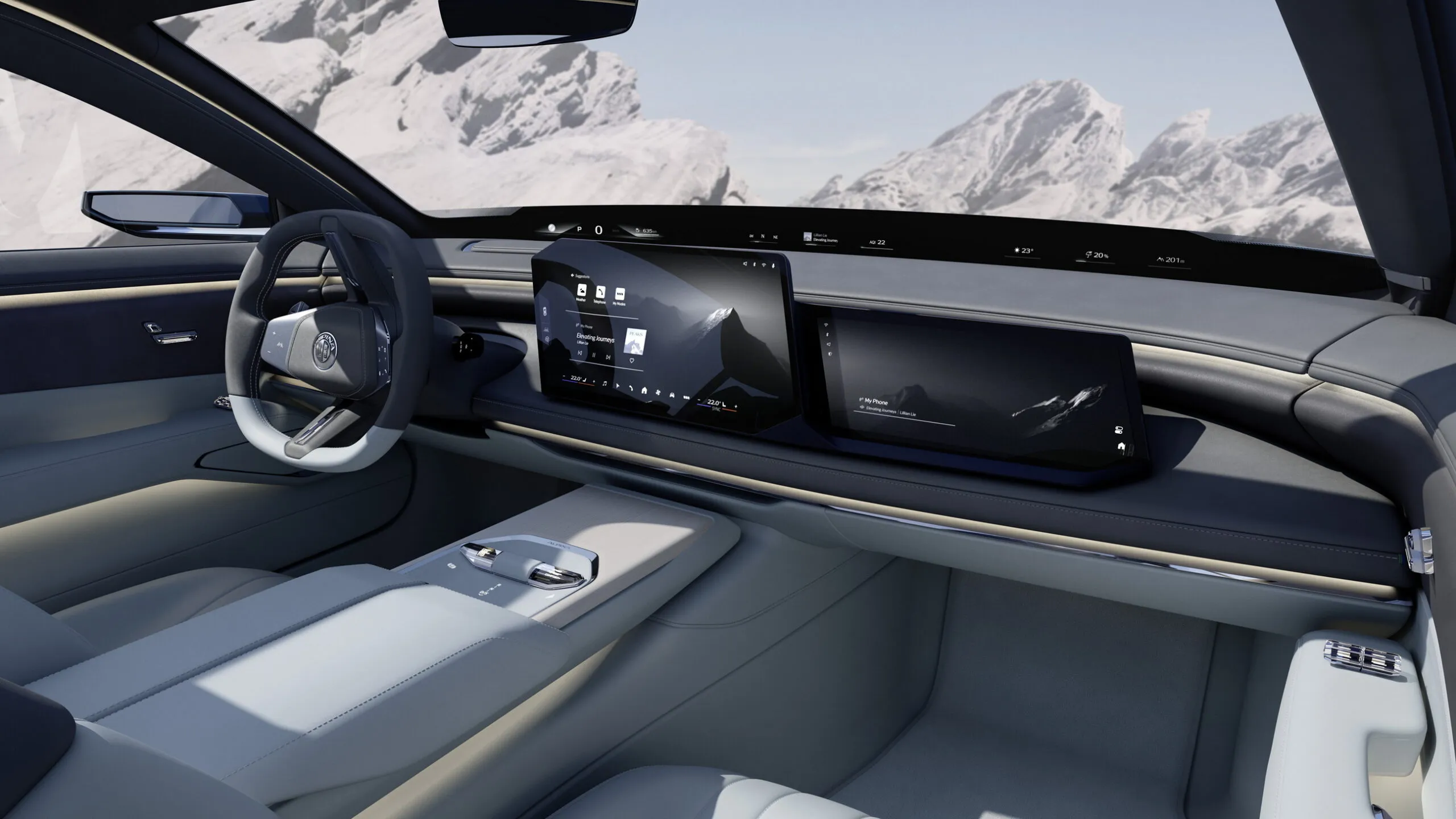
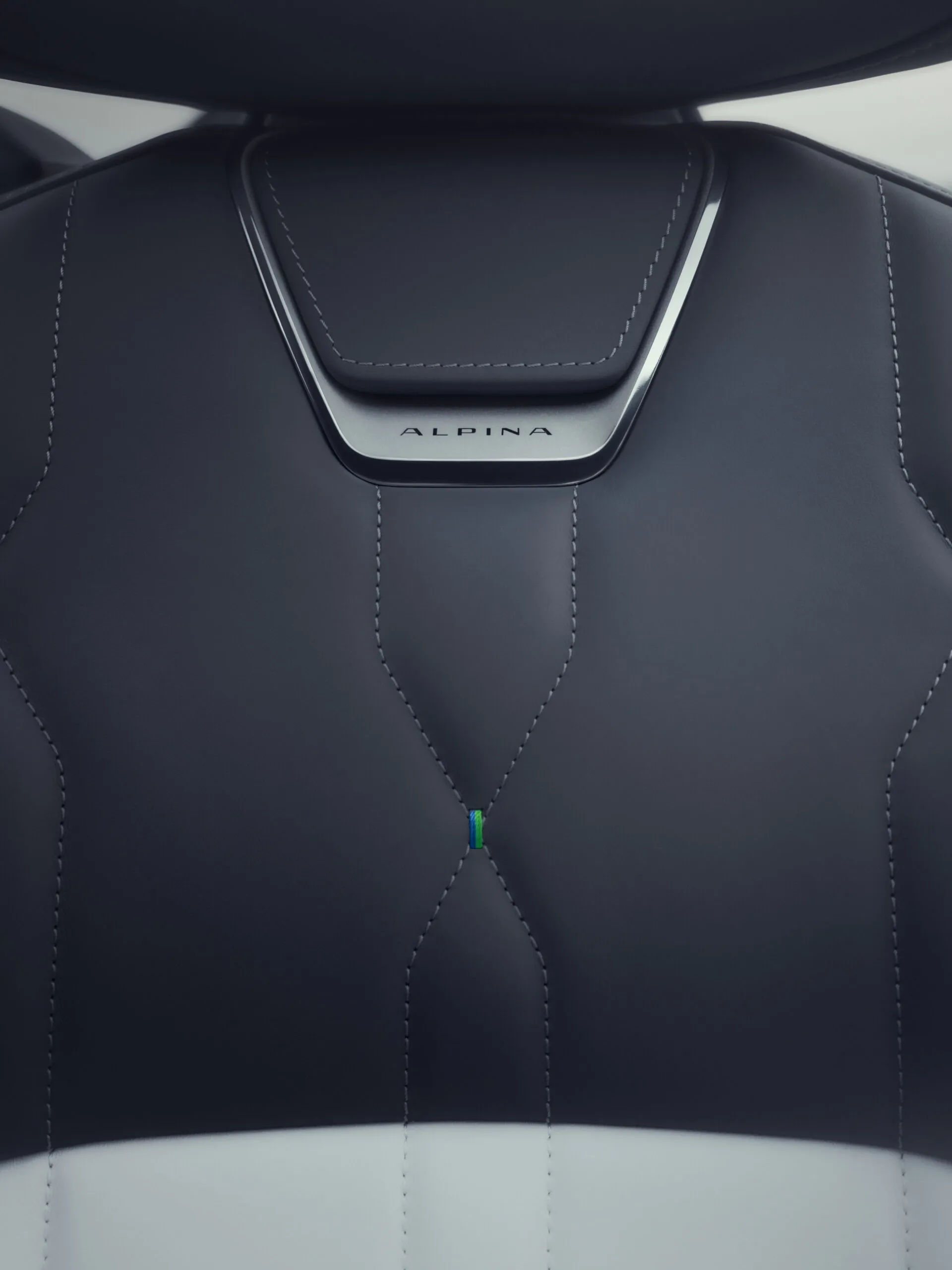
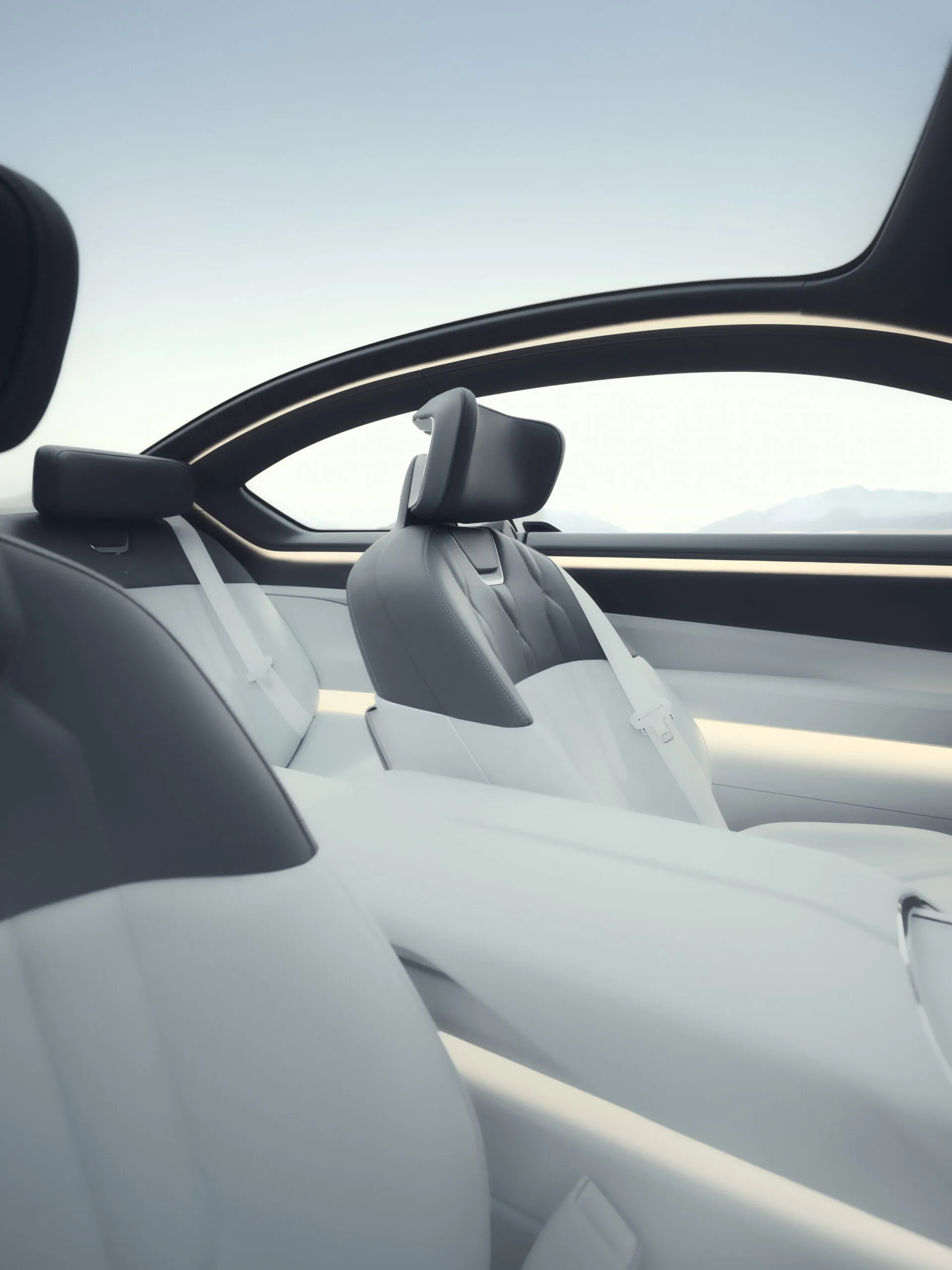
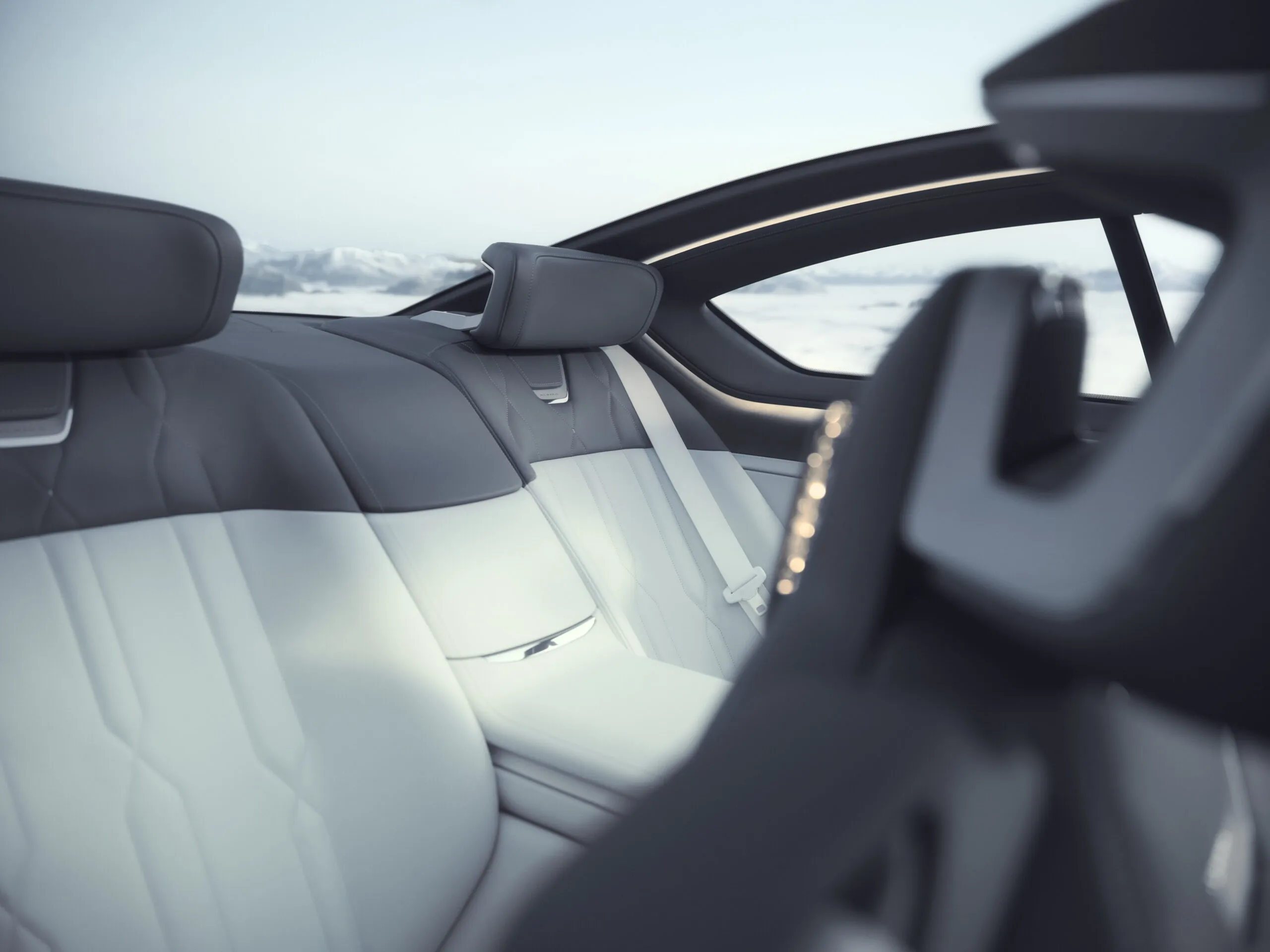
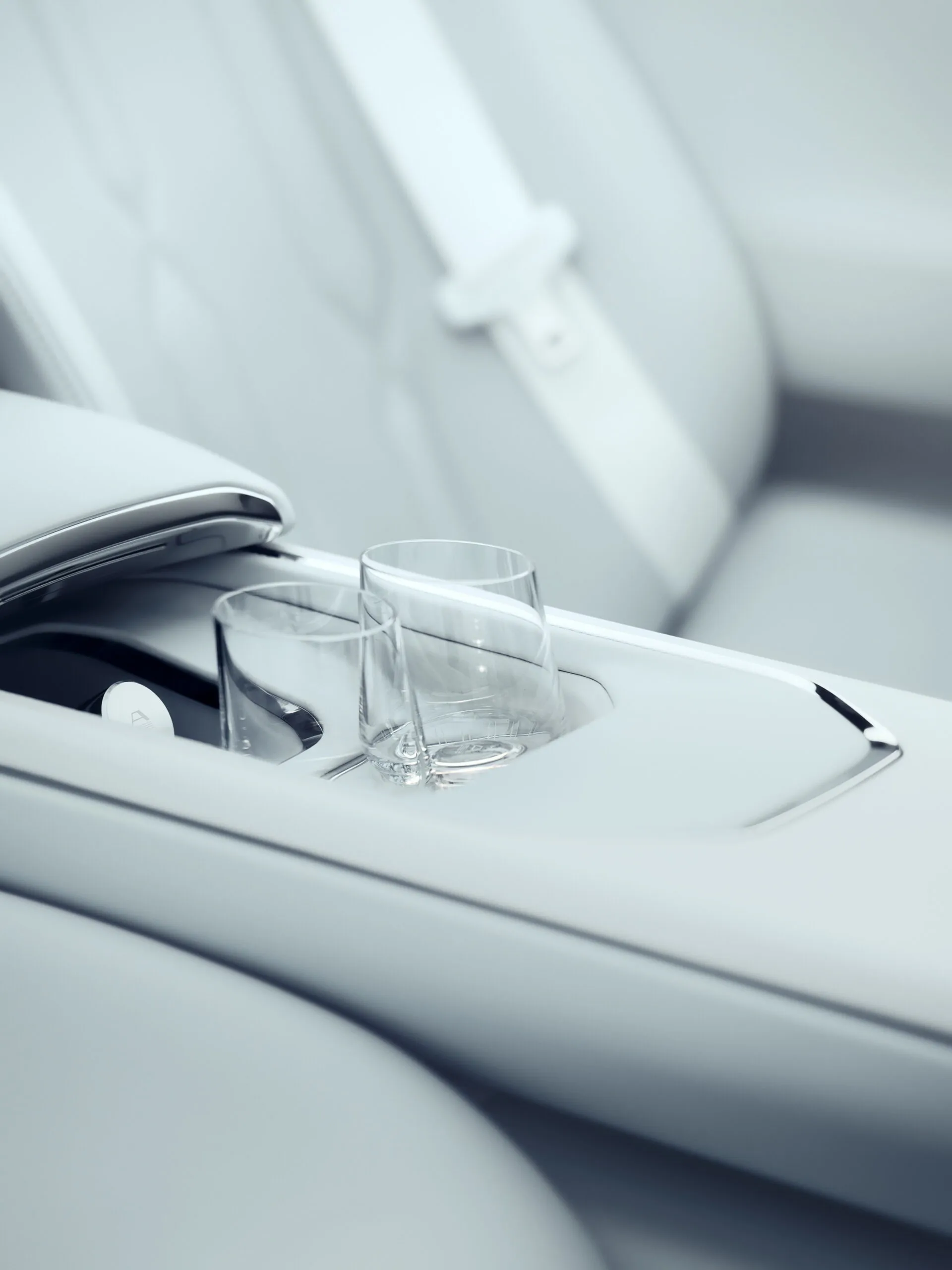
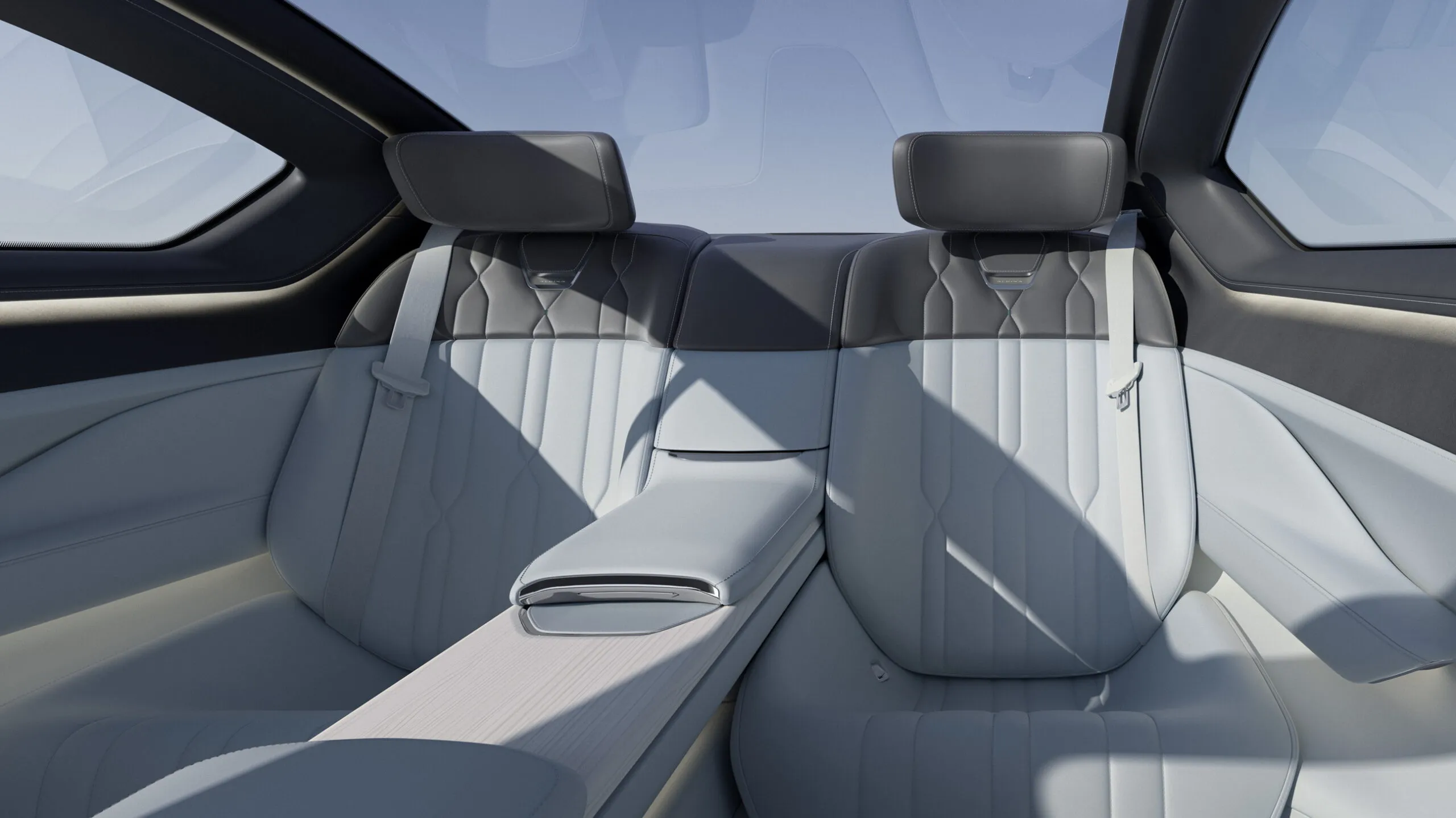
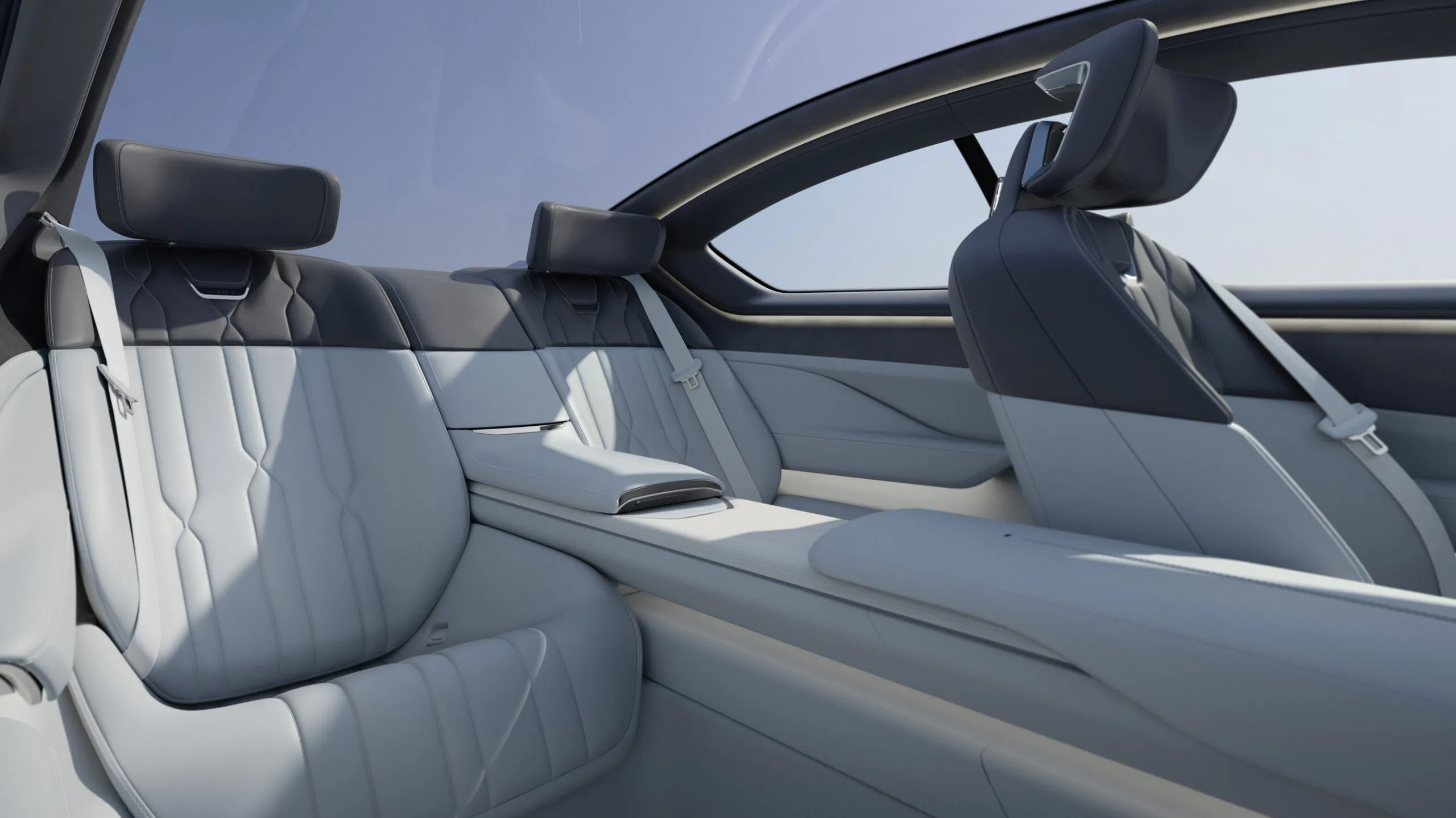
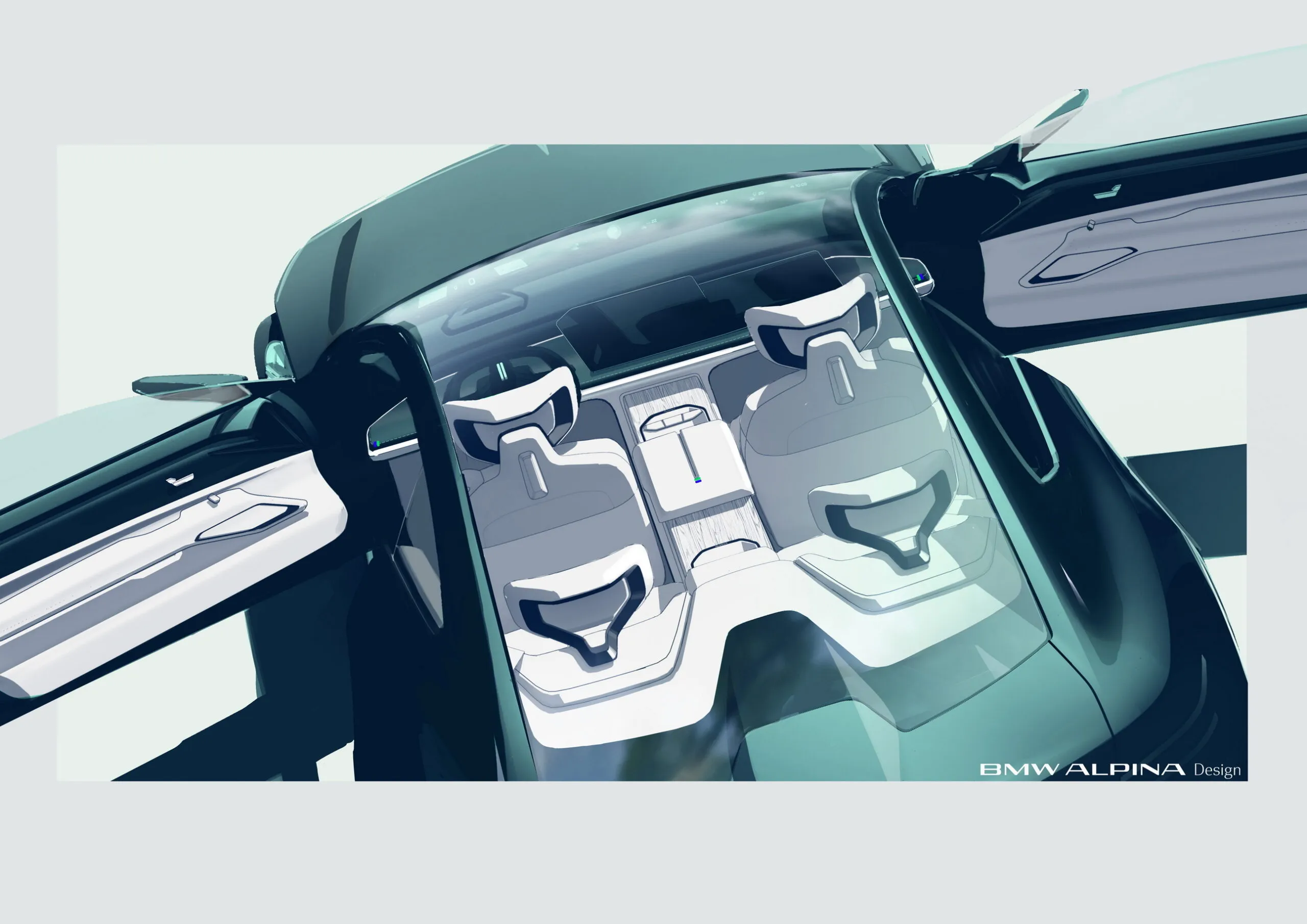
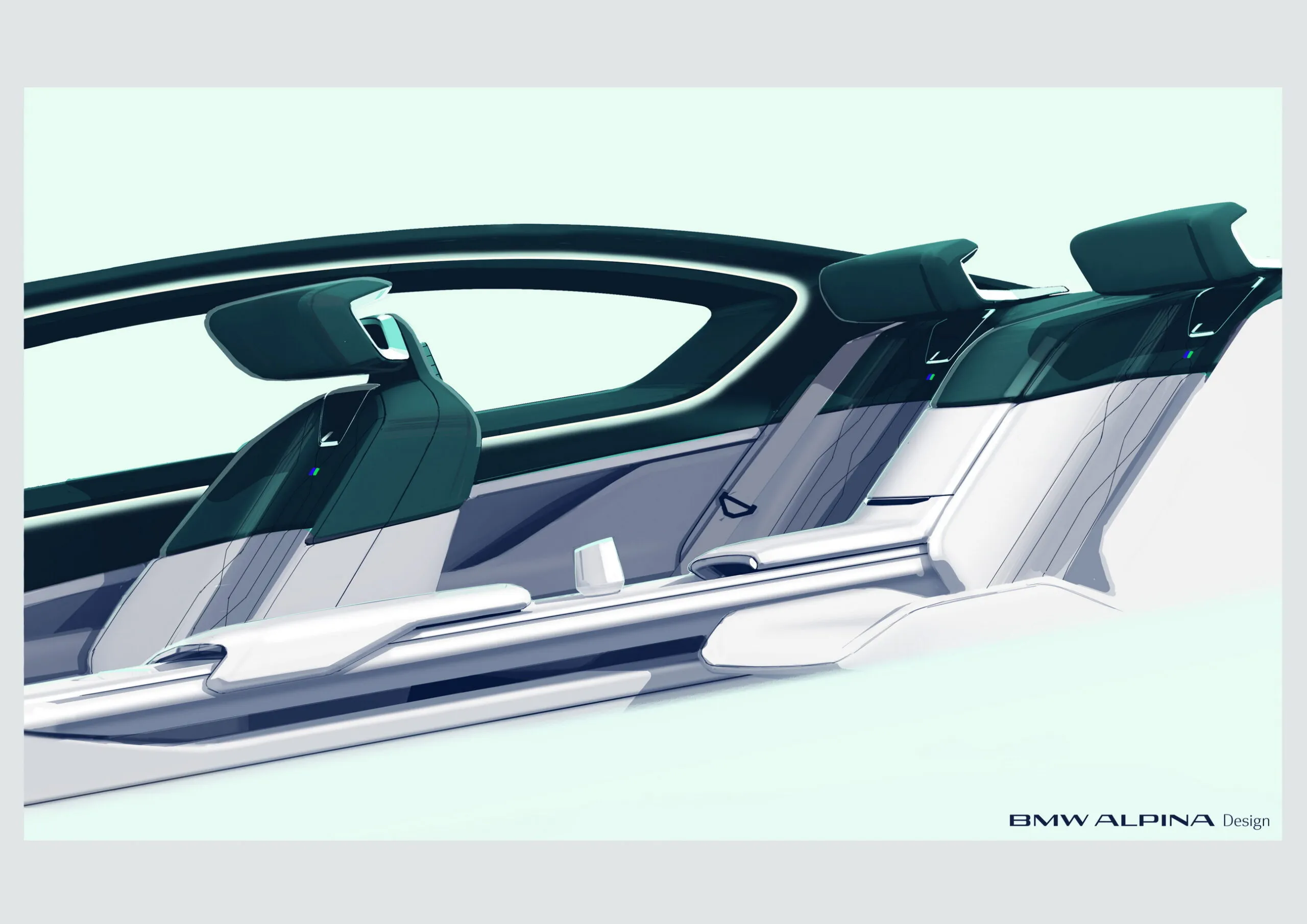
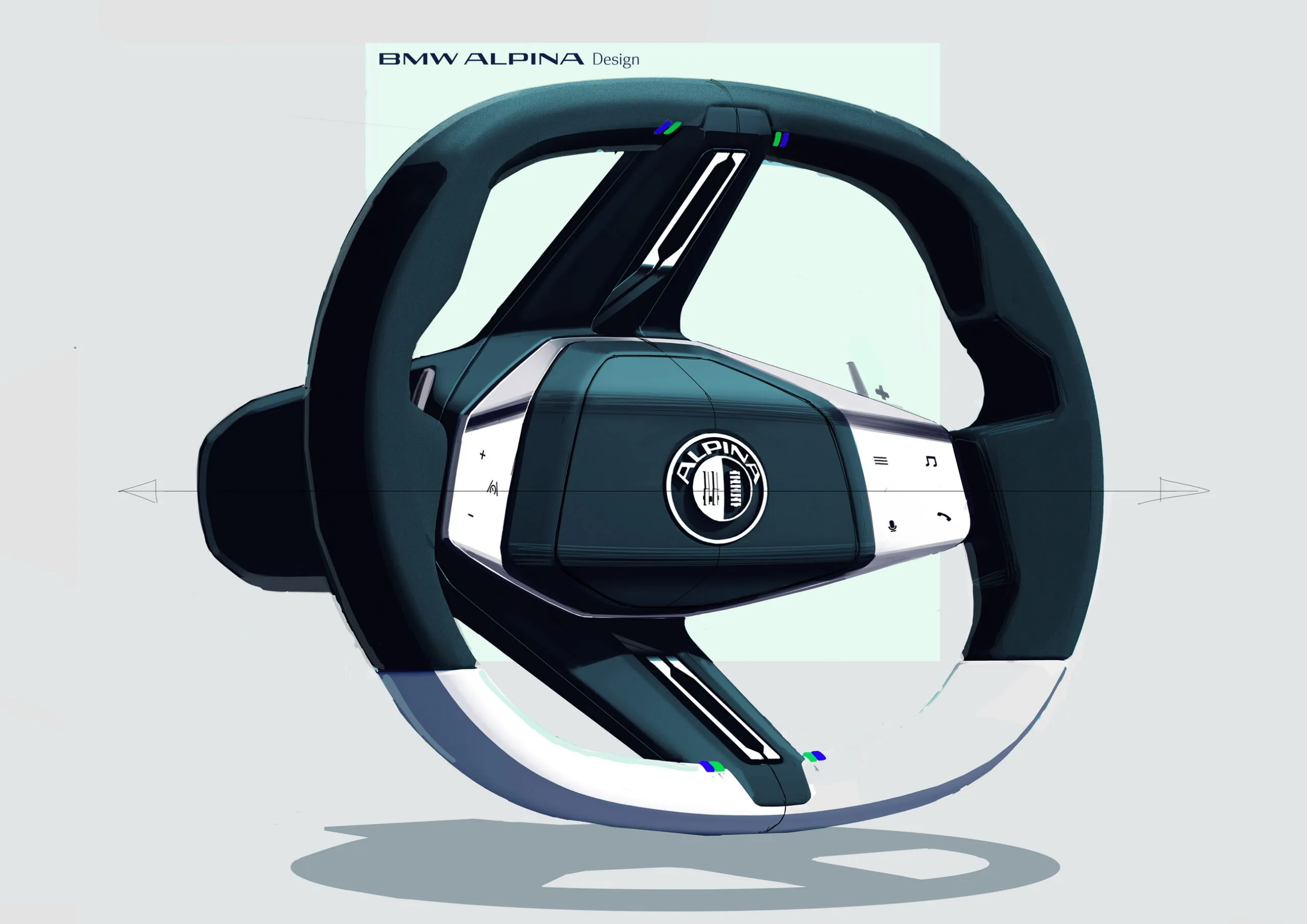
The cabin reflects the same general thesis. Sure, every control seems baked into a touchscreen of some sort, but the overall look is unquestionably clean. Some might say it is almost overly sterile. There’s crystal switchgear, Alpina-specific graphics, leather sourced from Alpine-region suppliers, and perhaps the most wonderfully unnecessary luxury feature imaginable: self-deploying crystal glasses that rise from the rear center console beside a glass water bottle.
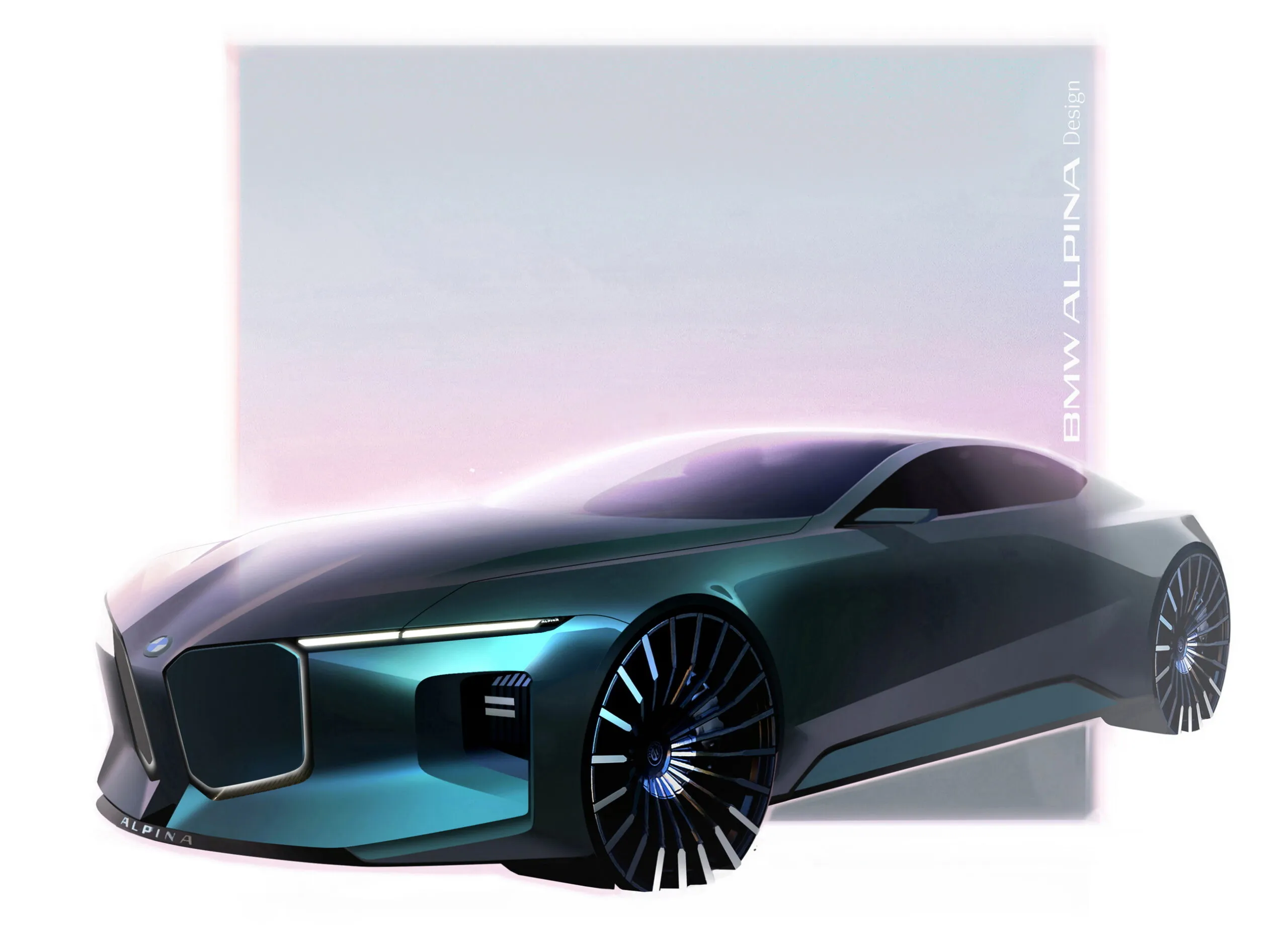
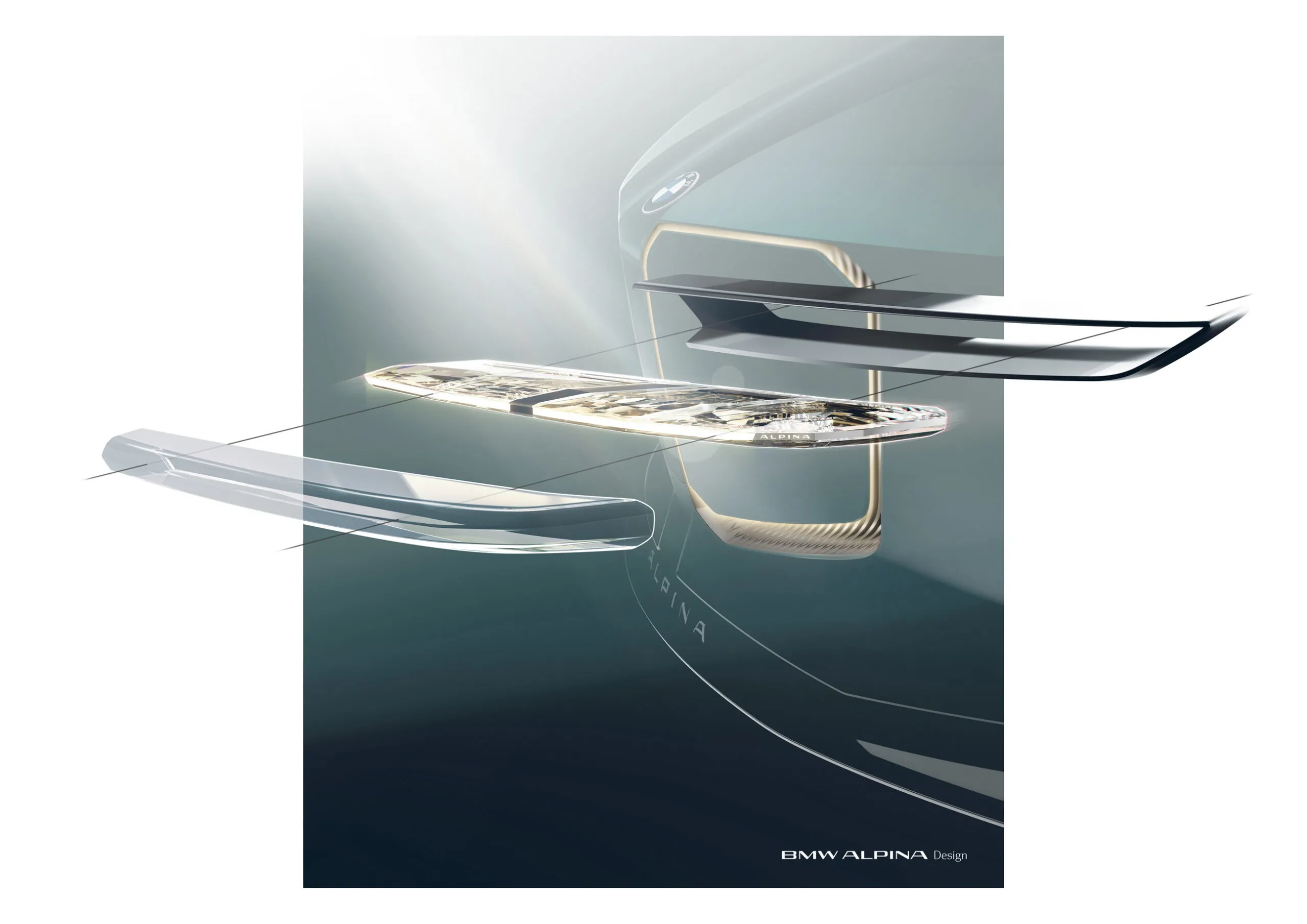
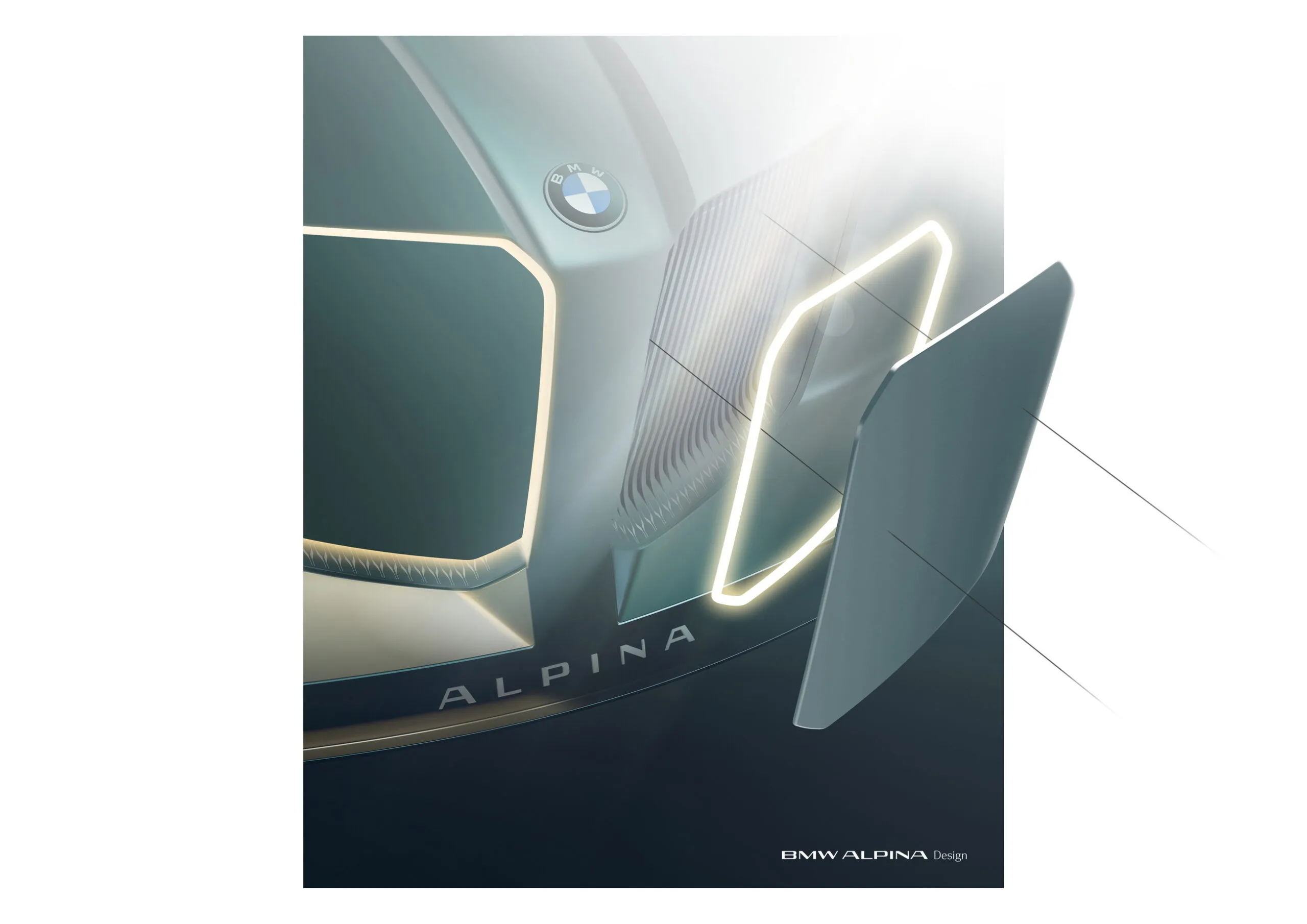
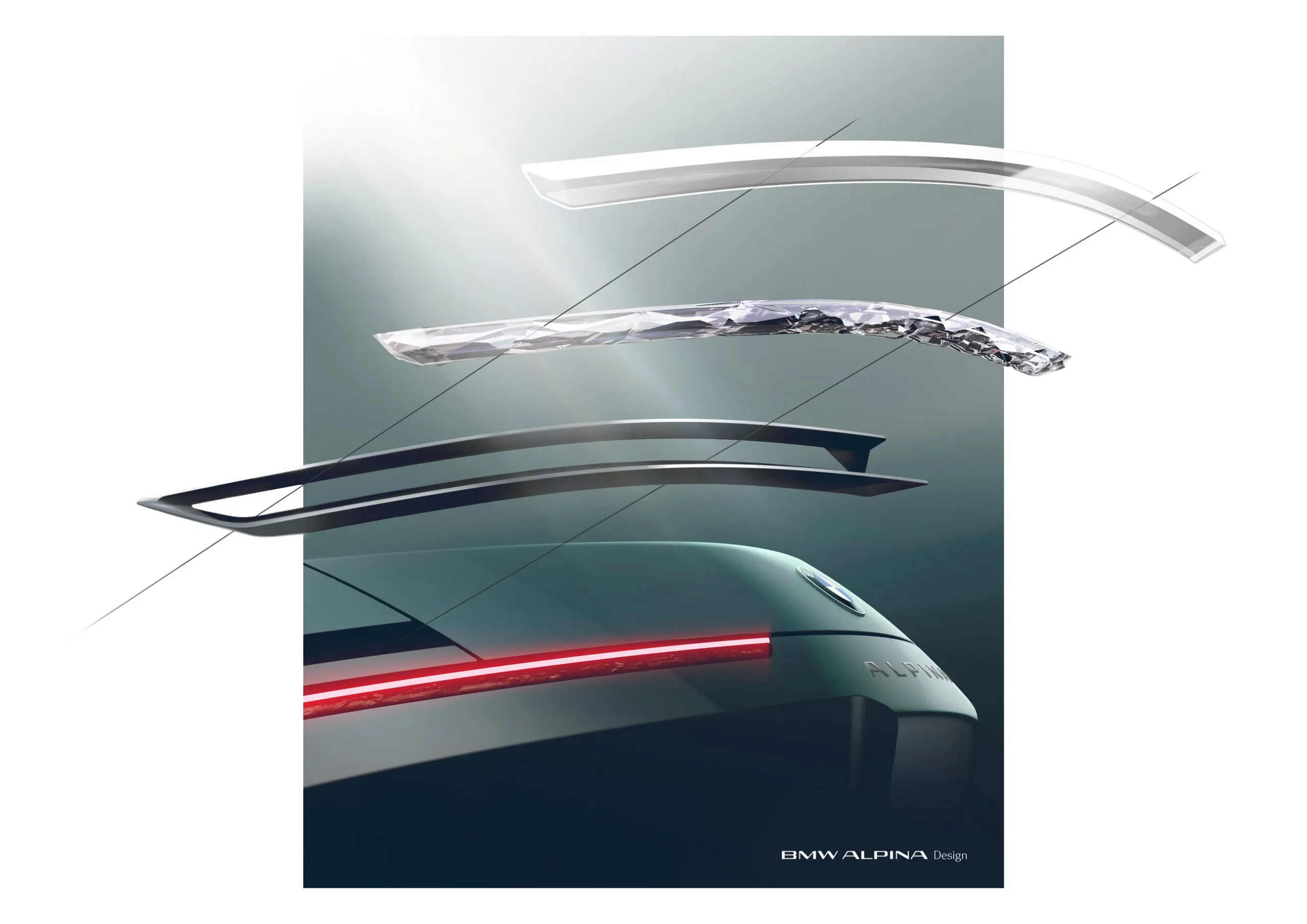
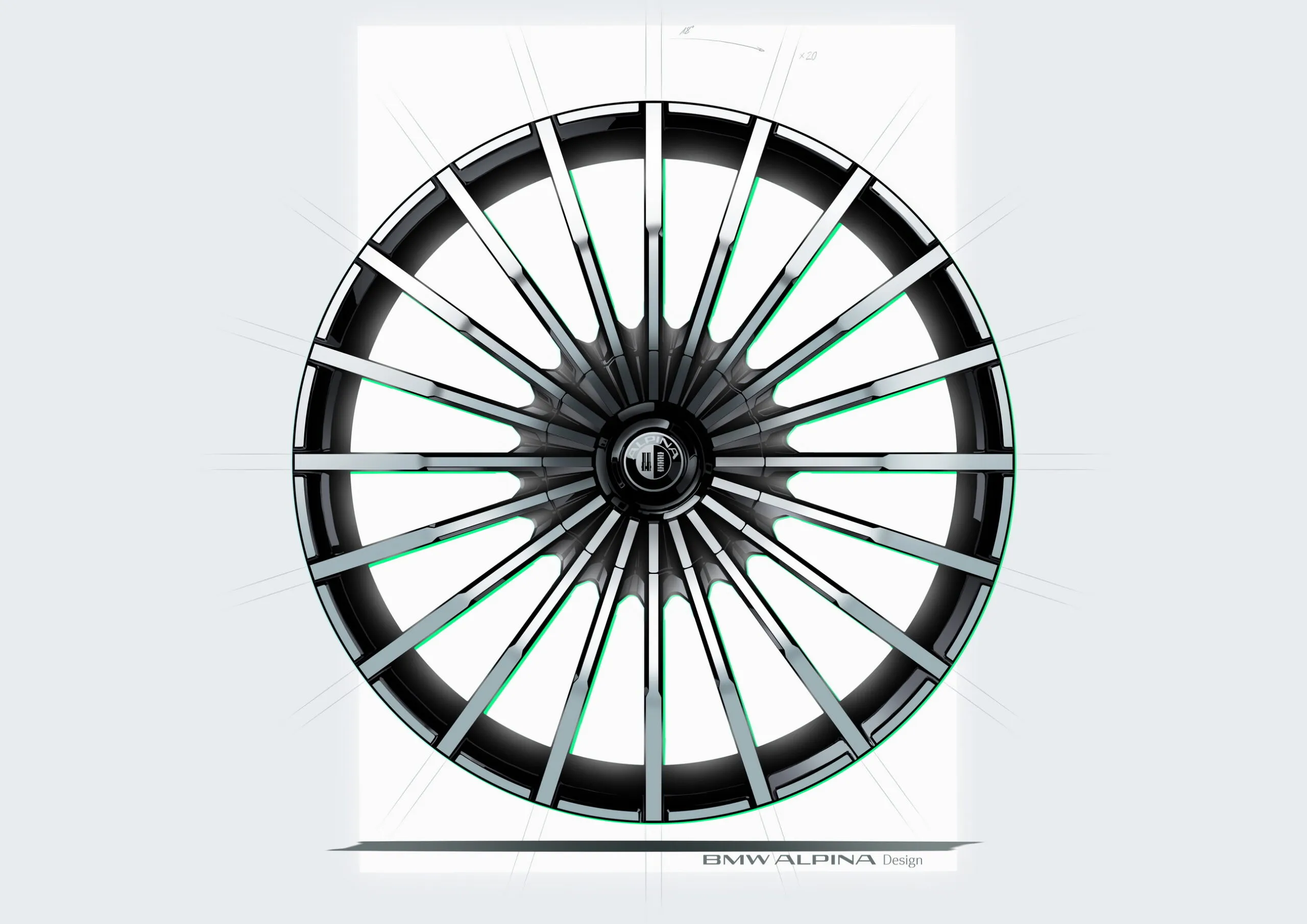
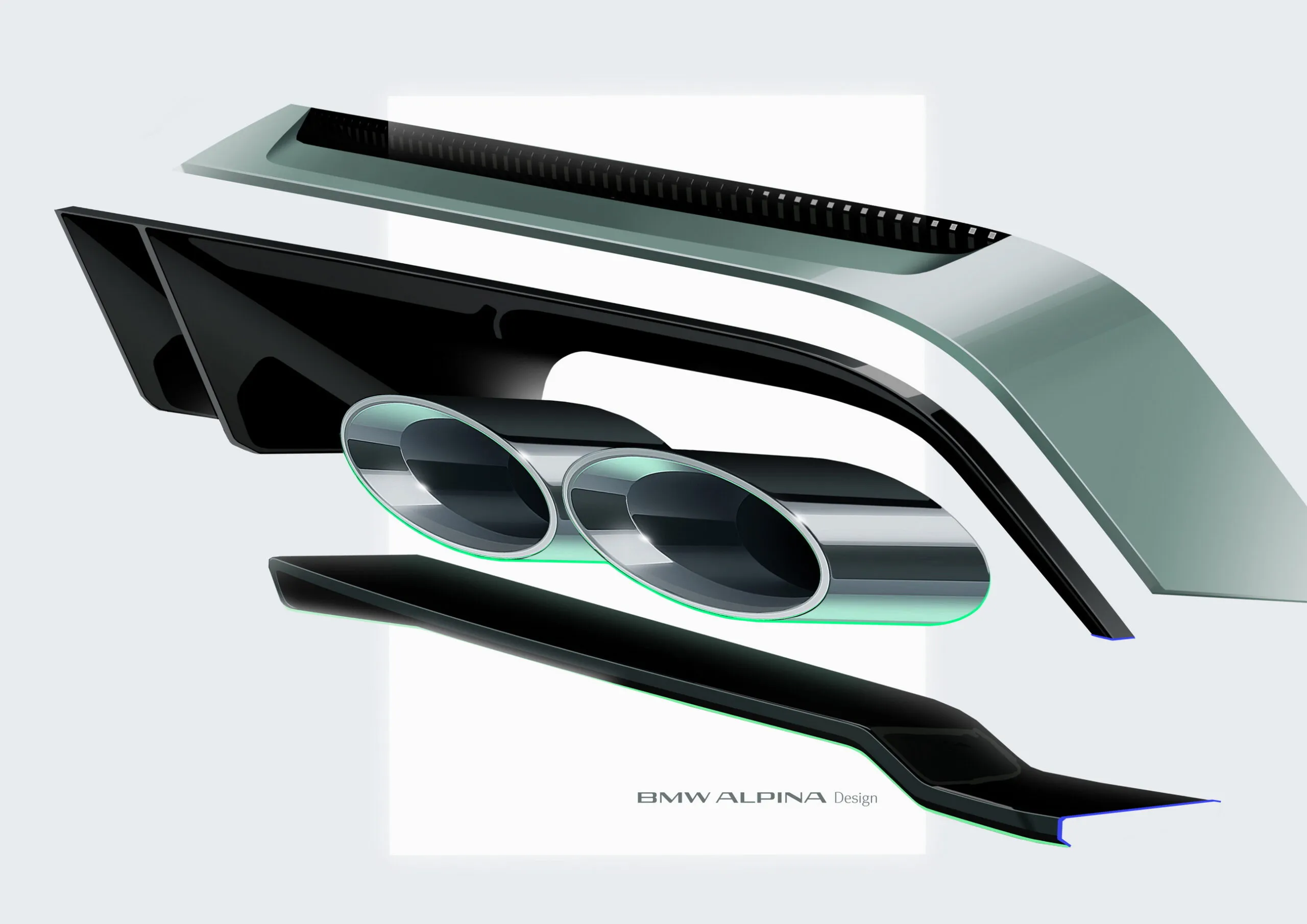




BMW says one of Burkard Bovensiepen’s guiding principles remains intact. “A comfortable driver is a faster driver.” That philosophy survives through Alpina’s signature Comfort+ mode, which remains softer and more relaxed than BMW’s traditional setup. That’s encouraging, because the fear was that BMW would make Alpina feel like everything else, and while it still could, we’re happy to grab onto positive signs where they exist.
BMW says the first production BMW Alpina arrives next year and will be based on the 7 Series. If this concept tells us anything, it’s that the German company at least appears to understand the assignment. The question now is whether it can preserve the soul of a brand that built its reputation by doing things differently while now doing it all under one roof.