


- Dealership service departments are losing share to lube shops.
- Faster price hikes at dealers believed to be driving customers away.
- Lube shops growing share despite greater number of EVs in US.
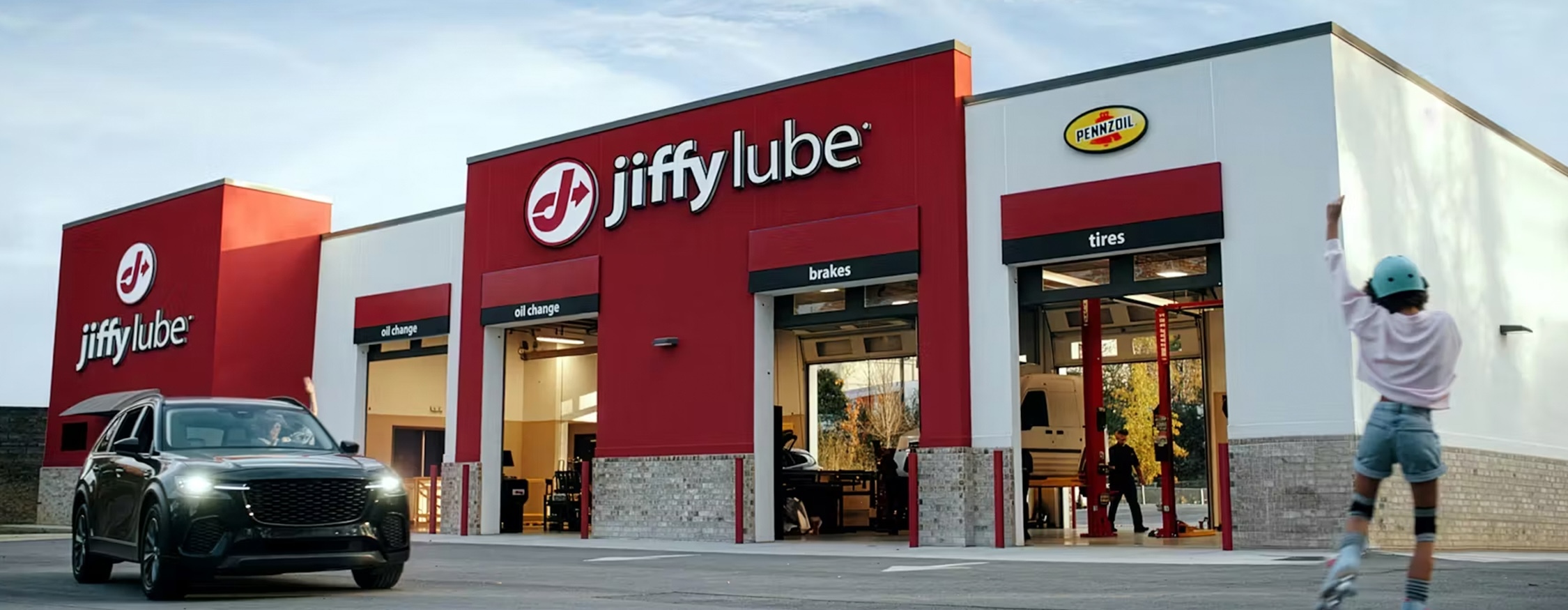
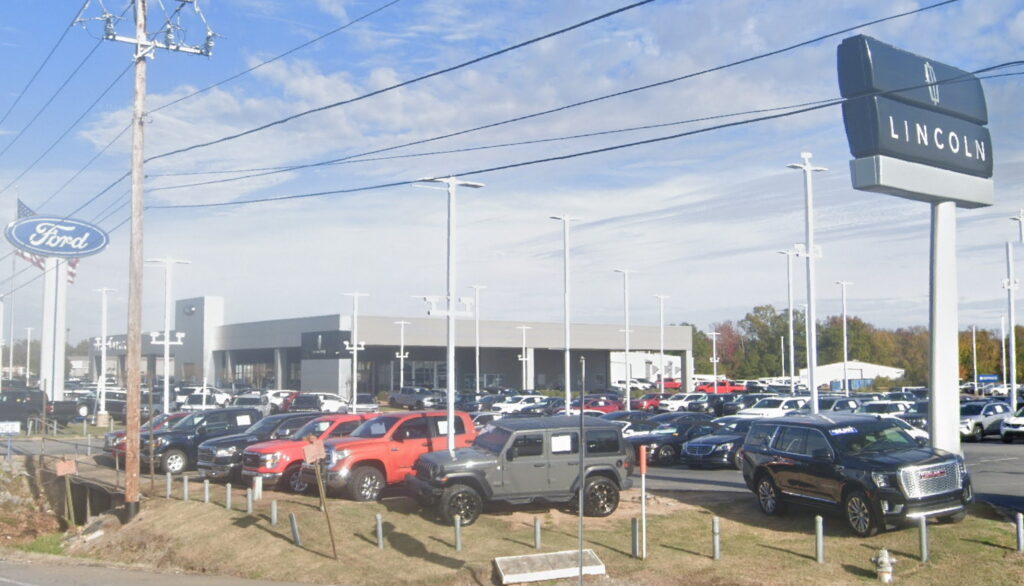
For years, dealerships counted on service bays as reliable profit centers, not to mention a way to get drivers to take a look at their newest wares. Now, more drivers are taking their cars elsewhere, and the humble oil-change chain is emerging as one of the biggest winners.
New research from Ducker Carlisle suggests dealership service departments are losing customers to quick lube operators, tire chains, and independent repair shops. The biggest reason appears to be simple enough for anyone who’s stared at a repair invoice lately: price.
More: $120 For An Oil Change? No Thanks, I’ll Do It Myself For $6,000
According to the report, service pricing at dealerships has risen faster than in competing sectors. That’s making quick lube outlets look increasingly attractive, especially for routine jobs where customers value convenience and cost over fancy espresso machines in the waiting room.
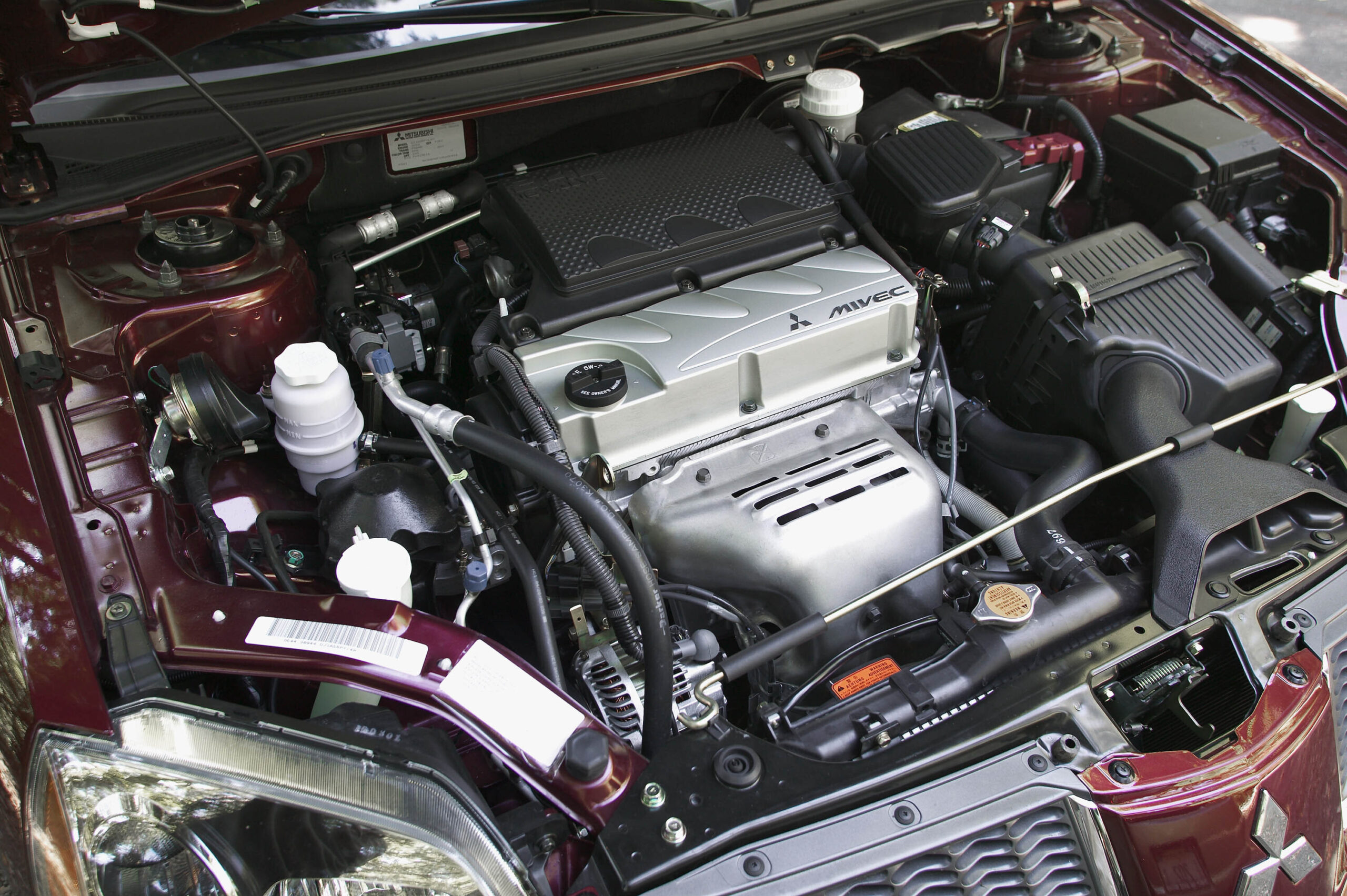
“The quick lubes are what everybody should be worried about,” Nate Chenenko of Ducker Carlisle told AutoNews. He added that dealerships earned less in 2025 than in 2024, while quick lube businesses improved their results.
The market-share picture backs that up. From January 2025 to January 2026, independent repairers, tire chains, and quick lube stores all gained ground, largely at dealers’ expense. Transaction counts were down across the industry, but dealerships saw a steeper drop than several rivals, and that’s a worry for dealers. Selling a new vehicle can bring thin margins, but regular maintenance, warranty work, and repeat visits help keep the lights on.
Free Services Aren’t Working
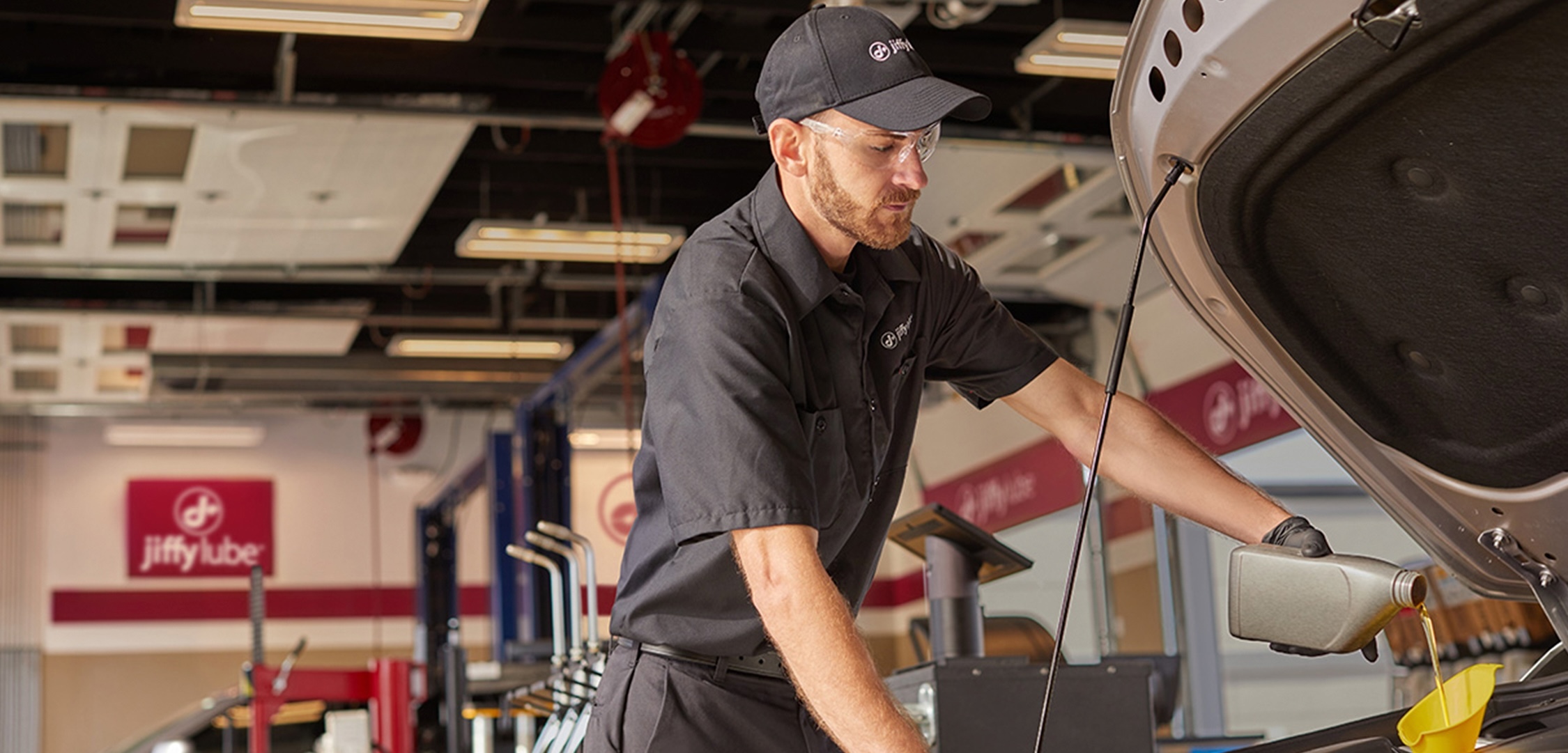
Perhaps the most surprising detail involves newer vehicles. Many automakers include complimentary maintenance for the first ownership period, meaning customers should have a built-in reason to return to the dealer.
“Almost every vehicle 0 to 2 years old has free maintenance paid for by the OEM,” Chenenko said. Even then, he noted dealers appear to be struggling to hold onto those owners. That’s not a great sign.
For dealerships, the pricing lesson may be uncomfortable but obvious. But lube shop owners should probably not get too smug. Ten or 15 years from now, when EVs are much more common, and fewer drivers need oil changes, they might be the ones struggling to hold onto customers, while tire shops and official automaker dealers fare better.