


- Negative equity balances have surged since the pandemic.
- Some buyers owe thousands more than vehicles are worth.
- Rolling debt forward can trap owners for years financially.
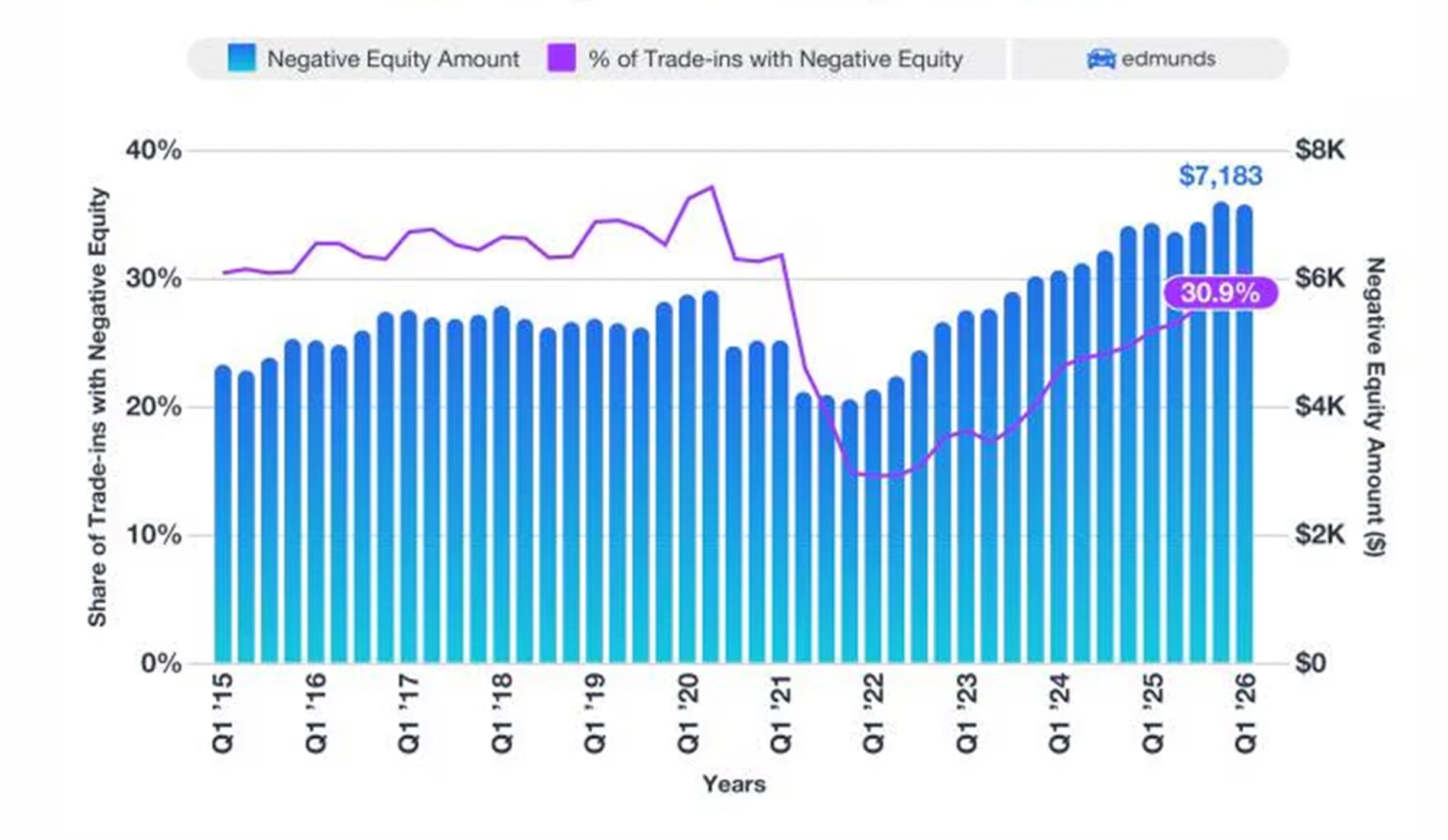
The pandemic car bubble, and stories of people paying wildly over MSRP, may be gone, but the bills are still arriving. Across the US, more drivers trading in vehicles now owe more on their loans than those cars are worth, creating a debt spiral that’s getting harder to escape.
According to figures cited by Edmunds, around 31 percent of borrowers who traded in a vehicle during the first quarter had negative equity. On average, they were upside down by roughly $7,200, a sharp increase from five years ago.
Related: Some Drivers Are Rolling $15K In Debt Into Their Next Car Without Realizing
That means many shoppers aren’t starting fresh when they buy another car. They’re dragging old debt into a new loan, then paying interest on both the replacement vehicle and yesterday’s mistake. It’s the financial version of loading your trunk with bricks and paving slabs before a road trip and then wondering why your gas mileage is so bad.
The roots of the problem go back to 2020 and 2021, when semiconductor shortages strangled new-car supply. Dealer lots emptied, prices jumped, and desperate buyers paid premiums for vehicles that looked normal at the time but now depreciate like anything else. Now those inflated pandemic purchases are coming back as trade-ins.
$40k Underwater

The result can be ugly. One Ohio dealer told The Wall Street Journal a customer wanted to swap a Ford F-150 Lightning for a Mercedes-Benz GLE Coupe while owing about $87,000 on a truck worth around $47,000 today.
“This is a battle that we’re fighting every day,” dealer Doug Horner said.
To keep monthly payments manageable, more buyers are stretching loans longer than ever. New-car finance terms averaging around 70 months are now common, accounting for almost one in four purchases, and some deals run far beyond that. A lower monthly figure may feel helpful today, but it slows equity growth and leaves owners exposed when values fall.
Mortgage-Like Car Payments
For borrowers already underwater, the consequences can snowball quickly. Edmunds says buyers carrying negative equity financed nearly $56,000 on average for new vehicles this year, with monthly payments around $932. That’s mortgage-adjacent money for something that spends most of its time sitting on your driveway or in your employer’s parking lot not being used.
There’s also risk if life gets messy. Studies have shown borrowers who roll debt from one vehicle into the next are significantly more likely to face repossession later. Meanwhile, delinquency rates on auto loans have climbed to their highest levels since 2010.
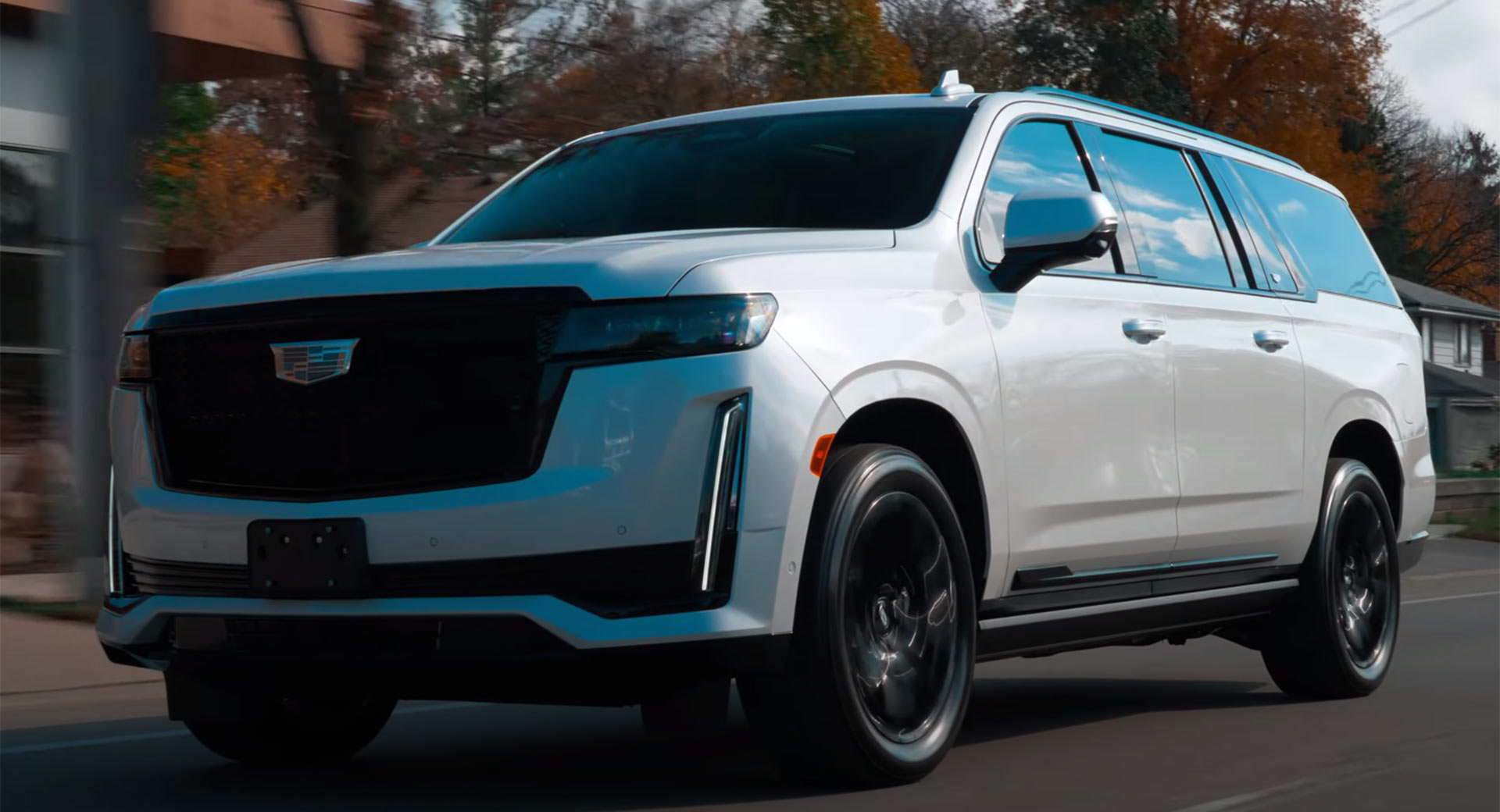
Not everyone is struggling, or opted to buy a badly depreciating model like the Cadillac Escalade ESV, which shed over 60 percent of its value in five years. Many owners still have positive trade equity. But for a growing slice of America, the pandemic car craze has become a very long hangover.