

A Motorcyclist Did 130 MPH To Escape The CHP, He Forgot To Look Up
CHP used a fixed-wing aircraft to track a speeding motorcyclist before making a safe arrest without a dangerous chase
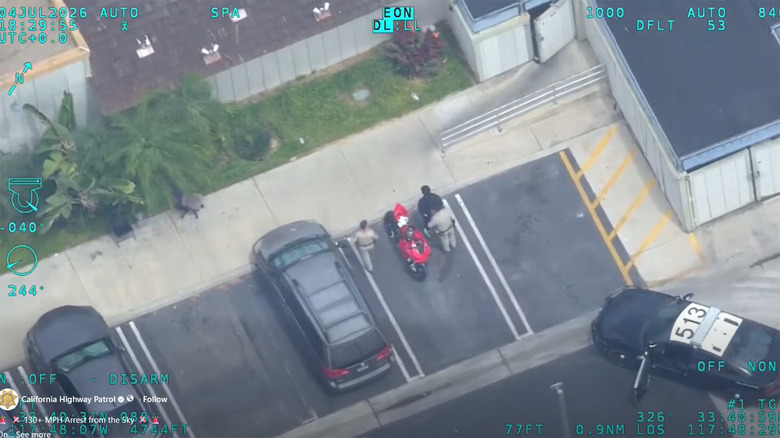
- CHP aircraft tracked a motorcycle after it exceeded 120 mph on patrol.
- Officers waited until the rider stopped, avoiding a dangerous pursuit.
- Motorcycle was seized for 30 days, marking the area's 38th seizure this year.
On the Fourth of July, a California Highway Patrol officer spotted a motorcyclist traveling well above 120 mph. Many agencies would have immediately initiated a high-speed chase, potentially escalating an already dangerous situation. Instead, CHP relied on one of its most effective and expensive assets paired with one of its cheapest to bring the incident to a peaceful conclusion. Maybe this is a lesson for departments across the USA.
According to the agency, a fixed-wing aircraft tracked the motorcycle from above while officers on the ground maintained communication via radios. Rather than pressuring the rider into going even faster or weaving through traffic to escape, police simply watched from the sky until the motorcycle eventually came to a stop. That's when officers moved in and made the arrest.
Read: Florida Teen Just Found Out What Happens When You Aim A Laser At A Helicopter
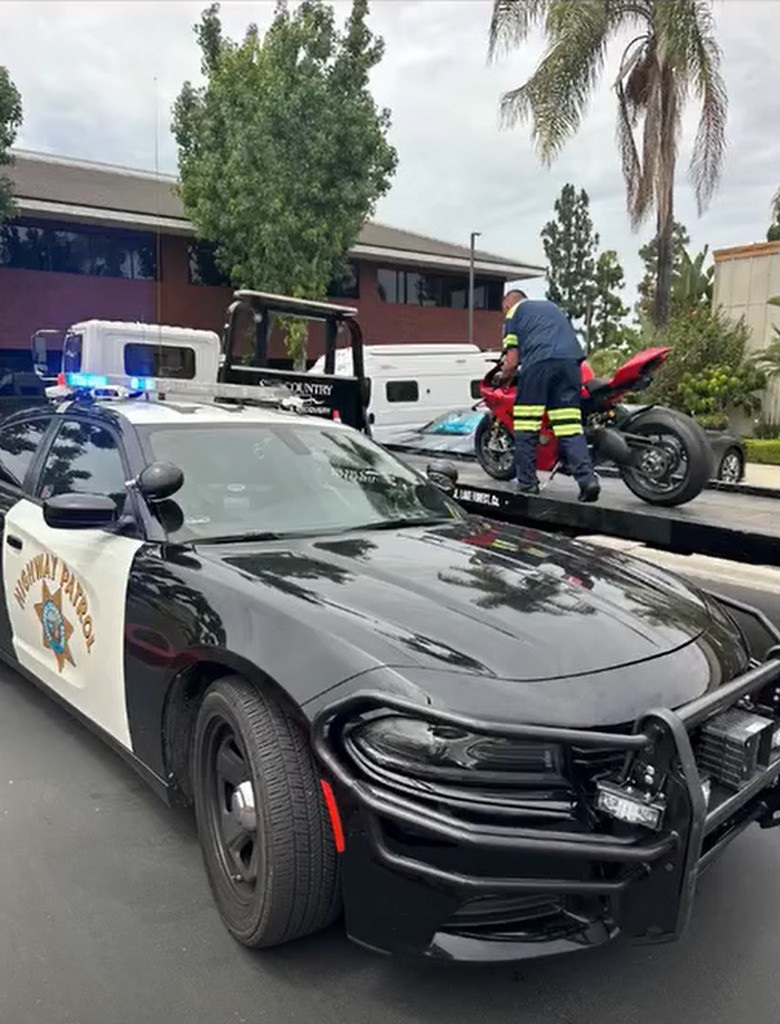
The rider was allegedly traveling at more than 130 mph during the incident. CHP says the motorcycle was later seized for 30 days under a judge-signed court order. The Capistrano Area office also noted this was its 38th vehicle seizure of the year involving reckless driving, speed contests, or drivers attempting to evade law enforcement. The strategy here is tough to argue against.
Why It Worked
Chasing a motorcycle at triple-digit speeds dramatically raises the stakes for everyone nearby. Riders are already vulnerable compared to occupants of passenger vehicles, and once a pursuit begins, both the suspect and pursuing officers face increasing pressure to make split-second decisions at very high speeds.
By using an aircraft to maintain visual contact, CHP largely removed that pressure. The rider was never forced into an even riskier attempt to outrun patrol cars because there weren't any immediately behind him. Instead, officers simply waited until the opportunity presented itself to make an arrest under controlled conditions.
Not every agency has the budget for aircraft, of course. Air support is expensive, but this incident highlights what that investment can buy: the ability to catch a suspect without immediately escalating the risk to everyone else on the road.