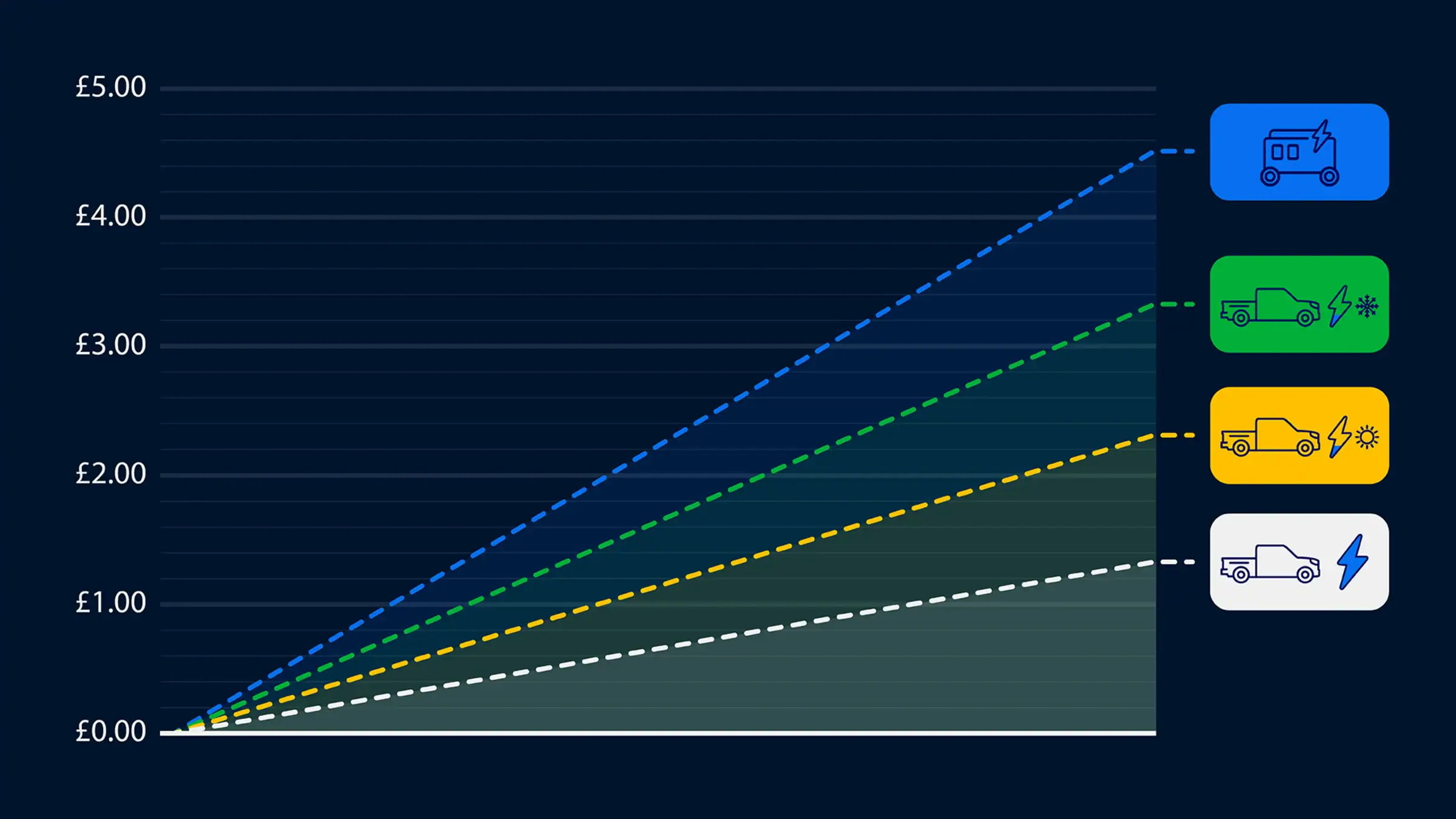











- Ford tested the Ranger PHEV against a common portable gas generator.
- The pickup truck emitted far fewer pollutants during power generation.
- Fuel use reportedly dropped to about a third once the truck warmed up.
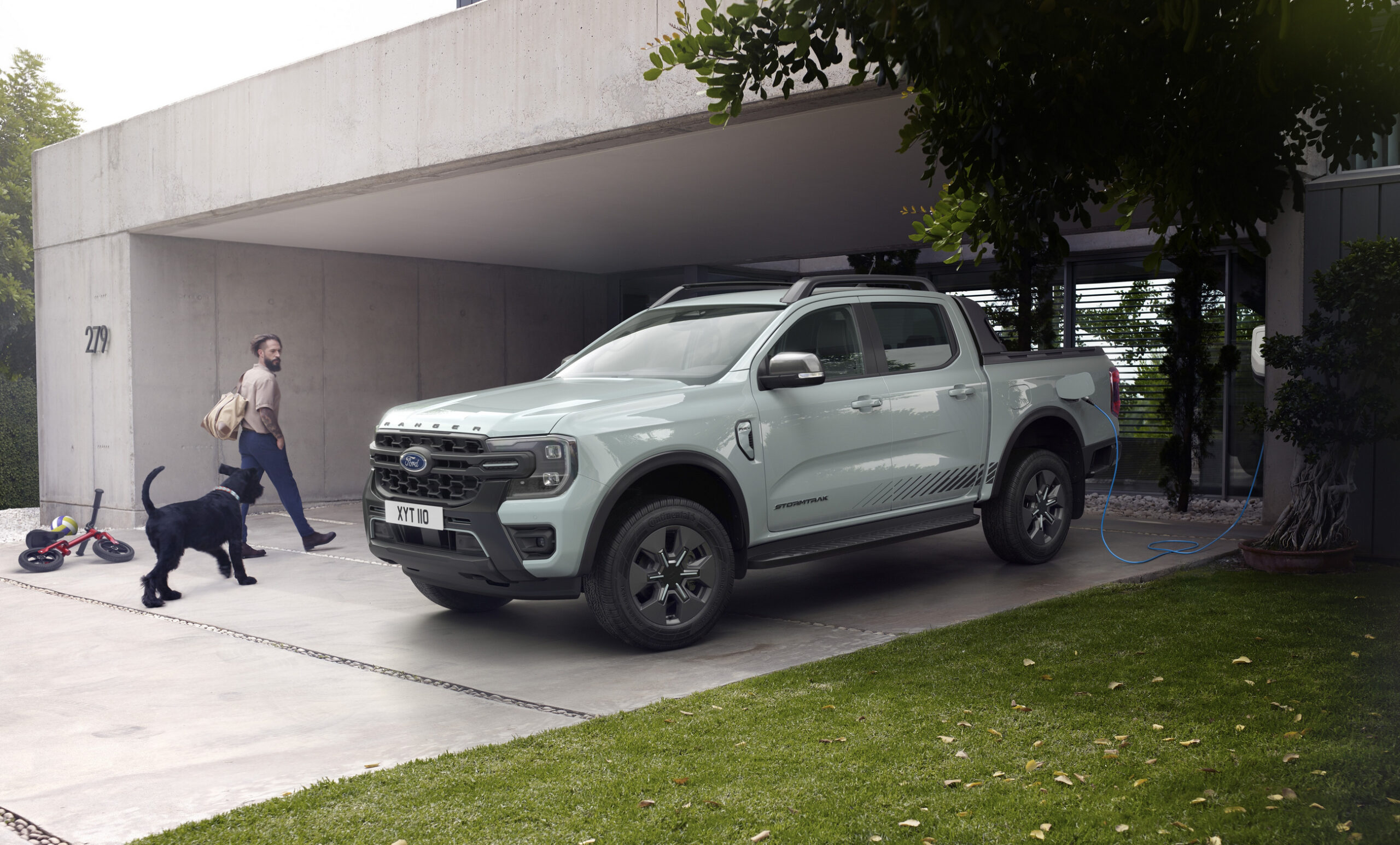
Ford is making a big claim about its new Ranger Plug-In Hybrid. For many buyers, it can replace an entire piece of equipment they’ve been hauling around for years. According to the automaker, customers who rely on portable generators for work sites, events, or remote jobs may no longer need one at all thanks to the Ranger PHEV’s available Pro Power Onboard system. If Ford’s testing is accurate, the pickup does more than just replace a generator. It improves on it in nearly every meaningful category.
One catch for North American readers, though. The Ranger PHEV is sold in Europe, the UK, and Australia, and Ford has no current plans to bring it to the States.
How Ford Ran the Numbers
The company recently conducted a series of tests at its engineering center in Dunton, England, comparing a typical 4 kW (5.3 hp) portable gasoline generator against the Ranger PHEV’s 6.9 kW (9.2 hp) Pro Power Onboard setup. Ford says it chose a range of common use cases, including charging power tool batteries, running heaters, boiling a kettle, and maintaining higher electrical loads over longer periods.
More: 2027 Ram 1500 Gets Fancier And Can Act As A Portable Generator
The comparison focused on emissions and fuel consumption. That’s key because most folks don’t realize how much pollution the average generator creates while being relatively inefficient. According to Ford, the generator in its test produced dramatically higher levels of nitrogen oxides, carbon monoxide, and hydrocarbons than the Ranger PHEV while generating similar amounts of electricity.



Ford
In some scenarios, nitrogen oxide emissions were reportedly more than 9,000 times higher from the generator, while carbon monoxide output exceeded the truck’s by more than 1,200 times. Those figures are key because while generators don’t have to comply with automotive emissions controls, cars, trucks, and SUVs certainly do. That’s where things like the Ranger’s catalytic converters, fuel management, and emissions technology make a big impact.
Fuel Consumption Tells a Similar Story
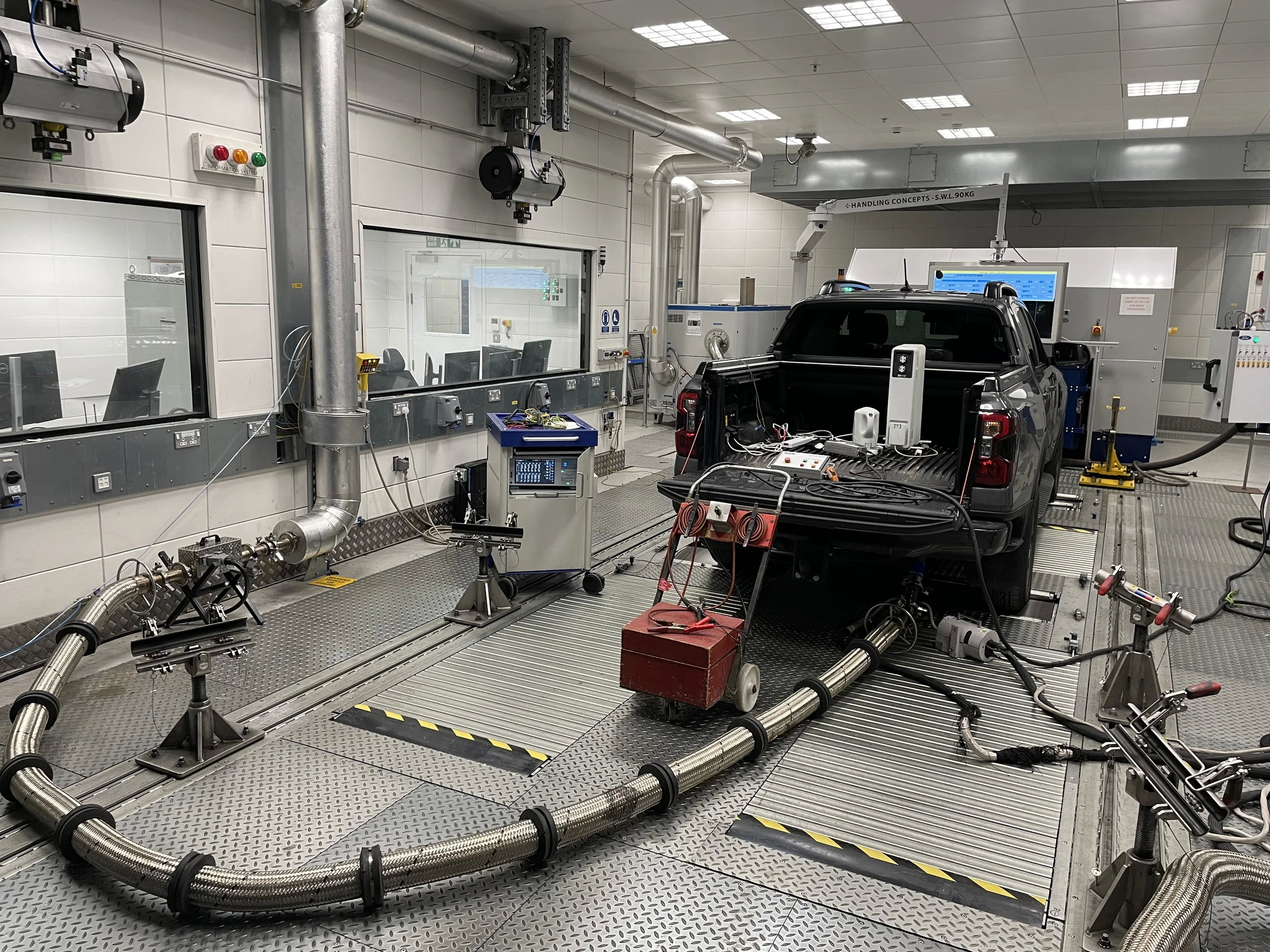
Fuel consumption may be even more important to customers. Ford tested the Ranger PHEV under several operating conditions, including with a full battery, an empty battery and cold engine, and an empty battery with a warmed-up engine. In every case, Ford says the pickup consumed less fuel than the standalone generator while supplying 4 kW of power. Once the truck was fully warmed up and using the battery as a buffer, fuel consumption reportedly dropped to roughly one-third that of the generator.
Ford’s Data Still Needs A Second Opinion
Naturally, Ford has every reason to highlight the advantages of its latest electrified pickup, and independent testing would be needed to validate the findings. Still, if real-world results come close to matching Ford’s data, the Ranger PHEV’s biggest innovation may not be its plug-in hybrid drivetrain at all. It could be the fact that it lets some owners leave another gas-guzzling machine behind entirely.