










- Chinese analysts expect cars from there to go on sale in the US despite tariffs.
- Ford expects Chinese automakers could reach America within five to 10 years.
- Tariffs and technology rules block direct entry, but affordability could change the politics.
Yale Zhang is the managing director at the consultancy Automotive Foresight in Shanghai. He’s well-versed in the Chinese auto industry, and he knows all about the tariffs that keep its cars out of the USA. Despite them, he believes that Americans will force politicians to let Chinese cars into the USA sooner rather than later. Mexicans and Canadians with access to more affordable Chinese EVs could help sway them, too.
“[US carmakers] would face complaints from consumers who are supposed to enjoy affordable smart EVs [made by Chinese companies],” Zhang told the South China Morning Post. Mexico already has access to Chinese cars and benefits from the lower prices they can come with. Canada is also now opening up the way to sell Chinese cars after the start of a trade war with the USA.
More: Chinese Cars Got Cheap, So Toyota’s Are Getting More Expensive
Washington has made it abundantly clear that it sees Chinese vehicles as both an economic and a national-security concern. Chinese-built EVs face a 100 percent tariff, and connected-car rules make direct entry still harder. A Chinese badge on an American dealer lot is not exactly around the corner.
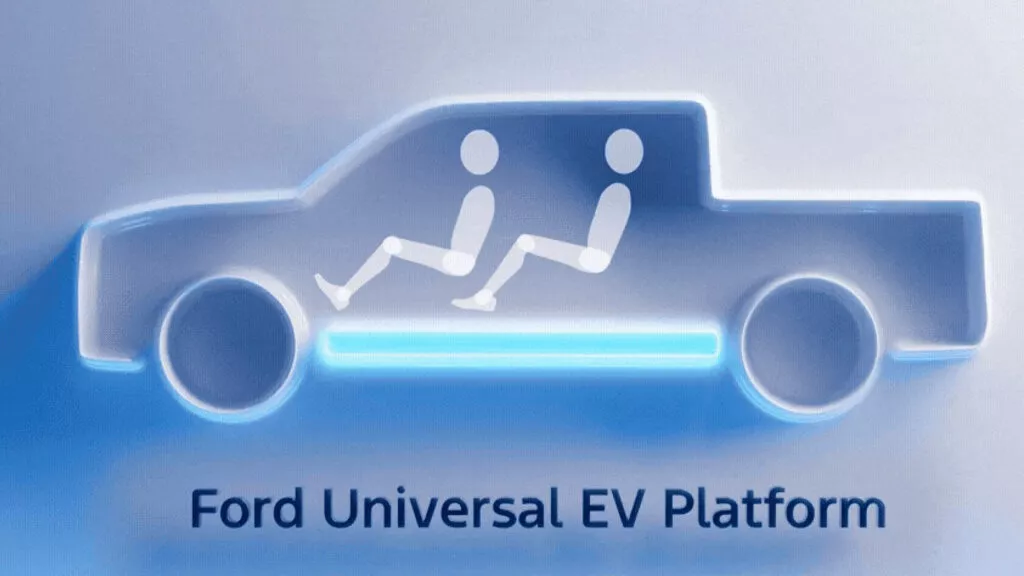
Plenty of new cars are wildly expensive, and affordable EVs remain even harder to find. Ford CEO Jim Farley recently told employees that Chinese automakers could enter the U.S. within five to 10 years. Ford is trying to get ahead of that with its own affordable EV program, but Farley has been more candid than most about the ground Detroit needs to make up.

Canada’s decision to permit up to 49,000 Chinese-made EVs each year and Mexico’s growing appetite for Chinese brands will give American buyers plenty of nearby examples. That does not mean the U.S. will suddenly throw open the gates. It may never happen through simple imports, either. Local assembly, familiar brand names, partnerships, and Chinese-built technology could all be part of the route in.
For now, tariffs can buy domestic automakers time, but they can’t build a compelling $25,000 EV. If the Big Three can’t figure out how to do that fast enough, consumers might get impatient and unwilling to wait any longer.