


- A Wichita resident argues the city’s Flock cameras enable warrantless surveillance.
- The lawsuit could give other cities a blueprint to challenge ALPR networks.
- Federal estimate suggests license-plate readers may err more often than many realize.
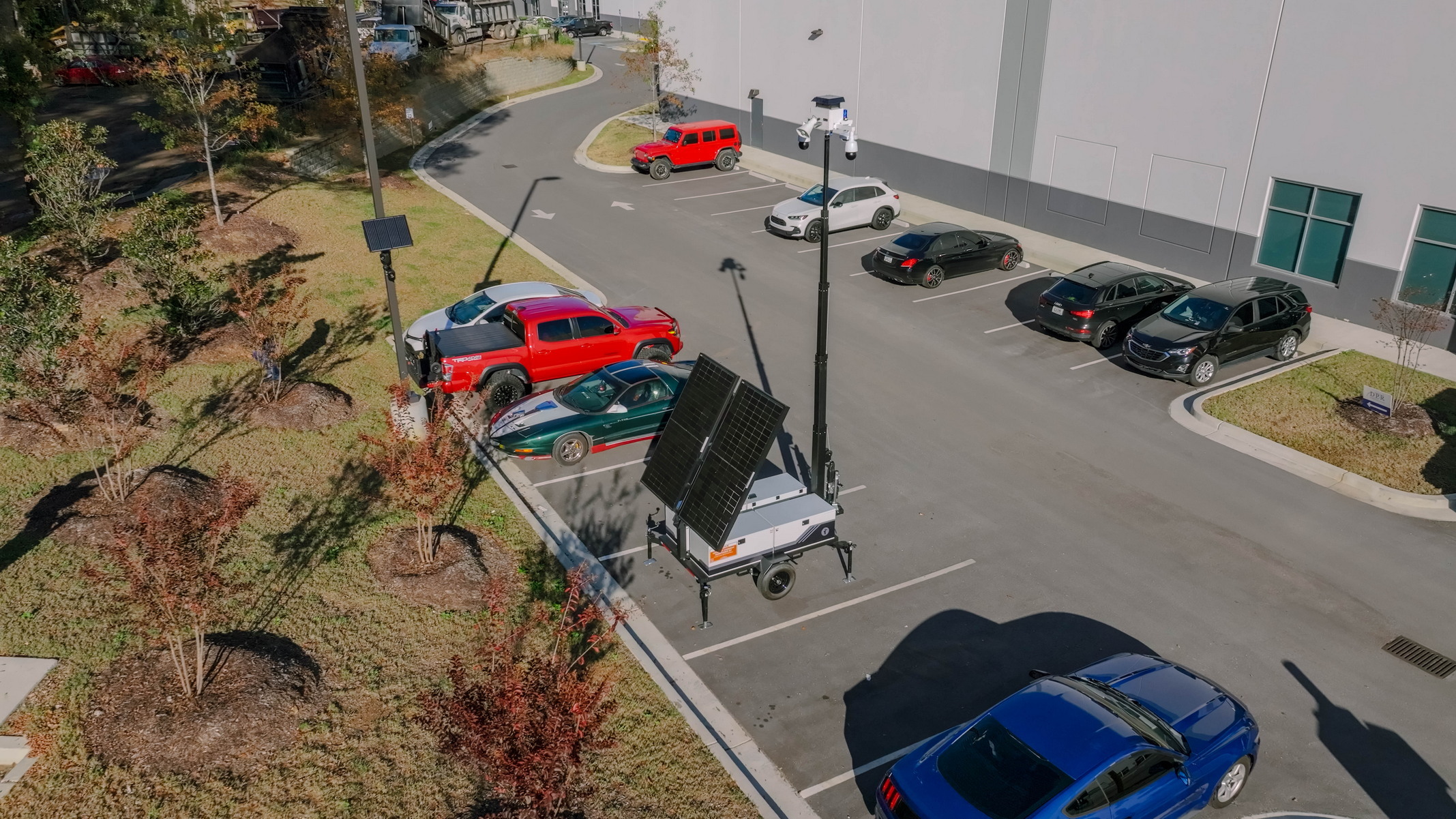
Automated license-plate readers do more than alert police when a stolen vehicle passes by. They create searchable records showing where ordinary people drove, when they were there, and sometimes who they were traveling with. One Wichita resident says that amounts to unconstitutional surveillance, and he wants a Kansas court to shut down the city’s entire camera network.
Read: How Las Vegas Installed A Massive Flock Camera Network Without Asking You
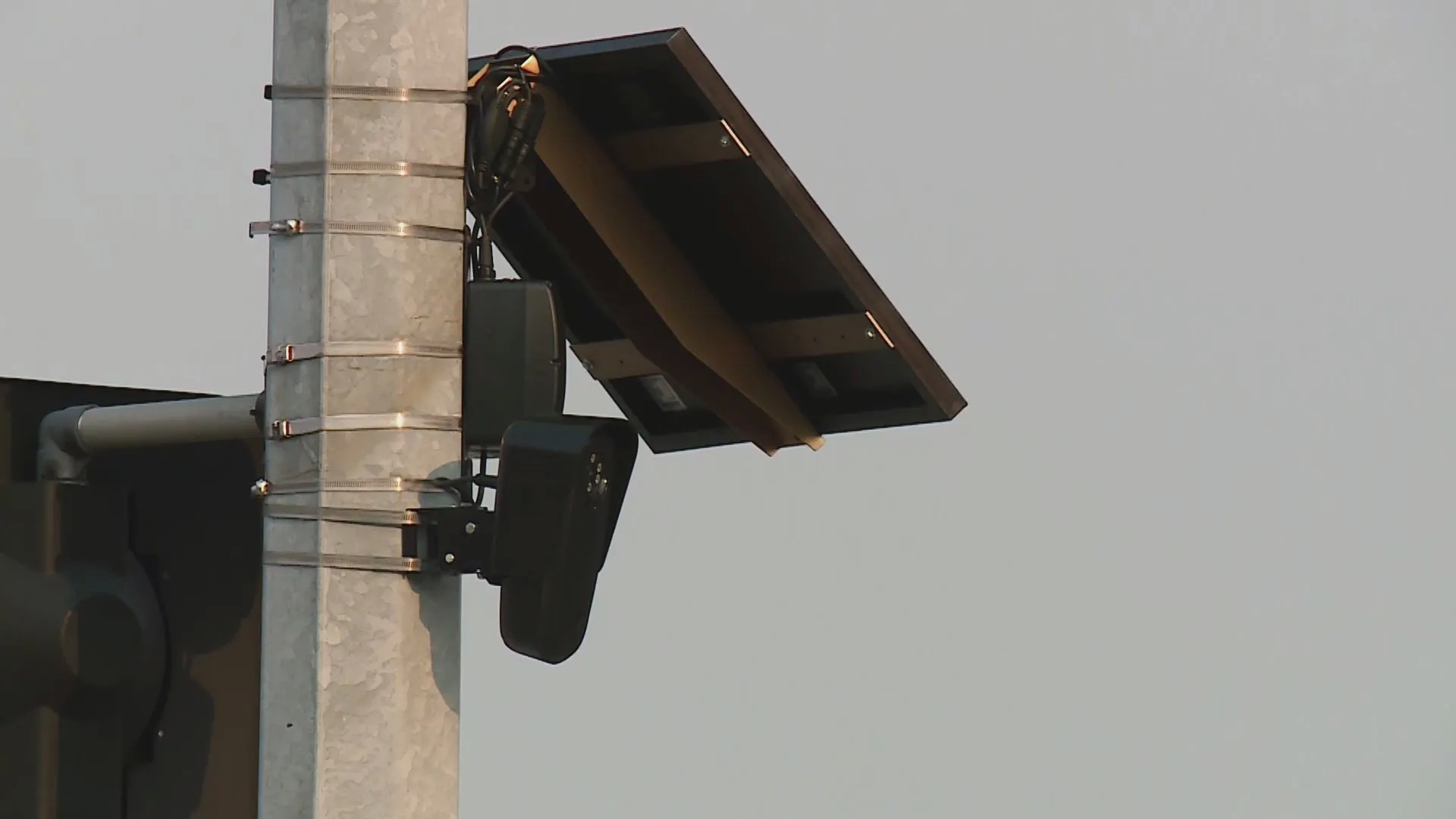
Mason Grimmett filed the lawsuit against Wichita on July 30. Represented by the Kansas Justice Institute, he argues that the city’s roughly 200 Flock Safety cameras photograph and catalog every passing vehicle without a warrant, probable cause, or judicial oversight. Grimmett is not asking for a settlement. He wants the court to declare Wichita’s program unconstitutional under Section 15 of the Kansas Bill of Rights and order the cameras removed.
In his telling, he is “trapped” in the “indiscriminate and warrantless dragnet surveillance of anyone, and everyone, driving in the City of Wichita.” That’s where this gets really interesting.
A Ruling With National Stakes
One way or another, the verdict in this case will make an impact on the ALPR debate. A win for Grimmett would do a few things. It would likely force Wichita to shut off its cameras. It could also provide residents in other states, advocacy groups, and attorneys a legal roadmap for challenging similar systems. Cities that have installed the cameras with little public debate could suddenly find themselves defending mass vehicle surveillance in court.
The lawsuit, first reported by KSN, says Wichita’s data can be accessed by virtually every city police officer, along with hundreds of outside law-enforcement agencies. The city reportedly cannot track where the information goes once another agency receives it.
That means Wichita may not know who is searching its data, why they are searching it, or whether the information is being shared again. It can’t tell if every search is lawful either. If Grimmett loses, it could go toward at least cementing ALPR use in Kansas if not in other places due to precedent.
Accuracy Under Fire
The complaint also cites an alleged incident in which an innocent couple was stopped multiple times, including once at gunpoint, after the system wrongly flagged their minivan as a stolen pickup truck. That brings us to the accuracy debate. The lawsuit cites an older National Institute of Justice report that found 80–85% accuracy was typical for ALPR systems in real-world deployments.
Applied to Wichita’s 904,603 recorded searches over a 32-day period, that could theoretically mean hundreds of thousands of incorrect results. But that is an extrapolation, not a citywide audit, and it is not Flock admitting its cameras are wrong 20% of the time. That said, we’ve seen plenty of examples of ALPRs getting things wrong, police also failing to catch the issue, and then negative consequences taking place as a result.
The constitutional argument may ultimately matter more than the math. Grimmett’s attorneys compare the network to a GPS tracker, arguing that license plates were transformed from simple registration tags into tools capable of reconstructing a person’s movements. If a judge agrees, Wichita may not be the last city forced to explain why it believes tracking everyone is an acceptable price for catching a few people.