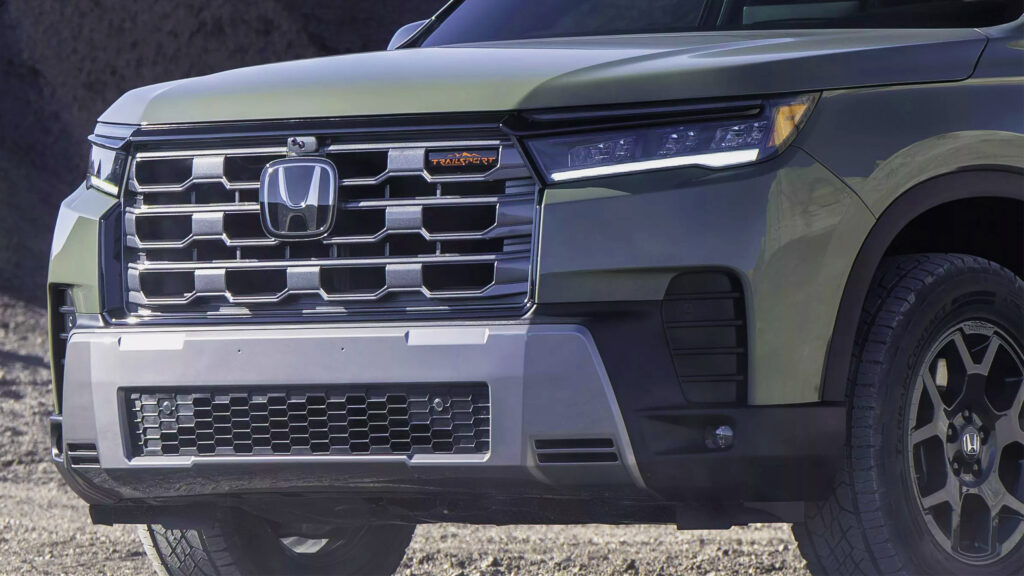










- Honda and Nissan will collaborate on future software-defined vehicle development strategies.
- The partnership includes plans for an in-house system to enable upsell features and upgrades.
- Both automakers aim to standardize essential parts, including semiconductors, for cost efficiency.
The dramatic collapse of merger talks between Nissan and Honda earlier this year marked a major setback for both companies, especially for Nissan, which had hoped the deal would help turn around its struggling business. While a full merger is no longer in play, the two Japanese automakers are now exploring a different kind of partnership, one focused on standardized vehicle software that could begin appearing in their lineups later this decade.
Read: Honda May Finally Be Getting The Truck It Always Needed From Nissan
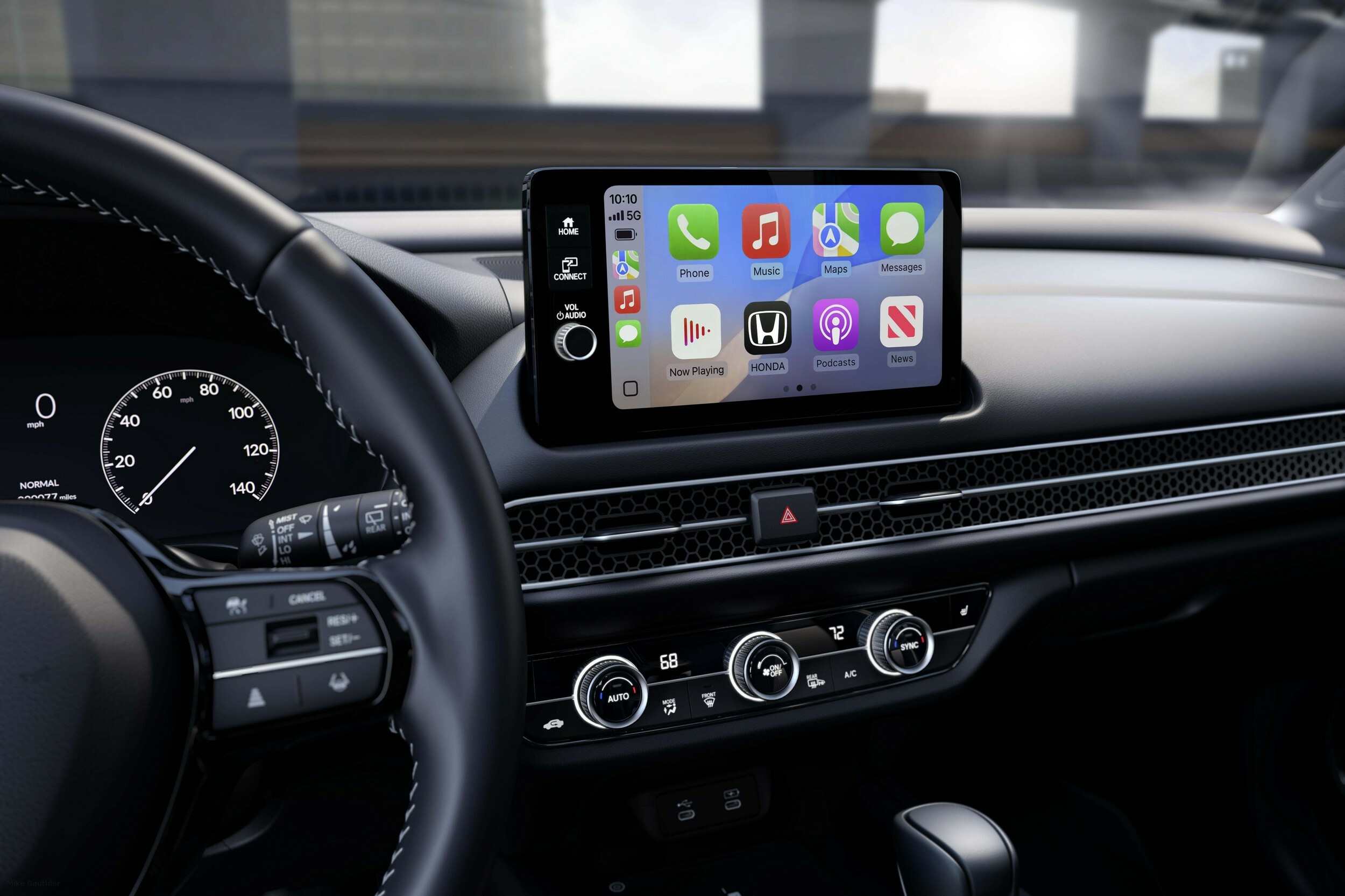
It’s understood Nissan and Honda have been researching new software technology since August 2024 and now intend to bring the fruits of their labor to the market. The partnership will include new-age software-defined vehicles and a new infotainment platform to be used on next-generation models.
Pushing Toward a Shared Digital Core
According to Nikkei Asia, the two car makers also want to standardize key parts, including semiconductors and motors. By ensuring that their software is developed in-house, Nissan and Honda won’t just save money, but the system will allow the brands to collect all of the data, something that’ll become increasingly important across software-defined vehicles.
Had they gone with third-party providers, data usage would likely come with restrictions. By owning the ecosystem, Nissan and Honda gain more control, not only over the tech but over the information that flows through it.
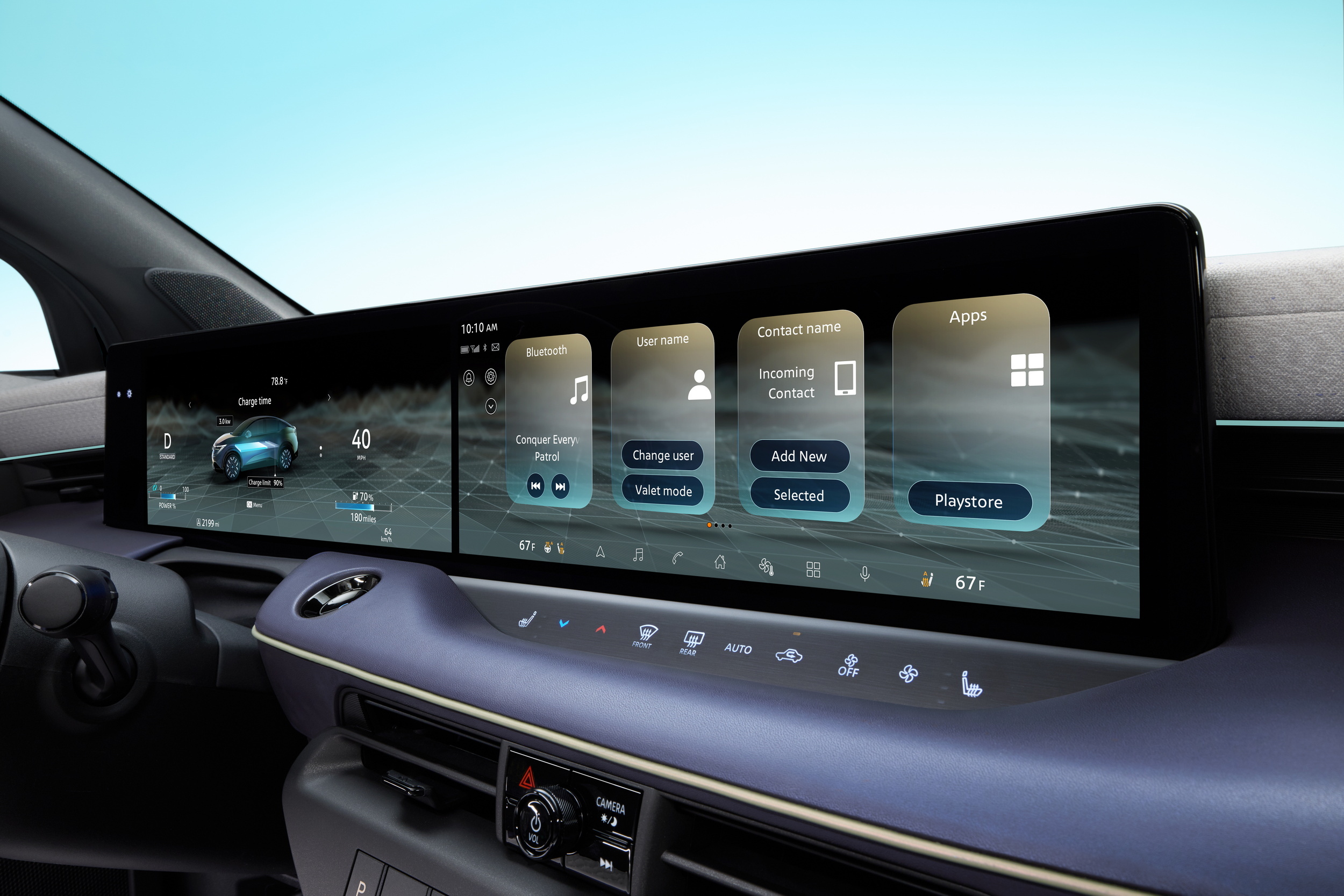
The endeavor will be expensive and could eventually cost more than $10 billion. However, this initial outlay could pay dividends in the future as Honda and Nissan could charge customers for software updates and upgrades, creating a new form of revenue for them.
As it stands, the two carmakers are working on their separate software platforms to be used in vehicles launched from next year. When the next-generation system is ready, Honda and Nissan engineers will likely work to make different skins for the system, even though the basic software architecture will be the same.
The Chinese threat
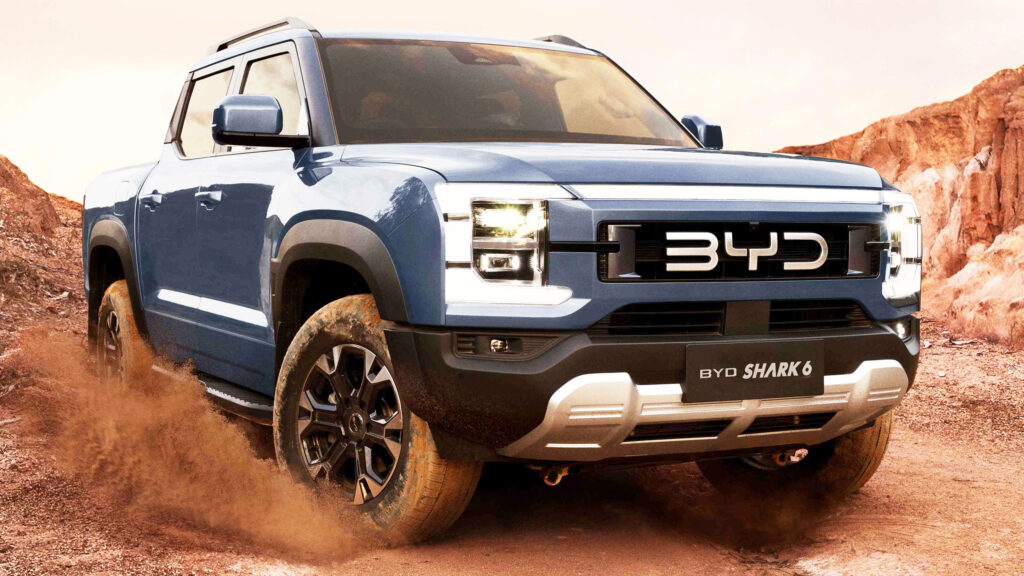
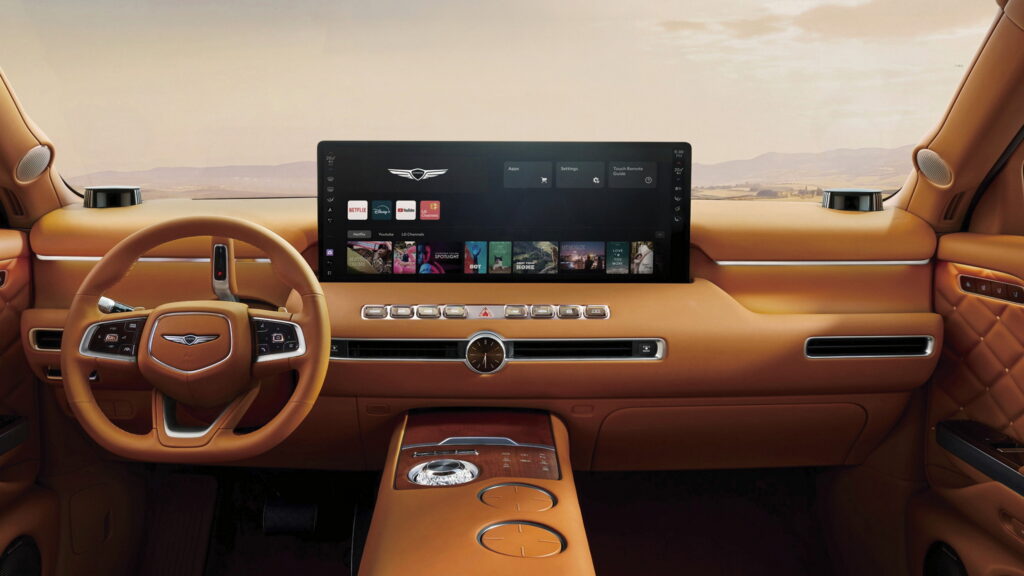
This partnership also reflects broader pressure from new Chinese EV manufacturers, who have quickly outpaced traditional carmakers in the realm of in-car technology. Some budget-friendly electric models from China now offer more responsive, modern software than what’s found in premium models from established brands, including Honda and Nissan.
As consumer expectations continue to shift toward seamless digital experiences, Nissan and Honda appear to be recalibrating, aiming to catch up by building smarter, more connected platforms from the inside out.