


- Missouri bill SB 1408 aims to increase rural speed limits.
- Supporters cite safer cars, while MoDOT warns of crash risk.
- Critics point to speed-related crashes across the state.
Speed limits are a hot topic lately. Across the USA, upper limits on rural interstates are all over the place. Plenty of states cap the limit at just 60 mph (97 km/h). Others have limits set at 80 mph (129 km/h). Texas even has one stretch of road set to 85 mph (137 km/h).
Now, Missouri lawmakers are considering a change that would boost speed limits from 70 mph (113 km/h) to 75 mph (121 km/h) on some rural roads.
A Push Toward Higher Limits
The bill, SB 1408, sponsored by District 27 Senator Jamie Burger, only applies to rural roads so in-city highways would remain unchanged. Supporters of the bill argue that the change would simply bring the law in line with reality.
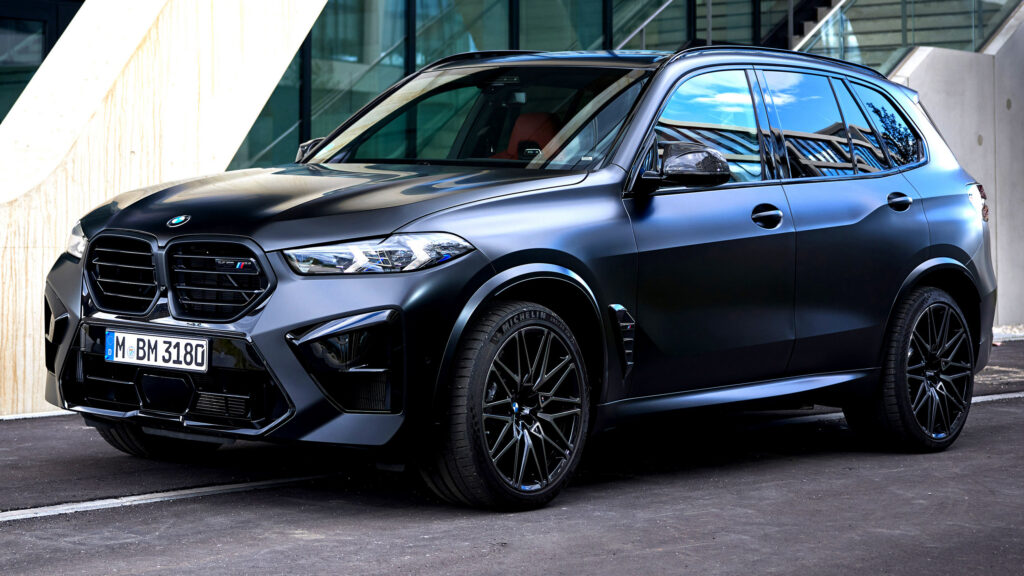
Many drivers already travel at or above those speeds, and Burger believes modern vehicles are far better equipped to handle higher cruising velocities than they were when the current limits were set.
More: This State Wants To Abolish Speed Limits On Select Highways, Just Like The Autobahn
On top of that, features like adaptive cruise, lane-centering assist, and blind-spot monitoring add additional layers of passive safety. Modern automotive production procedures and materials increase safety in the event of a crash. That argument appears to resonate with at least some Missouri motorists.
One who spoke to Fox News said that “It’s one of those things where I think people kind of go that speed already, so I don’t think there’s a negative to it.” Another admitted that they typically go five or so miles per hour over the limit so they liked the idea. Unsurprisingly, not everyone is such a fan, though.
What the Data Doesn’t Show
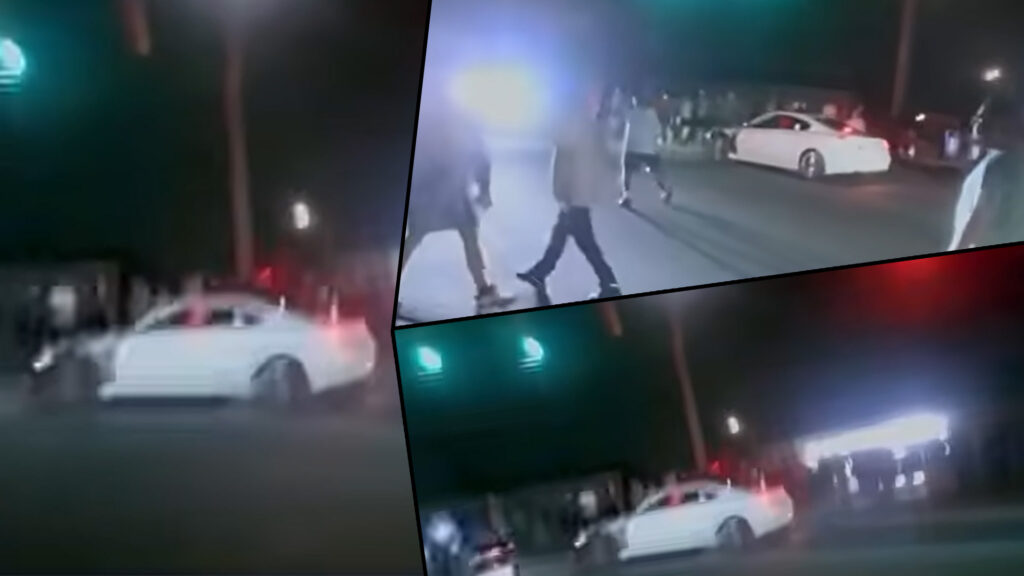
The Missouri Department of Transportation isn’t fully on board. It’s concerned about the potential for increased risk, pointing out that speed plays a role in roughly a third of the state’s crashes.
But that number can be misleading. Labels like “speed-related” or “speed was a factor” don’t necessarily mean someone was barreling down the highway. A vehicle can be going under the legal limit and still be considered too fast for the situation. One could also simply say that in a third of accidents, the vehicle in question was moving at more than a walking pace.
For now, the debate over whether to keep the limit at 70 or raise it to 75 continues. If the bill passes, the new limits could roll out as early as August of this year.