


- Jason Fenske’s Lucid Air critique triggered direct engineer talks.
- Lucid outlined software fixes and upcoming UX 3.0 overhaul plans.
- This isn’t typical service, but Lucid’s response stands out.
Negative YouTube reviews of cars have earned a certain reputation over the years. Some are so brutal they’re blamed, rightly or not, for helping to sink entire automakers, like the high-profile case of Fisker about a year ago. This time, though, a critical video sparked something different. A public takedown led not to fallout, but to potential fixes, and not just for one frustrated owner.
Jason Fenske of Engineering Explained leased a Lucid Air, ended up having issues with it, and has now been in direct contact with the brand. The result is going to benefit countless Lucid owners in the future.
A Critical Eye Meets a Willing Ear
When Jason Fenske published a blunt video detailing his disappointment with a newly leased Lucid Air Touring, it wasn’t a rage-bait takedown or a viral stunt. It was a long, technical breakdown of how a mechanically brilliant EV was being kneecapped by frustrating software, clumsy UX decisions, and some puzzling hardware quirks.
Read: Lucid Promised Luxury But All This Owner Got Was Regret And Nightmares
Rather than simply ignoring it and continuing on with its plans, the EV maker reached out. According to Fenske, what followed was a constructive discussion with engineers and even the SVP of engineering, Imad Dlala.

Evidently, the team at Lucid provided insider details and previews of upcoming changes. That’s where this story really takes its biggest turn. Lucid owners have a lot to look forward to if Fenske’s information proves reliable.
Lucid Plots a UX Overhaul
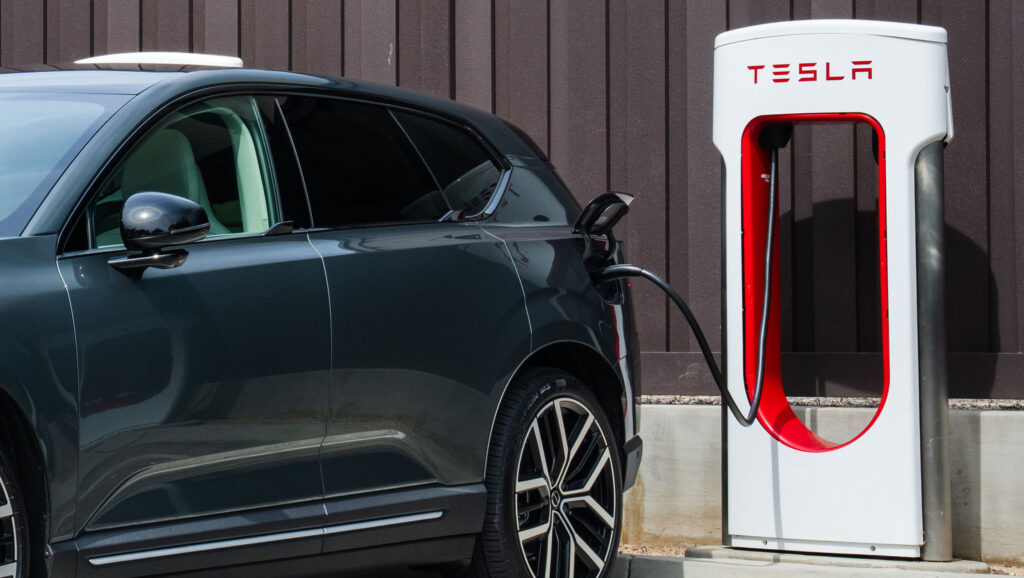
The biggest news is software. Lucid confirmed it’s actively improving phone-as-key reliability, door handle behavior, mirror positioning in reverse, percentage-versus-miles range inconsistencies, and Tesla Supercharger Plug & Charge support.
More significantly, a full UX 3.0 overhaul is planned for early fall 2026, bringing multitasking, faster profile switching, improved CarPlay stability, better voice commands, and a more intuitive interface. Owners with newer hardware, or those willing to pay to upgrade, will get access.
Lucid also confirmed vehicle-to-home power capability is coming in the first half of 2026, promising up to 17 kW peak output without requiring a separate home inverter, an area where Lucid’s hardware advantages could genuinely shine.
Fenske estimates that his Lucid could power his home for four days if they lost power, and that’s without changing any of the behavior his family is accustomed to.
Not All Feedback Gets a Reply
At the same time, he remains cautious, and rightly so. Promises aren’t fixes, and the Lucid Air still struggles with daily usability today. But admitting problems, engaging with informed criticism, and outlining concrete changes is more than many automakers manage.
In addition, this isn’t how most customers get treated. Fenske runs Engineering Explained, has a massive audience, and speaks the same technical language as Lucid’s engineering team. That context matters. Still, what Lucid outlined is meaningful. Especially for current and future owners.