


- California traffic fines quietly include unrelated hidden fees.
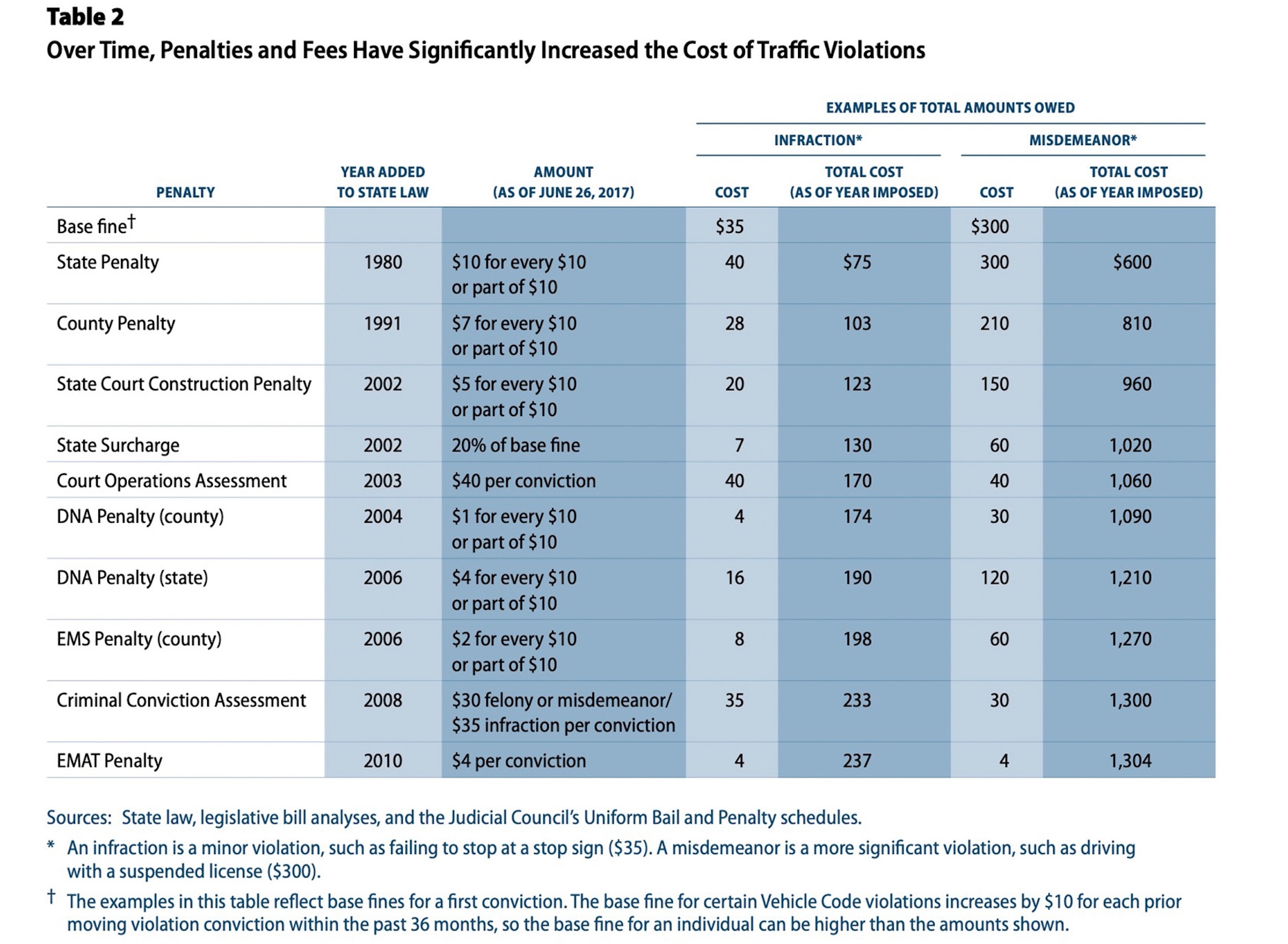
- Original $100 tickets can inflate to nearly $500 with add-ons.
- Low income drivers suffer most, unable to cover rising costs.
Getting a traffic ticket already feels like a personal attack from the universe. You were just rolling through a yellow light, or drifting a few miles per hour over the limit, nothing bad enough to cause an accident, and suddenly there’s an official letter in your mailbox demanding hundreds of dollars.
Related: City Painted A Disabled Bay Around His Car, Then Fined Him Repeatedly
But what’s even more likely to make you angry is discovering that the real fine is far lower than the amount being demanded, and the rest is a collection of quiet add-ons that have very little to do with traffic, safety, or even your specific mistake.
How a $100 Ticket Becomes Nearly $500
That’s exactly the scenario uncovered by CBS News. Its reporting shows how California quietly layers nearly a dozen extra fees onto traffic tickets, inflating a simple citation into something far more painful. In one example, a $100 red light ticket turned into a $486 bill once all the extras were stacked on top.
For Kris Kahrs, one of the drivers interviewed, the breakdown was baffling. “It feels like they’re trying to hide something,” she said, after seeing how little of her payment actually covered the initial violation.
Some of those fees fund things that have nothing to do with driving, roads, or safety. One even supports the Fish and Game Preservation Fund. That might be a worthy cause, but it feels strange to finance it through people who accidentally rolled a stop sign. It also feels invisible, because the fees are bundled into one number instead of being clearly presented upfront.
Calls for Restructuring
A state audit almost a decade ago already called this system arbitrary and disconnected from the actual offenses. The auditor found the fees were “not directly connected to the offense” and instead appeared to be based on unrelated program needs.
The auditor urged lawmakers to “reconsider the entire penalty and fee structure,” but that still hasn’t happened. Instead, the state continues using traffic tickets as a quiet revenue tool, even as that revenue steadily declines.
Who Really Pays?
The bigger problem is who actually pays the price. According to advocates, these ballooning fines hit low income American drivers the hardest, often becoming unpayable and leading to a spiral of late fees, penalties, and suspended licenses. The people most affected are also the least likely to call a legislator or hire a lawyer to complain about it.
“It’s not very effective because it’s inefficient. People can’t pay what they don’t have,” the auditor noted.
State officials say they want a fair and transparent system that promotes safety. That sounds great, but even the head of the Assembly Transportation Committee told CBS she was unaware of the issue until reporters raised it.
So for now, the system stays exactly where it is. A small mistake on the road turns into a big financial headache, and the people paying the most are often the ones who can afford it the least.