- Canada placed 100% tariffs on Chinese EVs, steel, and aluminum.
- China hit back with tariffs on Canadian seafood, pork, and canola.
- Mark Carney is the first Canadian PM to visit China since 2018.
Canadian Prime Minister Mark Carney is visiting China this week on a politically significant trip, one that could carry broad implications for America’s northern neighbor, especially for its closely watched automotive sector. Among the issues likely to come up is the contentious matter of auto tariffs
Back in 2024, the Canadian government imposed sweeping 100 percent tariffs on Chinese-made electric vehicles, as well as steel and aluminum. China didn’t take long to respond, slapping retaliatory tariffs on Canadian seafood, pork, and canola.
Read: Canada Could Decide The Fate Of Chinese EV Tariffs As Carney Meets Xi
While some provincial leaders have been quietly pushing for a reciprocal easing of trade restrictions, Ontario Premier Doug Ford has taken a decidedly harder line. He has made it clear that he does not support lifting the tariffs on Chinese electric vehicles under any circumstances.
“I’m absolutely 100 per cent dead against this,” Ford told reporters. “I’ll reach out to him and text message and just tell them our concerns.”
“I’m very concerned and so are my friends in Michigan concerned,” the premier said after a meeting with Republican and Democratic state representatives from Michigan, according to The Star.
“When you have the Chinese government wanting to dump cheap Chinese parts and cheap vehicles here, it costs Canadian and American jobs,” said Ford. “This is nothing against the folks in the canola business or soybean — we have a thriving soybean business here, too — so it’s not about them. I fully understand why Premier Moe is concerned, but he’s protecting Saskatchewan.”
Could Local Production Change the Narrative?
Interestingly, Ford isn’t inherently opposed to Chinese brands. In fact, he recently expressed his openness for a Chinese brand to come to Canada and to set up a production facility in Ontario.
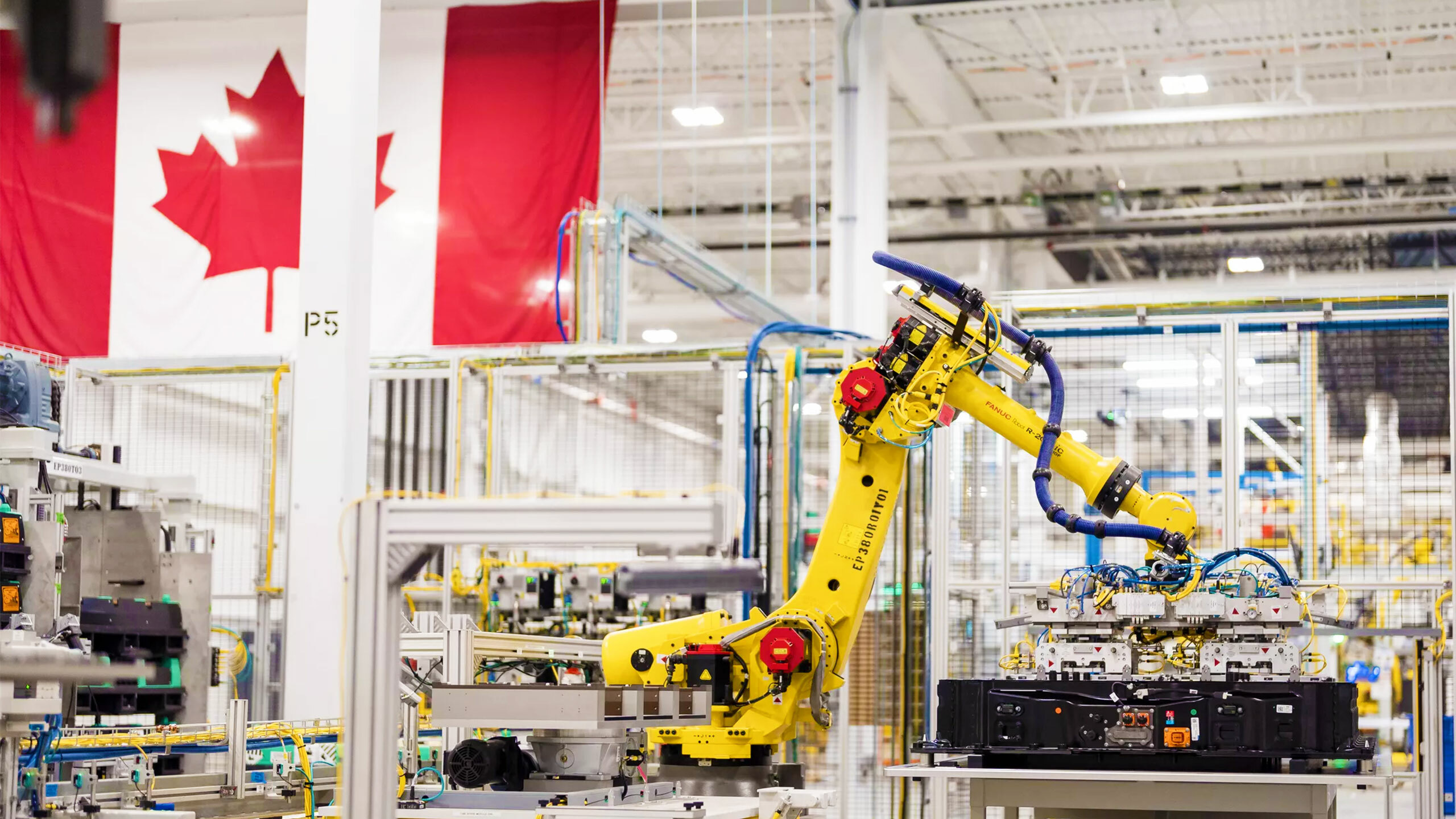
“If they’re willing to come here and invest in a plant just like GM, Stellantis, Ford, Volkswagen, Honda, Toyota and come here and manufacture, create jobs, and create parts here, well, now we’re on a whole different page,” he said.
Canadian Chinese Tensions
Carney’s diplomatic stop marks the first official visit to China by a Canadian Prime Minister in eight years. Political tensions have simmered between the two countries since 2019, when Canadian authorities detained a Chinese tech executive in Vancouver. In apparent retaliation, two Canadian citizens were arrested and held in China for nearly three years, according to CBC.
Despite those strains, China could become an increasingly important economic partner for Canada in the coming decade. The Canadian government has set a target to double non-U.S. trade by 2035, a goal that would almost certainly require deeper ties with Beijing.
While Canada’s tariffs on Chinese EVs has helped to insulate the local auto market, the reciprocal tariffs from China have hurt farmers. Speaking with CBC, a canola farmer recently revealed the tariffs had cost his farm roughly $450,000.